









































.jpg)


Are Defibrillators Dangerous? Common Myths vs Medical Facts
Defibrillators may appear intense at first, but the heart’s rhythm comes from electrical signals, and when the heart beats irregularly, it may need a jolt to bring it back to normal.
The risk of using a defibrillator is minimal, especially when you consider the risks of sudden cardiac arrest. Modern defibrillators have built-in safety measures and will only allow administering a shock if needed.
The idea of using a defibrillator can be scary, but when they are used quickly and appropriately, they have serious benefits to the patient.
According to a study by the American National Library of Medicine, when a bystander administered a shock to someone who needed it right away, their survival rate increased from 43% to 66.5%, compared to waiting for a first responder.
Additionally, the health outcomes were much better. When a bystander administered a shock right away, 57.1% of patients were more likely to live and leave the hospital with good brain function. Compared to 32.7% if first responders administered the shock.
Given that using a defibrillator can be so critical, let’s address some common myths and misconceptions to give you confidence!
Are Defibrillators Used To Start The Heart?
Contrary to common belief, defibrillators are not used to start the heart. They are used to re-establish the heart’s normal rhythm when it is beating irregularly.
When the heart has a chaotic or dangerous rhythm and is not pumping blood effectively, a defibrillator should be used.
When the heart is in this state, oxygen does not reach the brain and body effectively. Ideally, when an Automated External Defibrillator (AED) is being prepared, someone should be performing CPR.
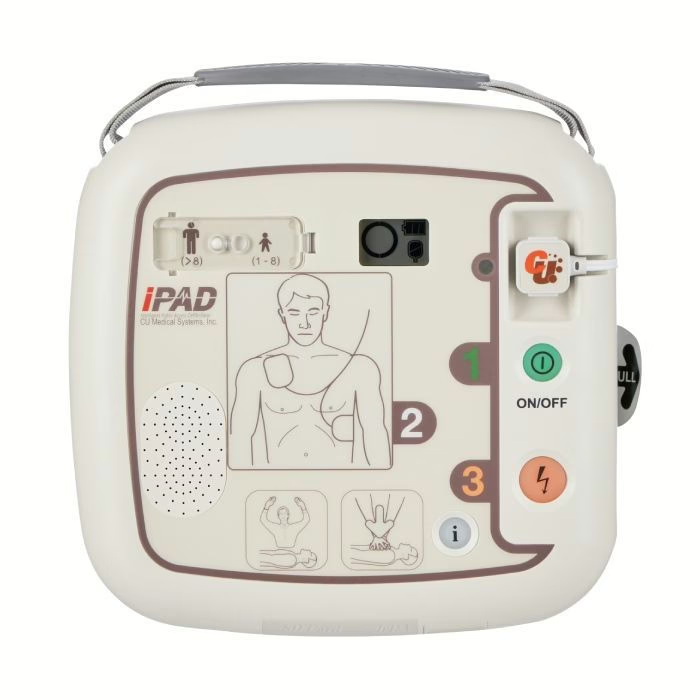
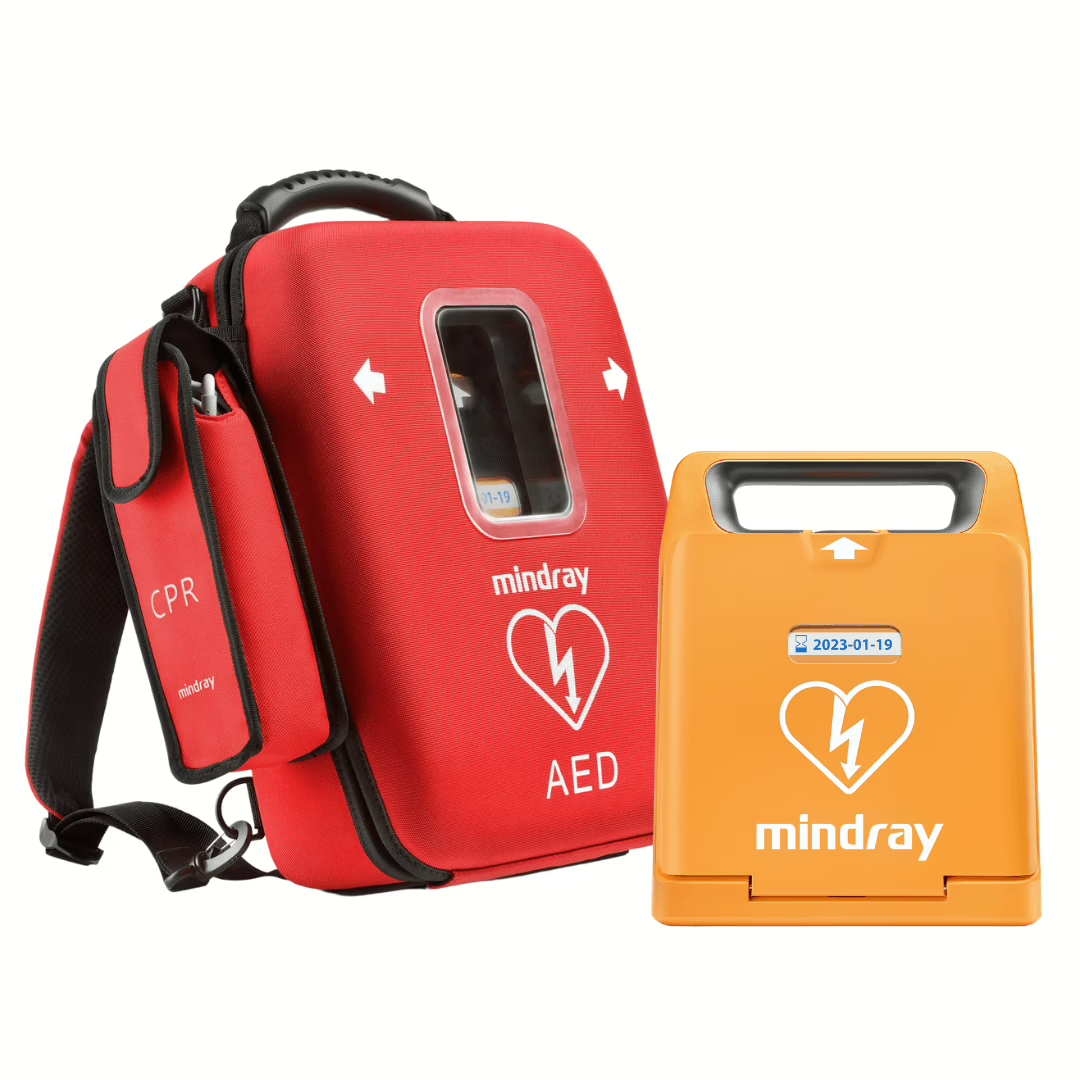
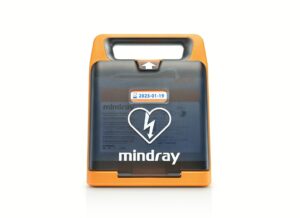
Devices like the Mindray C1A, the iPAD SP1, and Schiller PA-1 analyse a patient’s heart rhythm and advise or deliver a shock if needed.
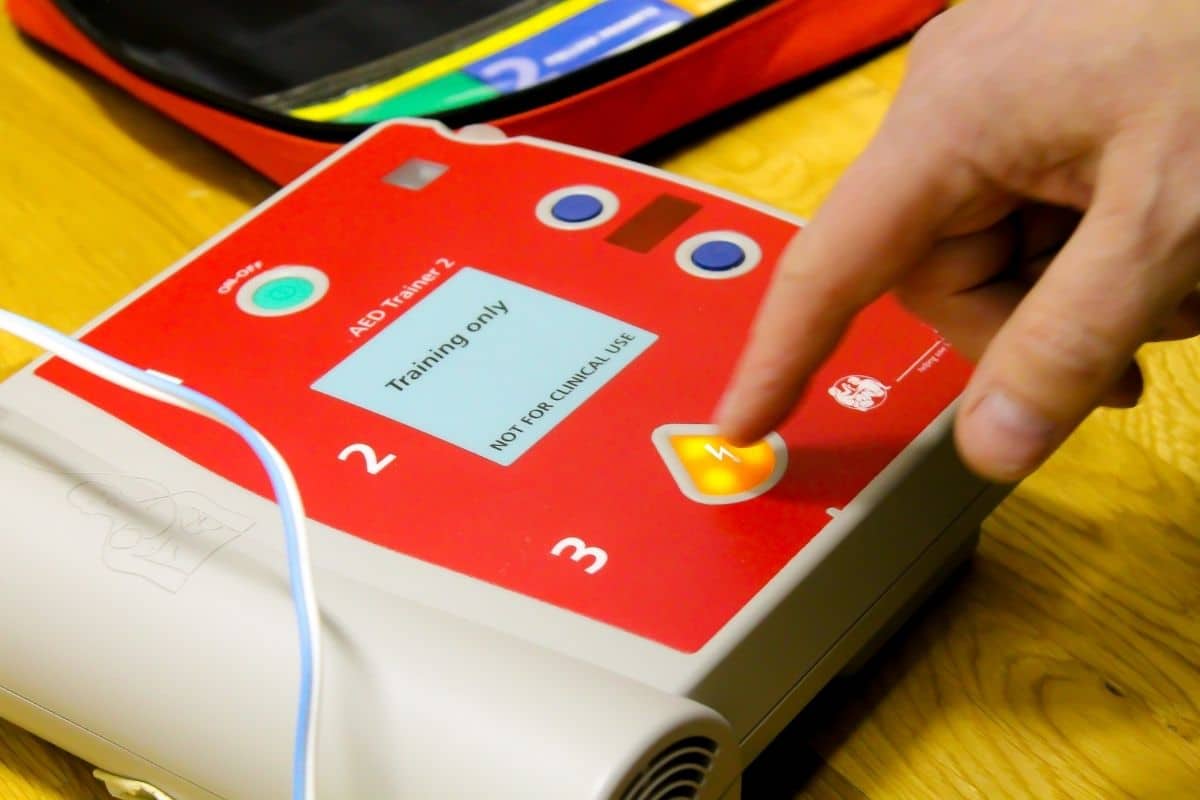
Automatic defibrillators don’t need special training, they will talk you through the instructions with an automatic voice.
Are Defibrillators Painful?
This is a common concern and an understandable one. No one wants to inflict pain on someone else, especially those in distress. The natural question then becomes, are defibrillators dangerous?
If the patient is awake, the shock has been described as being like a ‘kick to the chest’’. But if the patient is unconscious, they don’t feel or remember anything.
It is an unpleasant thought, but it cannot be overstated that every second counts, and AED machines are created not to administer a shock to someone who doesn’t need it. So please do not hesitate!
Are Gyms Required To Have A Defibrillator?
It is not a legal requirement for gyms to have a defibrillator, but it is strongly recommended. Most gyms will have an AED on hand, and it is recommended that those with multiple floors have one on each.
Generally, we consider young people to be less likely to suffer from sudden cardiac arrest, but this is not always the case.
The average age of people at risk of cardiac arrest is 60+, but undiagnosed heart conditions can greatly affect young sportspeople, with 90% of cardiac arrests happening after exercise.
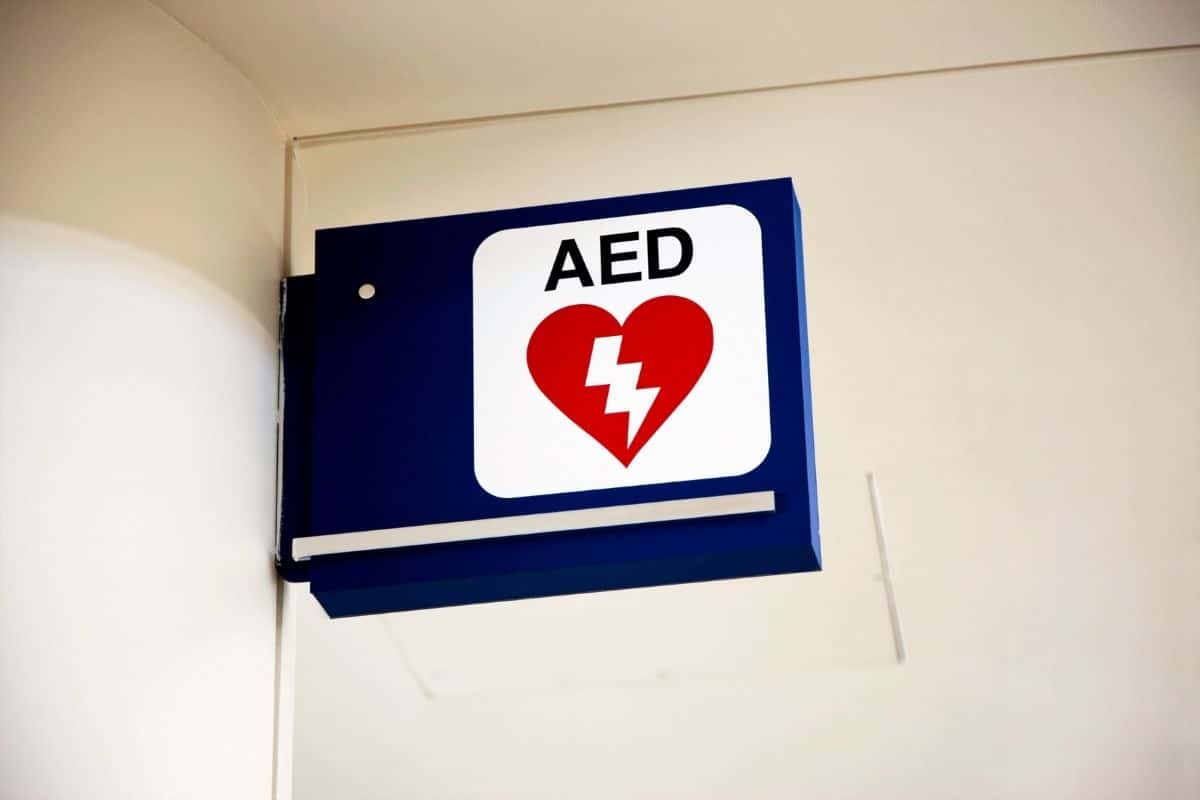
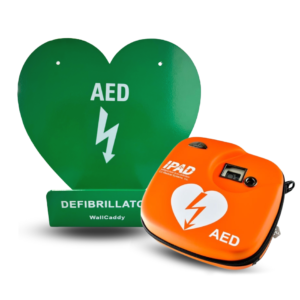
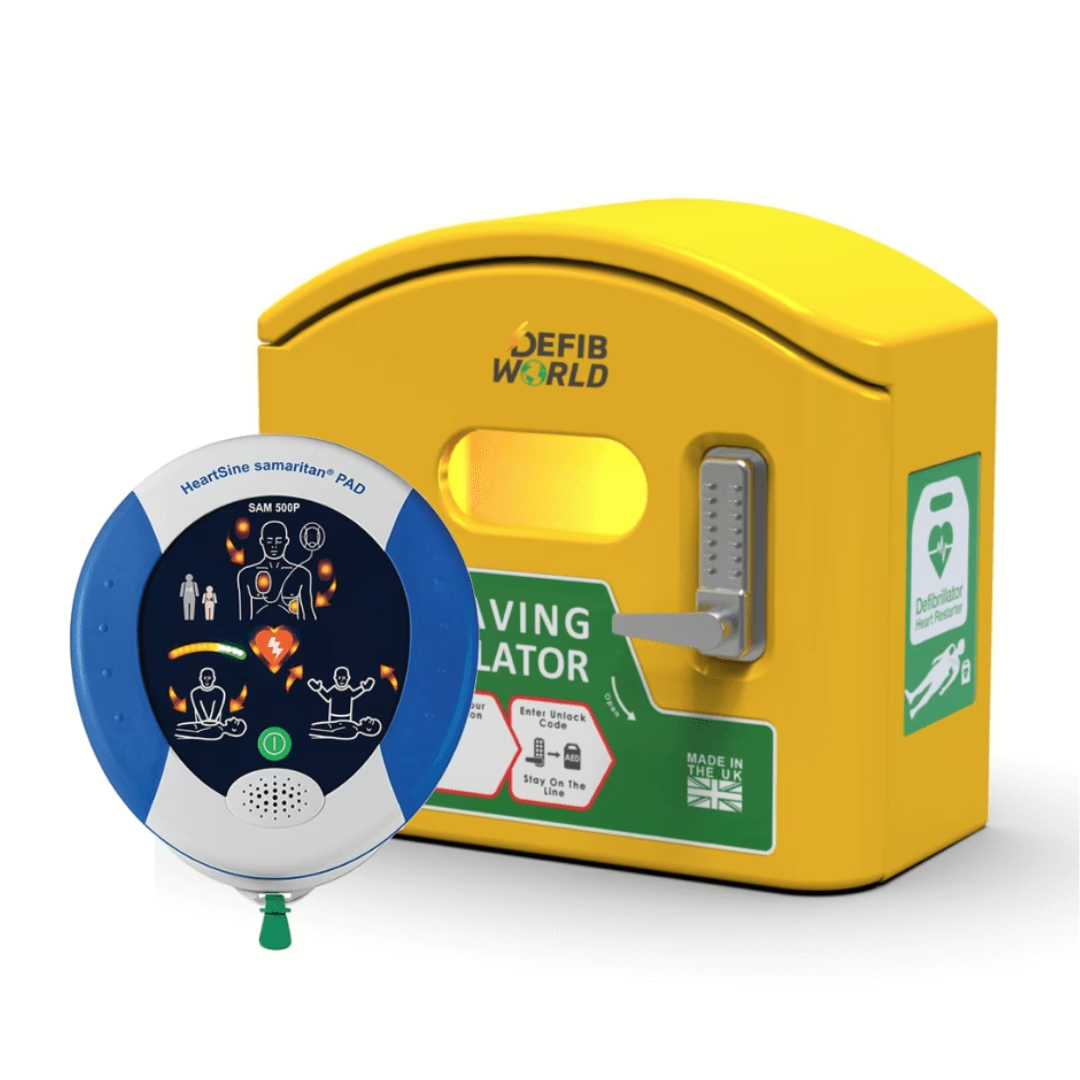
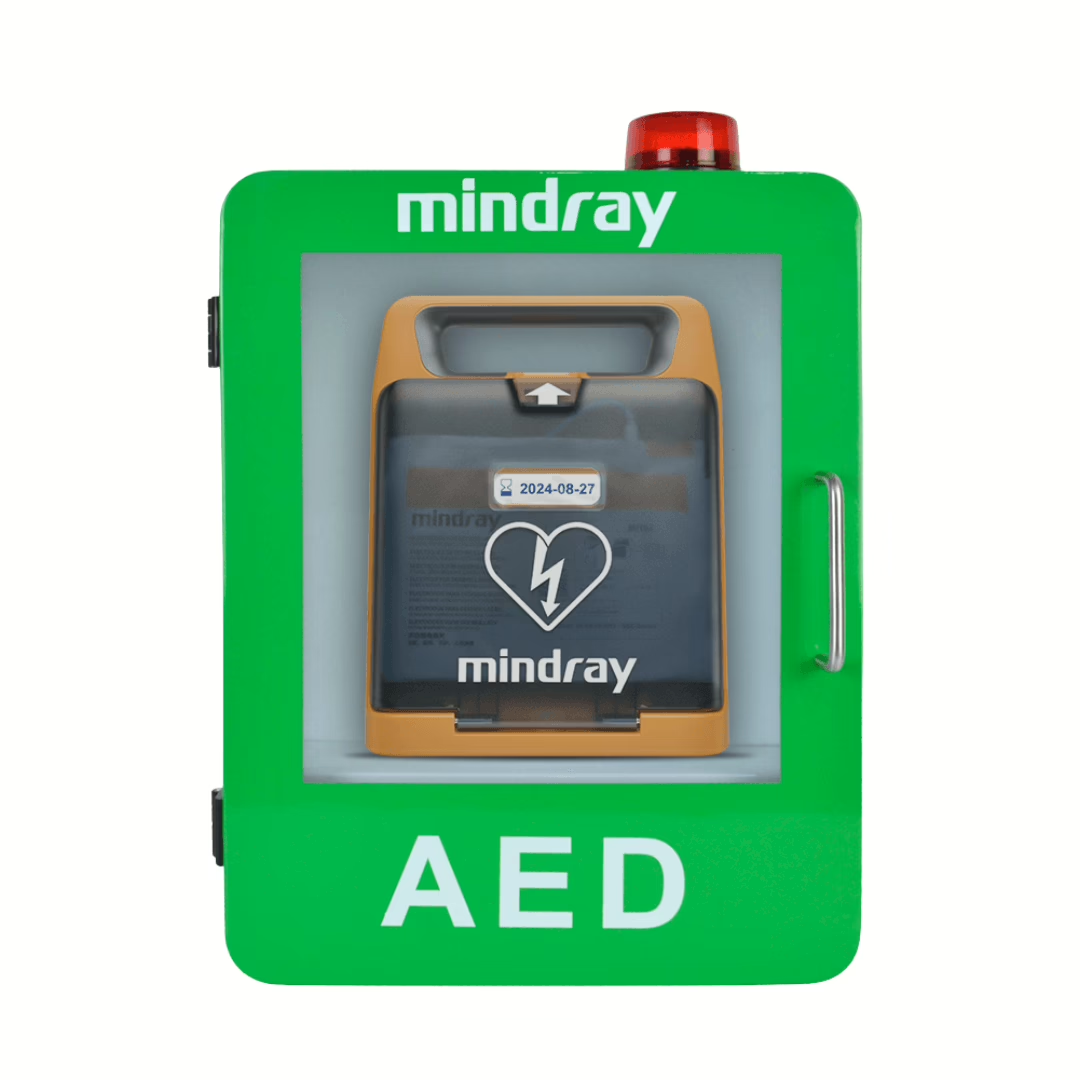
Defibrillators in public places should be clearly labelled!
Can A Defibrillator Burn You?
Burns are a rare occurrence when using a defibrillator.
Modern defibrillators have gelled pads designed to avoid ‘hot spots’ and minimise heat concentration. For defibrillators, burns could fall into two categories:
- First-degree burns: some pain and redness, but no blistering, can happen, but are relatively uncommon.
- Second-degree burns: Blistering and more pain are also uncommon.
The likelihood of burns is low overall, especially when compared to the potential risks of not defibrillating someone in cardiac arrest.
Are Defibrillators Reusable?
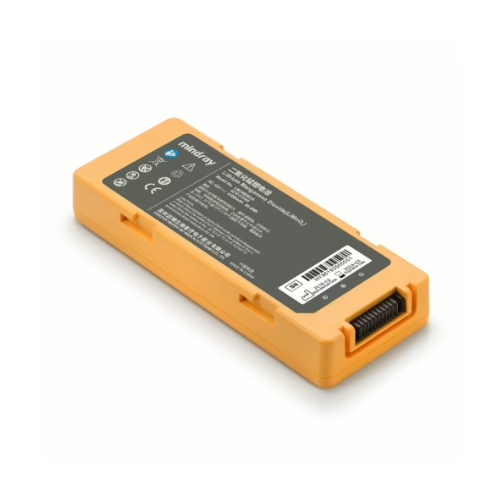
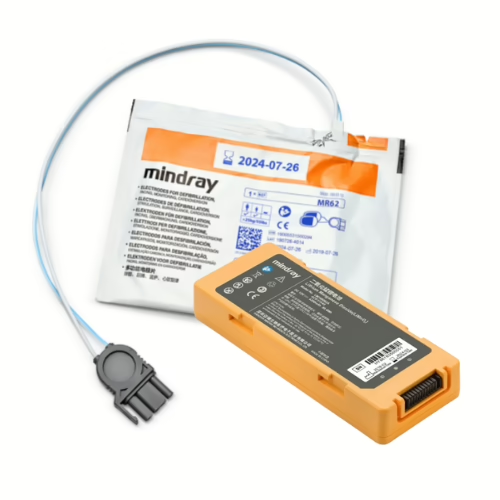
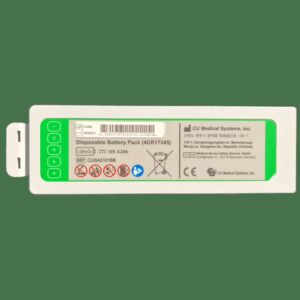
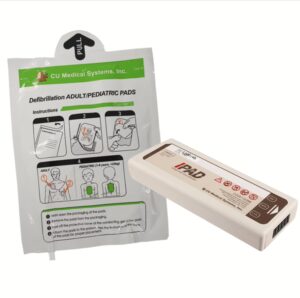
The AED unit is reusable, but the pads and batteries need to be replaced periodically. The modern units often have a 7 to 10-year lifespan. Most manufacturers recommend the following checks:
- Weekly – Check the unit’s status indicator, check for external damage.
- Monthly – Power on briefly to check voice prompts and for any errors.
Typically, pads last anywhere from 2 to 5 years; make a note of their expiration date on purchase. Batteries often last between 4 to 6 years, and the device will often alert you when it is coming up to the replacement date, but you should make a note on purchase for your own records.
Of course, if the unit is showing signs of damage or regularly showing faults, that is a clear indication that you need to repair or replace your defibrillator.
If you are searching for a defibrillator with a long life span, the iPAD NFK200 has a 7-year manufacturer’s warranty, and the Mindray BeneHeart C2 has an 8-year warranty, giving you peace of mind for the future.
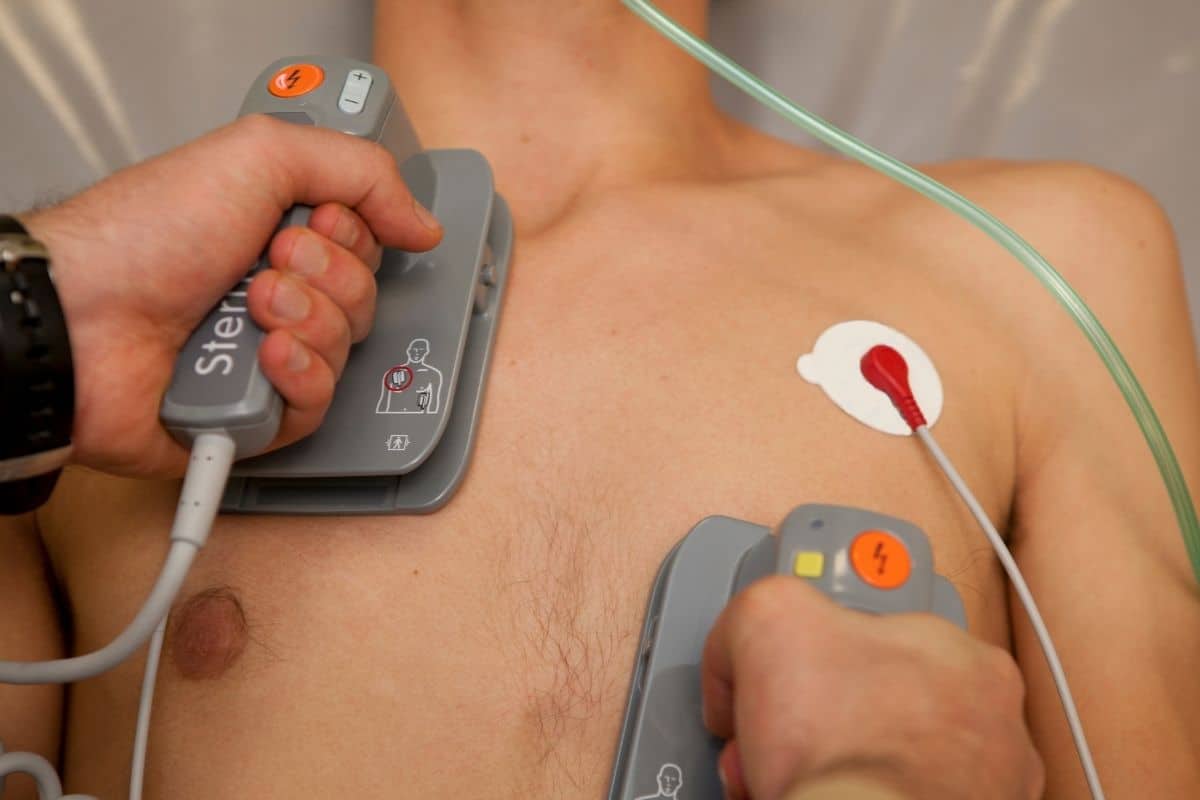
The defibrillator will talk you through where to place the pads on the patient’s chest.
Let Us Help You
It is so important to keep your defibrillator up to date and in full working condition. Given the difference fast action can make to someone’s medical outcomes, it is important to have an AED in high-traffic areas.
If you are looking for a defibrillator for your space, our team can help you.
Get in touch with us on 0333 253 0770 or email sales@defibworld.org.