

















































.jpg)


Are Schools Required to Have a Defibrillator in the UK?
To put it simply, schools are not legally required to have a defibrillator on site in the UK, however the situation varies slightly across England, Wales, Scotland and Northern Ireland.
In England, the Department for Education launched a programme in 2022 to supply state-funded schools with defibrillators, ensuring that by the end of 2023 every eligible school had received at least one device, with larger schools being provided with more.
This means that, in practice, most schools in England now have access to a defibrillator, even though the law does not make it compulsory. Independent schools and academies are also encouraged to have them, but provision can still vary.
In Wales, there is also no legal obligation for schools to have a defibrillator, but the Welsh Government has supported their rollout through funding and local initiatives. Many schools have benefitted from government schemes and community partnerships, making the equipment far more widely available.
Scotland takes a similar approach, with no legislation requiring schools to have defibrillators, but with many being provided through government support, charities and local fundraising efforts.
In Northern Ireland, schools are again not legally required to have a defibrillator, but government-backed programmes and community initiatives have ensured that many do.
Why is it so Important to Have Defibrillators in Schools and Universities?
With the school term having already started, it is a timely reminder of why defibrillators are so important in the education industry.
1. They Provide Protection for Everyone
Sudden cardiac arrest can strike anyone, regardless of age or fitness, and immediate access to a defibrillator can be life-saving.
Schools, colleges and universities bring together large numbers of pupils, students, staff and visitors every day, making it essential to be prepared for medical emergencies. And while these types of incidents are rare in young people, they do occur, and staff or visitors may also be at risk.
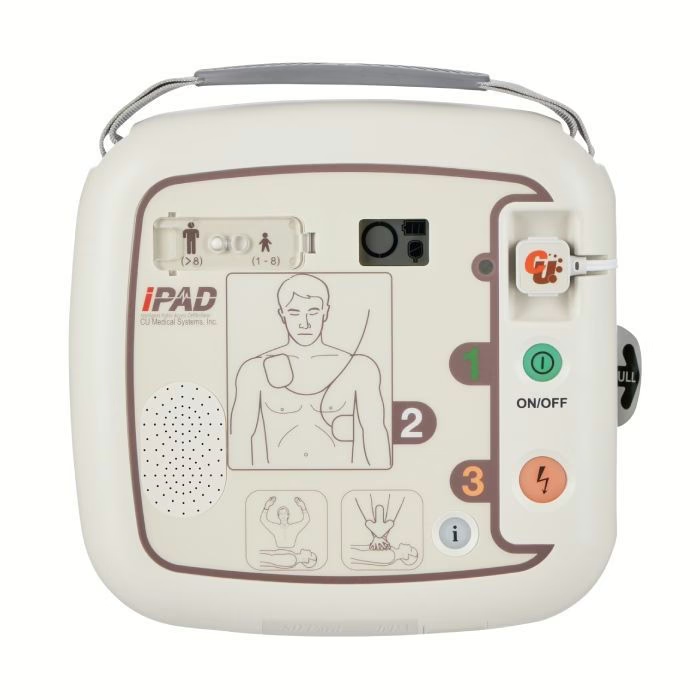
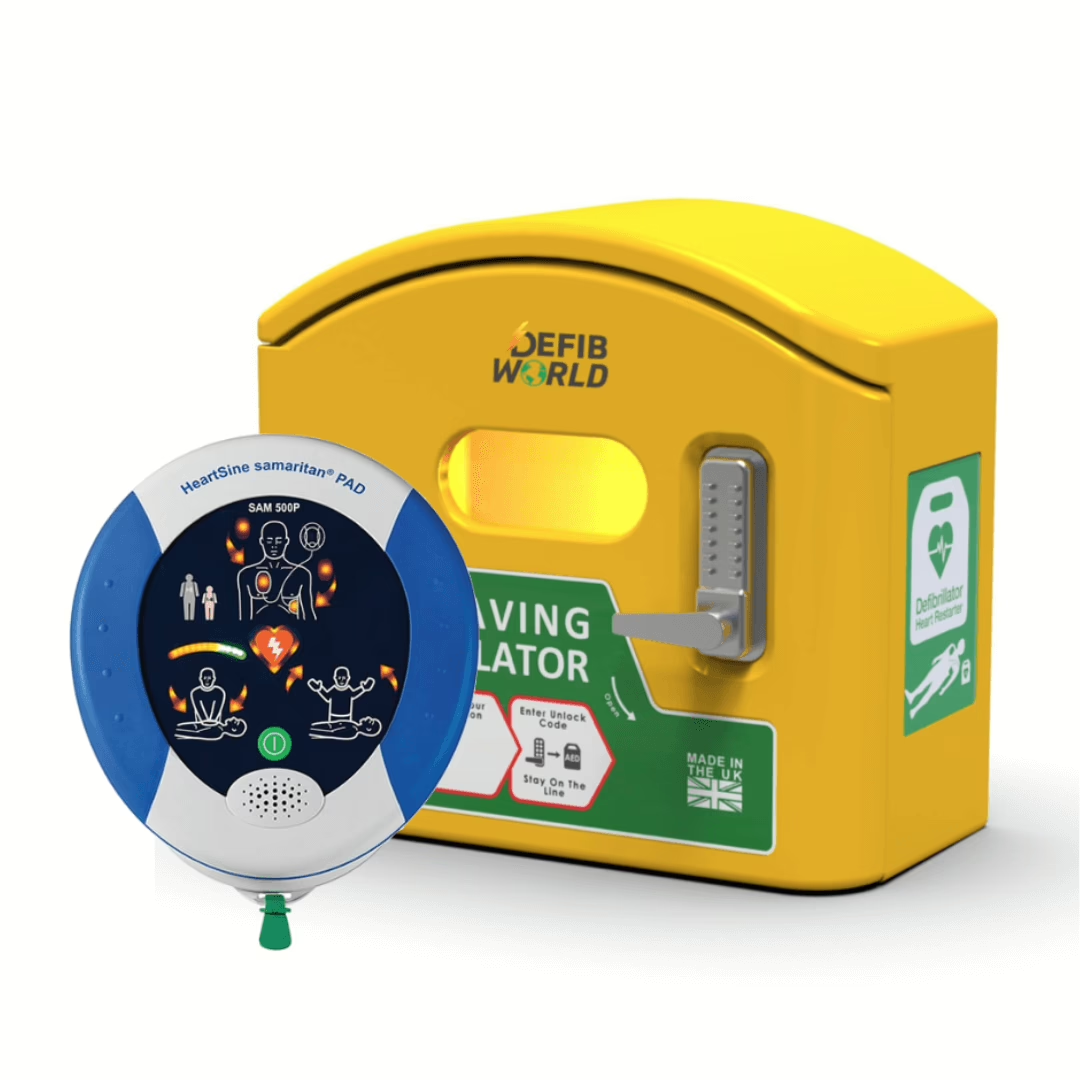
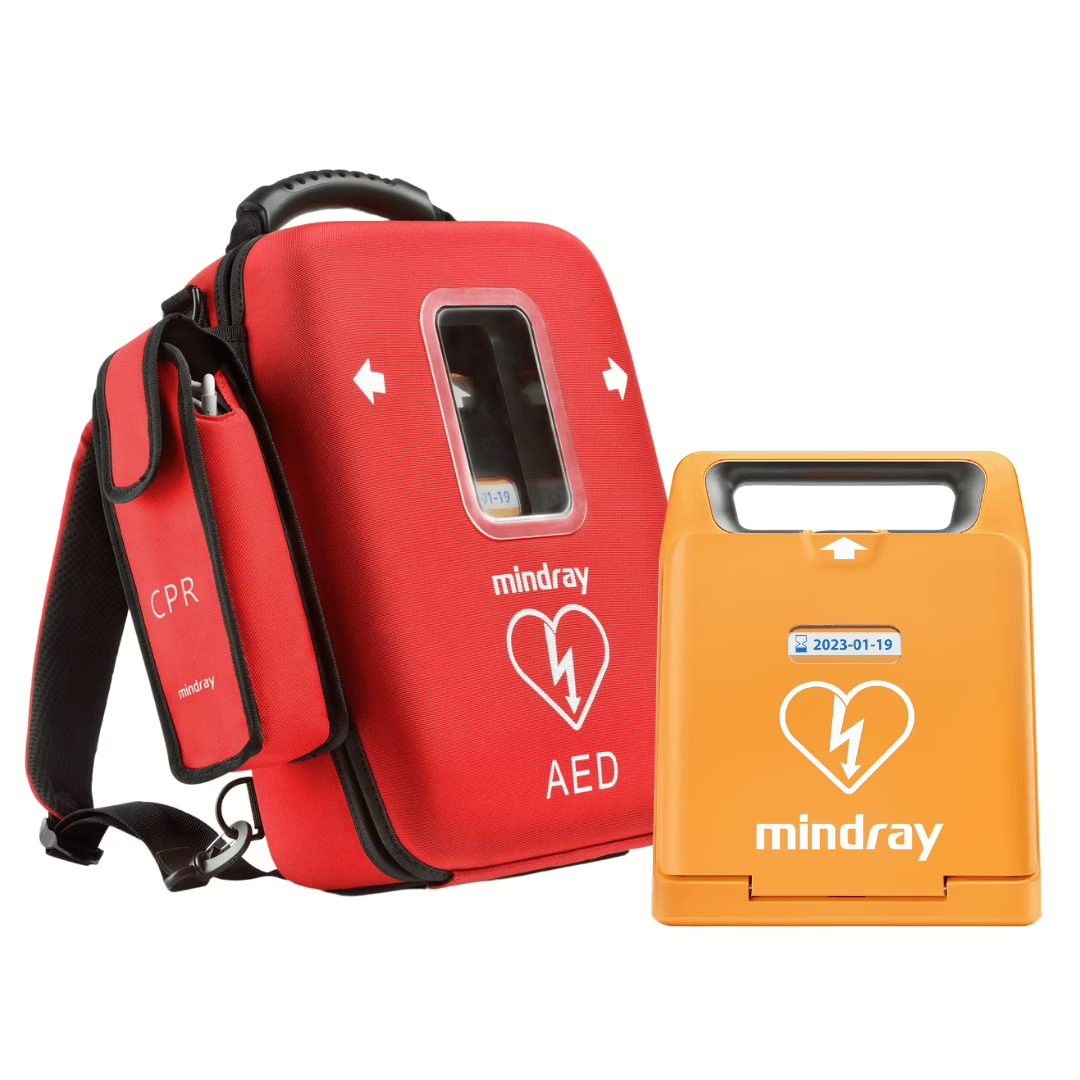
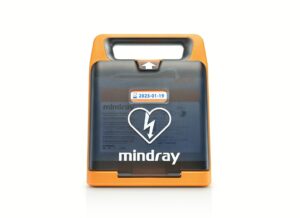
So, having a defibrillator on site not only provides critical reassurance but also ensures that a community is ready to respond quickly in the event of an emergency. Browse our wide range of high-quality, reliable defibrillators for schools here.

2. Quick Response Will Save Lives
When someone suffers a sudden cardiac arrest, their heart stops beating effectively and blood can no longer circulate around the body.
Without immediate intervention, the chances of survival drop by about 10 per cent with every passing minute.
Emergency services in the UK aim to arrive as quickly as possible, but even a short delay can be critical. Having a defibrillator readily available on school or university grounds means that life-saving treatment can begin within moments, restoring the heart’s rhythm and greatly increasing the chances of survival until paramedics take over.
In many cases, this swift action is the decisive factor between life and death.
3. They Reassure Families
The knowledge that a defibrillator is available on site provides reassurance to everyone connected with a school, college or university.
Parents feel more confident knowing that their children are learning in an environment equipped to handle emergencies, while staff and students gain comfort from the fact that they are not left vulnerable should a cardiac arrest occur.
Beyond the immediate users of the institution, visitors and the wider community also benefit from this sense of preparedness.

How to Get a Free Defibrillator in a School
As we touched on above, getting a free defibrillator in a school is possible through a combination of government schemes, charities and community initiatives.
Let’s look at these in a little more detail…
- Government programmes – In England, the Department for Education has already supplied defibrillators to state-funded schools through a national rollout completed in 2023. Schools that may have missed this should contact their local authority or the Department for Education to check eligibility.
The Welsh Government has also supported schools in acquiring devices, while in Scotland and Northern Ireland, government funding and local health initiatives have helped many schools secure them. - Charities and foundations – Several UK charities, such as the British Heart Foundation, SADS UK and London Hearts, provide grants or part-funding for defibrillators in schools. These organisations often help with installation and training as well.
- Local fundraising and sponsorship – Parent–teacher associations (PTAs), local businesses and community groups frequently fundraise to supply defibrillators for schools. Some companies also offer sponsorship or match-funding schemes to support the purchase of life-saving equipment.
- Partnerships with ambulance services – In many regions, local ambulance services work with schools to ensure access to defibrillators, sometimes offering devices free of charge or at a heavily reduced cost. They may also provide staff training to ensure confidence in using the equipment.
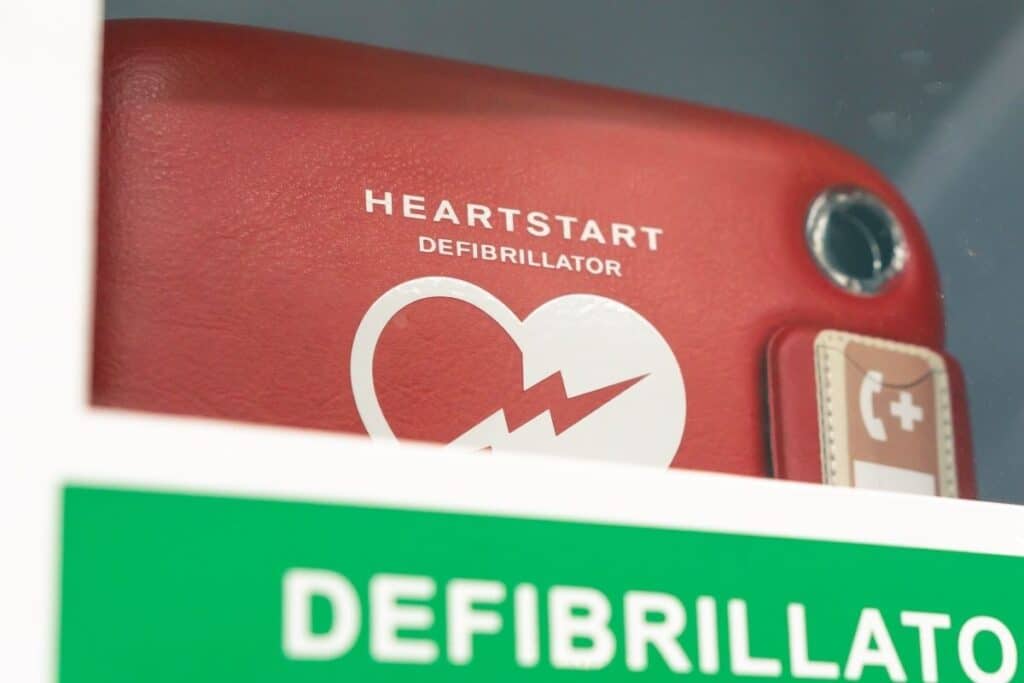
Are You Ready to Save a Life in School?
Browse our quality range of easy-to-use defibrillators for schools and check out our regularly updated blog to learn more about CPR and first aid.
And of course, if you need assistance or have any questions at all, please call us on 0330 223 6336 or drop us an email at sales@defibworld.org.