















































.jpg)


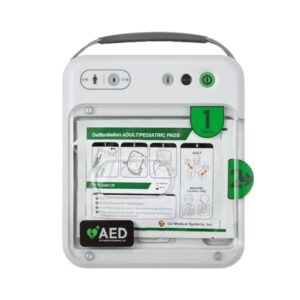
Having a checklist for your defibrillator is simple to implement if you haven’t already, but incredibly important. It ensures that a life-saving piece of equipment stays in working order, ready to act at a moment’s notice.
You should have a system to check your defibrillator’s battery status, inspect consumables like electrode pads, and regularly test the device’s operations. Using a clear checklist that any member of staff could follow boosts the odds of a successful emergency response.

Why Do Defibrillator Safety Checks Matter?
A defibrillator checklist is not just paperwork; it can be a life-saving habit. AEDs (Automated External Defibrillators) perform self-checks daily, weekly, or monthly and will give a signal if it detects an issue.
However, automatic self-testing is only the beginning. Weekly visual checks are highly recommended, and tracking the consumables is a key part of safety checks. Putting all of these into an easily accessible checklist will ensure nothing is missed, and your unit is in full working order.
1. Regular Defibrillator Battery Check
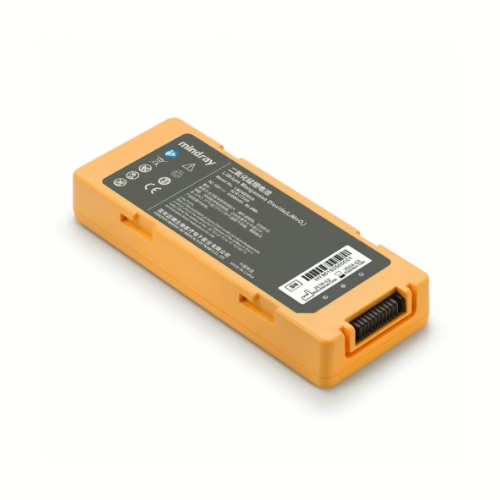
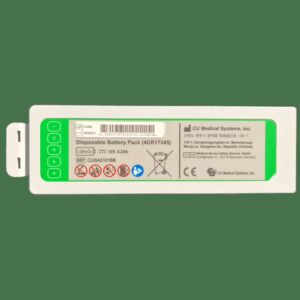
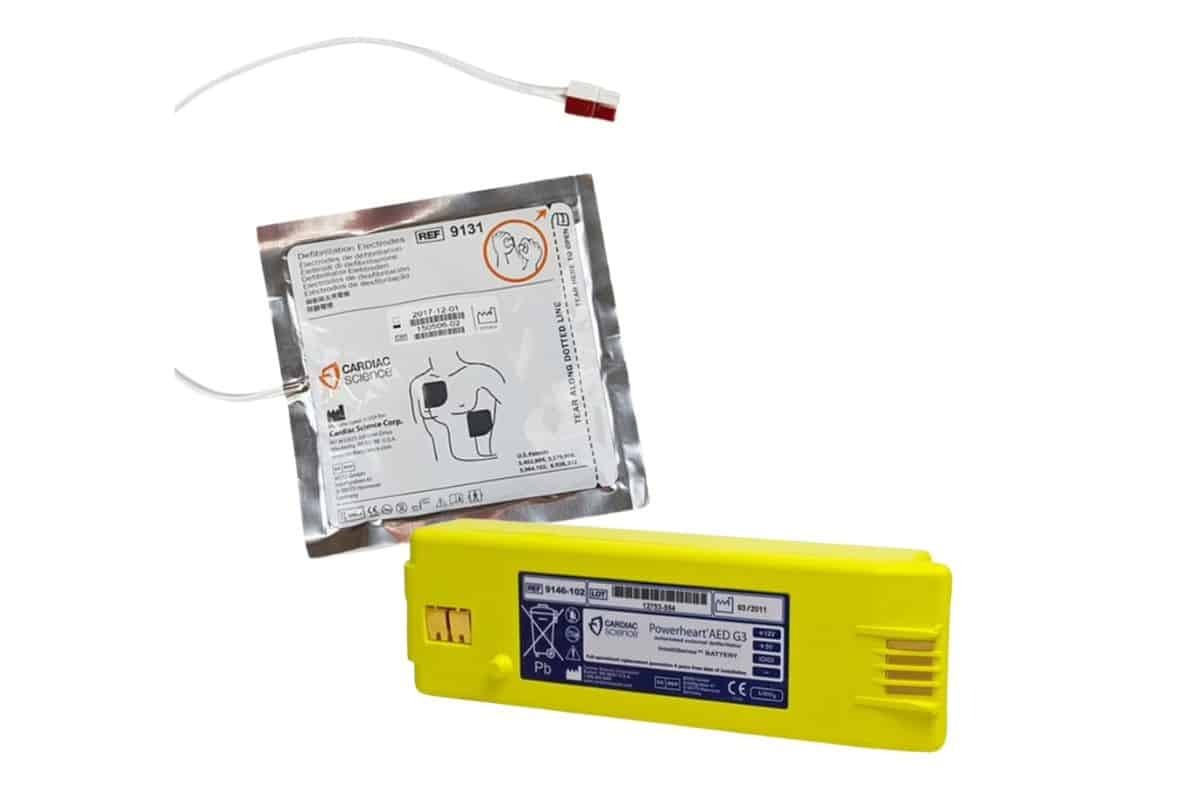
The defibrillator battery check is one of the most important elements of the checklist. The battery is not only responsible for administering the shock, but also for all the checks and audible instructions.
Most AEDs have a battery status indicator that will display a green light if it is okay, but flash and even give an audible warning if there is a fault. You checklist should include:
- Confirm the status indicator is green (or whatever your unit’s manual says is normal).
- Check on the battery’s expiry date and remaining life span. Most batteries last around 5 years.
- Replace batteries if required, or plan replacement in advance.
Of course, if a unit’s battery is depleted, it won’t be able to inform you of faults or perform self-checks, so being proactive can help a lot.
2. Checking Consumables
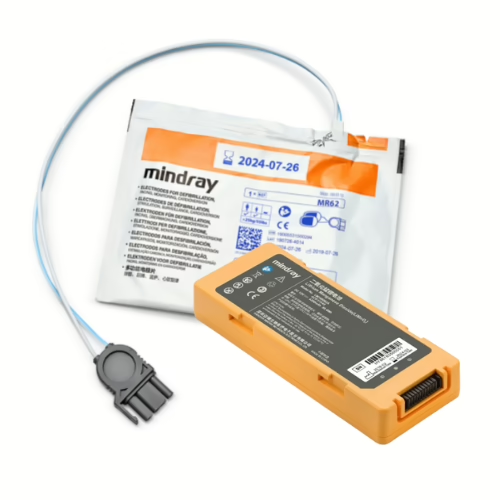
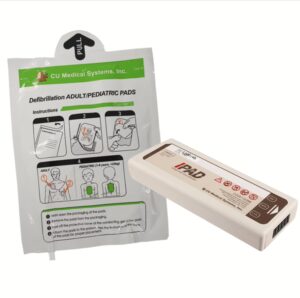
Electrode pads are single-use and will have limited lifespans even if not used. The typical life span of unused pads is 2 to 5 years, depending on the model. Your safety checklist should include:
- Check the expiry dates of your electrode pads.
- If you have spare pads, ensure they are stored with the AED.
- Replace pads if required, or plan replacement in advance.
Ideally, your checklist should include a column to track expiry dates, to ensure they are being consistently monitored.
3. Visual & Functional Testing
Despite the automatic checks the AED unit carries out, a manual visual check should be conducted once a week. This is to check on the status of the units and assess any obvious visual damage to the units storage box. Damage to the storage box may have a knock-on effect and cause damage to the AED unit.
Your safety checklist should include:
- The AED is intact with no visible damage.
- The status indicator is showing ‘ready/ok status.’
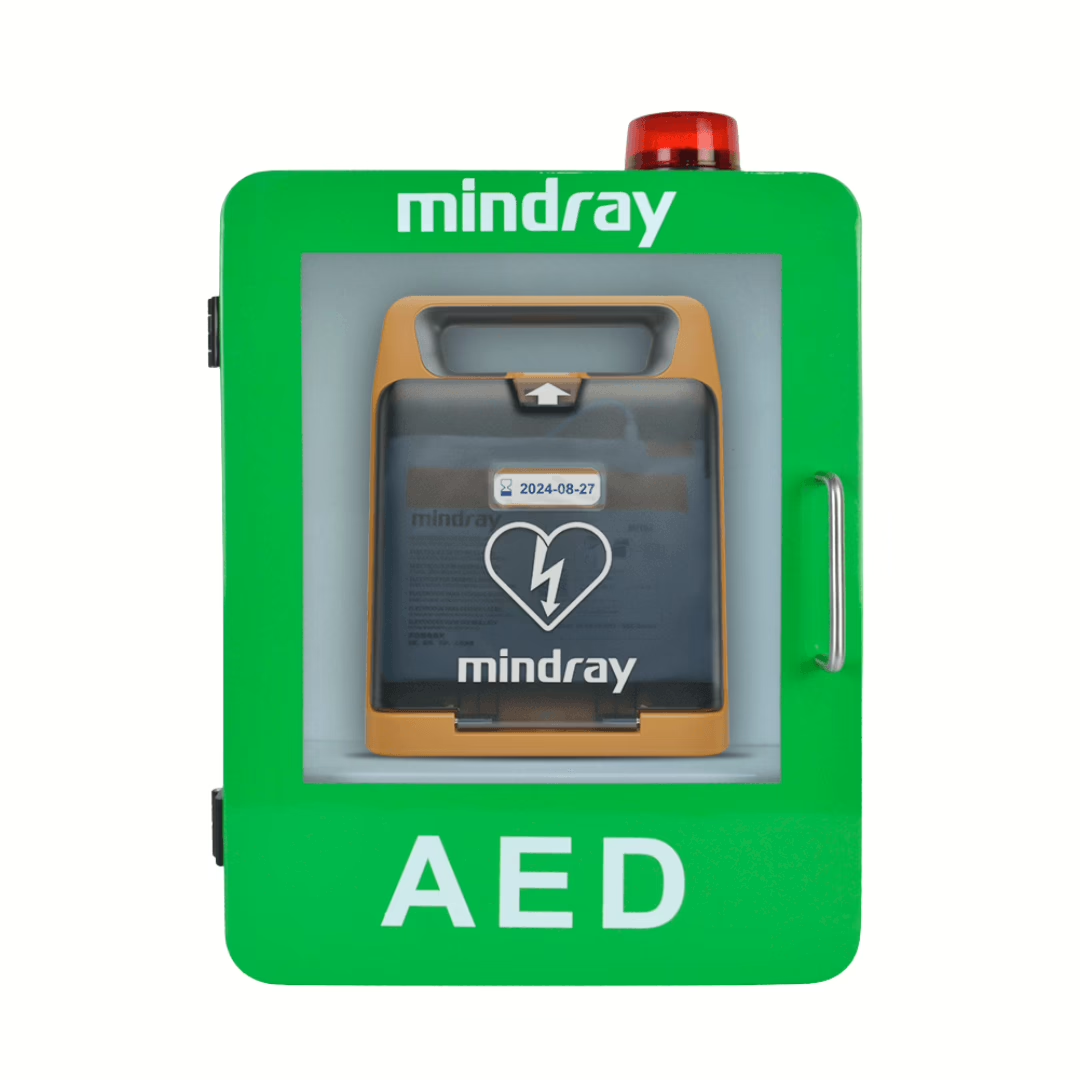
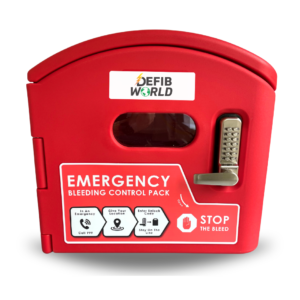
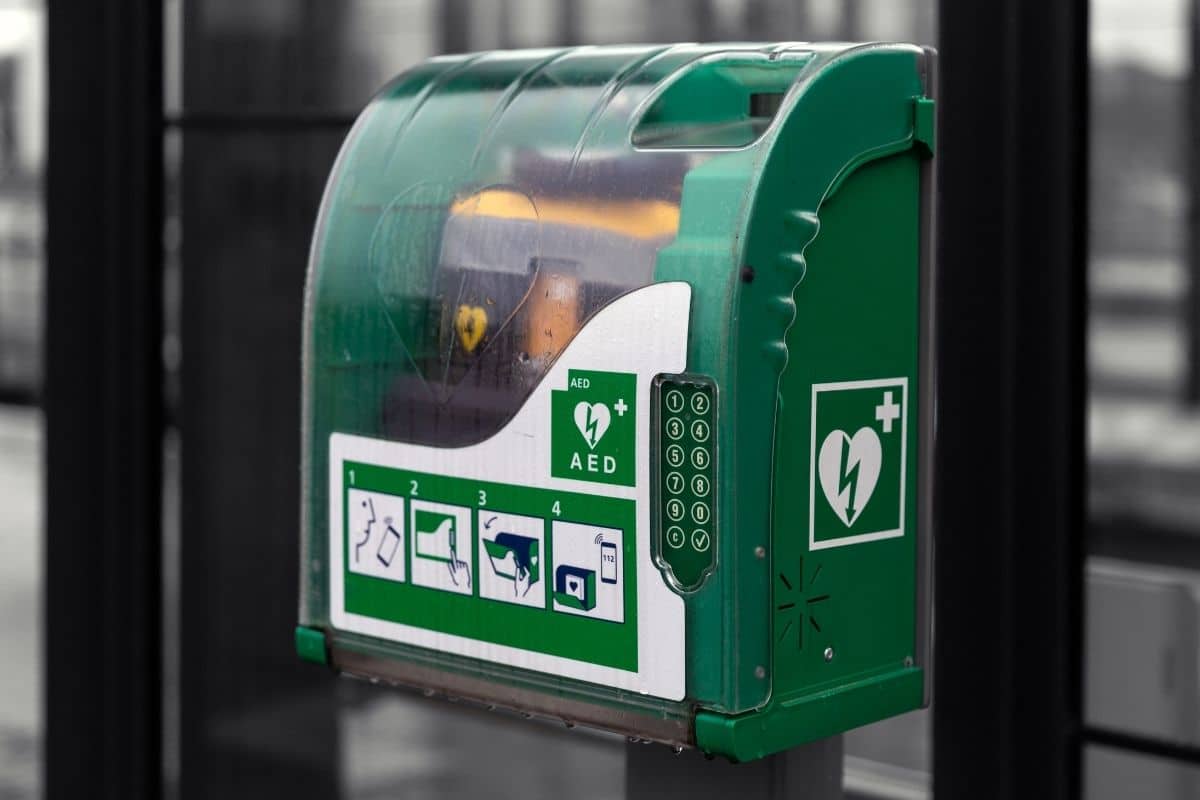
- Storage is intact, and any signage is visible.
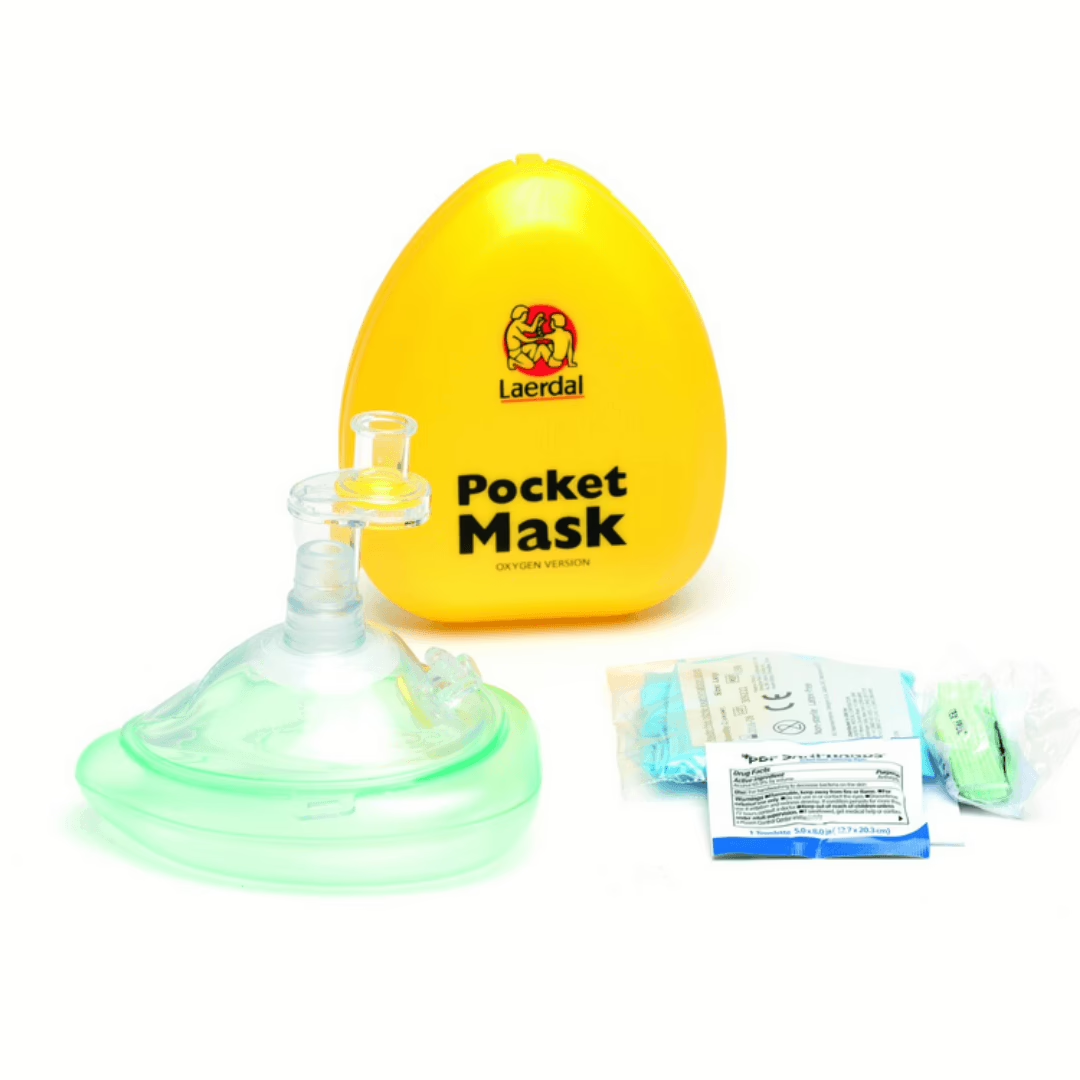
- All required accessories are present.
These checks are not only for the unit itself, but for the accessibility of the unit. In an emergency, being able to quickly find the unit and access it is just as important.
4. Logging, Testing & Maintenance
A defibrillator checklist should be contained within a logbook, so you are able to record checks. You should include the following information in your logbook:
- Date and results of each check.
- Any replacements or servicing needed, or carried out.
- Record any issues or faults.
For proper maintenance and due diligence, a logbook is essential. In addition, recurring issues might signal to you that professional maintenance is required.
5. Professional Servicing
Your logbook should also be used to track when annual maintenance is recommended, or per the manufacturer’s instructions. A trained technician can perform firmware updates and a full functional inspection, going beyond the normal visual inspection. This will ensure your AED is compliant with best practices.
Putting this in your logbook will ensure you do not miss this critical step.
How Much Does a Defibrillator Battery Cost
It is a commonly asked question, but it largely depends on the make and model of your AED. Including VAT, the cost can range from £235 to £400+. When you consider that some batteries can last up to 7 years, the cost is very manageable.
On the other hand, pads range from £35 to £200, including VAT. With an unused life span of up to 5 years, the cost is also very manageable.
Finding the Right Defibrillator
Hopefully, this article helped you put a consistent checklist into place, ensuring that a defibrillator is always ready for an emergency.
Need a defibrillator for your space? We have an extensive range for all your needs.
If you need your defibrillator serviced, get in touch on 0333 554 6477, or send us an email.