















































.jpg)


Guide to Defib Pads: How Long Do Defibrillator Pads Last?
If you are responsible for a defibrillator in your school, workplace, or community setting, one of the most important questions is: how long do defibrillator pads last? The electrode pads are the crucial link between the AED and the person in cardiac arrest; without functioning pads, the device cannot operate effectively.
At Defib World, we’re committed to providing you with expert guidance on pad lifespan, expiry dates, responsible disposal in the UK, compatibility concerns, and how to ensure your device is truly ready when every second matters.
Why Defibrillator Pads Matter
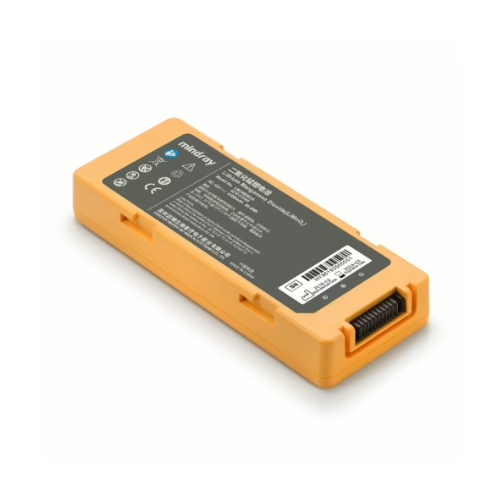
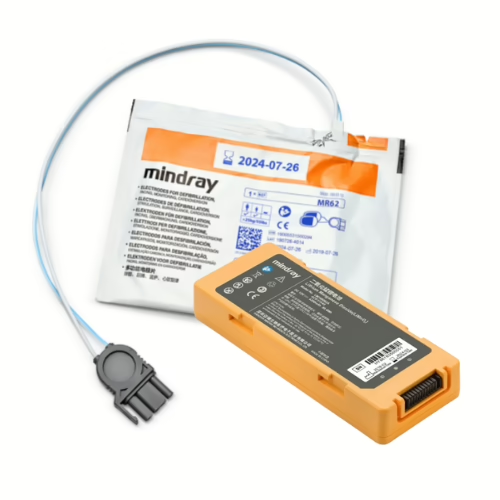
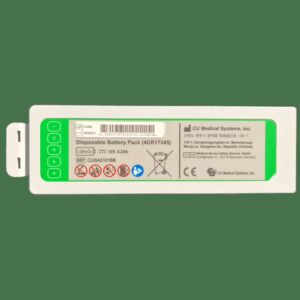
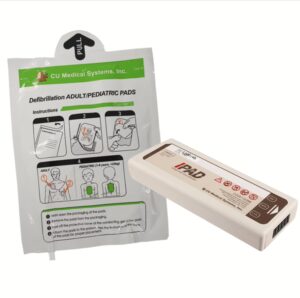
The adhesive electrode pads on an AED stick to the casualty’s bare chest and form the pathway for delivering an electric shock (or for the device to detect a shockable rhythm). According to St John Ambulance, both the pads and the battery have a specified shelf life and must be replaced even if the AED has never been used.
If the pads are degraded, detached, or out-of-date, the AED could fail to adhere properly or fail to deliver the shock reliably – severely compromising survival chances. In short, pads are not just accessories; they are essential safety-critical consumables.

How Long Do Defibrillator Pads Last & When to Replace Them
Electrode pads typically have a shelf life of 2 to 5 years, depending on the AED model. St John Ambulance confirms that the usual lifespan of pads and batteries ranges from 2 to 5 years, depending on the defibrillator model. The British Heart Foundation (BHF) also recommends checking pads regularly and replacing them at least every two years.
Replacement intervals are determined by manufacturer instructions, storage conditions, and whether the AED has been used. Pads must always be replaced immediately after any use, even if no shock was delivered. Likewise, they should be replaced before expiry rather than waiting until the last moment to ensure reliability.
Do Defibrillator Pads Expire? And Can You Use Expired Pads?
Yes, electrode pads do expire, and using expired pads is not recommended. Over time, the adhesive gel can dry out, adhesive strength may drop, and electrical conductivity can degrade, all of which affect the AED’s ability to deliver a reliable shock.
St John Ambulance explicitly warns that using AED pads past their expiry date is not recommended because the adhesive may deteriorate, reducing the effectiveness of the electric shock.
NHS England also highlights that incompatible or degraded pads can delay treatment and reduce the chances of survival. If pads are expired, they might not adhere properly or allow the AED to sense the heart rhythm accurately. In an emergency, that could be the difference between a successful rescue and a failed one.
 Are All Defib Pads Compatible & How Many Pads Does a Defibrillator Have?
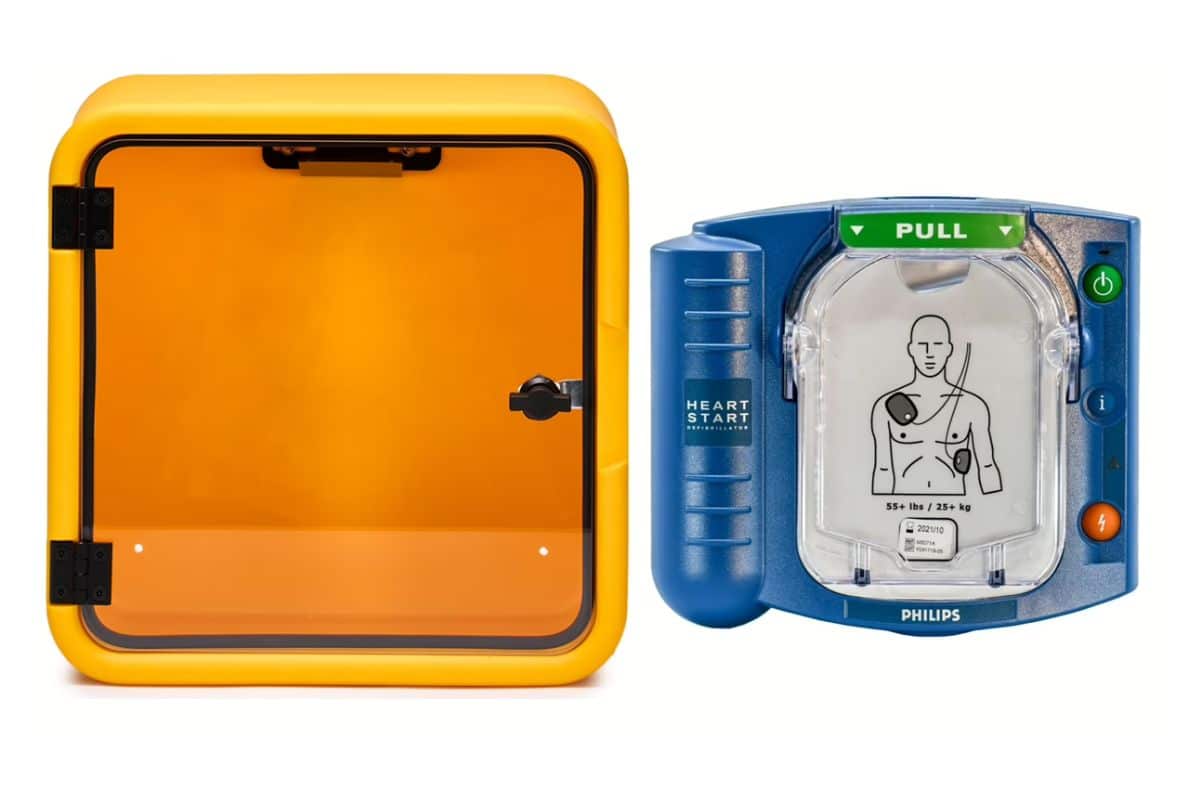
Not all defibrillator pads are compatible with every device. NHS England has reported incidents where pad-device incompatibility caused delays in treatment, highlighting the importance of only using manufacturer-approved pads for your AED.
Most defibrillators have a single pair of pads (one for the upper right chest, one for the lower left side). Some units include spare or paediatric pads, but for readiness, you should always have one full, compatible, in-date set installed. AED owners should budget for replacement pads and batteries when purchasing or maintaining a unit.
Practical Checklist for Defib Pad Management
To keep your AED in full working order, follow this simple UK-based maintenance checklist:
- Assign a guardian: Nominate a person responsible for checking the AED at least once a month.
- Check the expiry date: Confirm the electrode pads and batteries are within their shelf life
- Inspect the device: Ensure the AED’s self-test indicator shows it’s operational and that accessories (scissors, gloves, razor, wipes) are present.
Record maintenance: Log the install date, expiry date, and batch number of each pad set. - Replace after every use: Even if no shock was delivered, always replace pads after deployment.
- Store correctly: Keep the AED in a clean, dry, temperature-controlled environment — outdoor units should be housed in a weather-protected cabinet.
- Dispose safely: Cut wires before discarding pads, and follow your local authority or organisation’s clinical-waste policy for used pads.
- Order from trusted suppliers: Always use authorised sources like AED Replacement Pads | Defib World to ensure compatibility and certification.
- Stay informed: Visit our Knowledge Hub for more guides on maintaining and managing your AED.
Defibrillator pads are essential consumables with a limited lifespan, typically between two and five years in the UK. They expire and degrade over time, requiring replacement after any use to ensure your AED functions correctly. Safe disposal and proper compatibility are crucial for reliability, and regular inspections should be included in every AED maintenance schedule.
At Defib World, we assist organisations across the UK in remaining fully rescue-ready. We provide manufacturer-approved replacement pads, maintenance guidance, and dependable after-sales support to ensure your AED stays compliant and reliable.
Order online today via our AED Replacement Pads page and make sure your AED is ready to save lives when every second counts.