
Updated on 30/12/25
As we approach our coldest part of the year in the UK, and the below-freezing temperatures start to set in, it’s more essential than ever that you have the correct protection for your defibrillator and equipment against all the elements.
Not only do cold temperatures increase the likelihood of hypothermia — which can lead to sudden cardiac arrest (SCA) — but weather extremes may also negatively affect the performance of your Defib. Even if an AED has received all relevant updates, defibrillators and their accessories can be severely affected by cold temperatures and other environmental conditions.

The Ideal Operating Temperature for Defibrillators
For optimal performance, it is recommended that your defibrillator is stored at a temperature of 0°C to 50°C. Defibs that are too cold may also fail to operate, rendering them useless in emergency situations.
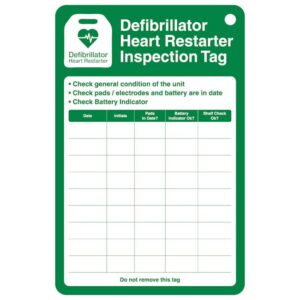
If any of your device components aren’t working, the readiness indicator on your defibrillator changes from what you usually see. For some models, you may notice the readiness indicator turned from green to red (Cardiac Science, for example) or changed to a cross from a tick. In some units, you may also hear a beeping noise to indicate that attention is required.
If you aren’t sure what noises or buttons are showing, we are always happy to assist, so please contact us if you’re not too sure.
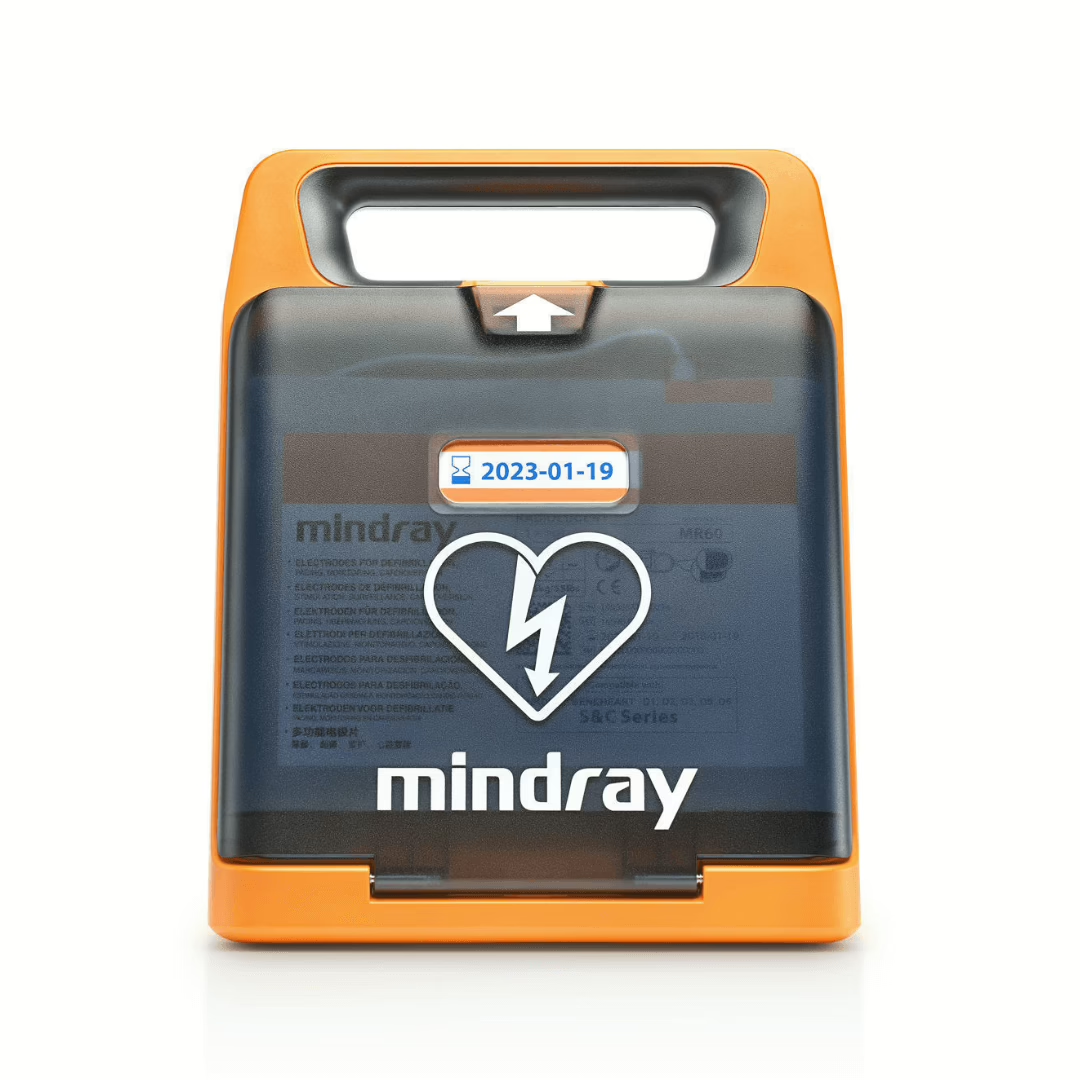
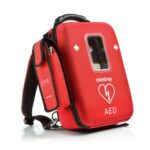
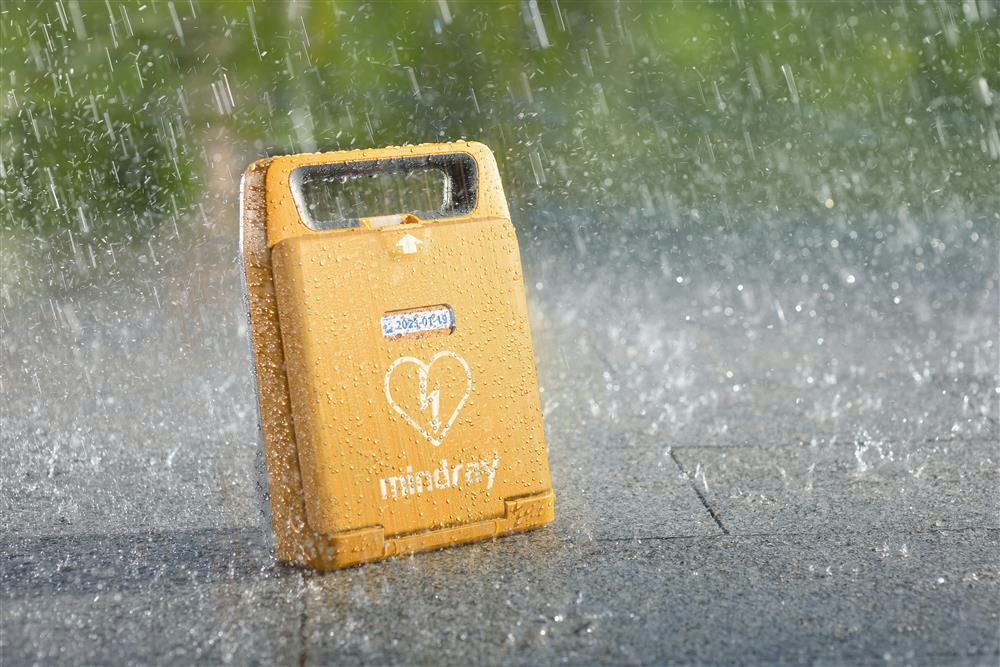
Fortunately, most AEDs, like the Mindray C1A, perform daily self-checks to ensure that all its essential components are operational.
How to Store Defibrillators in Below-Freezing Temperatures
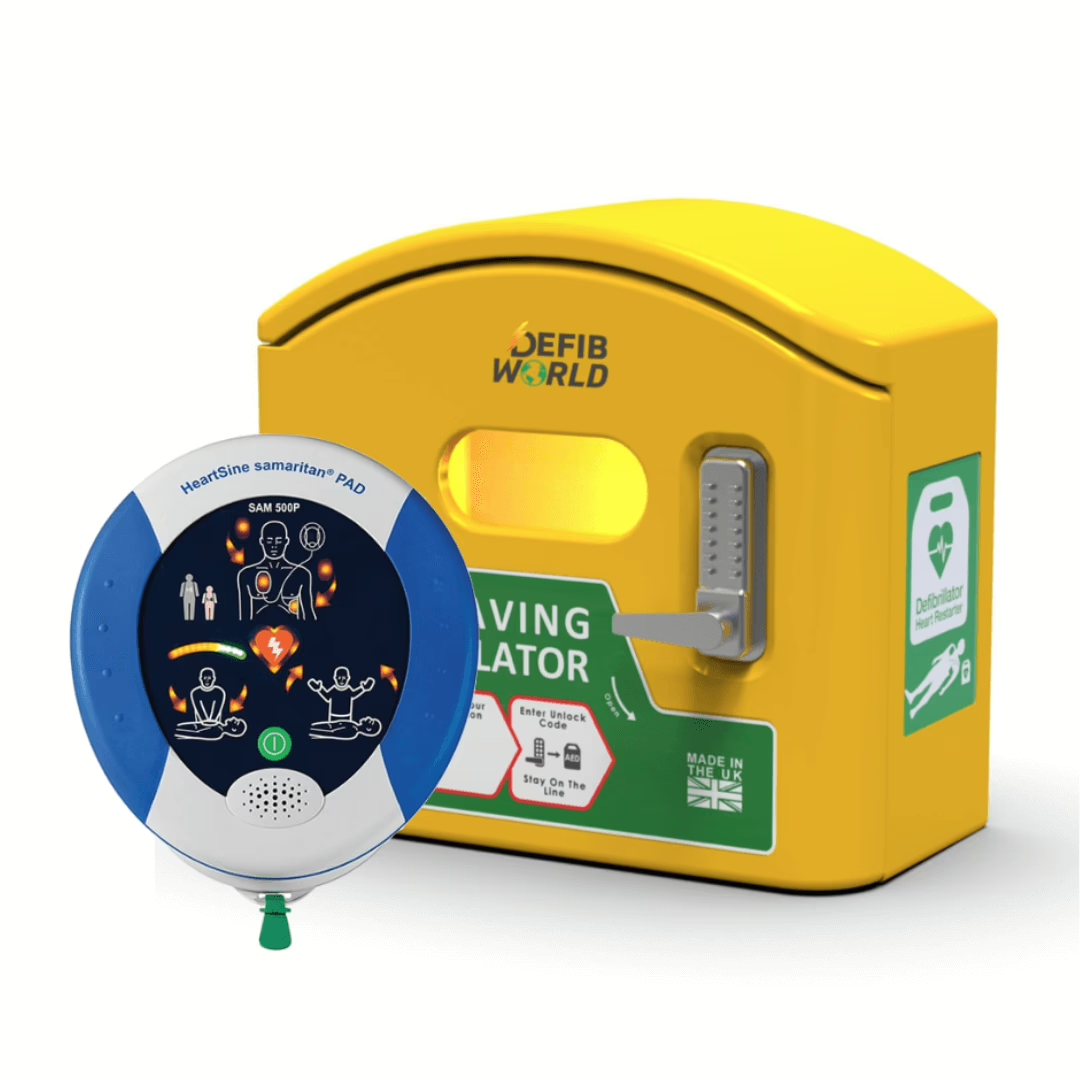
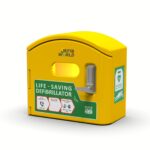
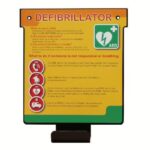
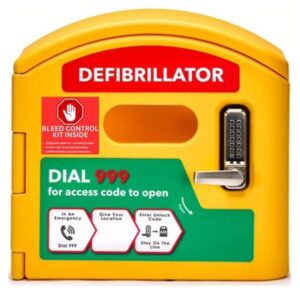
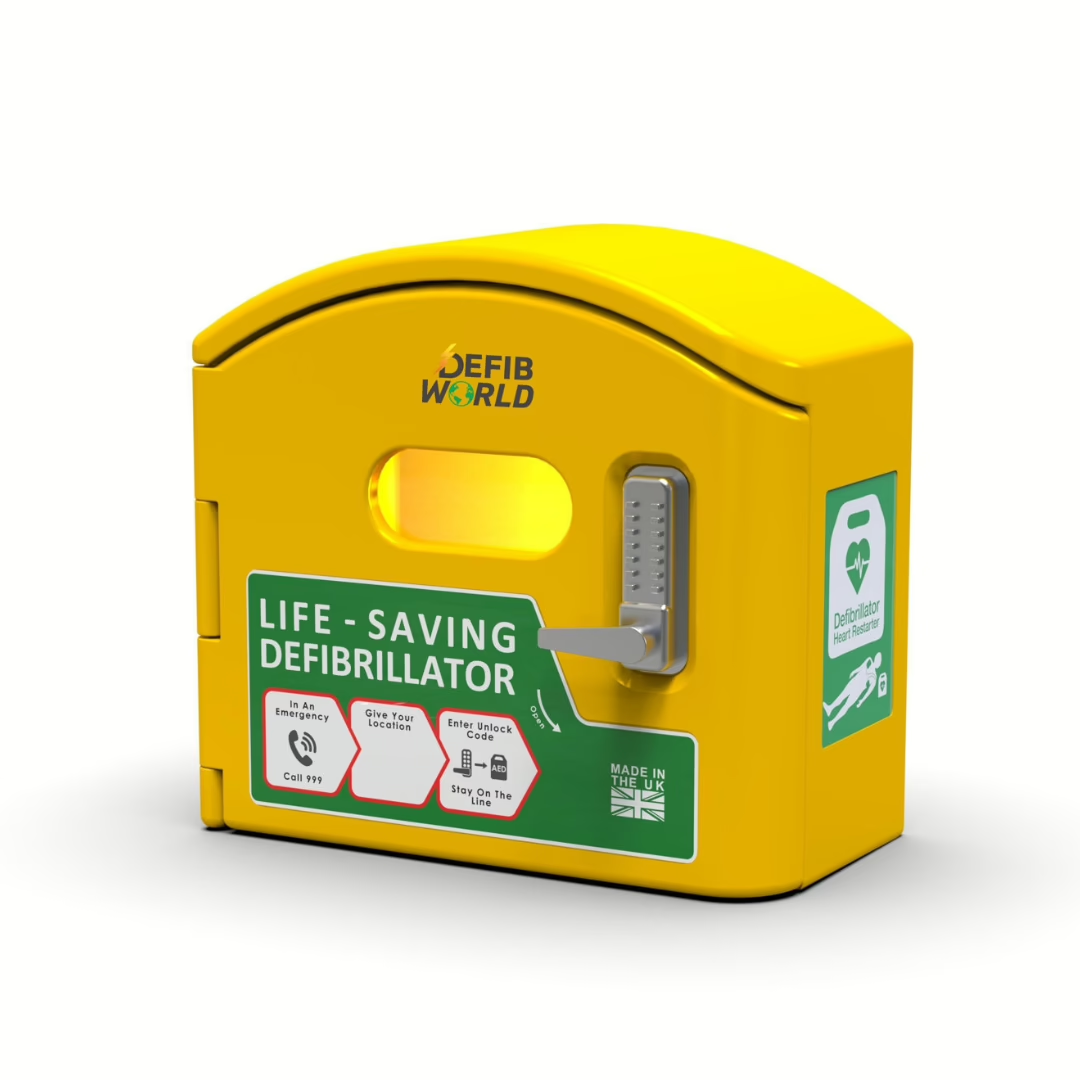
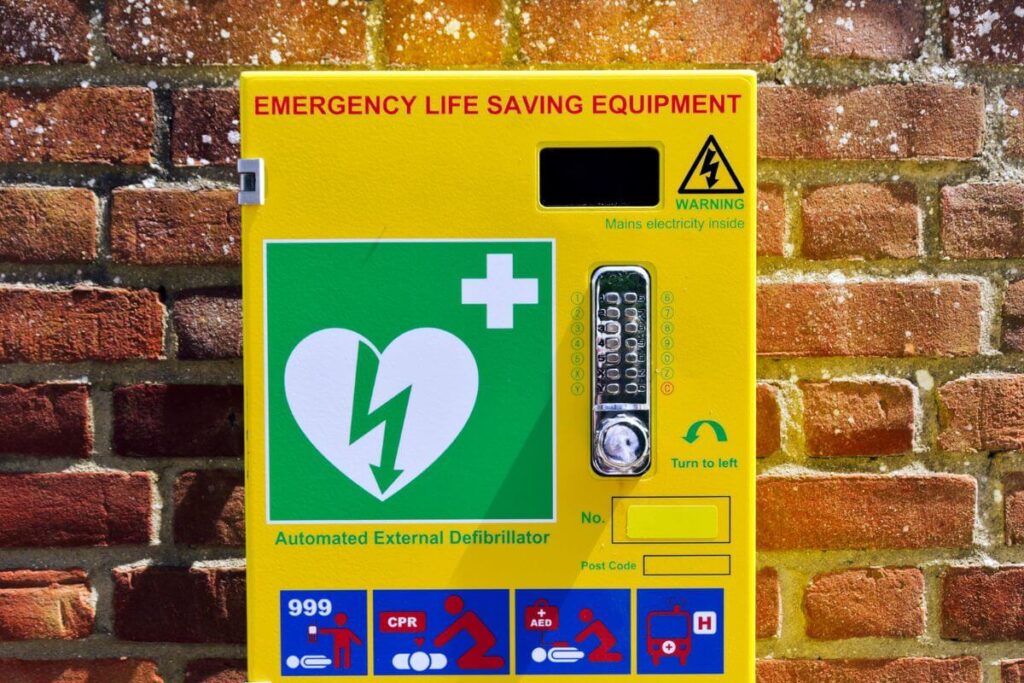
With most public access defibrillators being stored outside to make them accessible any time of day in the event of an emergency, it is important that if you choose to store your AED outside, make sure that you invest in an appropriate cabinet for your device that will shelter it from temperatures below freezing (and heat too).
To keep your defibrillator functioning during the winter when stored outdoors for public access, you will need an outdoor heated cabinet. This protects the defib and adjusts accordingly to ensure your life-saving device is kept at the right operating temperature and ready for use in an emergency at all times. This means you will need to have access to a power supply! Planning to install a public access defibrillator? Browse our outdoor packages.
For AEDs stored in vehicles, make sure to routinely check the unit for readiness. If the AED is chirping or displaying a service needed status indicator, take the unit indoors. Once it has a chance to warm up, if it’s still beeping, contact the manufacturer or reseller for further instruction.
Protecting Defibrillator Accessories from Low Temperatures
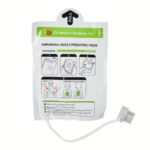
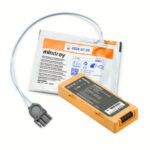
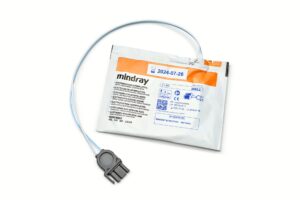
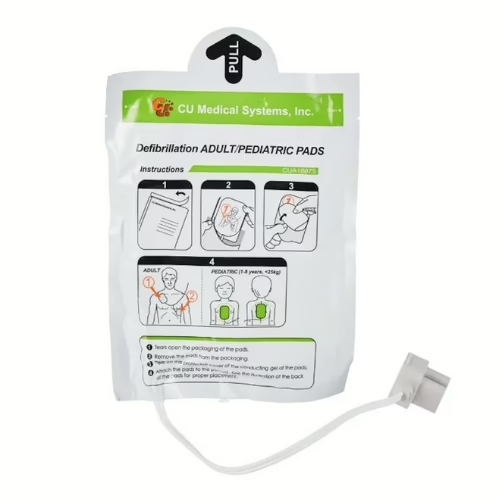
Defibrillator pads are a core component, as they allow your defibrillator to analyse heart rhythms and deliver a life-saving shock when required. If defib pads are exposed to cold, the gel on the adhesive pads can freeze, rendering them unusable in a cardiac emergency.
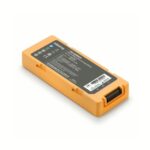
Batteries are a main component as they provide your defibrillator with power to function and deliver life-saving treatment. It’s essential to ensure your device is ready and able to perform its daily, weekly, and monthly self-checks to remain fully operational. There is a risk that cold weather will drain batteries, which in turn can affect how your device performs.
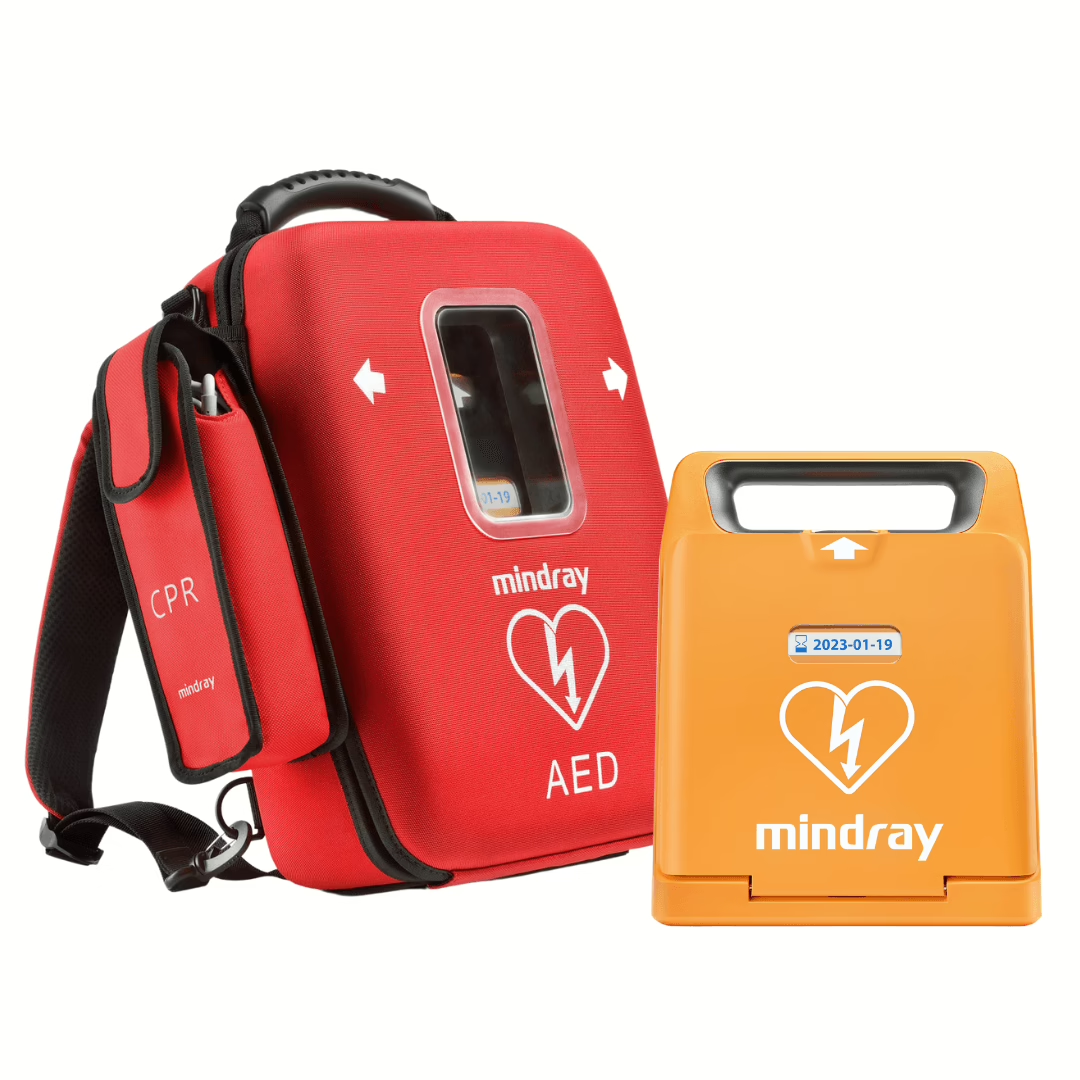
If you keep a defibrillator in your car or work vehicle, insulated cases can help protect it from temperatures below freezing. You may also want to invest in an extra battery, because cooler temperatures are extra hard on your battery! View our range of batteries.
Shop the unlocked: DefibSafe 2 External Unlocked Cabinet – Defib World
Shop the locked: DefibSafe 2 External Cabinet – Defib World