


































.jpg)


Please remember, if you need assistance or have any questions, call us on 0330 223 6336 or drop us an email at sales@defibworld.org
- Published:18 October 2024
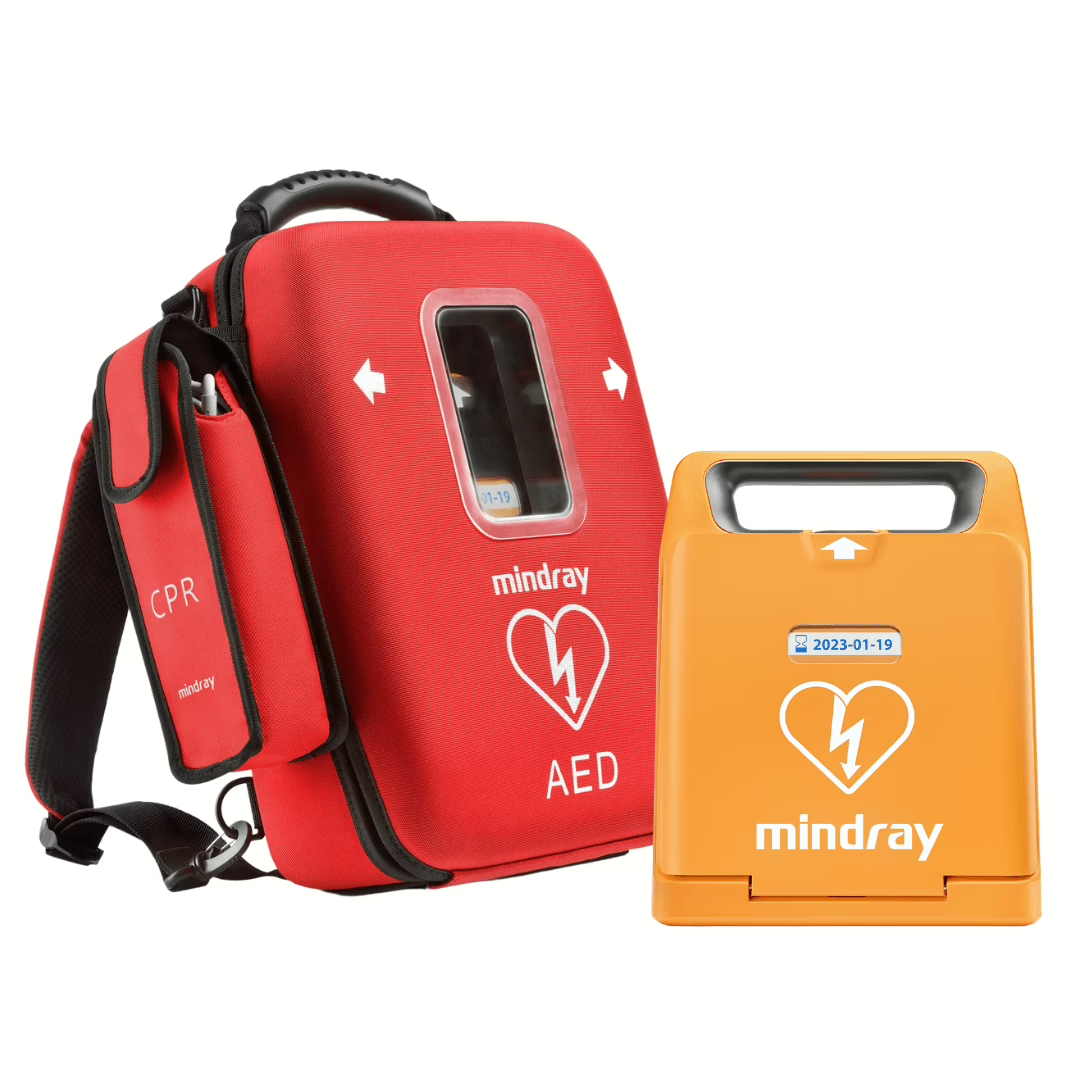
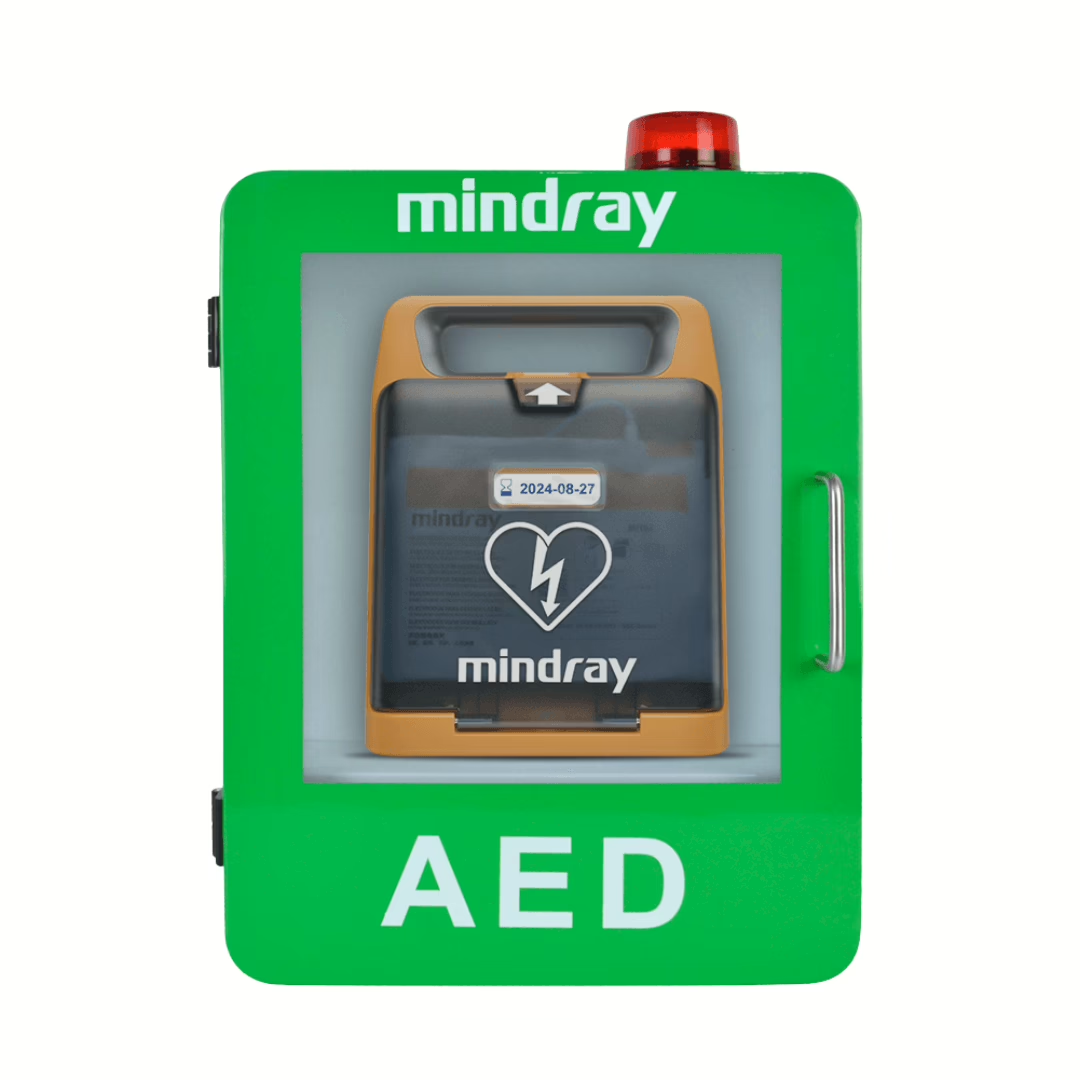
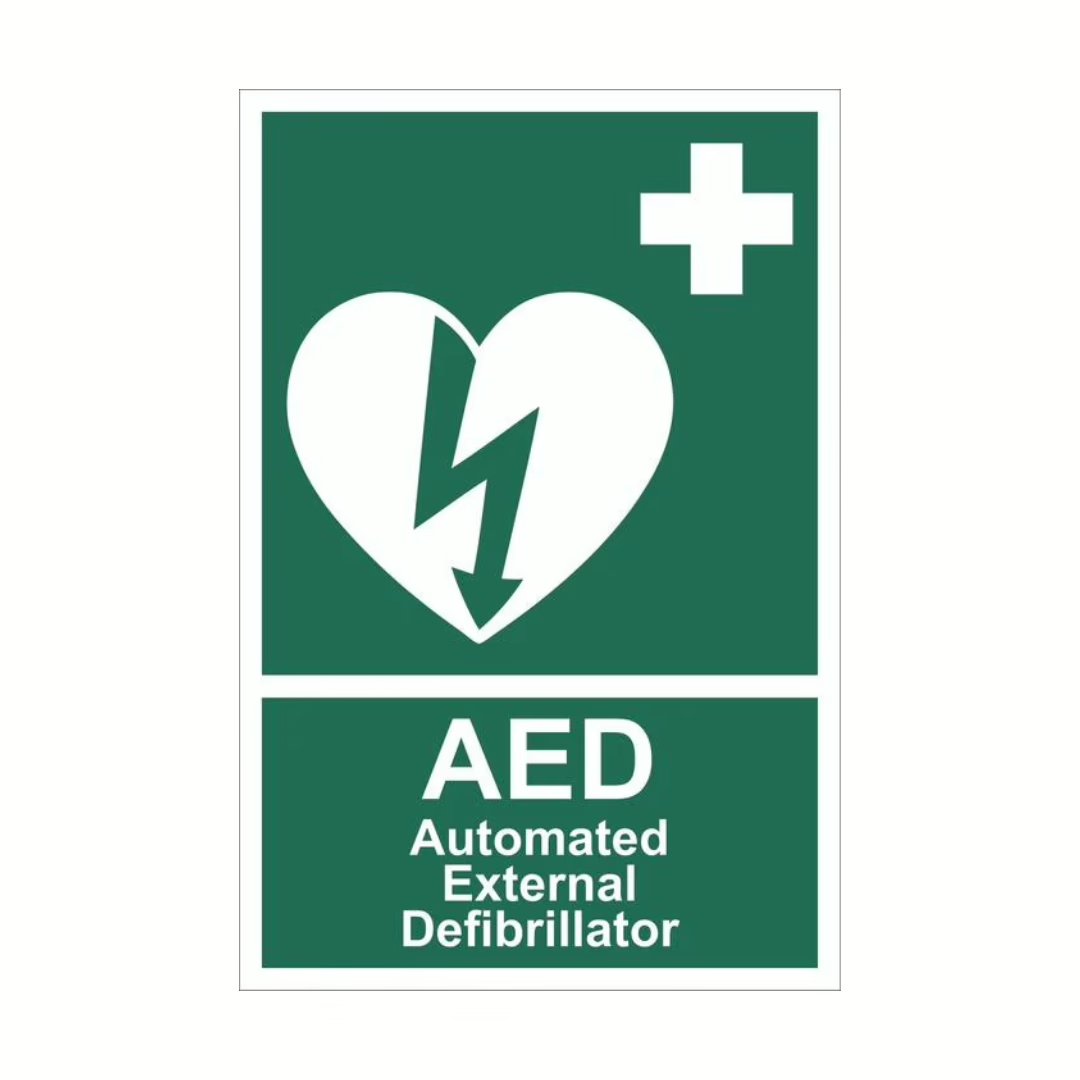
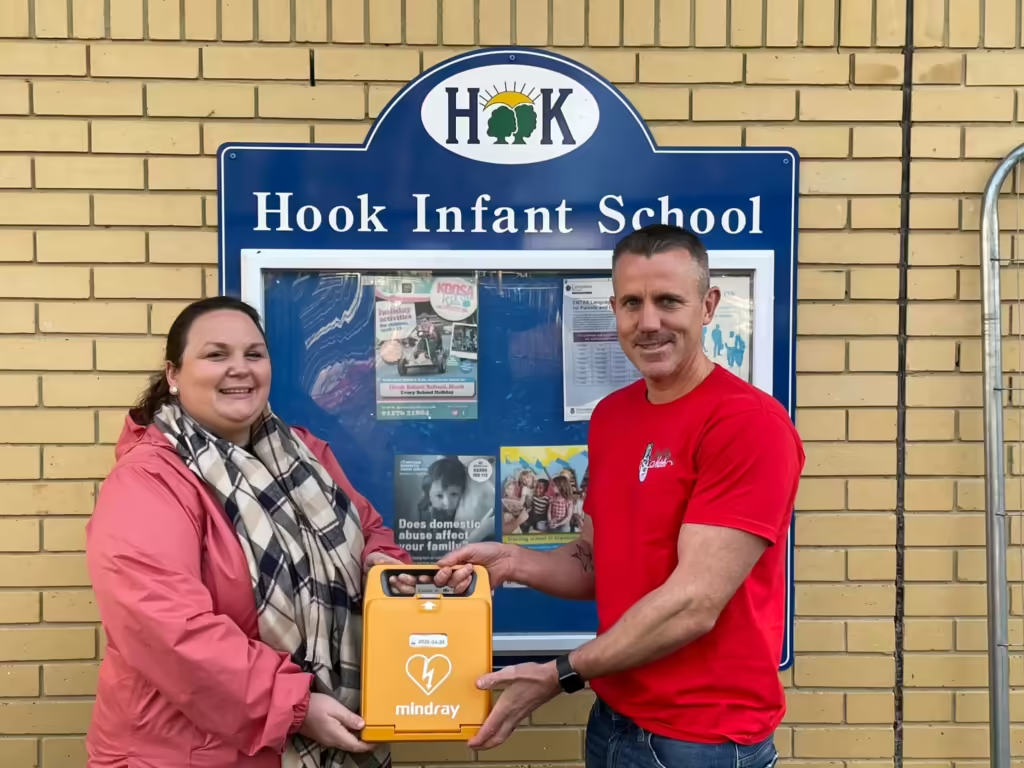
Across the UK, school defibrillators are essential for safeguarding students and staff. Although school days are busy with lessons, sports, and play, it’s easy to forget how swiftly a medical emergency like sudden cardiac arrest (SCA) can occur. Having an Automated External Defibrillator (AED) on-site ensures your school is ready and can save lives when every second matters.
Why Are Defibrillators Critical in Schools?
Sudden cardiac arrest is often associated with adults, but statistics show that it can affect children and teenagers as well. In fact, SCA is one of the leading causes of death in young athletes and students. Having Automated External Defibrillators (AEDs) in schools can dramatically improve the chances of survival in such emergencies.
Studies show that every minute after an SCA decreases the chances of survival by 10%, but immediate access to a defibrillator can double or triple survival rates. When it comes to saving lives, rapid response is vital, and having an AED readily available in schools can make all the difference.
The Need for AEDs in Schools
Every school day offers numerous moments of learning, activity, and connection, but it also involves the responsibility of ensuring the safety of students and staff. One often-overlooked aspect of school safety is preparedness for sudden cardiac arrest (SCA). Having defibrillators on-site isn’t merely a precaution; it’s a vital measure that enables a swift response when every second matters. The reasons are clear:
Growing Number of Cardiac Cases Among Youth
Cardiac events are no longer rare among young people. Congenital heart conditions, undiagnosed heart issues, and even trauma during physical activities can lead to sudden cardiac arrest. In such cases, time is critical, and having a defibrillator nearby can mean the difference between life and death. Schools, with their high density of students and staff, must be prepared for the unexpected.
Sports and Physical Education Risks
Sports and physical activities, though necessary for students’ development, can put some students at a higher risk for cardiac emergencies. Student-athletes, in particular, are more susceptible to SCA during strenuous activities. This makes AEDs a necessity in gymnasiums, sports fields, and any location where physical activities take place.
Immediate Response Saves Lives
Emergency medical services (EMS) are crucial, but even the fastest response time may not be quick enough to save someone experiencing cardiac arrest. Immediate access to a defibrillator increases survival chances significantly. With training and AED placement in schools, students, teachers, and staff can respond promptly before professional medical help arrives.
How AEDs Work and Why They’re Essential in Schools
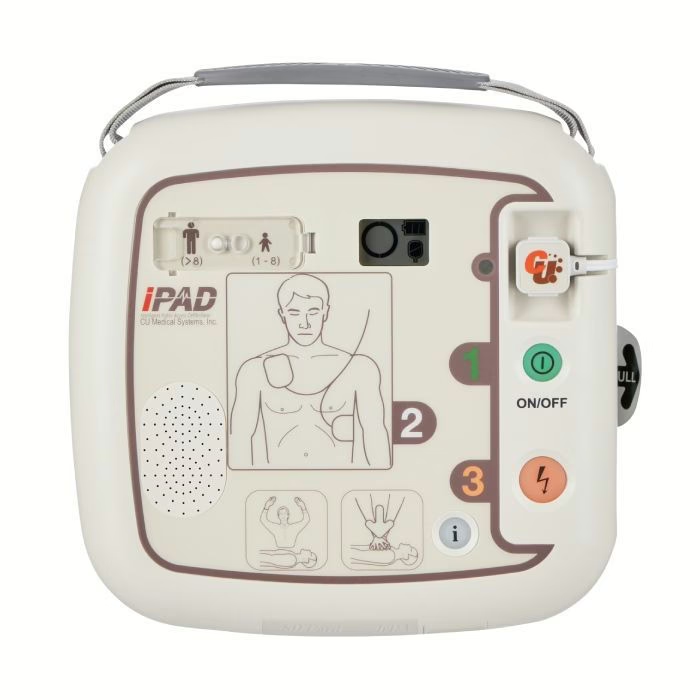
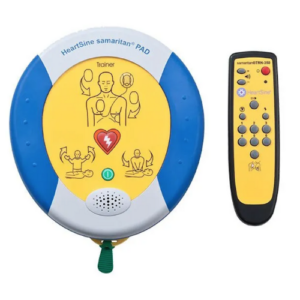
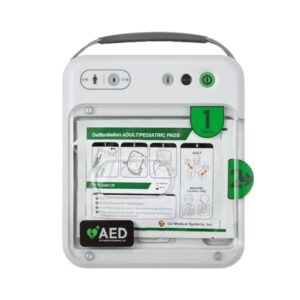
Automated External Defibrillators (AEDs) are designed for use by non-medical personnel. They are user-friendly, providing voice prompts and instructions to guide users step-by-step through the process of delivering a shock to restore the heart’s normal rhythm. AEDs analyse the heart’s rhythm and determine whether a shock is necessary. These devices are crucial during the critical moments following a cardiac arrest.
Schools should ensure that AEDs are:
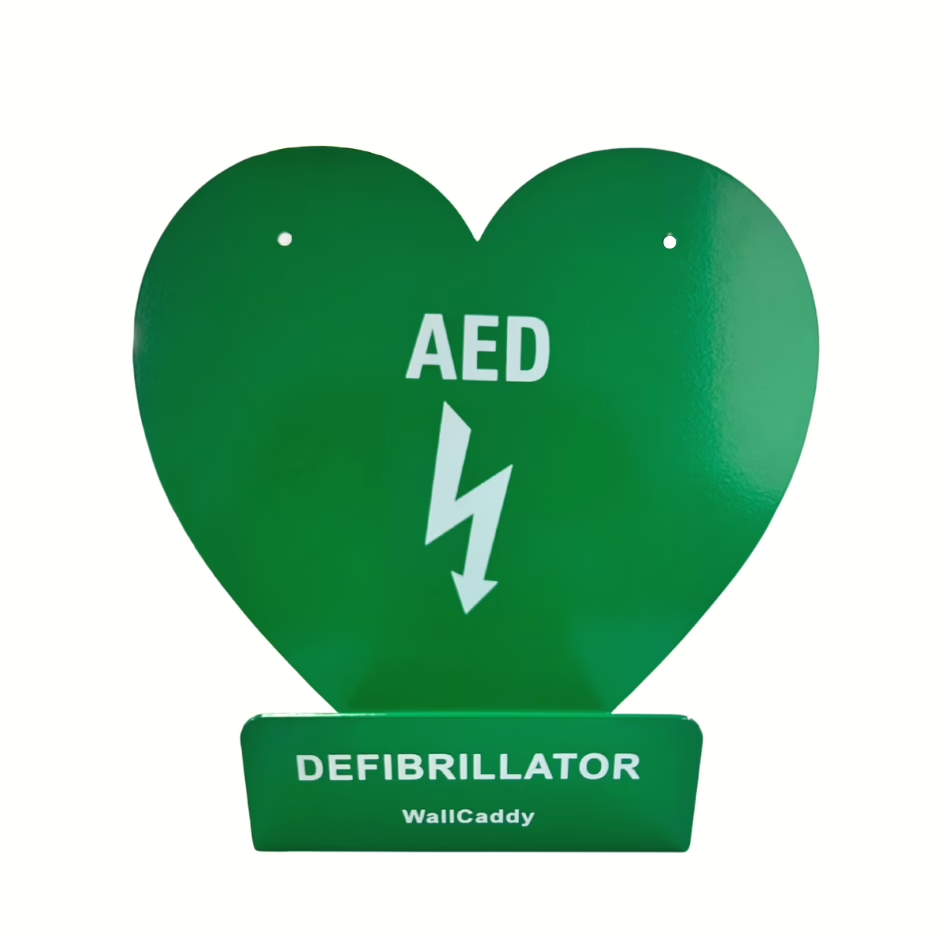
- Visible and Accessible: AEDs should be placed in easily accessible areas such as hallways, gymnasiums, and cafeterias.
- Regularly Maintained: Routine checks and maintenance ensure AEDs are ready for use in case of emergencies.
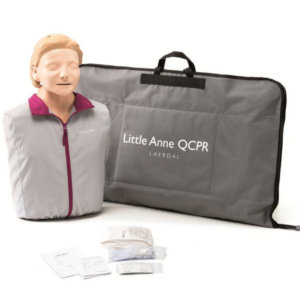
- Accompanied by Training: Teachers, staff, and even students should be familiar with AED use through regular defibrillator training.
Legal Requirements and Who Pays for Defibrillators in Schools
In the UK and other regions, regulations increasingly recognise the importance of having defibrillators in schools. Some areas already require AEDs to be installed in all public schools, while others strongly recommend them as part of emergency preparedness plans.
When it comes to who pays for defibrillators in schools, several funding options are available. Many local councils, charities, and national programmes offer grants or subsidies to help schools cover the cost of purchasing and maintaining AEDs. Community fundraising or sponsorships from local businesses can also provide valuable support.
At Defib World, we help schools navigate these options from identifying funding opportunities to providing affordable AED packages and guidance on training and maintenance. By ensuring compliance and accessibility, schools can create safer environments for students, staff, and visitors alike.

- 18 October 2024
Where It Matters Most: Home, Sweet Home
When people think of cardiac arrests, they often imagine high-stakes drama in public places: a gym, a restaurant, or maybe a crowded sports stadium. But here’s a shocker: 80% of cardiac arrests happen at home. That’s right—in the very place you feel the safest.
If you think defibrillators are only necessary in public spaces, think again. Having one in your home might be the difference between life and death. Defib World ensures families understand this by offering easy-to-use home defibrillator models. The goal? Empower people to take control of their own safety and be prepared for the unexpected.
The 5-Minute Window: Race Against Time
The first five minutes after a cardiac arrest are make-or-break. It’s during this window that defibrillation can turn a dire situation around. Studies show that defibrillation within 3-5 minutes boosts survival rates to as high as 75%. That’s not just a statistic—it’s a lifeline.
Think of it this way: every home and public space should have a defibrillator, just like fire alarms. It’s about creating a culture of readiness. Defib World provides the technology and spreads awareness of the importance of knowing where your nearest AED is and how to use it. It’s about making those critical minutes count.
Your Next Move: Be The Unexpected Hero
We all love stories about everyday heroes who stepped in during a crisis and saved a life. But those aren’t just tales from TV dramas. They’re real, and they happen more often than you’d think.
Take the story of a local sports coach who used a defibrillator to revive a player during a match. Or a neighbour who saved someone in their residential complex using the defibrillator installed in the building’s common area. These stories prove that it’s not just the technology that matters, but also the people who are prepared to act.
With Defib World, you can be that person. Through regular community training sessions, they make sure you’re not just a bystander, you’re the game-changer.
The Future Is Here: Smarter, Faster, Easier
The defibrillator of today is already a marvel of technology, but guess what? It’s only getting better. The next generation of defibrillators could communicate with emergency services, sending real-time data about the patient’s condition before the paramedics even arrive. Talk about teamwork.
At Defib World, the focus isn’t just on making defibrillators available. It’s about constant improvement—finding ways to make these devices more intuitive, portable, and accessible. The vision? A world where defibrillators are as common as smartphones and just as easy to use.
Are You Ready to Save a Life?
Here’s the heart of the matter: defibrillators save lives, but only if they’re used quickly and correctly. Having a defibrillator nearby isn’t enough, whether at home, work, or community. You have to be ready to use it.
Defib World is more than just a provider of cutting-edge technology. It’s a movement bringing knowledge, confidence, and life-saving tools into the hands of everyday people. Every success story reminds us that the power to save a life can be right before us.
So here’s the real question: Are you prepared?