
You may have wondered, “Do I need training to use a defibrillator?” because this is one of the most common questions we get.
In an emergency situation, any hesitation can cost you valuable time, so it’s crucial to understand who can use a defibrillator so you can act fast.
Modern defibrillators are safely designed to be used by the public. In other words, you don’t need training to use a defibrillator. However, defibrillator training can help in emergencies, as you’ll have the knowledge and confidence to act faster, which makes all the difference when someone is unresponsive.
In this guide, we’ll go into more detail about what defibrillator training is available, how defibrillators are designed for public use, and the UK law you need to know.
What Is Defibrillator Training?
Before we delve into whether you need it and when it can be beneficial, let’s talk about what defibrillator training is.
Defibrillator training teaches you how to recognise cardiac arrest, understand how defibrillators work, and feel confident taking action in an emergency.
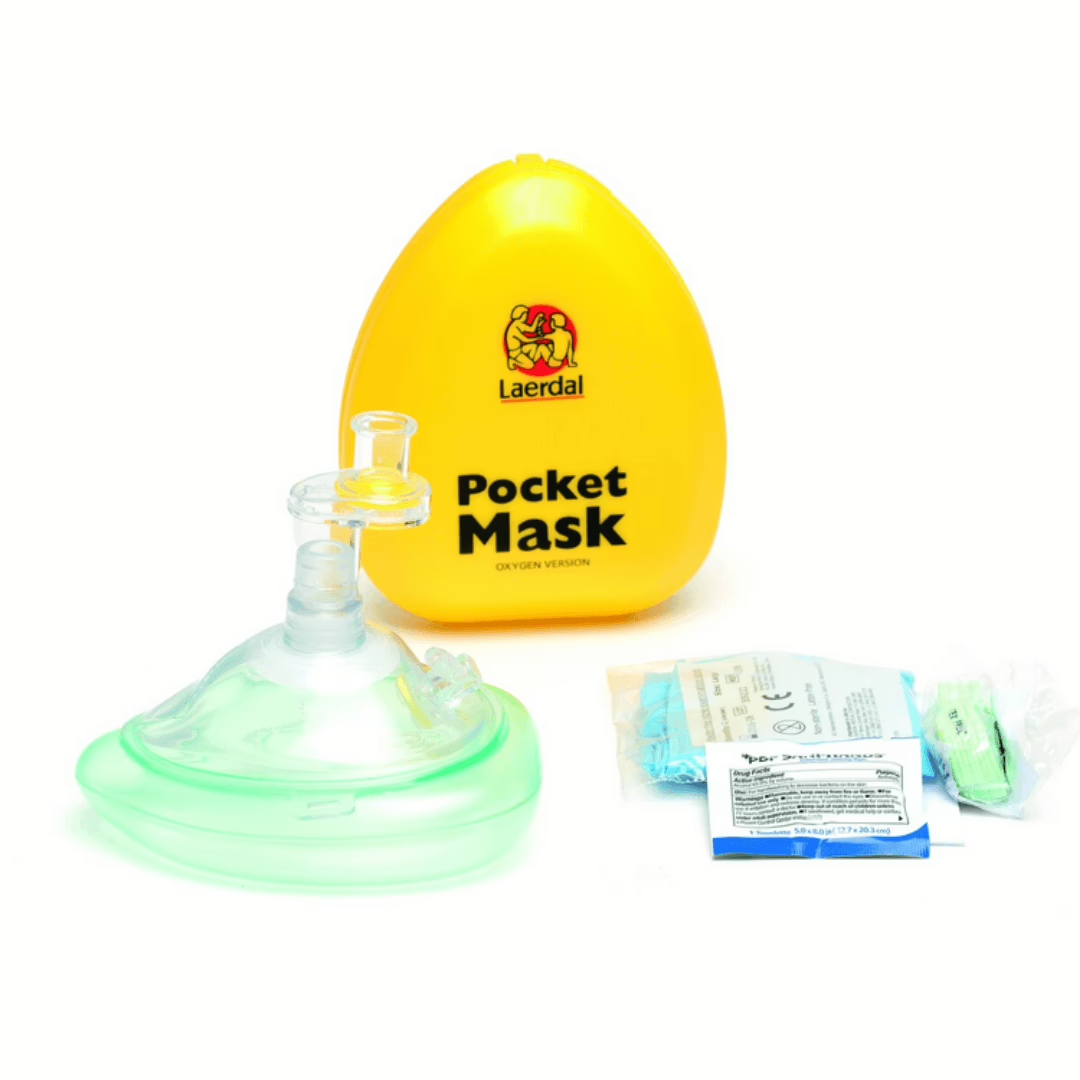
You’ll typically cover recognising the signs of cardiac arrest, when and how to call emergency services, performing Cardiopulmonary Resuscitation (CPR), and safely using a defibrillator.
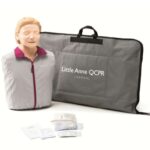
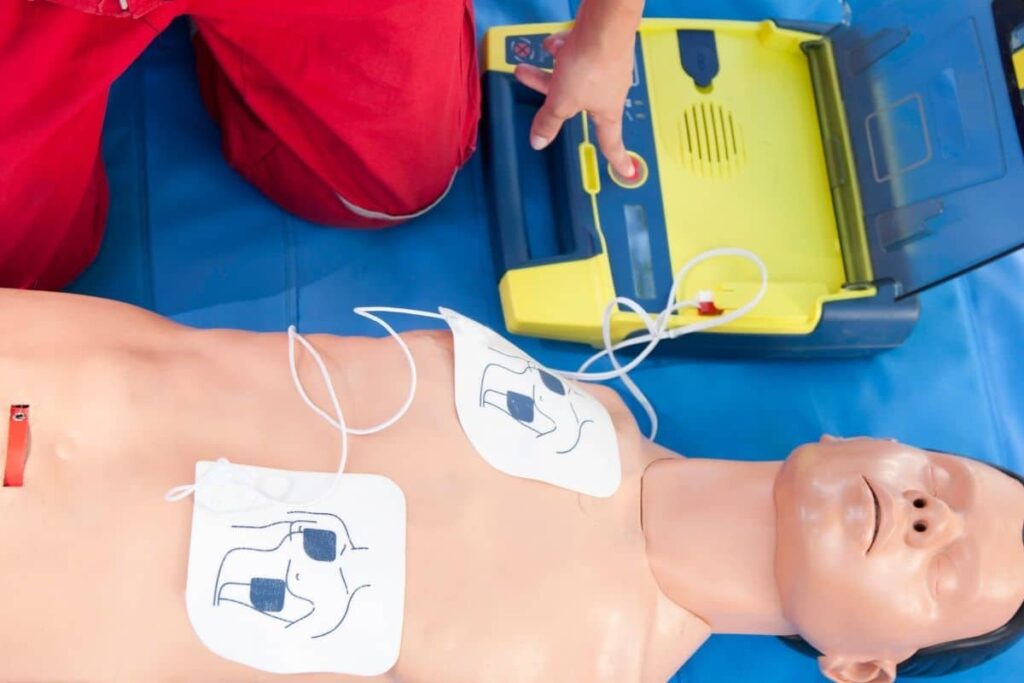
Training includes a detailed demonstration of how to switch on a defibrillator, where to place the pads and how to follow the instructions. Essentially, you get a hands-on experience of using one.
Do You Need to Be Trained to Use a Defibrillator?
No, you don’t need formal training to be able to use an Automated External Defibrillator (AED).
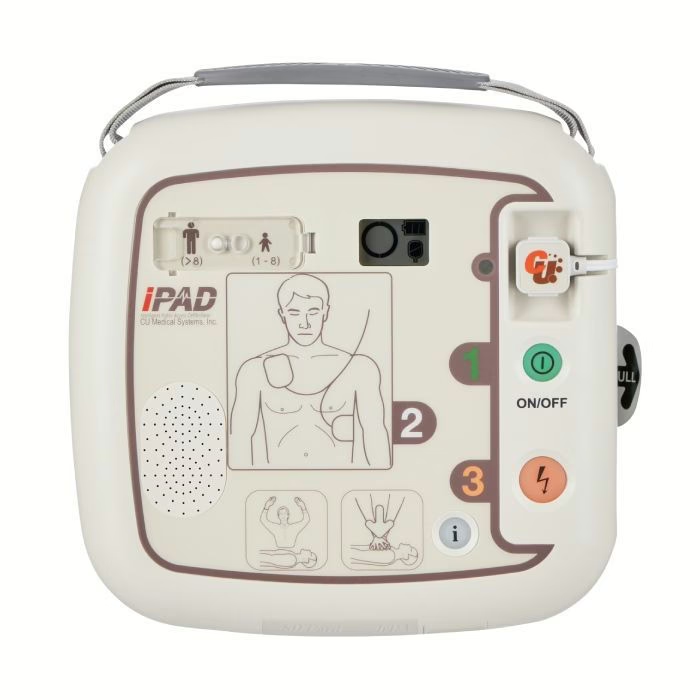
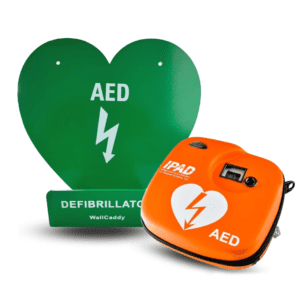
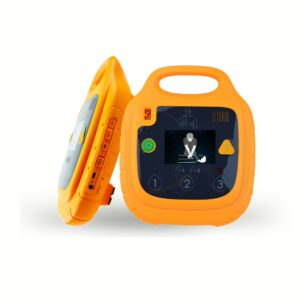
Any defibrillator you come across in public is specifically designed so that anyone can use it in an emergency. The device will provide you with clear voice and visual instructions, guiding you through every step of the process. AEDs only provide a shock if clinically necessary, so rest assured that a defibrillator cannot deliver a shock unless it is appropriate to do so. For example, the iPAD NFK200 semi-automatic defibrillator is designed with the everyday person in mind.
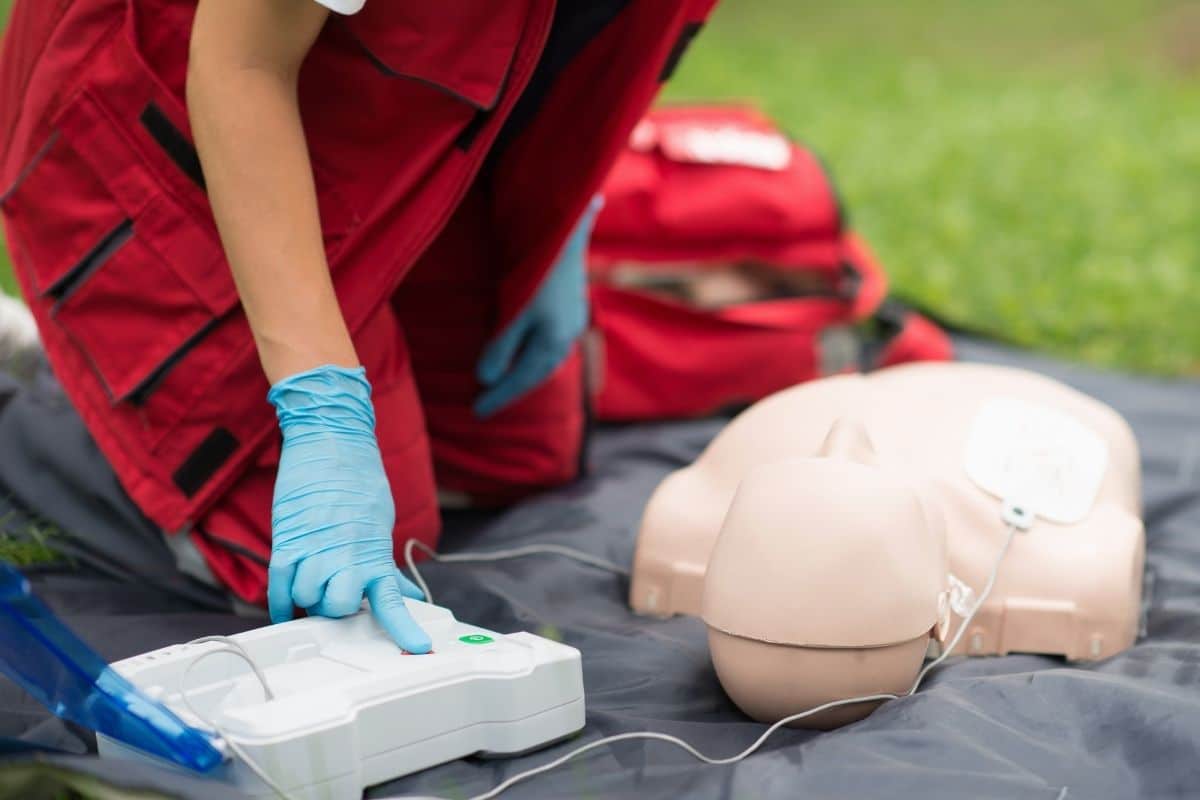
If you ever find yourself in a situation where someone has collapsed and is unresponsive, our advice is not to hesitate to use a defibrillator, even if you’ve never seen one before.
Is Defibrillator Training Still Useful?
Defibrillators (AEDs) are simple, yes, but that doesn’t mean training isn’t helpful. There’s no harm in having some extra training under your belt, especially when it can help you save lives.
In fact, defibrillator training can be extremely valuable, helping you feel more confident, act faster, and work more effectively as a team in an emergency.
Practical experience with a defibrillator during your training will also greatly reduce your uncertainty in an emergency. Recognising the signs early — irregular breathing, sudden collapse, or unresponsiveness — can be the difference between wasted and saved minutes.
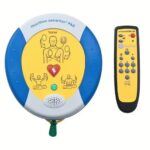
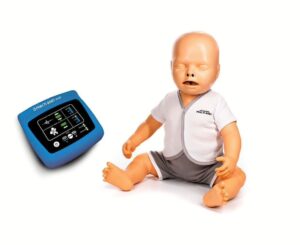
Actual readiness doesn’t come from one-time training or owning a piece of equipment. It’s about embedding emergency preparedness into the very fabric of everyday life. Regular drills, updated training, and precise defibrillator placement can transform workplaces, schools, and communities. Support this with training defibrillators, designed to allow realistic CPR and AED training without delivering a real shock.
How Defibrillators Are Designed for Public Use
Nowadays, defibrillators are super simple, intuitive and safe to navigate.
Here are the features they include:
- Clear Voice Instructions: You’ll receive step-by-step guidance.
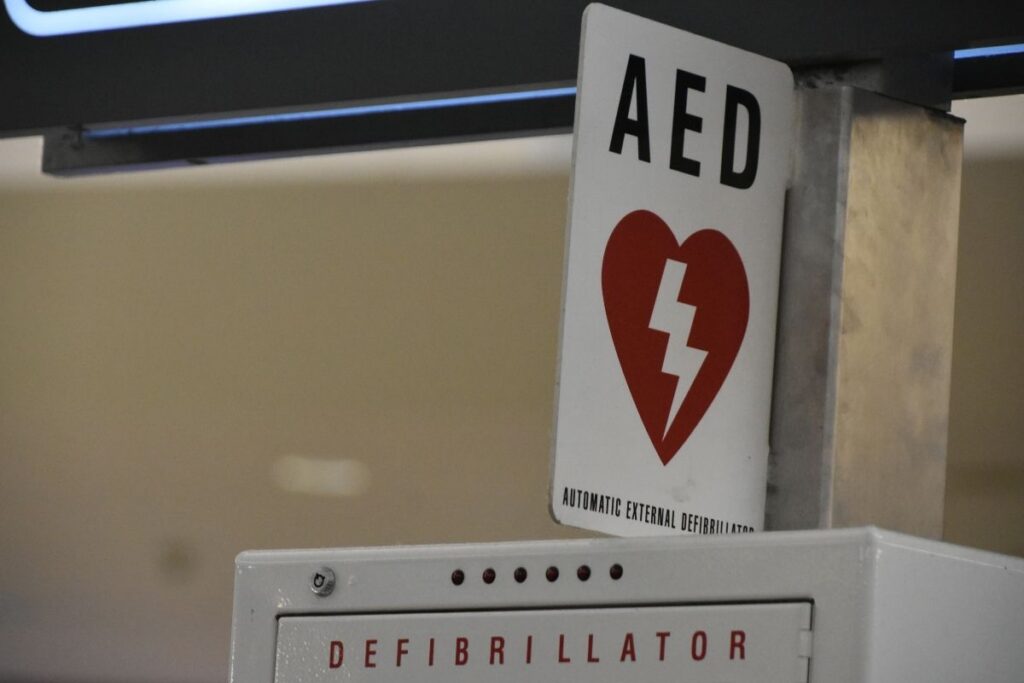
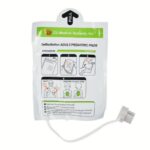
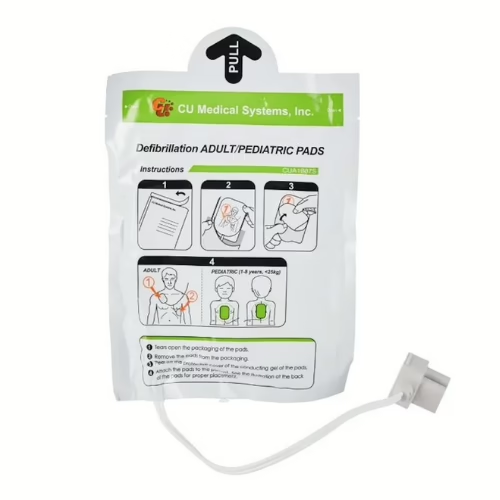
- Visual Diagrams: Diagrams will show you the correct pad placement.
- Automatic Heart Rhythm Analysis: The defibrillator will only deliver a shock when required.
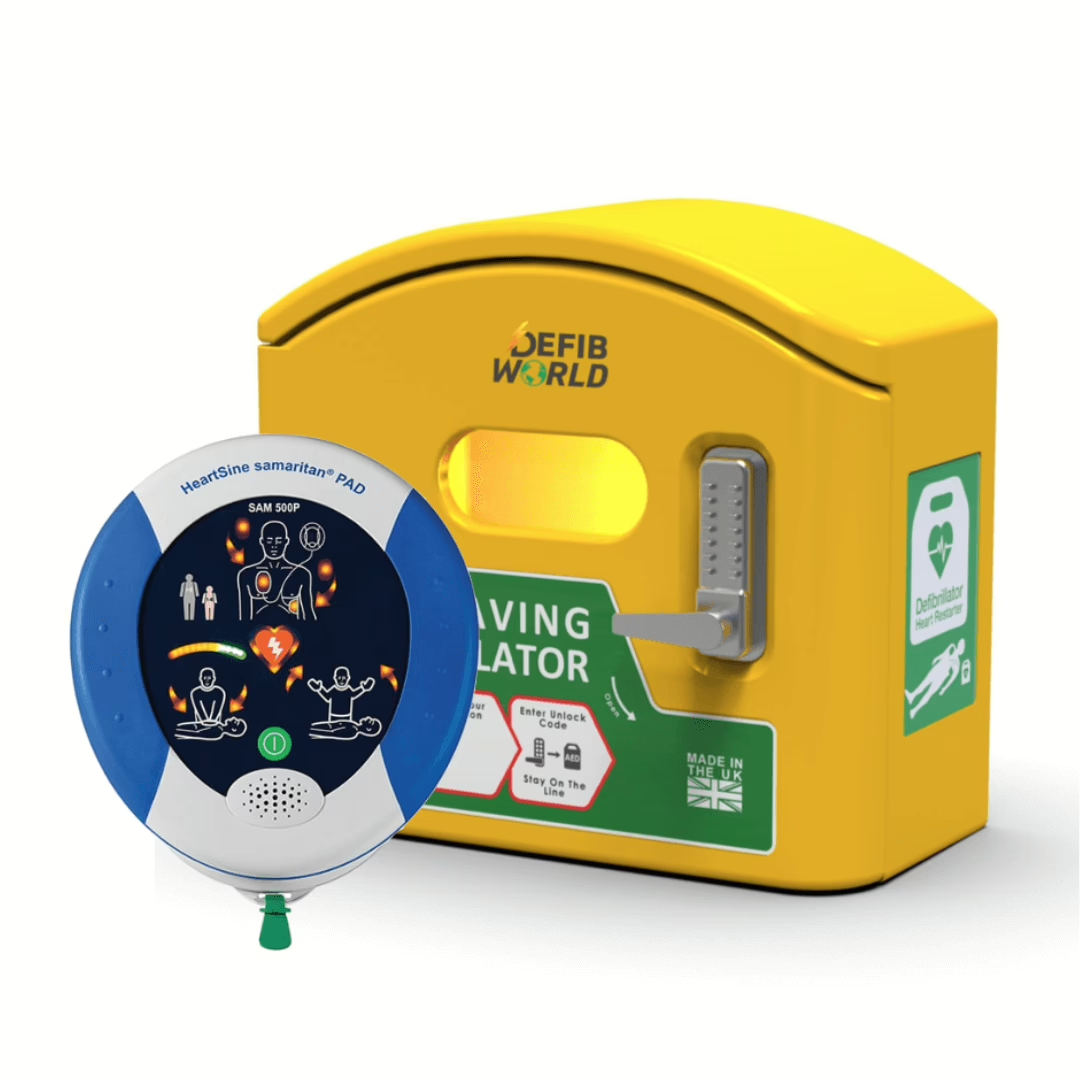
Some defibrillators are fully automatic, meaning that they’ll deliver a shock by themselves, without you needing to press a button. Others are semi-automatic, prompting you to press a button to deliver a shock. Both types are safe to use.
The iPAD NFK200 Semi-Automatic Defibrillator is the latest product released in June 2023 from one of the World’s leading manufacturers of clinical defibrillator monitors, CU Medical Systems, and this represents a leap forward in the tech. As well as being simple to use, with clear instructions and visual aids, it provides ‘handover’ information to ambulance crews (usage time and shocks delivered) to streamline the emergency handover process.
Where Are Public Defibrillators?
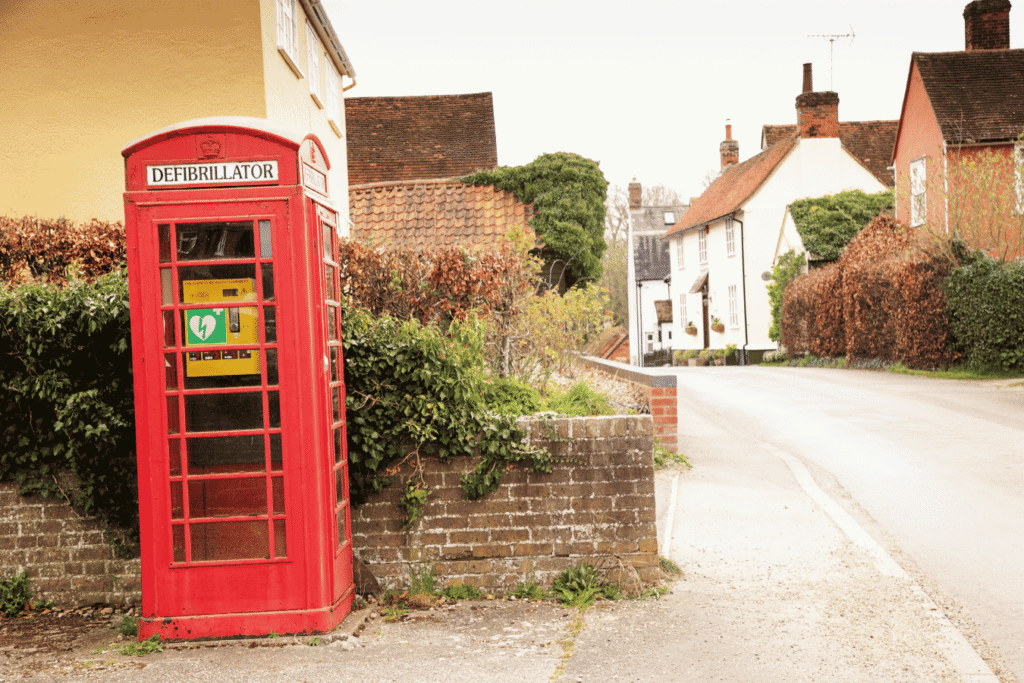
Thankfully, defibrillators are often located in common public areas. These include:
- Schools, colleges and universities
- Offices and shared working environments
- Shopping centres and supermarkets
- Train stations
- Gyms
- Community centres and places of worship.
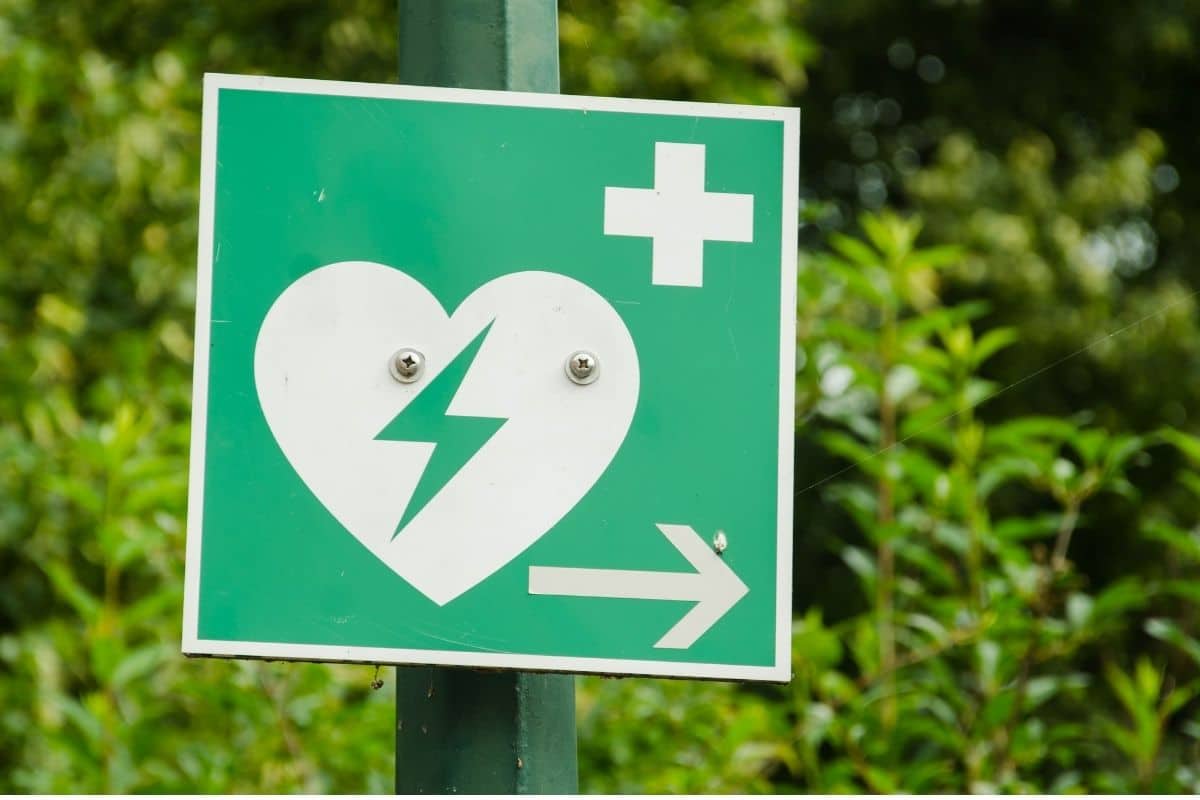
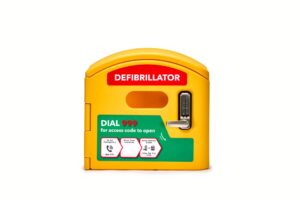
The Circuit – the national defibrillator network – connects defibrillators to NHS ambulance services across the UK so that in those crucial moments after a cardiac arrest, they can be accessed quickly to help save lives. If your defibrillator isn’t registered on The Circuit, ambulance services can’t find it when they need it most, so make sure you register it once it’s in place.
If you currently work in one of the places above and don’t currently have a defibrillator available, check out our range and order online so that you’re always prepared to save a life.
How to Use a Public Defibrillator
Using a defibrillator is a straightforward process with these simple steps:
- Turn the defibrillator on.
- Follow the voice instructions provided.
- Attach the pads as shown in the diagrams.
- Stand clear while the device analyses the heart rhythm.
- Allow the device to deliver shocks if it’s fully automatic, or press a button when prompted if you’re working with a semi-automatic one.
If a shock isn’t necessary, the device will continue to guide you, often instructing you to resume CPR until emergency services arrive.
What Does the Law Say About Using a Defibrillator?
In UK law, the public is encouraged to use a defibrillator when needed, so you’re already taking the right steps by reading this guide.
There is no legal requirement to be trained, and emergency call handlers can also guide you through using a defibrillator over the phone.
Which Defibrillator Should You Choose?
Now that you know anyone is able to use a defibrillator, it’s time to make sure you have one on hand at your home or organisation.
Here are our recommendations for which defibrillator you should choose based on your environment:
1. Your Home
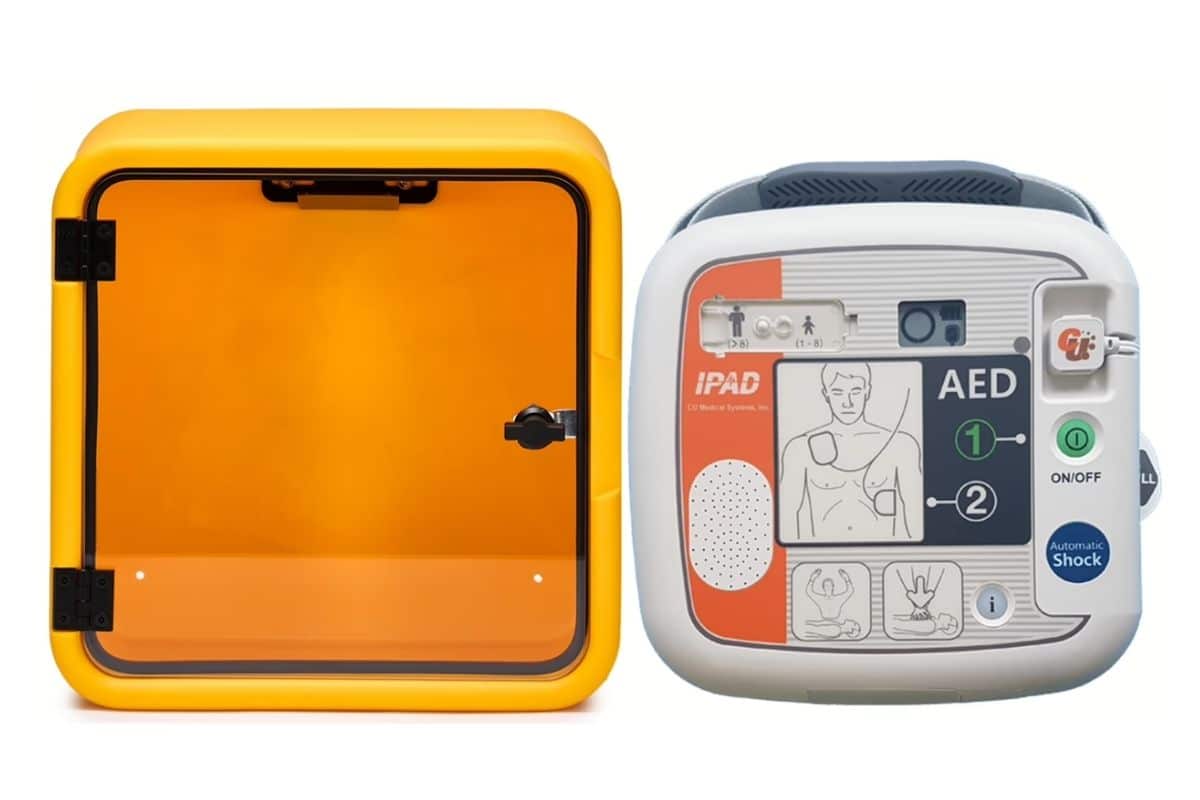
The iPAD SP1 Fully Auto Indoor AED Cabinet Package
This package is ideal for your home, as it includes the fully automatic iPAD SP1 defibrillator, an Incaddy defibrillator cabinet to keep it protected, and a defibrillator wall sign so it can be easily identified.
This iPad SP1 defibrillator package also features a paediatric switch, allowing you to effortlessly switch between adult and paediatric modes without changing electrode pads, and comes with a 7-year warranty.
2. The Office
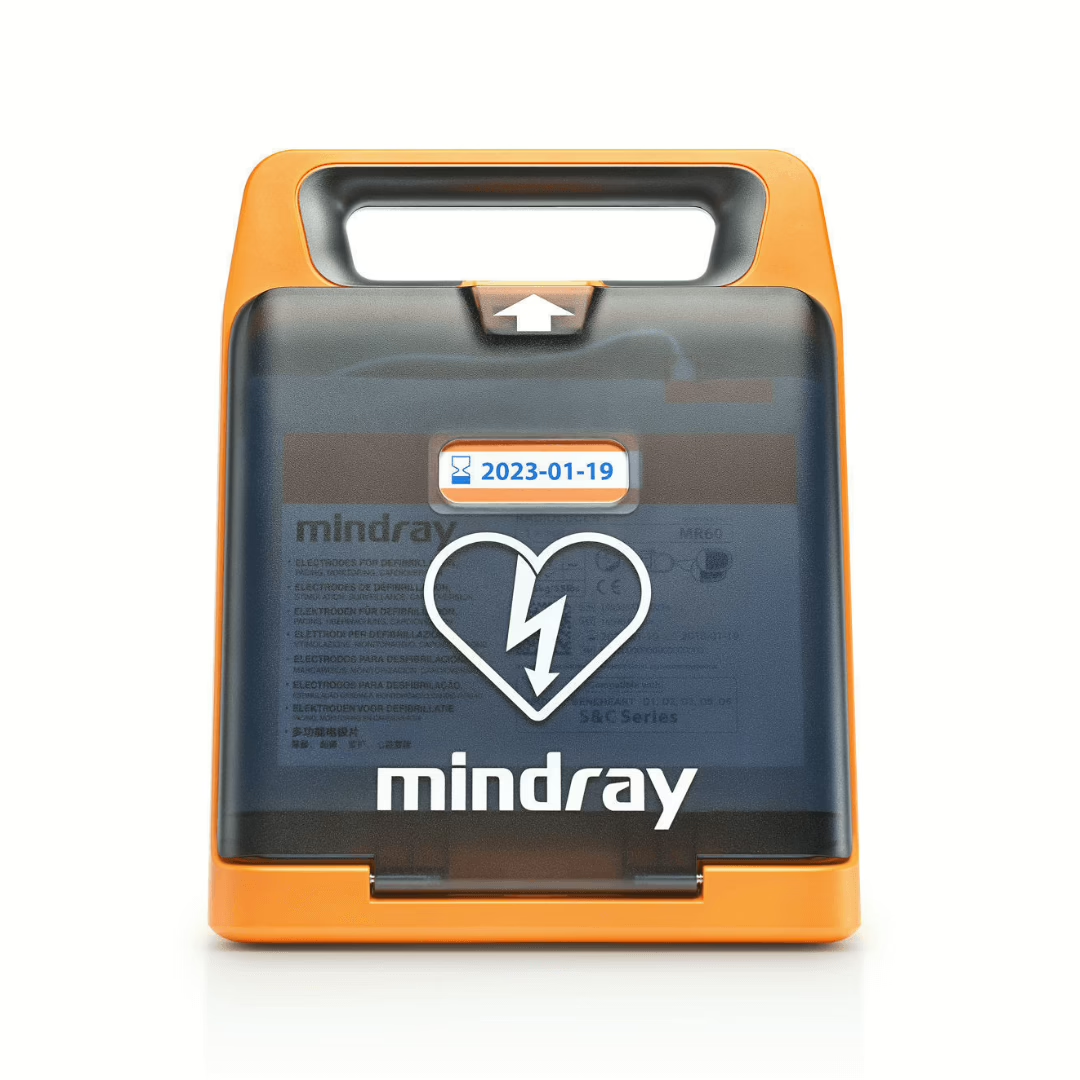
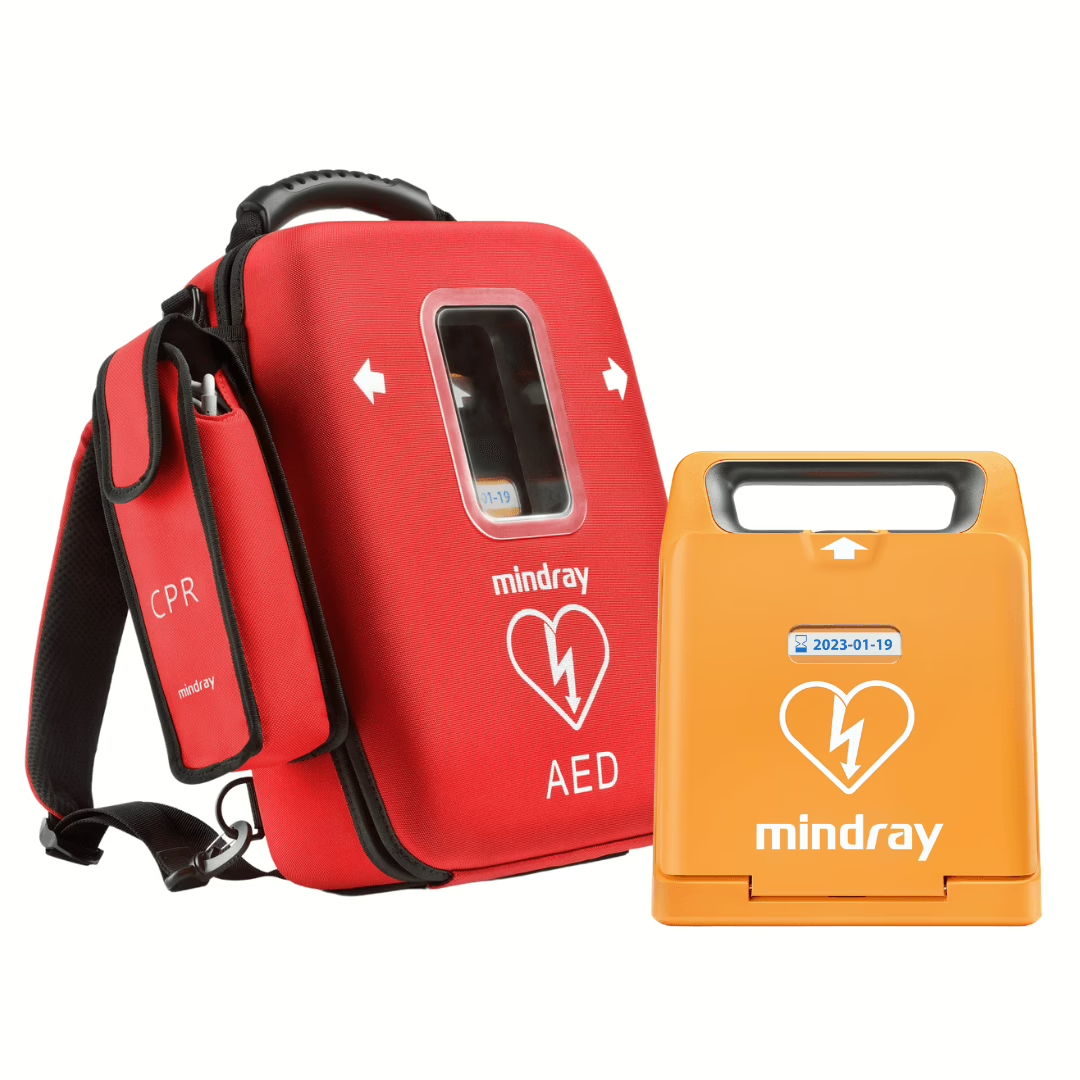
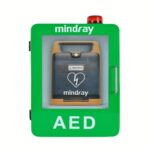
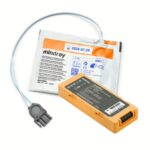
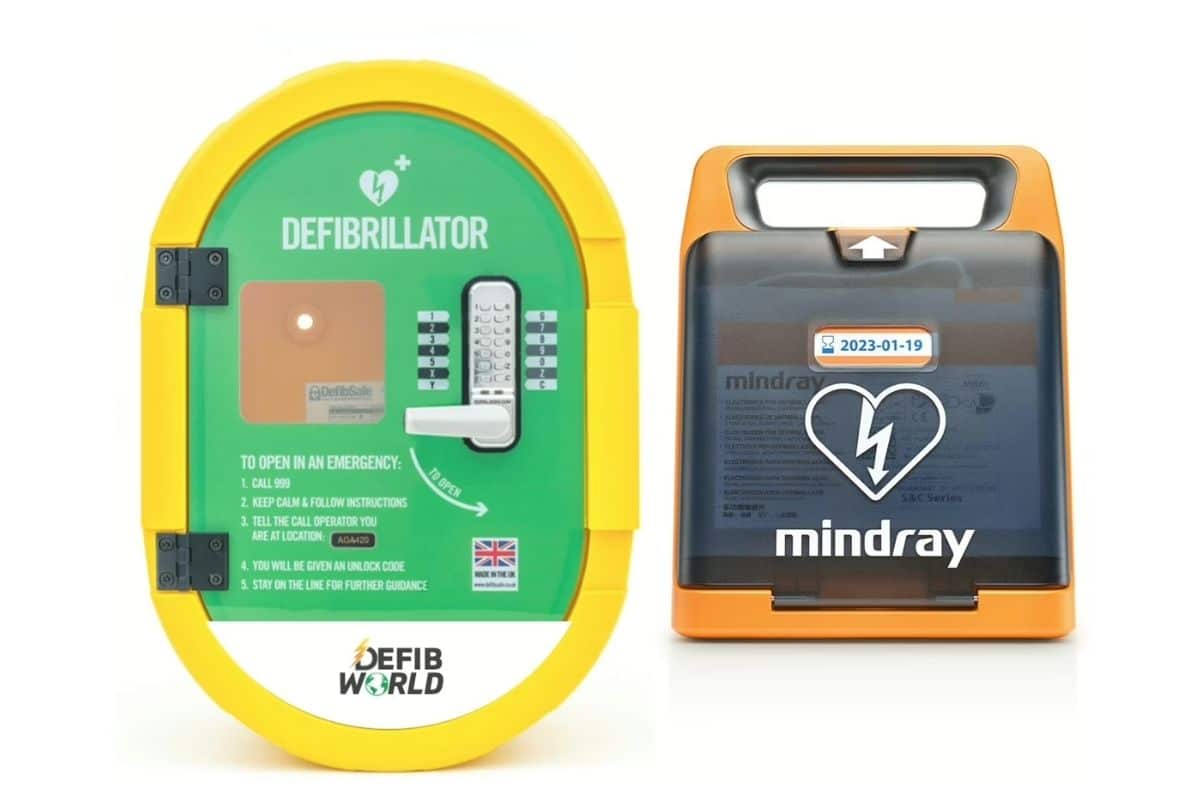
The C2 Mindray Fully Auto Defibrillator Outdoor Package
The C2 Mindray fully automatic package suits the office, offering a comprehensive, reliable, and easy-to-use solution for emergency cardiac care in outdoor settings. The C2 Mindray defibrillator features an industry-leading full-colour video screen with visual CPR coaching.
It comes with a Defibsafe2 outdoor-locked cabinet to keep it secure, protected by a robust lock mechanism, and usable in any weather condition. A wall sign is also included.
3. Schools
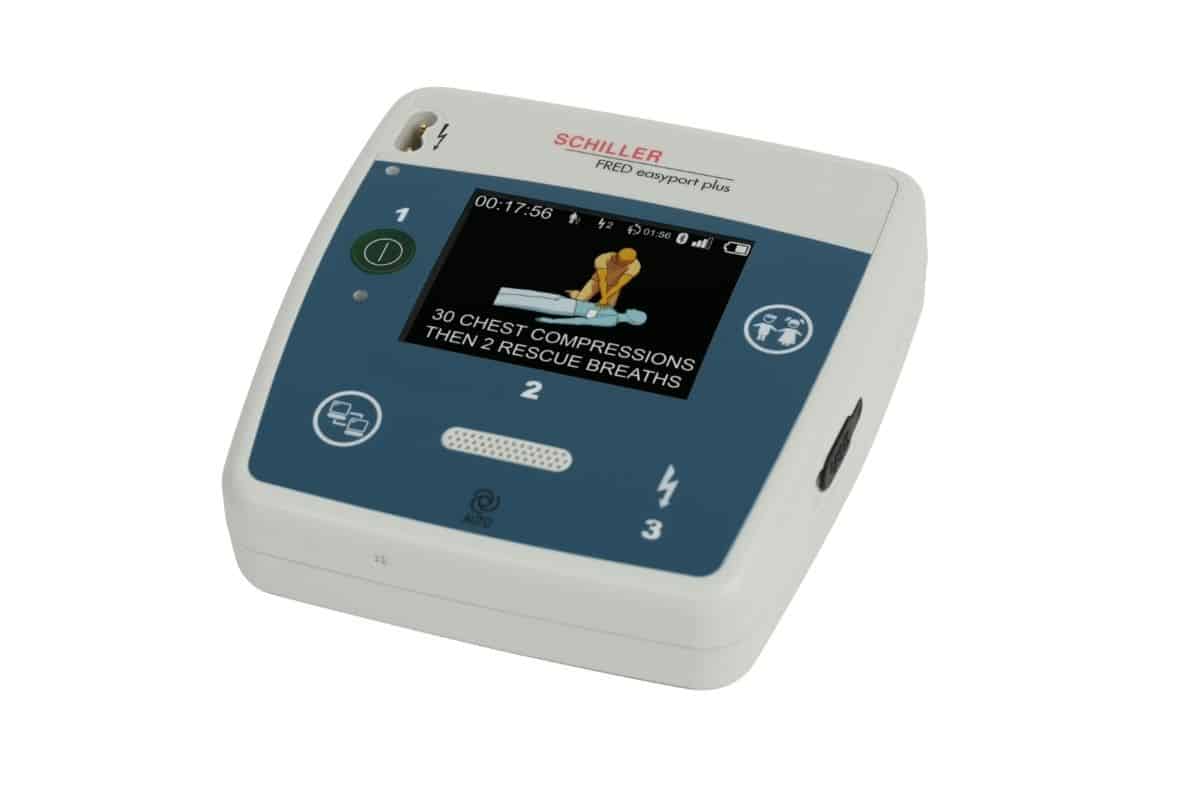
The SCHILLER FRED easyport plus Fully Automatic Defibrillator
For educational settings, the SCHILLER FRED easyport plus fully automatic defibrillator is an excellent choice because it suits all ages, and its ultra-lightweight, compact design makes it easy to store and access quickly during an emergency.
Its fully automatic operation and real-time CPR feedback make it ideal for staff and volunteers without medical backgrounds.
Ready to Install a Defibrillator?
We hope this guide has clarified that training is not required to use a defibrillator, but it can be beneficial so that you’re ready to support someone in an emergency.
At Defib World, we’re committed to making life-saving defibrillators accessible and easy to use for everyone. Explore our range of trusted, easy-to-use defibrillators, including rental options, or use our Defib Finder to find the right defibrillator for you.