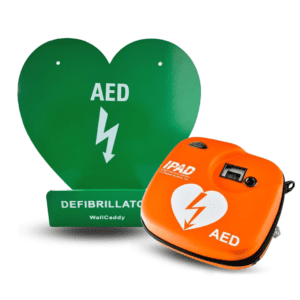
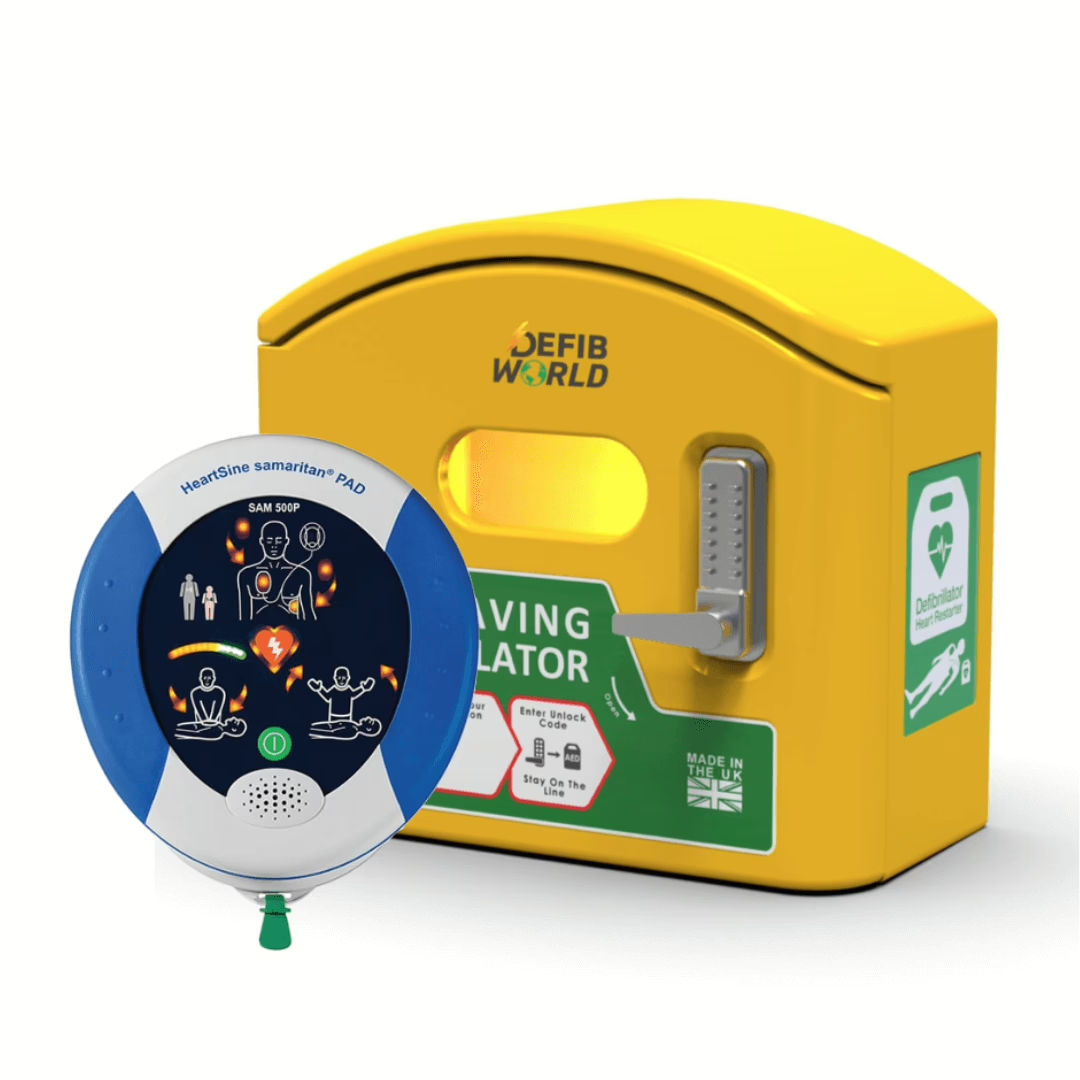
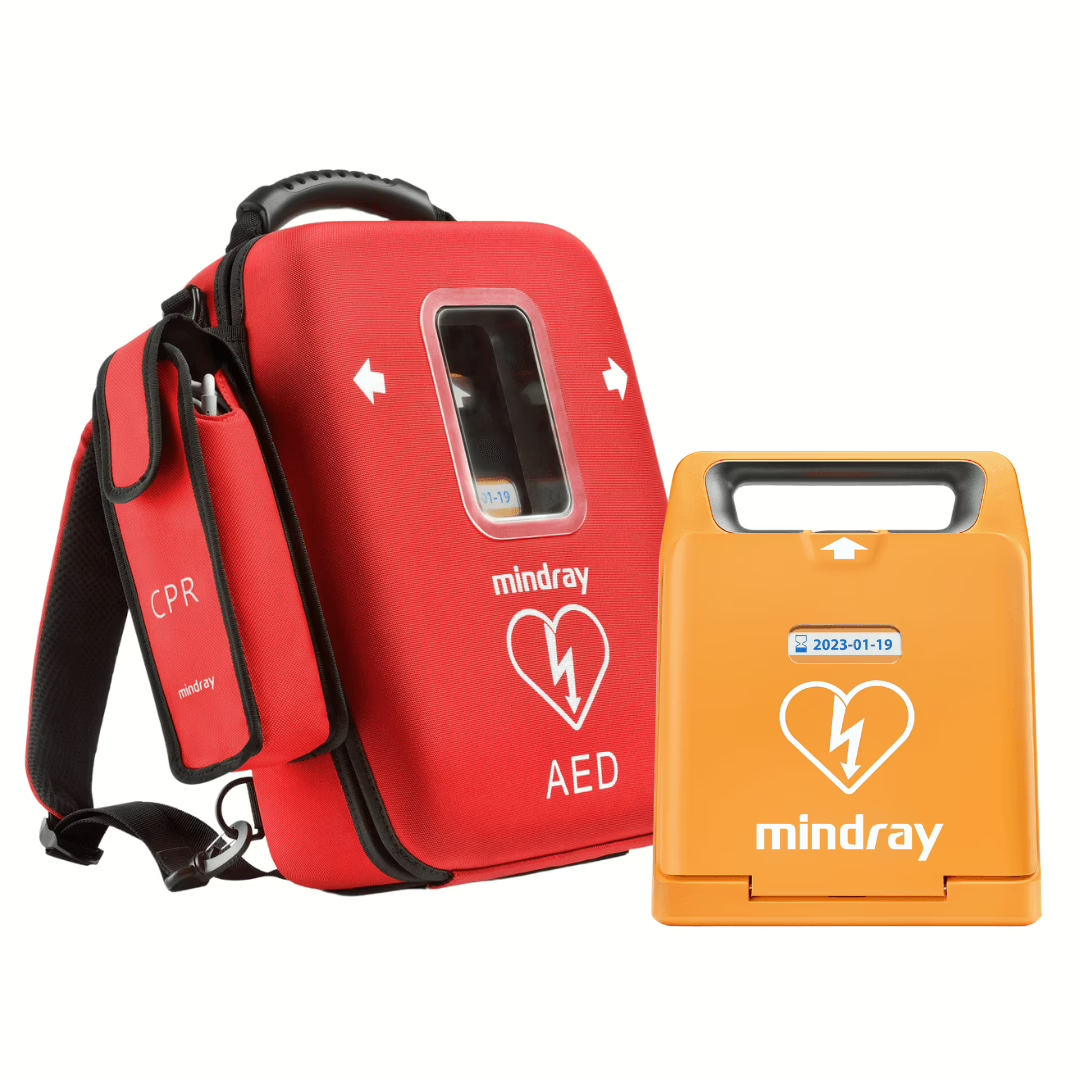
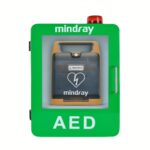
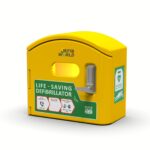
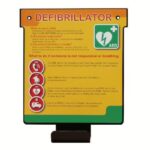
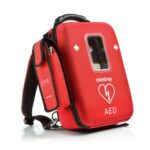

There are three main ways of getting a defibrillator (AED): apply for a fully funded defibrillator, get partial funding while paying for the remaining balance, or buy or rent outright. The route you choose will likely come down to the kind of group you are.
Funding opportunities and applications are available, but often for a limited time. In 2024, the DHSC Community AED Fund made £1 million available for an estimated two thousand new defibrillators.
In this article, we will be covering your main options when getting a defibrillator, how to get one for free, how to apply for a grant, how to build your case, and what to do if you don’t qualify for funding.
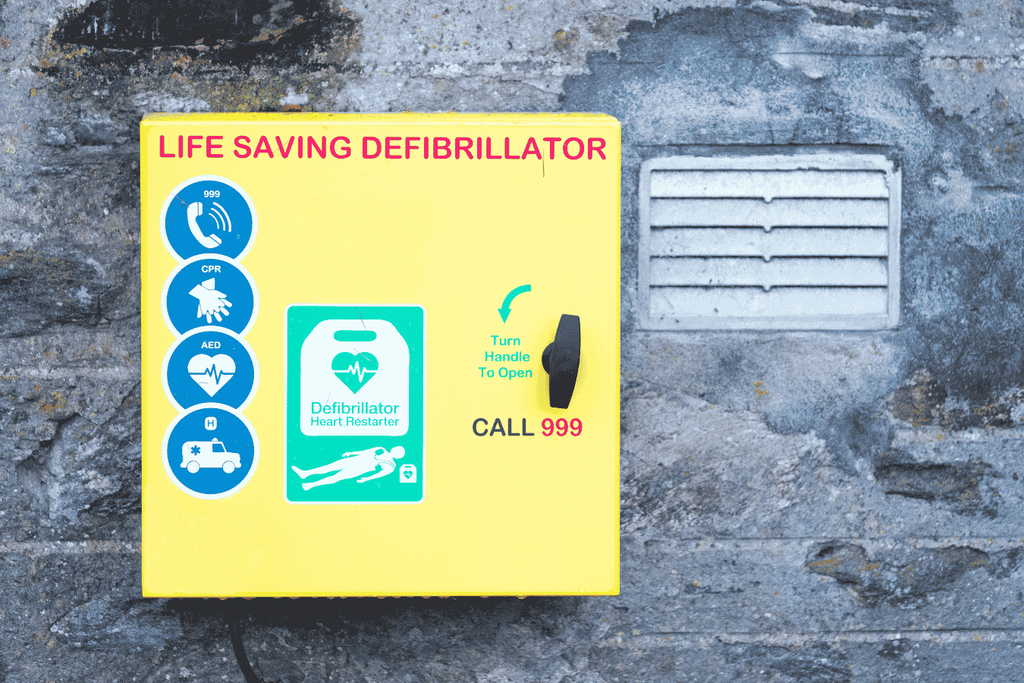
How to Get a Defibrillator: Your Main Options
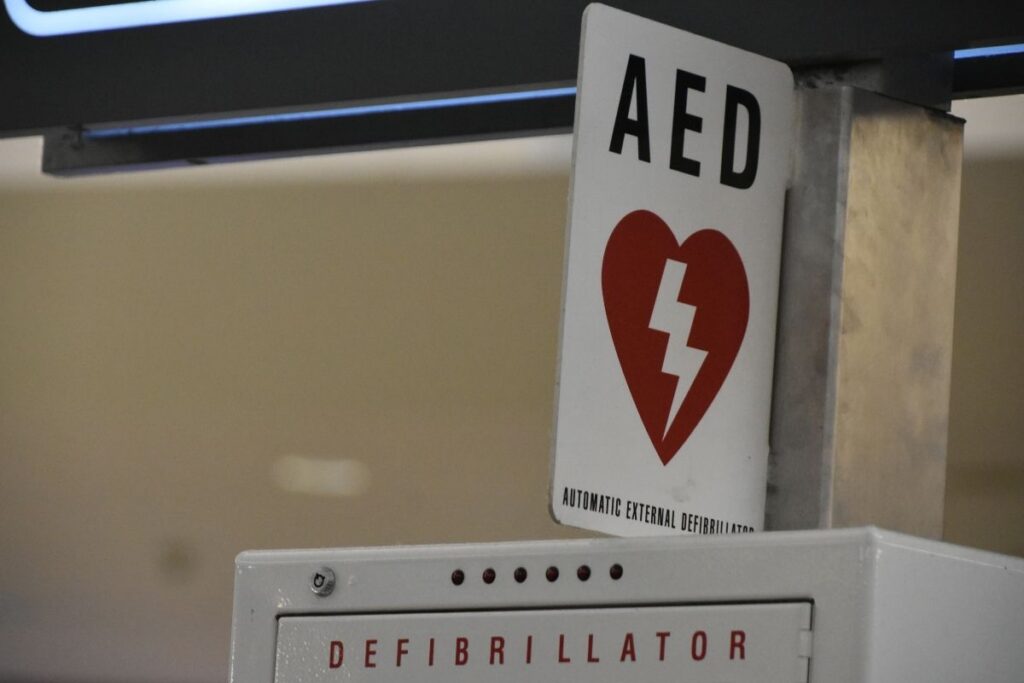
There is no single funding source or application that will allow you to find funding for a defibrillator. The options open to you will depend on when you are looking, who will make use of it, and where it will go. It is worth mentioning that private defibrillators are very unlikely to qualify for funding. Most funding applications require a defibrillator to be mounted outside for public use.
Your three main options include:
- Free / Fully Funded – Mainly for community groups
- Grants / Partial Funding – Funding for part of the cost and you raise the rest
- Buying / Renting – A good option for everyone where possible
Most people start by checking if they qualify for full funding, so that is where we will begin.
How to Get a Defibrillator for Free
Most free defibrillators are offered by national charities, with government schemes occasionally opening. But it is likely not as straightforward as being given a sum of money to purchase your chosen defibrillator package.
‘Free’ often means fully funded or heavily subsidised, so there may still be some costs involved, such as delivery or installation.
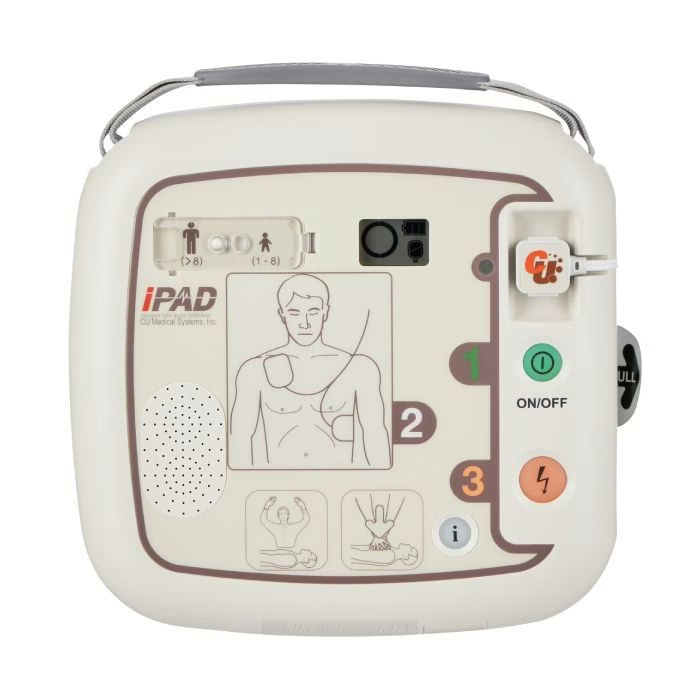
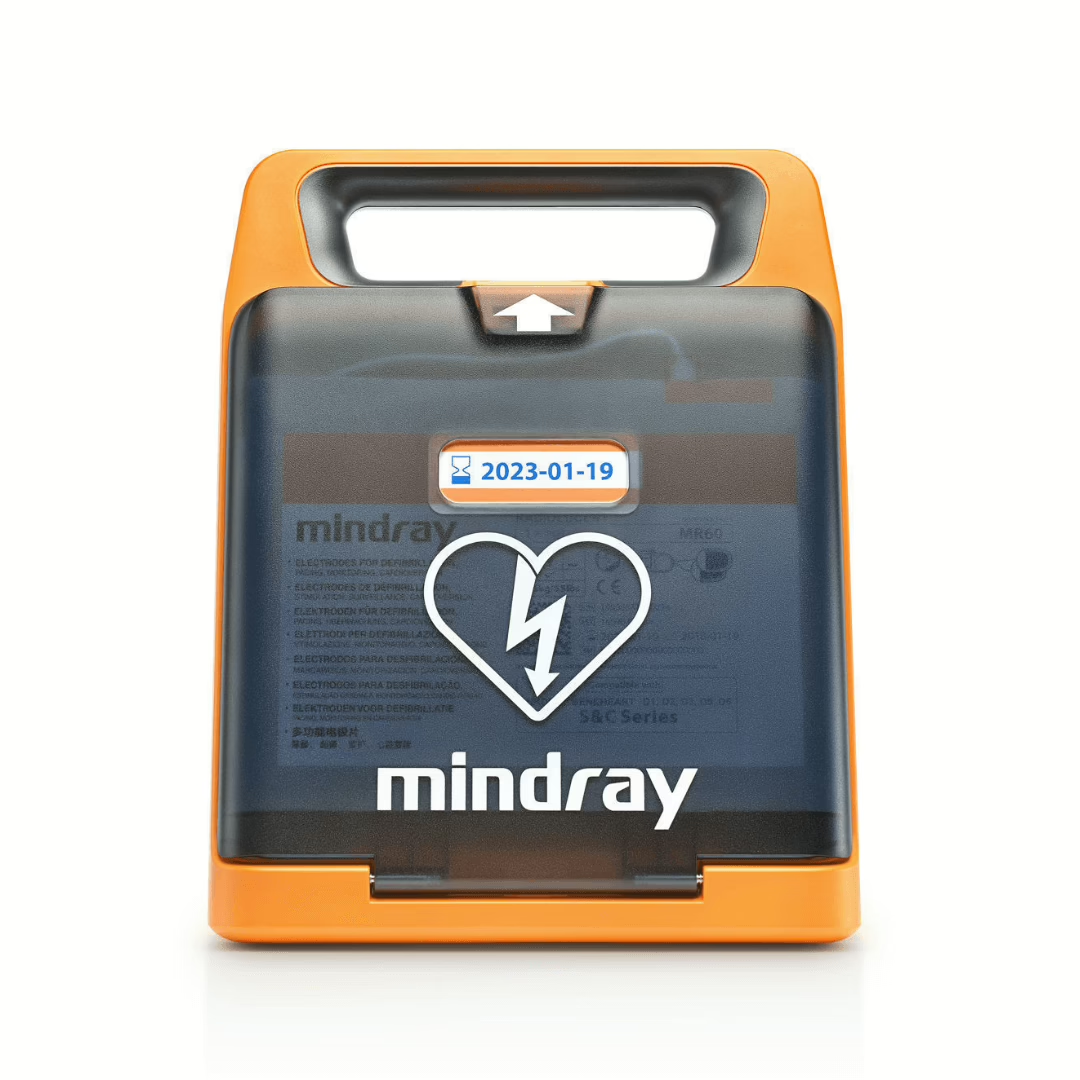
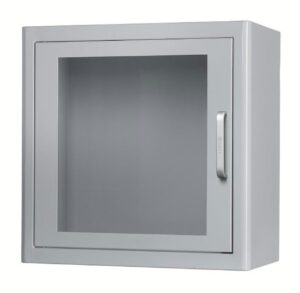
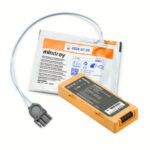
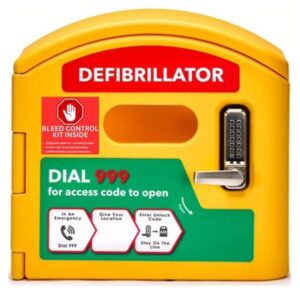
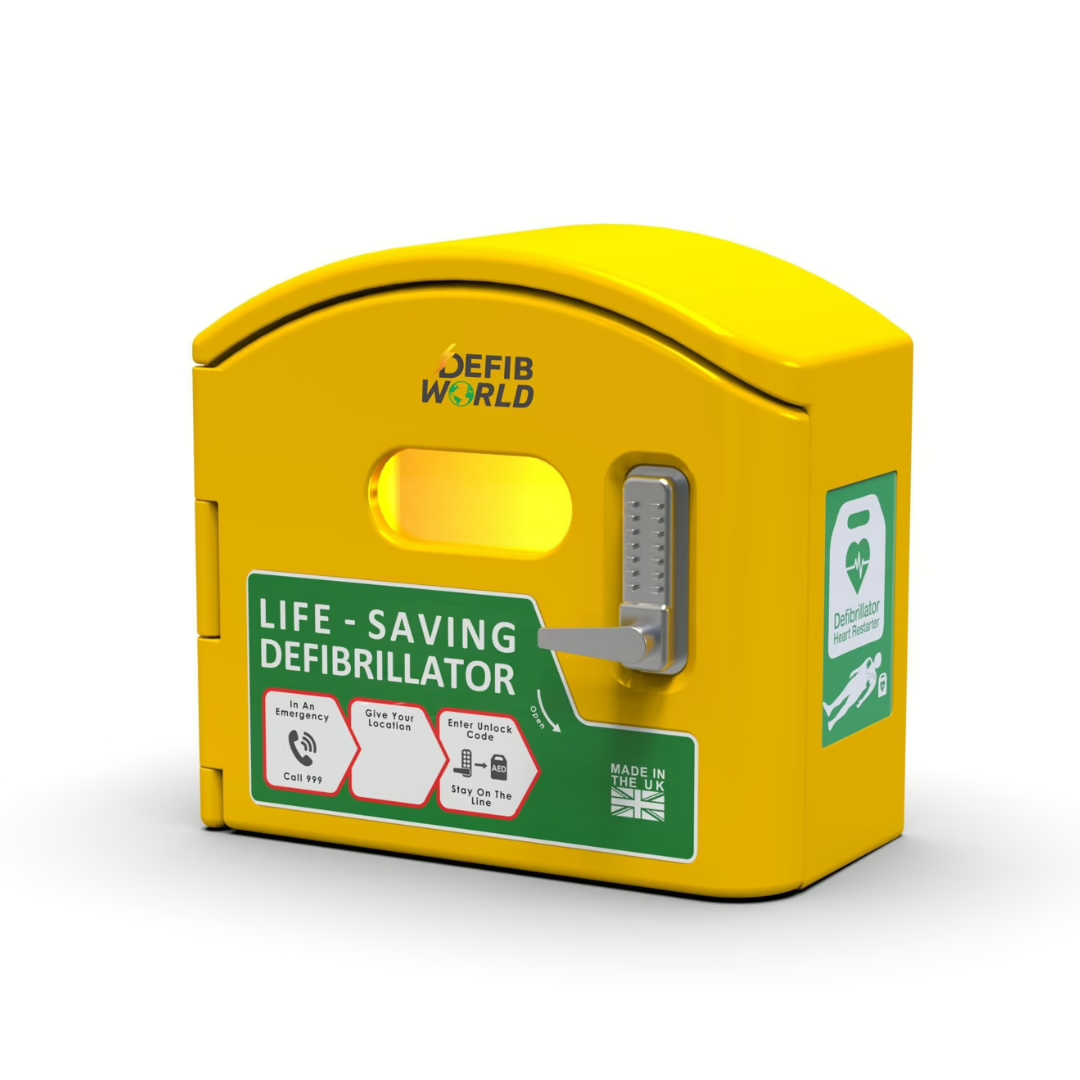
Other schemes don’t provide funding at all. Instead, they supply you with a defibrillator and outdoor cabinet, with no options for make or model.
Most schemes are primarily aimed at community groups and come with similar conditions:
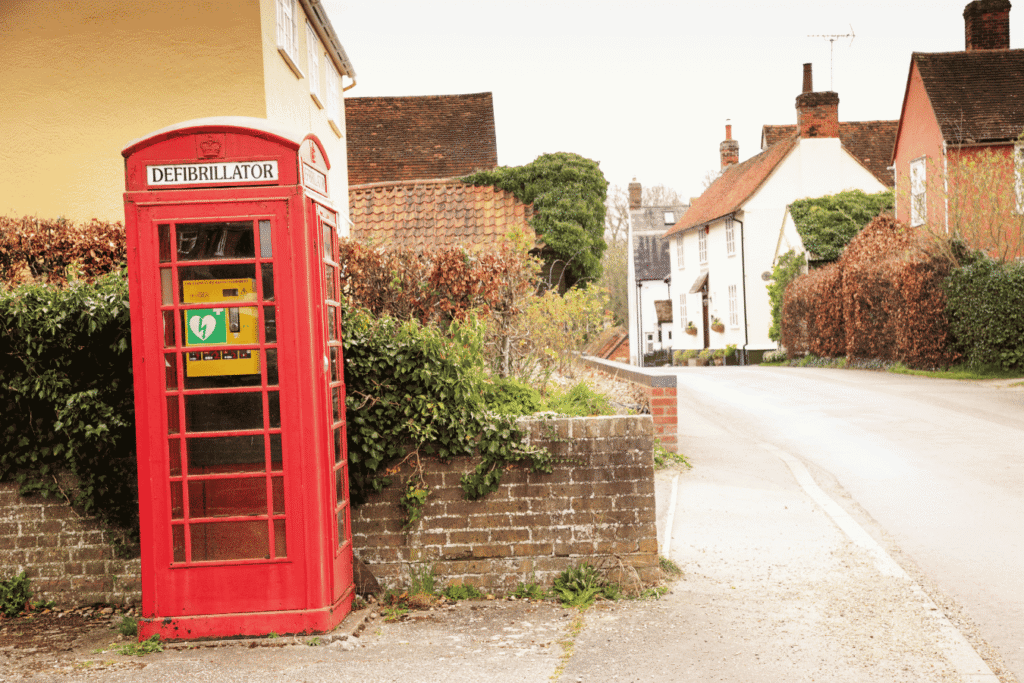
- Defibrillators must be stored outdoors so the public has access 24/7.
- The location must have a clear need, such as high footfall or high-risk activities.
- AEDs must be registered with The Circuit, the UK’s national defibrillator network.
- A named person must regularly check the defibrillator.
Even for groups that can meet these requirements, there are some drawbacks. Primarily, these schemes are infrequent and only accept a limited number of applications, which can mean long wait times for a decision, with no guarantee of success.
These requirements make it very difficult for individuals or businesses to find full funding opportunities, but there are other routes available.
If you don’t qualify for a free scheme, or would rather not wait for a decision? Our outdoor defibrillator packages include everything you need for a public access AED, or rent a defibrillator from as little as £1 per day.
Getting Defibrillator Grants
As previously mentioned, government funding for community AEDs has been available in the past for the United Kingdom. A small number of applicants, the ones deemed most in need, were funded in full, with most receiving only partial funding and having to pay around £750 of the remaining balance themselves.
Notably, schools were excluded from most of these schemes and are often covered by separate funding.
Before applying for funding, you should check whether the funder decides the defibrillator you receive or whether it’s paid as a cash grant, giving you more freedom to choose your own defibrillator and supplier.
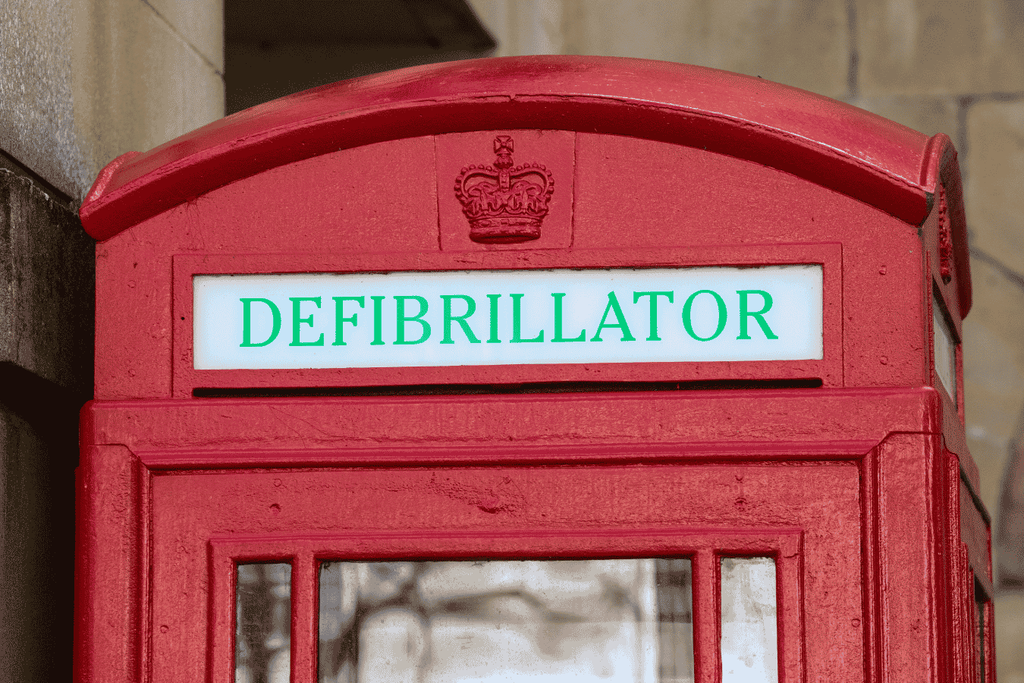
How Do You Get Funded for a Defibrillator?
Regardless of whether you are applying for funding or raising the money independently, preparing well can make a big difference.
Check Where Your Nearest Defibrillator Is
Funders and schemes will often prioritise areas where defibrillator coverage is poor. You can find your nearest registered defibrillator online through Defib Finder. In principle, you should never be more than a 3-minute round trip from a defibrillator, so anything outside of this time frame would be a valid reason to apply for one.
Choose a Location with Power and Permission
Outdoor storage cabinets need to be able to stand up to external conditions. They are typically built with a heater to ensure the defibrillator is always at the right temperature. This means the cabinets must be placed somewhere that can be wired into mains power.
In addition, mounting a cabinet on the outside of a building means getting permission from the building’s owner. Your goal should be to find somewhere that is easy to see and reach for anyone in need.
Build Your Case with Evidence
Understanding the number of people who walk or drive past a building each day will help to strengthen a case for a defibrillator. If those people are in a higher-risk group, such as the elderly, or if they are playing sports, this will only add to the urgency of your request.
This information is invaluable for application forms, as well as for persuading local donors of the importance of having a defibrillator close by.
What If You Don’t Qualify for Free Funding?
While not everyone is eligible for funding, purchasing or renting is available to everyone. Both will give you instant access to a defibrillator of your choice.
Getting funding does not cover the cost of replacement batteries and pads over the defibrillator’s lifespan; this is a cost that would be incurred regardless of the funding route. But this is covered when renting a defibrillator.
Renting spreads the cost, from as little as £1 per day, and will replace pads and batteries when needed. Often this suits events or smaller organisations that cannot afford the upfront cost.
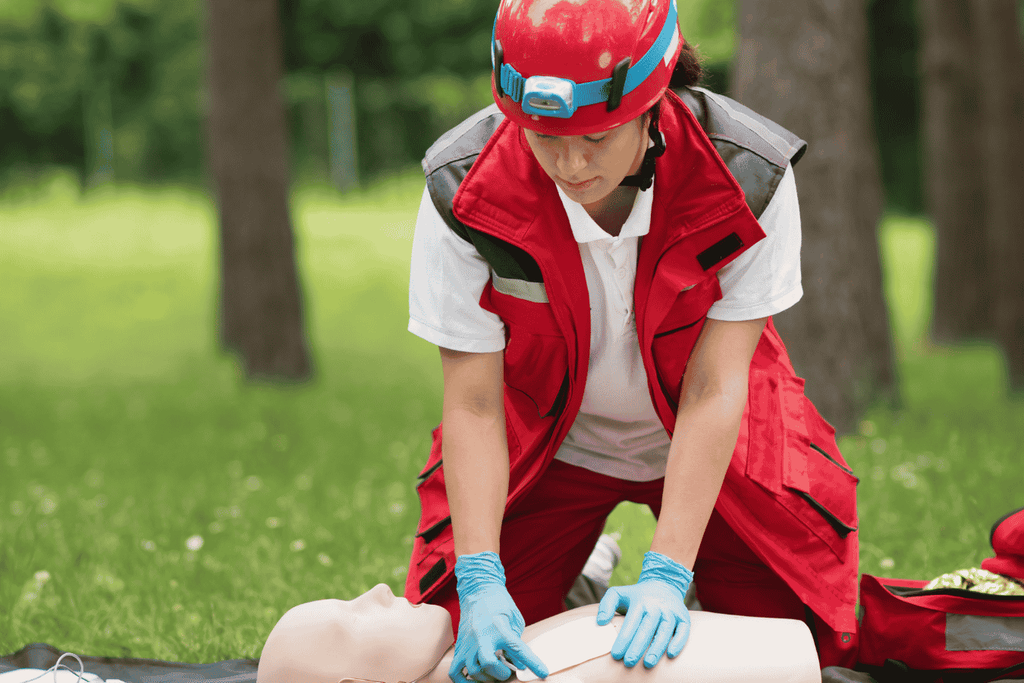
Getting a Defibrillator in Place Sooner
If you are acting on behalf of a community organisation, start by checking whether you qualify for a defibrillator scheme. If you do not meet the requirements or funding is not available, fundraising, buying, or renting gives you more choice in finding equipment that suits your needs and can get a lifesaving defibrillator in place sooner.
Not sure which model is right for you? Our defibrillator finder quiz will recommend the right defibrillator, cabinet, and accessories. Or browse our full range of defibrillators and order online today.