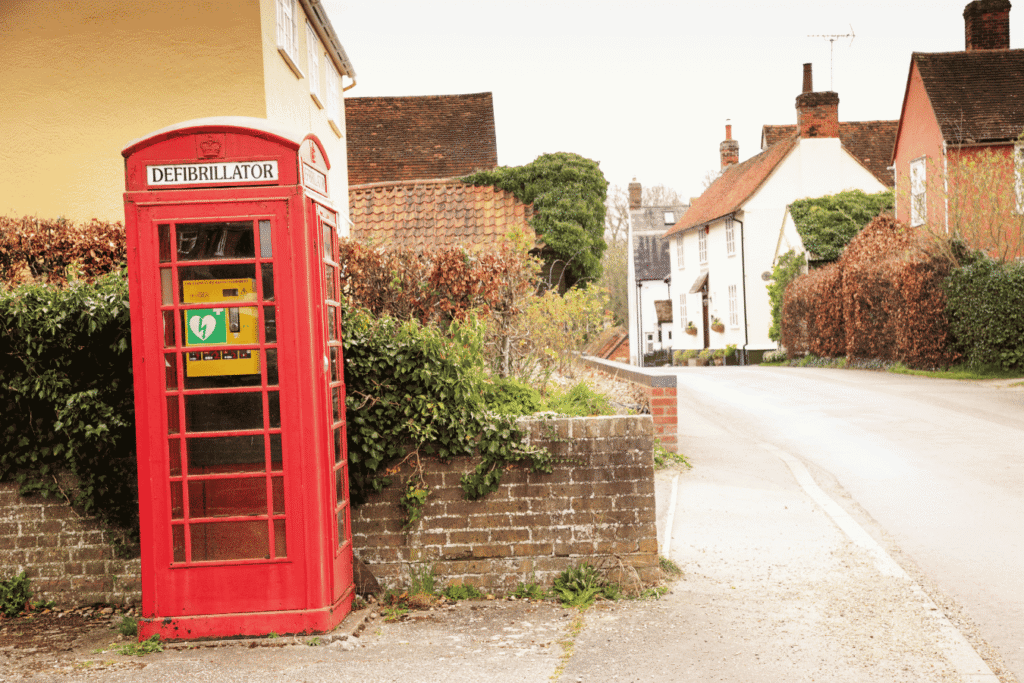
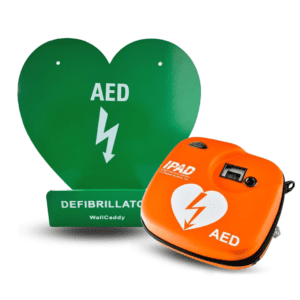
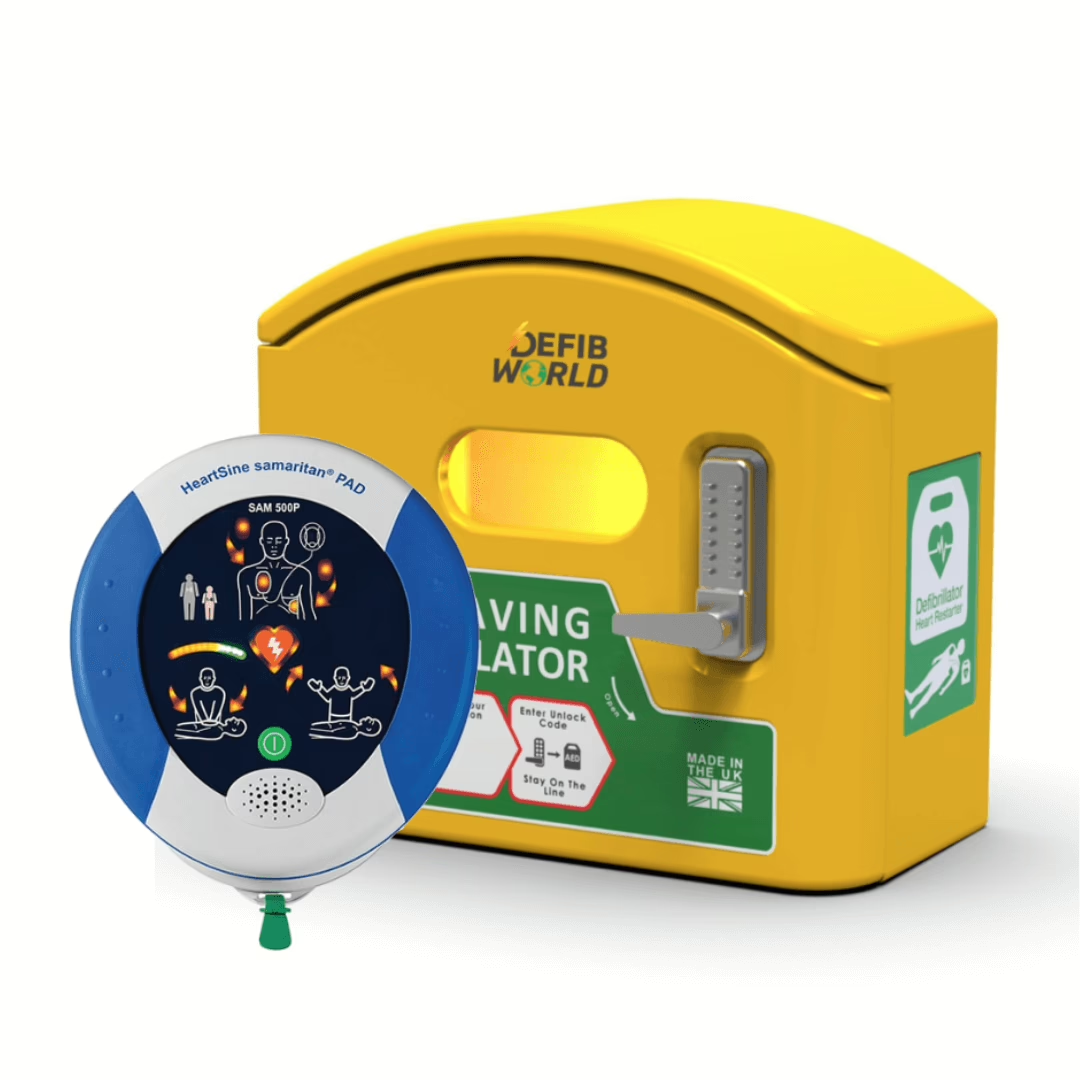
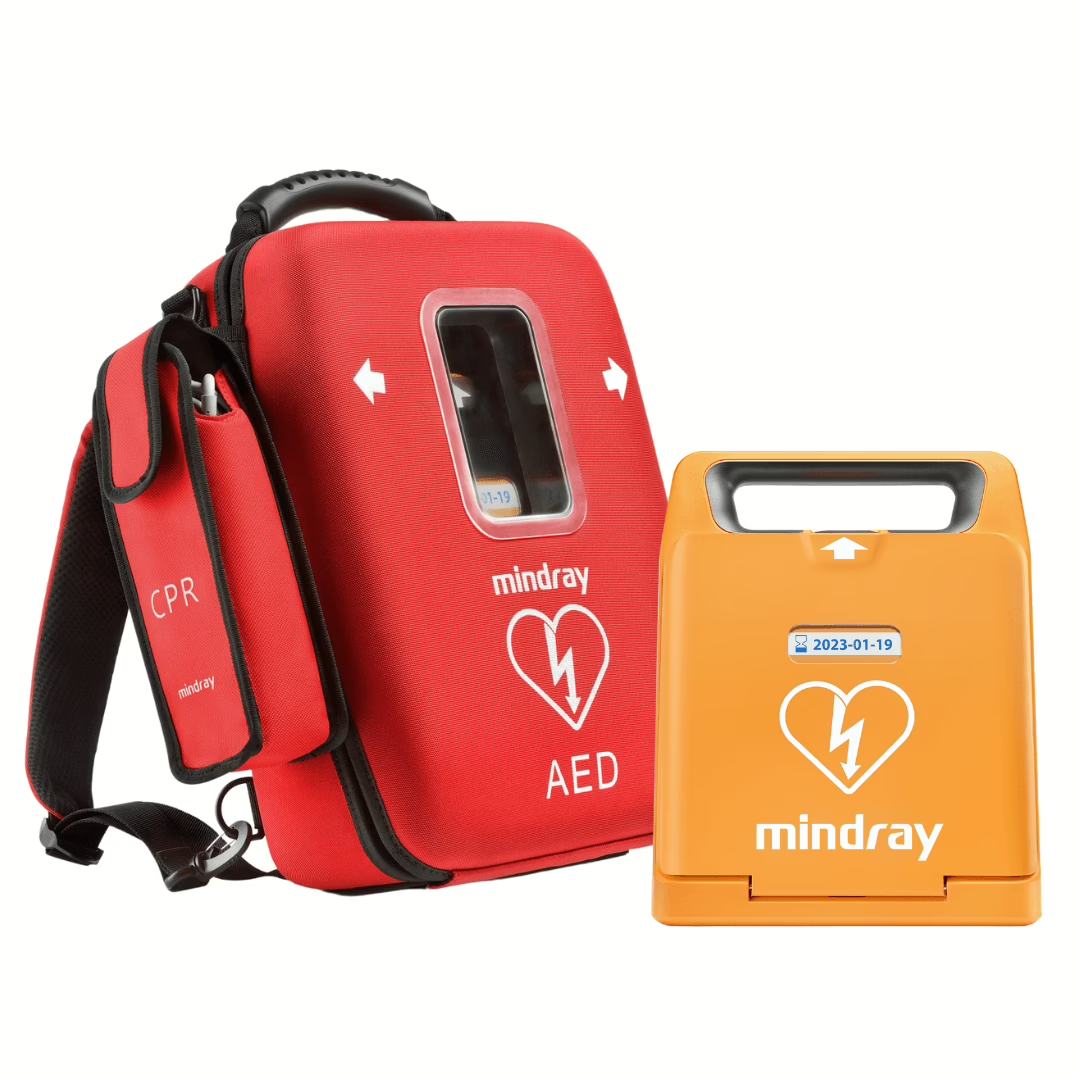




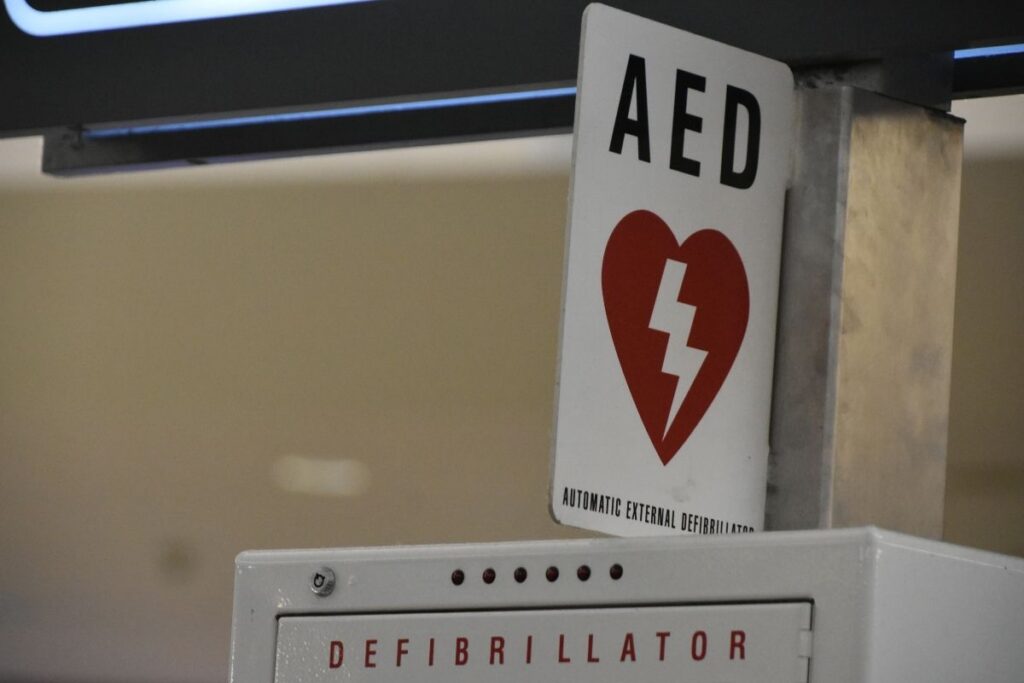
In the UK, under the current health and safety regulations, employers are legally required to carry out first aid assessments and provide ‘adequate and appropriate’ first aid equipment. With 15% of cardiac arrests happening in the workplace, having a defibrillator on standby may be a life-changing decision.
There is no fixed law stating the number of defibrillators you should have per workplace. The decision will depend on certain factors, like the size of the workplace and how quickly you are able to retrieve a defibrillator in an emergency.
Survival rates can exceed 70% when someone is defibrillated within three minutes of collapsing. Average ambulance response times are closer to seven minutes for life-threatening emergencies, leaving a big gap where AEDs can make a significant difference.
In this article, we will cover whether having a defibrillator is a legal requirement, how many defibrillators a workplace should have and what affects that number, who can use a defibrillator in the workplace, and how to choose the right one.
Is a Defibrillator a Legal Requirement in the Workplace?
There is no overarching legal requirement for every workplace to have a defibrillator, but it is strongly recommended, depending on the size of your workplace and the industry.
Under the current health and safety regulations, employers are legally required to carry out first aid assessments and provide “adequate and appropriate” equipment. The exact language is left vague so it can be applicable to all workplaces, but defibrillators may fall into this category if a risk assessment deems cardiac arrest to be a potential risk.
How Many Defibrillators Does My Workplace Need?
In the same way there’s no legal rule requiring a defibrillator, there’s no rule for the number of defibrillators you should have based on the number of people on site. But we recommend a retrieval time of 3 minutes.
The 3-minute rule states that you should be able to retrieve and return with a defibrillator in 3 minutes or less. Generally speaking, if you have a large workplace, or one spread out over multiple floors, you may need more than one unit.
You can read more about the 3-minute rule in our article: ‘How Far Should You Be From a Defibrillator? The AED 3-Minute Rule’.
What Affects How Many AEDs You Need
There are a few things that affect how quickly someone can reach an AED unit on your premises. The main factors to weigh up are:
- Size and layout – Larger and irregular floor plans can increase the distance someone needs to travel when retrieving a defibrillator from a single point.
- Number of floors – Stairs and lifts add valuable time to a retrieval.
- Number of employees and footfall – A higher headcount increases the statistical likelihood of an incident occurring.
- Physical risk – Jobs like manual handling, physically strenuous roles, or high-stress roles carry a higher risk of cardiac arrest.
- Multiple entrances – Sites with multiple access points may need to be covered by more than one AED. Sites like loading bays and car parks may need their own coverage.
Not sure exactly how many units your site needs? Get in touch with our expert team for advice or browse our full range of defibrillators.
Who Can Use a Defibrillator in the Workplace?
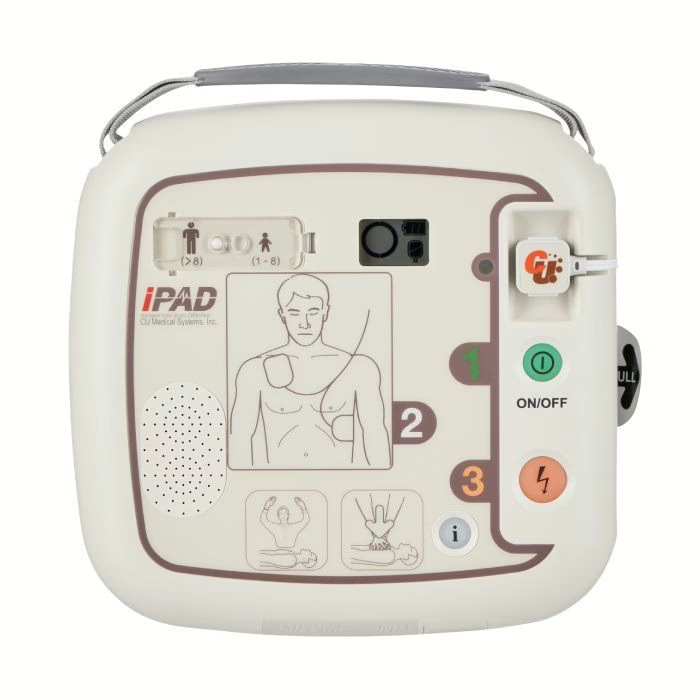
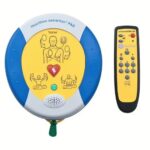
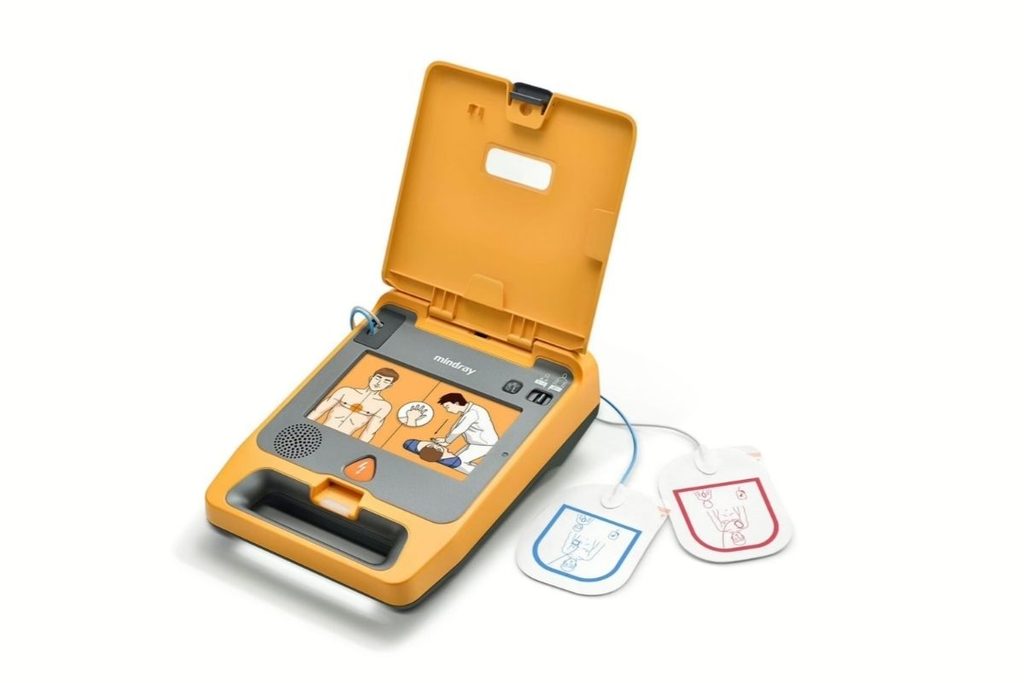
Modern AEDs are designed to be used by anyone, no training required. The devices are designed to walk the user through the process with voice or visual instructions, while sensors monitor the affected person’s heart rate and prevent a shock from being delivered if it isn’t needed.
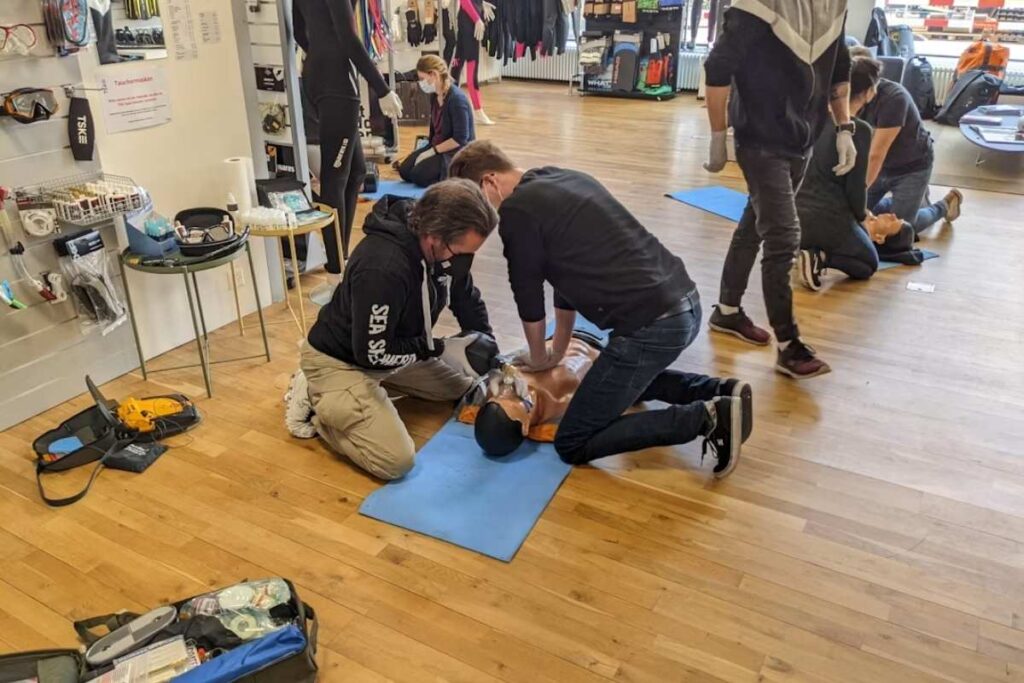
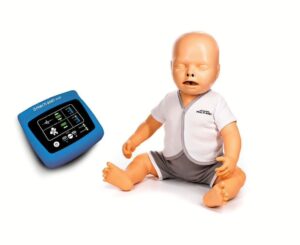
Training is still recommended; however, it will improve a responder’s confidence and response time. Training can also teach CPR, which provides the best health outcomes when combined with a defibrillator.
Choosing The Right Defibrillator for Your Workplace
Once you have established where to place defibrillators and how many you need, the final question is which is right for you. Here are the things worth considering:
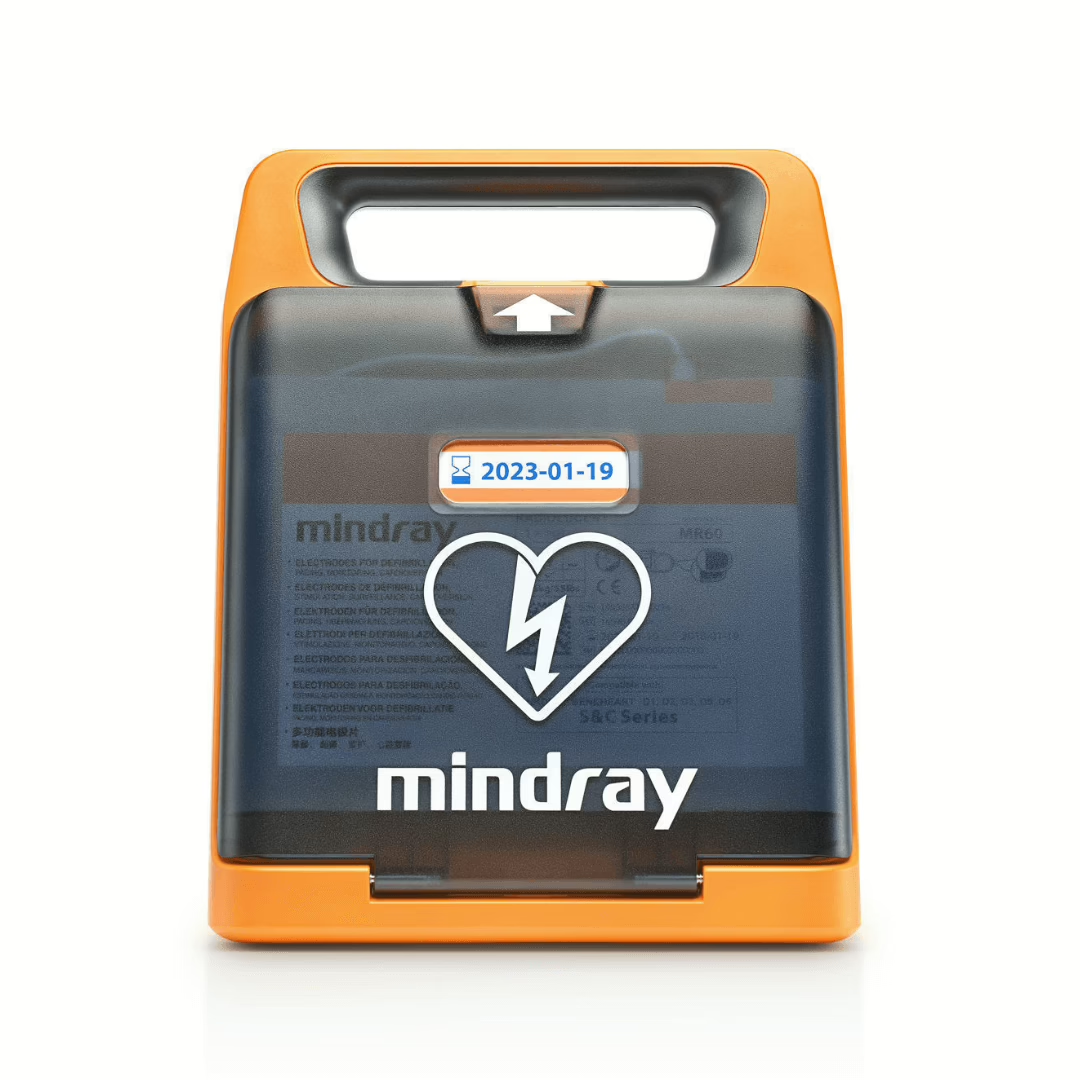
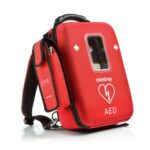
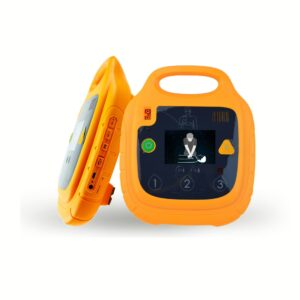
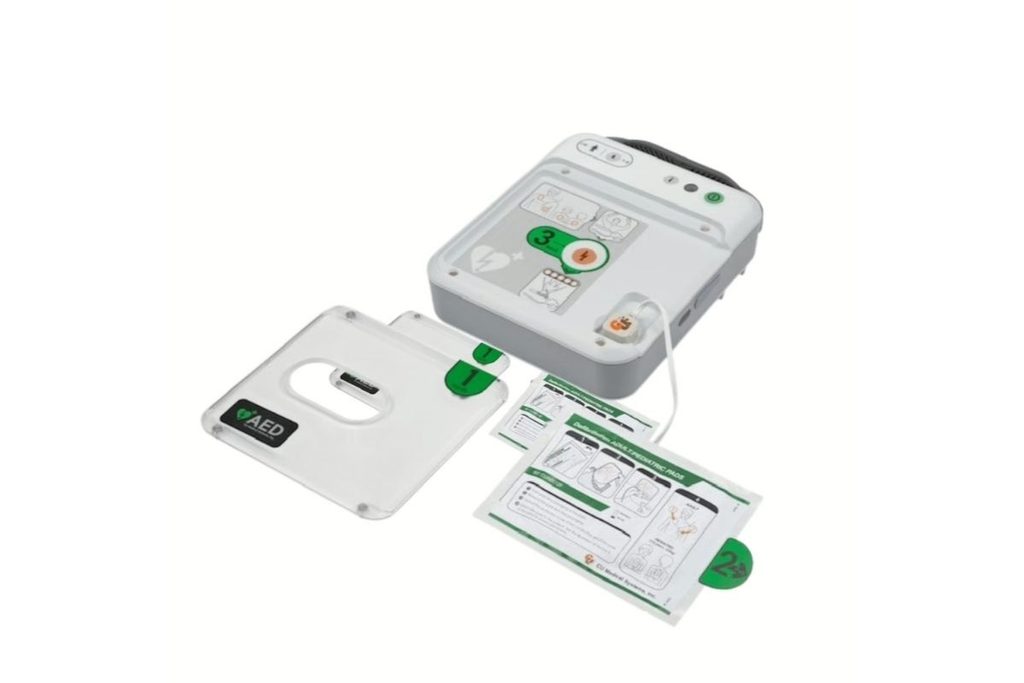
- Fully automatic vs semi-automatic – Fully automatic defibrillators deliver a shock themselves once they’re connected properly and detect a shockable rhythm, whereas semi-automatic defibrillators require a button press to deliver the shock. Fully automatic and semi-automatic defibrillators have a subtle difference and it is worth considering your needs before choosing one.
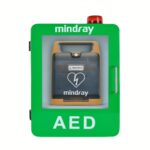
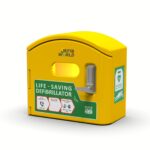
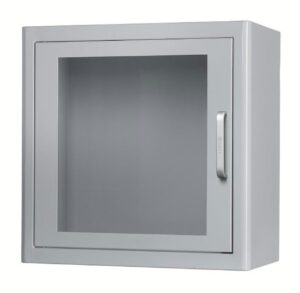
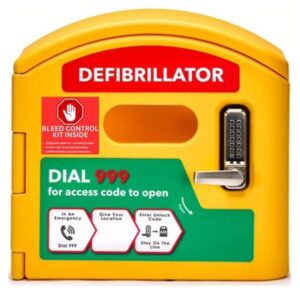
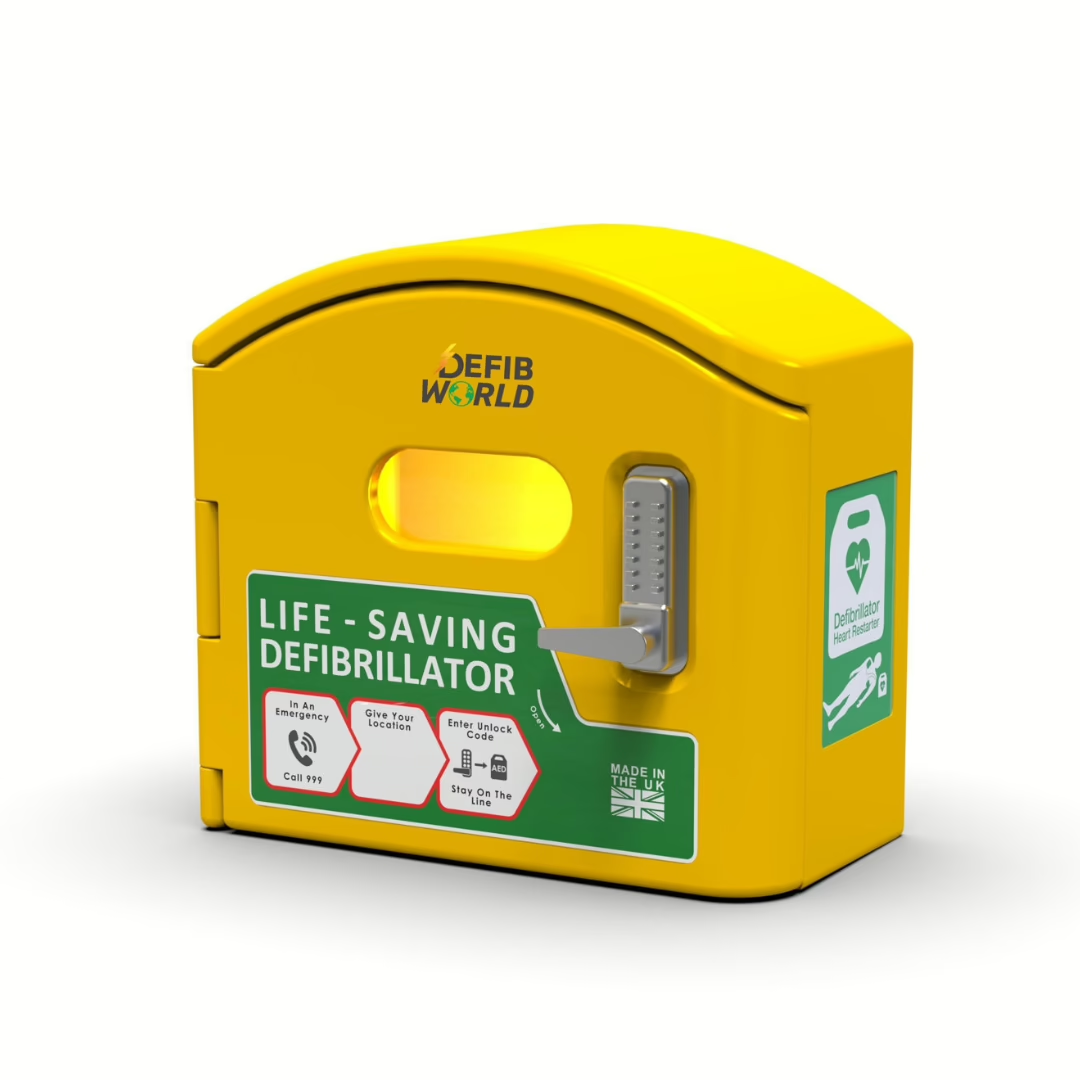
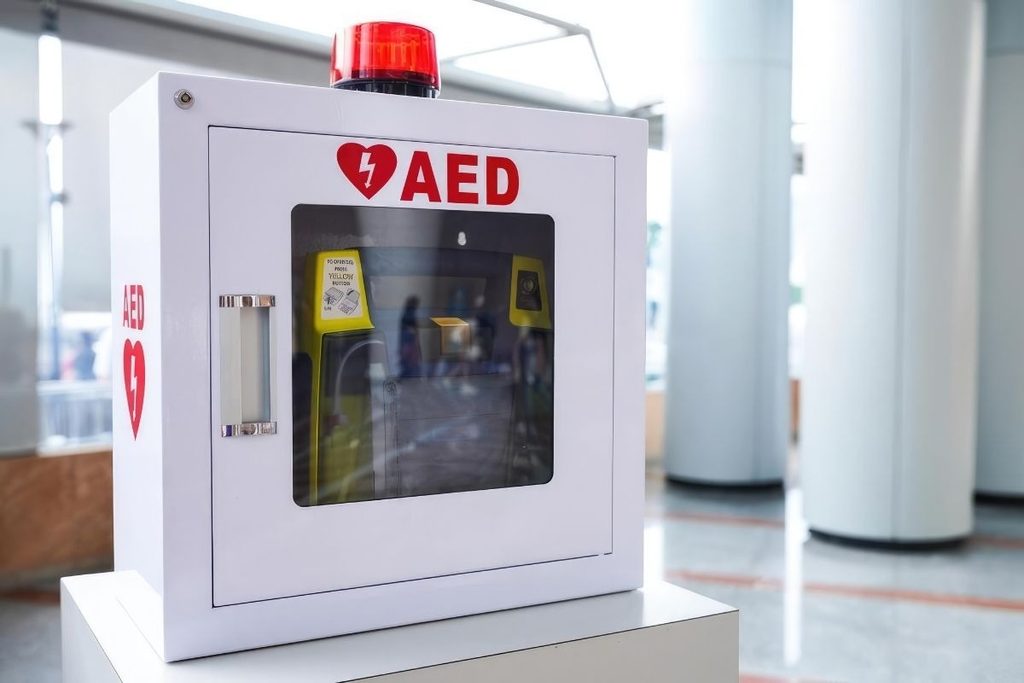
- Cabinet and storage – Cabinets can be installed inside or outside, with outside cabinets requiring heating, locks, or even alarms to keep the AED in working condition.
- Indoor vs outdoor rated units – While the cabinet is very important for outdoor AED stations, the defibrillator itself has its own IP rating or weatherproofing.
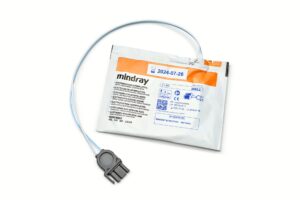
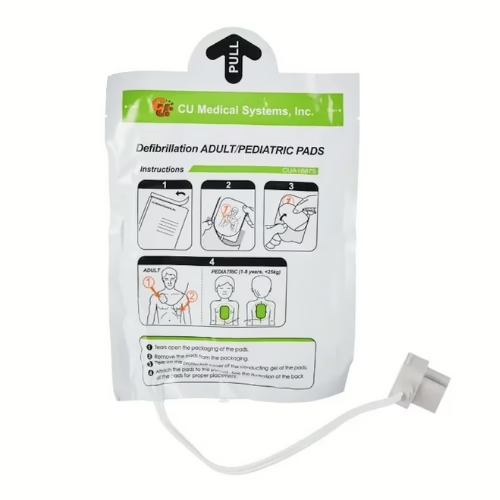
- Ongoing costs – Defibrillators will need their pads and batteries replaced anywhere from every 2 to 5 years, depending on the brand and model. If you would rather avoid ongoing replacement costs altogether, defibrillator rental may be a more cost-effective option.
Find The Right Coverage For Your Workplace
There is no legal requirement for a defibrillator in any workplace, but it’s strongly recommended that you weigh up your workplace’s risk factors and coverage before deciding.
Finding the right balance of response time and training is important for responding to emergencies.
Find the right defibrillator for your workplace with our defib finder questionnaire, or browse our full range and order online today.