
For every minute closer you are to a defibrillator, your chance of survival goes up by 10% in case of a cardiac arrest. If you consider that 72% of cardiac arrests happen at home, and yet community defibrillators are used in fewer than 1 in 10 of these cases, you’ll see how it may be worth buying a defibrillator for your home.
Defibrillators are designed to be user-friendly, even for those without medical training. With automated instructions and straightforward design, these devices empower families to act swiftly during cardiac emergencies.
In this guide, we’ll cover everything you need to know about home defibrillators and whether investing in one is right for you.
What is a Home Defibrillator?
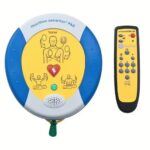
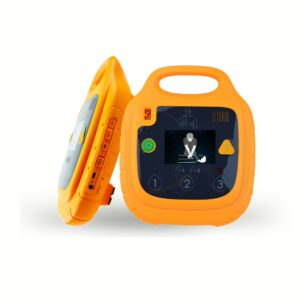
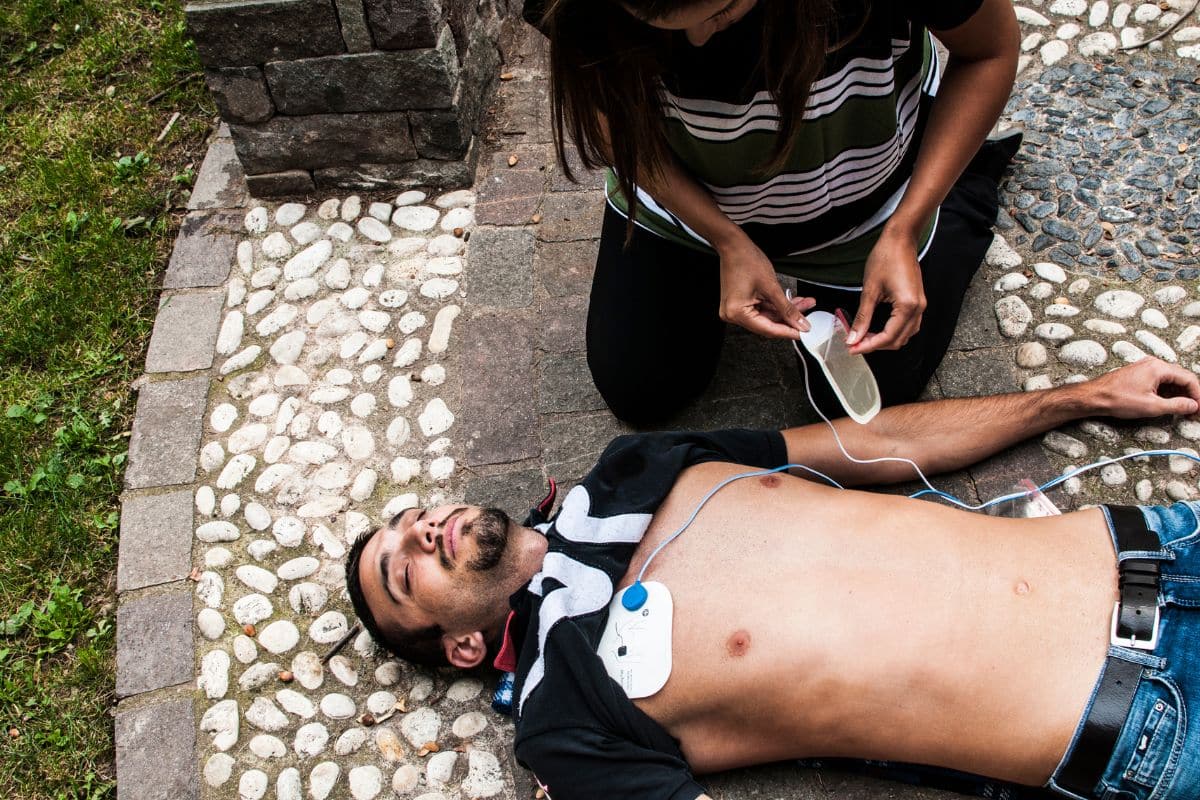
A home defibrillator is a compact Automatic External Defibrillator (AED) stored at home. If you, your family or a neighbour suffers a cardiac arrest, you can use this portable device to deliver an electric shock to the heart, significantly increasing their chance of survival.
How Does a Home Defibrillator Work?
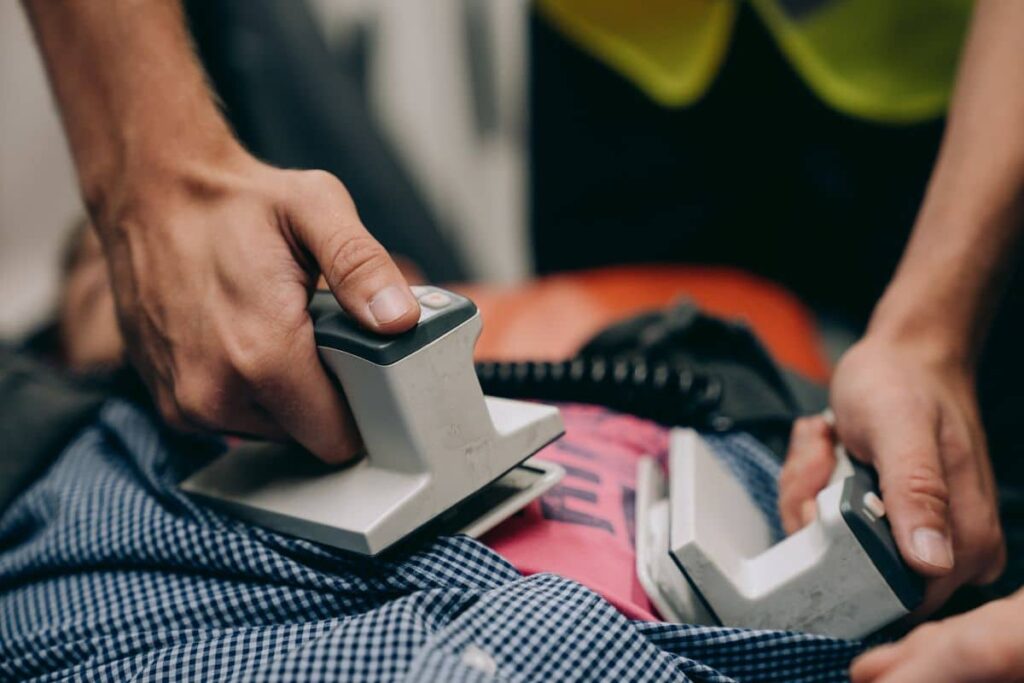
Defibrillators are life-saving devices designed to restore normal heart rhythm by delivering an electric shock to the heart. When the heart experiences an arrhythmia, it can’t pump blood effectively, which can lead to sudden cardiac arrest. The defibrillation process involves the device analysing the heart’s rhythm and, if necessary, delivering a shock to reset the heart’s electrical system. This shock stops the arrhythmia and allows the heart to resume its normal rhythm, restoring adequate blood circulation.
In an emergency, you can use an AED to quickly analyse the patient’s heart rhythm. The defibrillator will then instruct you to deliver a shock if needed to get their heart beating again.
For homes, you can purchase a fully automatic or semi-automatic defibrillator. The only difference is that fully automatic AEDs will deliver a shock automatically where needed, while a semi-automatic defibrillator will need you to press a shock button. If you’re wondering whether you’d be able to use a defibrillator, the good news is that they are straightforward to use. While CPR and first aid training will help, defibrillators are designed to be used by anyone and will give you clear voice instructions at every step.
While many areas have no regulations governing home defibrillators, certain localities may require you to register your AED with emergency services. Registration can help first responders guide you over the phone in an emergency and ensure your device’s location is known if you ever dial 999.
Do I Need a Home Defibrillator?
Next, it’s worth covering whether you need a home defibrillator. While it’s worth consulting your doctor first, a home defibrillator may be a good choice if you or your family have:
- A known heart condition
- A history of cardiac disease
- Certain genetic conditions, like Long QT syndrome or hypertrophic cardiomyopathy.
While these factors can make you more at risk, sudden cardiac arrest can affect anyone, no matter your age or health. It can affect children too, although this is less common than among adults.
If you remember that every minute counts when it comes to accessing a defibrillator, you might also consider keeping one at home if you live in a particularly remote or rural area.
Numerous real-life accounts highlight the life-saving potential of having a defibrillator at home. The impact of widespread defibrillator access extends beyond individual households to the broader community. When more homes are equipped with defibrillators, the community’s overall safety and preparedness improve.
What to Look for in a Home Defibrillator
If you do decide to invest in a home defibrillator, here are some factors you should consider:
Size, Storage, and Portability
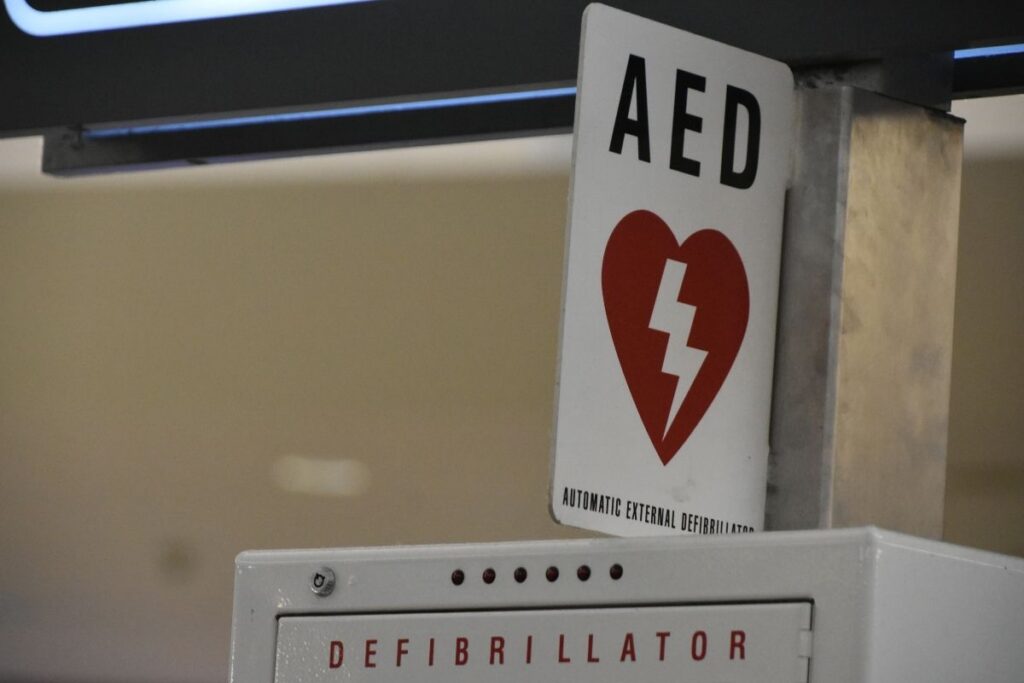
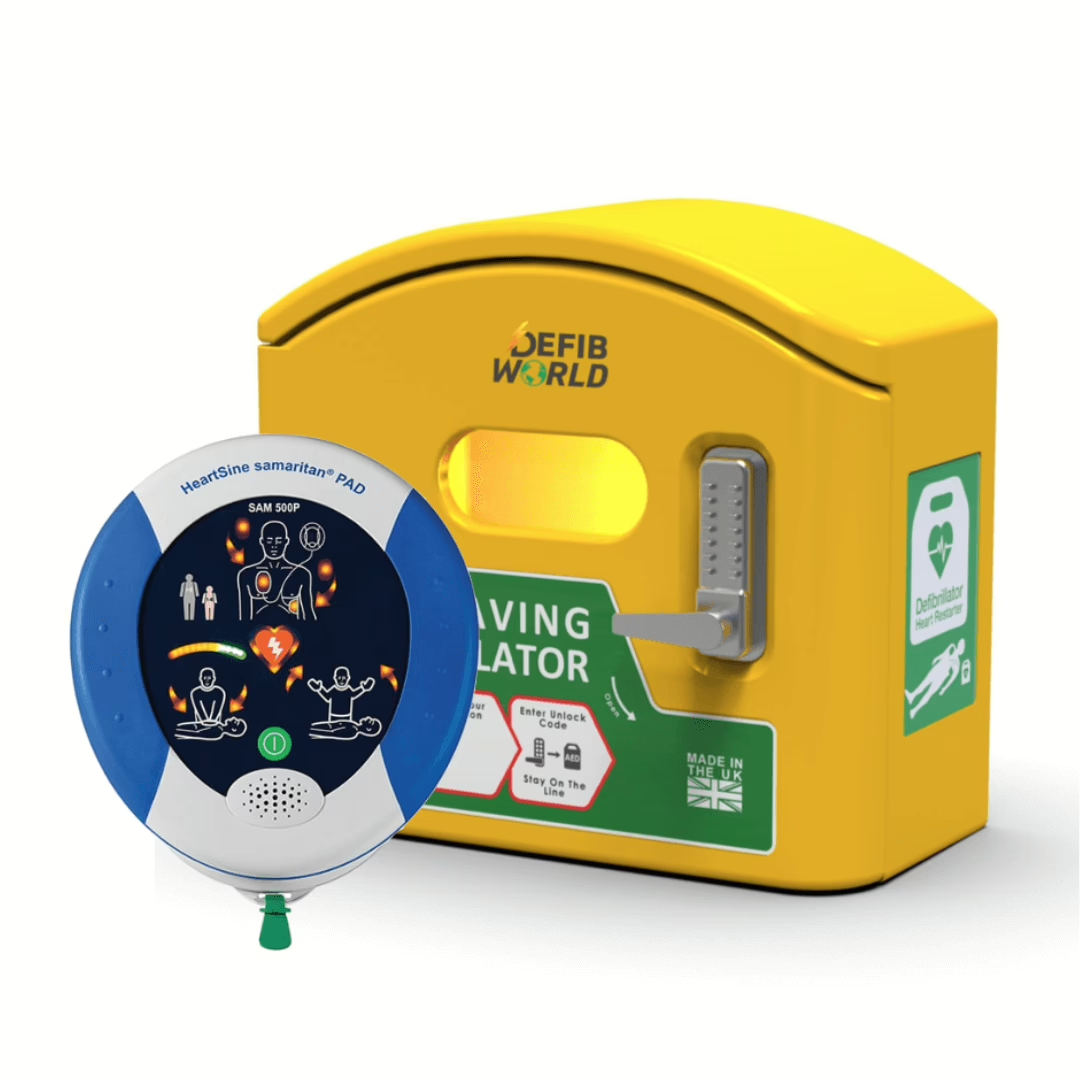
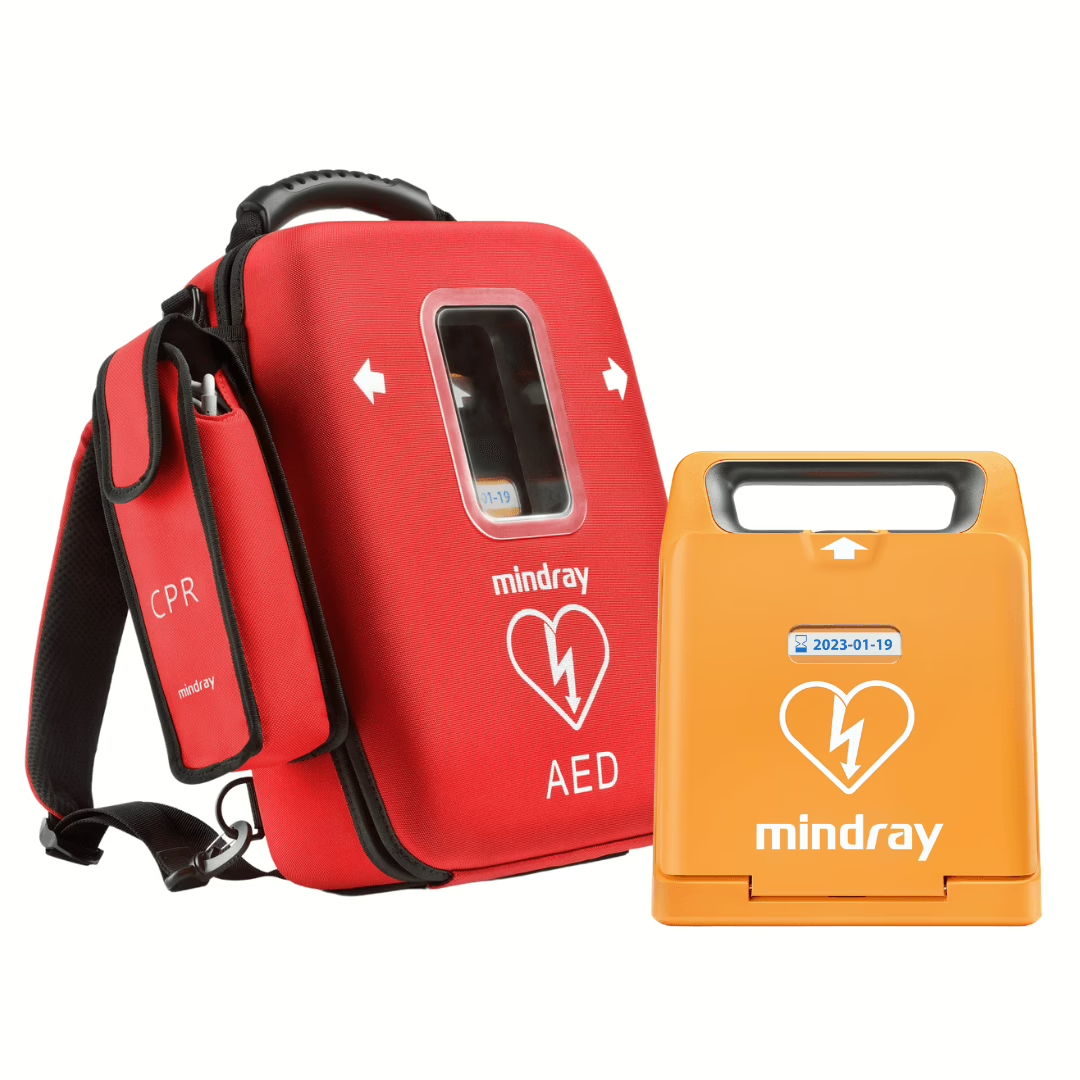
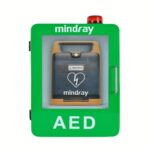
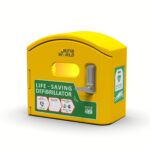
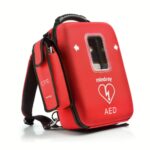
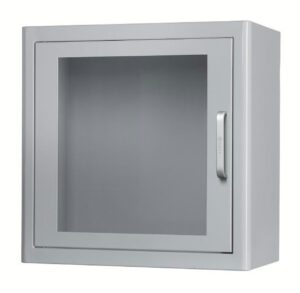
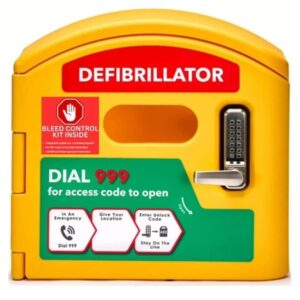
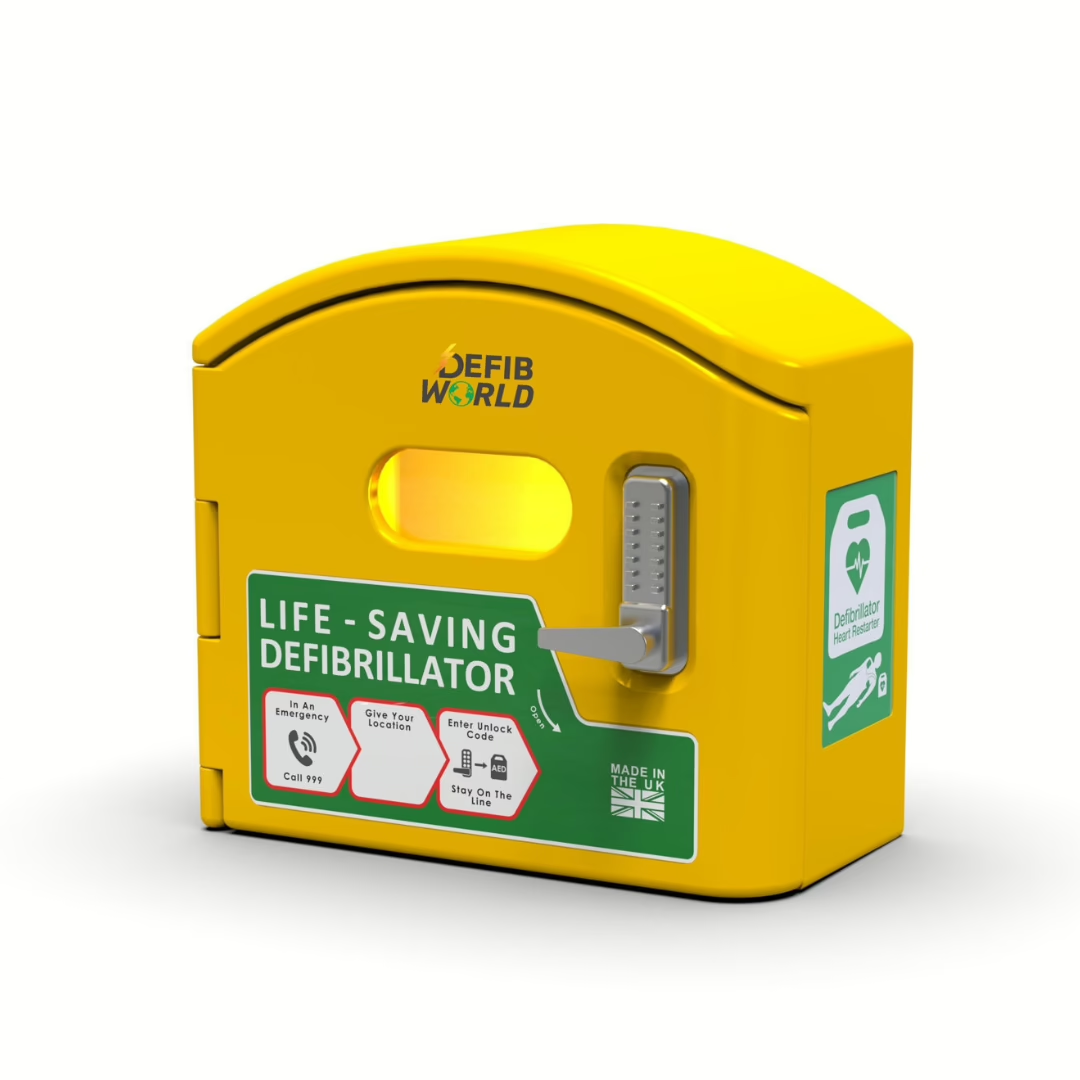
Even if you’re keeping it at home, you may want to store your AED somewhere easy to access but out of reach of small children. Consider the device’s dimensions and where you plan to place it. Some homeowners prefer a mounted cabinet (see defibrillator storage) for quick visibility, while others prefer a more discreet option like a small carry case placed in a closet. If you ever plan to travel with your AED, a portable or lightweight unit could be advantageous.
CPR Feedback
Whether you’re trained in CPR or a complete novice, devices offering real-time CPR feedback can be incredibly useful. This feature monitors compression depth and rate, guiding you to maintain effectiveness during compressions, which is critical for oxygenating vital organs.
What is the Best Defibrillator for Home Use?
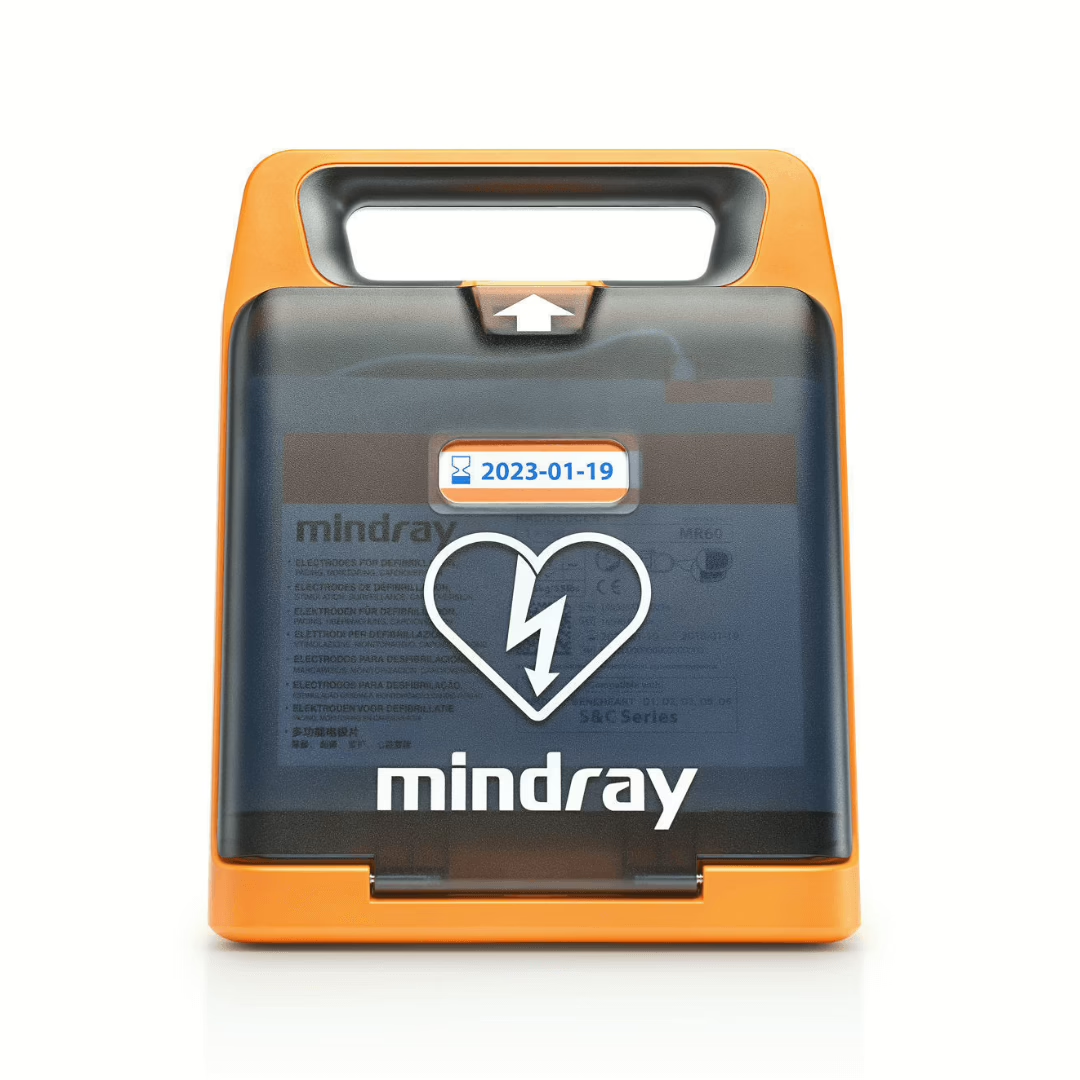
When choosing a defibrillator for your home, you’ll probably want a model that’s simple to use, with easy storage and maintenance. A couple of popular choices for home defibrillators include:
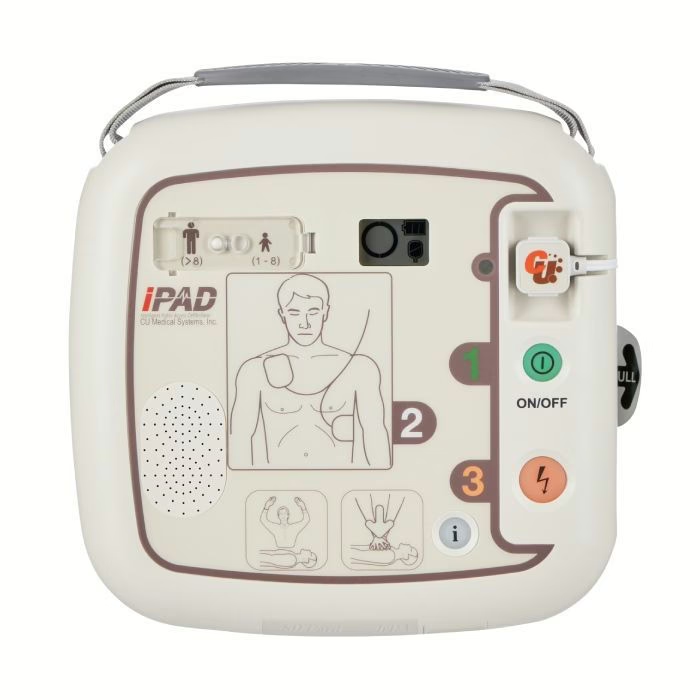
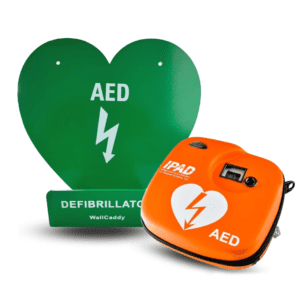
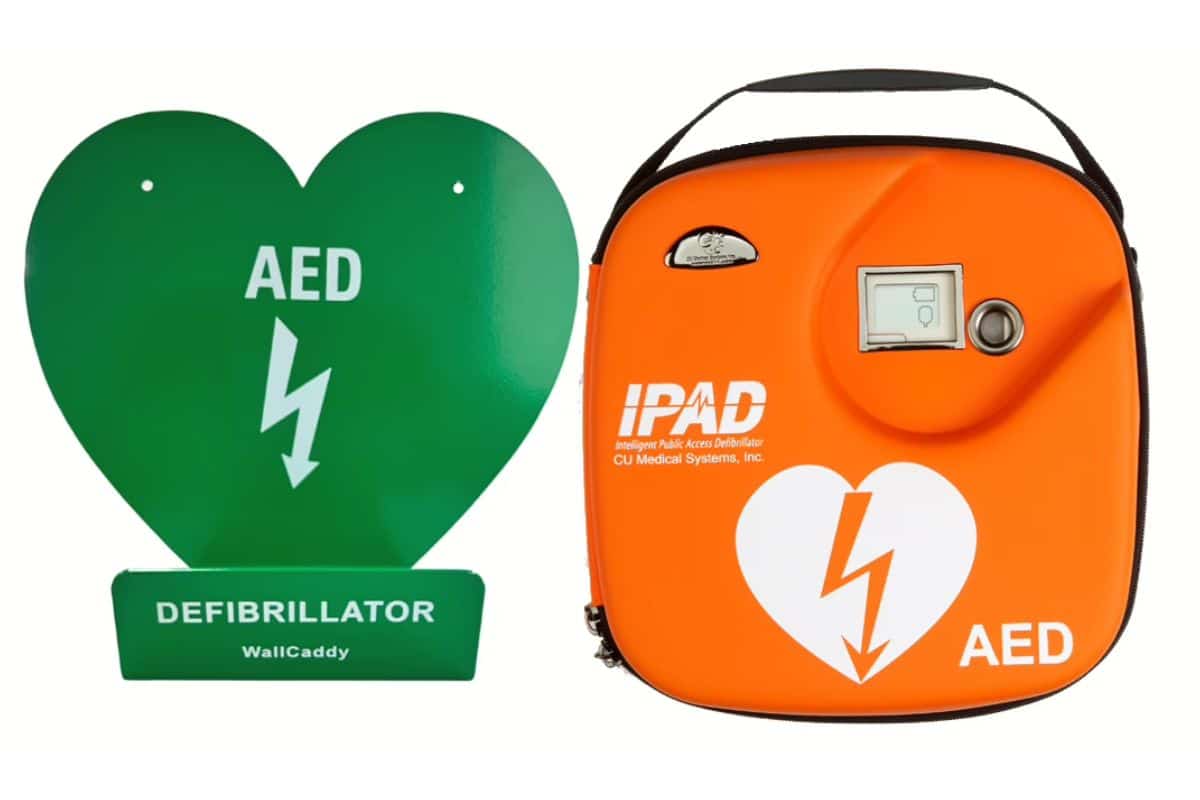
iPAD SP1 Fully Automatic AED
The iPAD SP1 is a defibrillator that’s widely used by the NHS Ambulance Service and emergency responders. In your home, this defibrillator makes it easy to switch between treating adults and children – just press a button, so there’s no need to change pads.
Having the pads inside the device is also useful for homes, where you’ll likely store your defibrillator for a long time before you need it.
Philips Heartstart HS1 AED
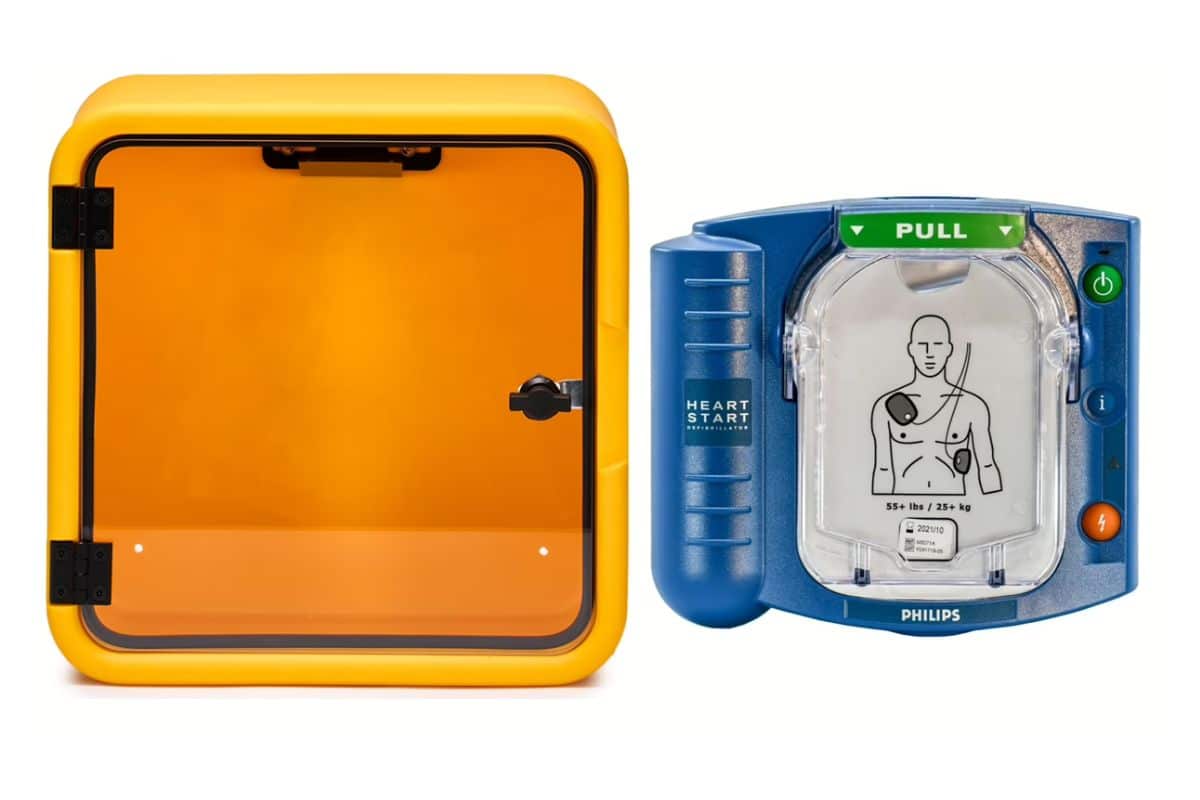
The Philips Heartstart HS1 is designed for everyday users, with smart technology to help you deliver the best therapy in a high-stakes situation.
For extra support, the HS1 AED provides step-by-step voice instructions and coaches you through CPR. It also has a quick-shock ability, helping you to deliver CPR and defibrillation within a space of just 8 seconds.
As home defibrillators will be stored for a long time, the HS1 AED also has the benefit of testing itself daily to make sure the components, subsystems and battery are all ready.
What is the Cost of a Home Defibrillator?
In the UK, a home defibrillator can cost anywhere between £960 and £1,700. The model you’ll choose will depend on the features you need. Since a home defibrillator is a precaution you’ll hopefully never use, you may want a simpler device.
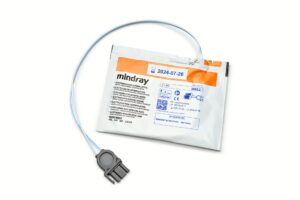
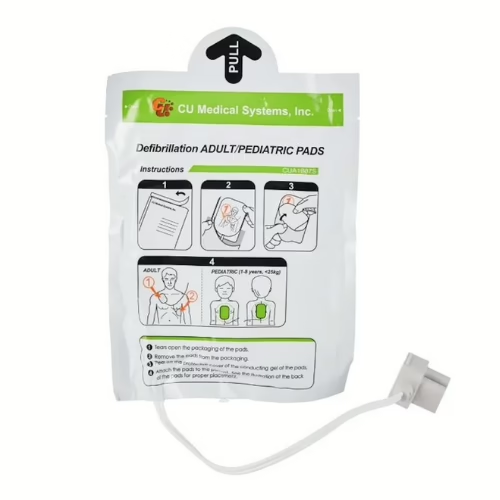
When it comes to maintenance costs, defibrillators have relatively low upkeep. You’ll need to electrode pads around every 2 years or if they are used and the battery every 5 years.
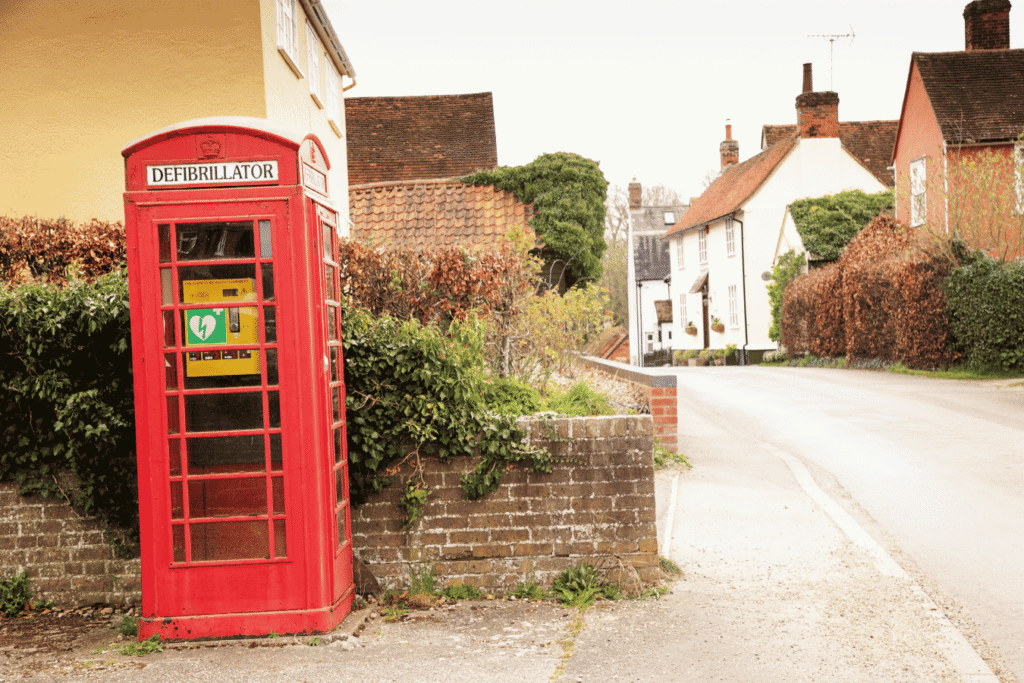
Before investing in your own defibrillator, you might also want to check if there’s a community defibrillator in your area.
Preparing to Use Your Defibrillator
Empowering families to prepare for cardiac emergencies involves several practical steps. First, it is crucial to acquire a defibrillator and ensure it is easily accessible in the home. Next, families should familiarise themselves with the device and consider participating in CPR and defibrillator training programs. These steps equip families with the tools needed for an emergency and provide peace of mind.
Educational resources are readily available to help families learn about CPR and the use of defibrillators. Many organisations offer training programs that cover the basics of cardiac emergency response, including how to perform CPR and use a defibrillator. These programs are designed to be accessible and informative, ensuring that even those without medical backgrounds can gain the knowledge and confidence needed to act in an emergency. Ongoing education and support are also available, providing families with the tools to stay informed and prepared.
How We Can Help
If you were wondering whether it’s worth buying a defibrillator for your home, we hope this guide has left you feeling more confident knowing whether it’s the right investment for you.
While defibrillators can be an upfront investment, they can make all the difference in life-and-death situations and are simple enough for most adults to use.
At Defib World, we’re committed to making life-saving defibrillators accessible and easy to use for everyone. Explore our range of trusted, easy-to-use defibrillators, including rental options, or use our Defib Finder to find the right defibrillator for you. You can also call us on 0330 223 6336 or drop us an email at sales@defibworld.org to discuss your requirements.