


Published on 18/08/205 & Updated on 19/10/2025.
Is your defibrillator rescue ready? Maintaining a defibrillator ensures it will function in an emergency. This is crucial because for every minute without CPR and defibrillation, the chances of survival drop by 10%. Despite this, regular upkeep is frequently overlooked.
In this guide, our experts will walk you through why regular maintenance of your defibrillator is essential and everything you need to know to keep your defibrillator rescue-ready, from routine checks to essential maintenance tasks.
If you have any questions, you can contact us using our contact form or call us on 0330 223 6336 for quicker guidance and support on choosing and using a defibrillator.
Why Should I Check My Defibrillator?
Ignoring maintenance can put lives at risk. This is because early defibrillation, within 3–5 minutes of collapse, can increase survival rates by 50-70%. In contrast, the survival rate drops by about 10% each minute longer, so a working defibrillator is essential.
Regularly check your defibrillator to make sure that its batteries, pads, and other internal mechanisms are working.
How Often Should My Defibrillator Be Checked?
Most AEDs perform automatic self-tests depending on the model. If a device fails a self-test, then it might make a noise, flash and/or display an error. It is a good idea to familiarise yourself with the user manual to understand a) if your device self-tests and b) what your specific device will do if it fails the self-test. Keep in mind that not all devices conduct the same daily self-tests, so you should refer to the user manual to be sure.
In addition to the self-tests, you will also need to conduct visual inspections weekly. We’ll share more on what you need to check in the next section.
A defibrillator engineer or technician can also conduct deeper checks, including live circuit testing and firmware updates, in instances where there is no designated “Responsible Person” or for peace of mind if the defibrillator hasn’t been maintained in a while.
Did you know? If you register your defibrillator on The Circuit, the national defibrillator network, you will receive regular reminders to record your checks and replace your electrode pads. Find out more about registering your defibrillator here.
How Do I Check That My Defibrillator Is Working?
Here are the basic steps you need to follow to check your defibrillator.
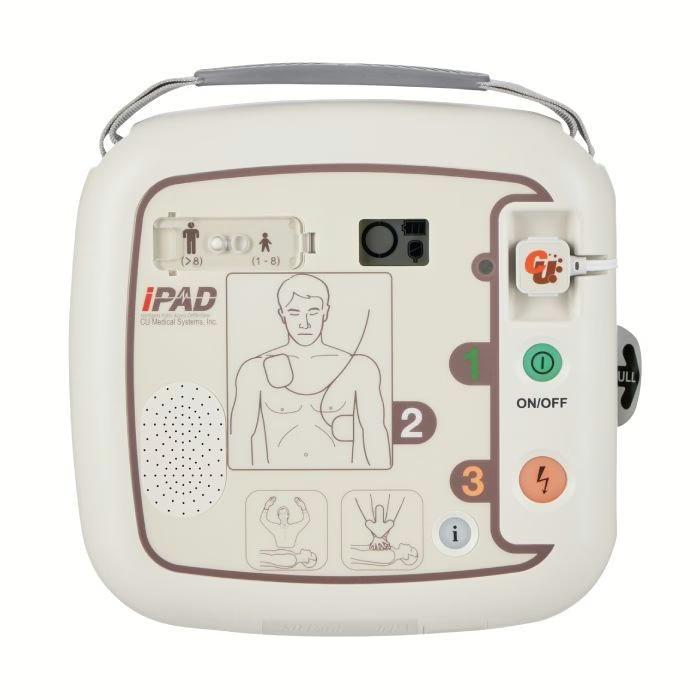
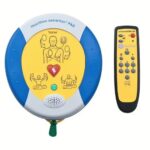
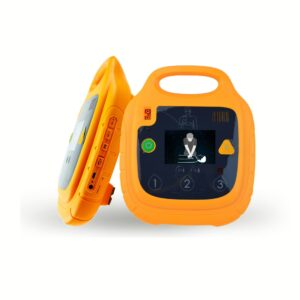
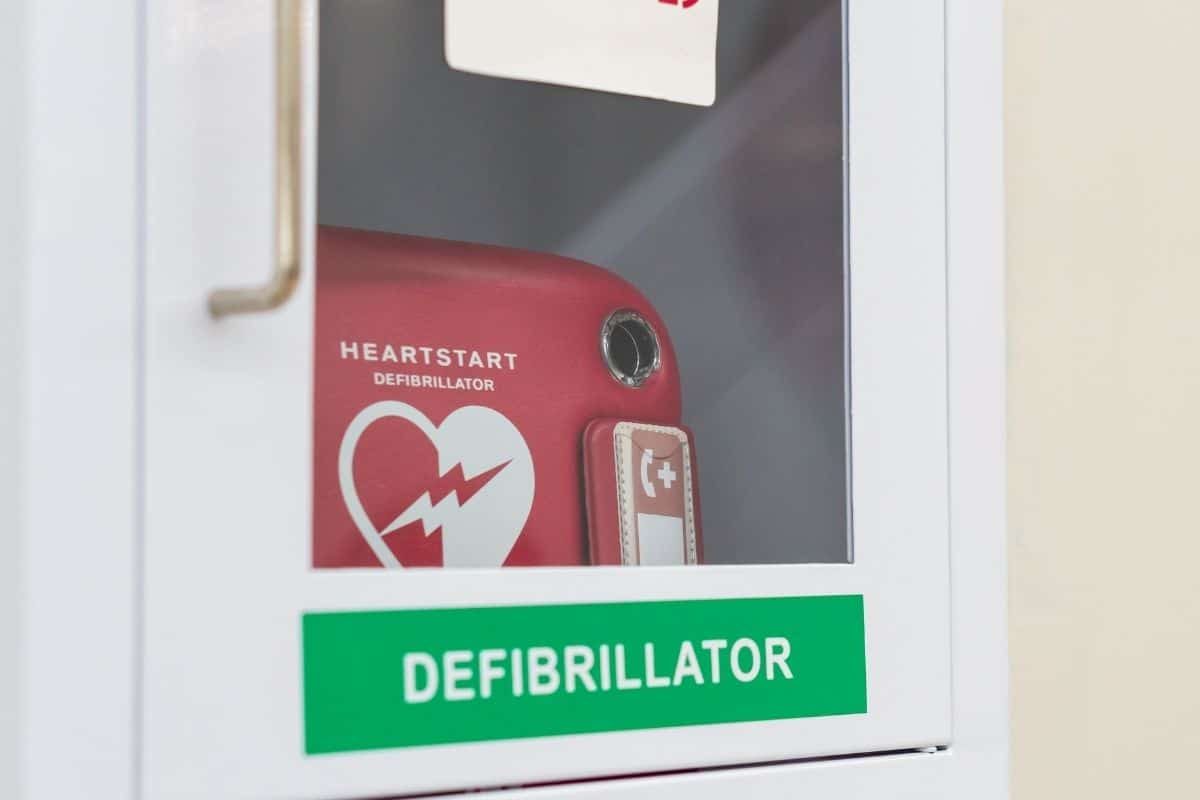
- Defibrillators have a status on the front of the device. Check the status indicator for green, which tends to indicate that the defibrillator is ok. If there is beeping, flashing or an X on the front, these are usually signs that a device has failed its self-test. Check your user manual if you are not sure what the status means, or consult our Troubleshooting articles for further guidance.
- Check the rest of your defibrillator for obvious signs of damage or use.
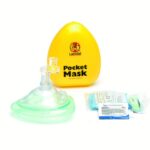
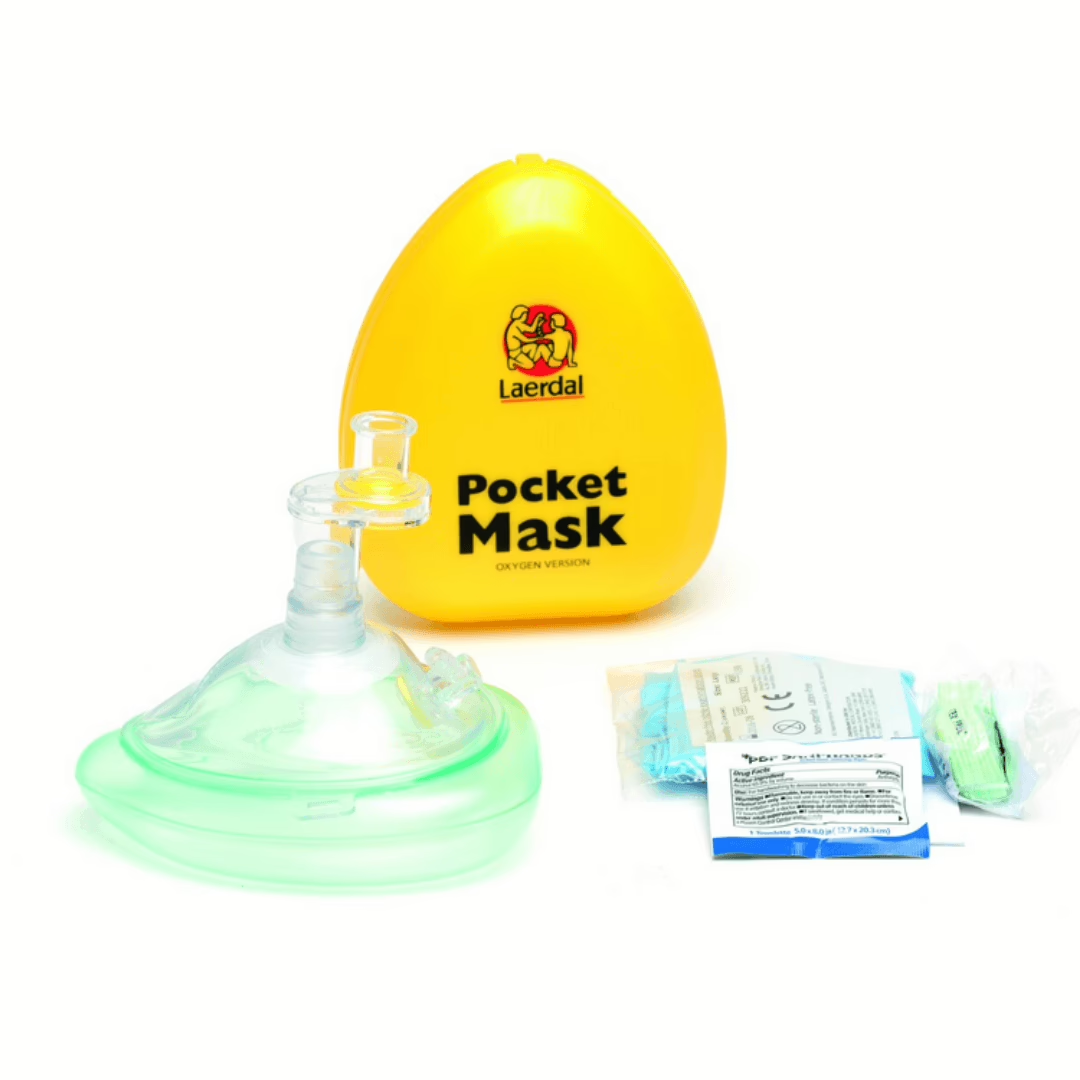
- Check to see if the items that are usually stored with it are still there, such as a first response kit, face shields, scissors, razor, cleansing wipes and required paperwork.
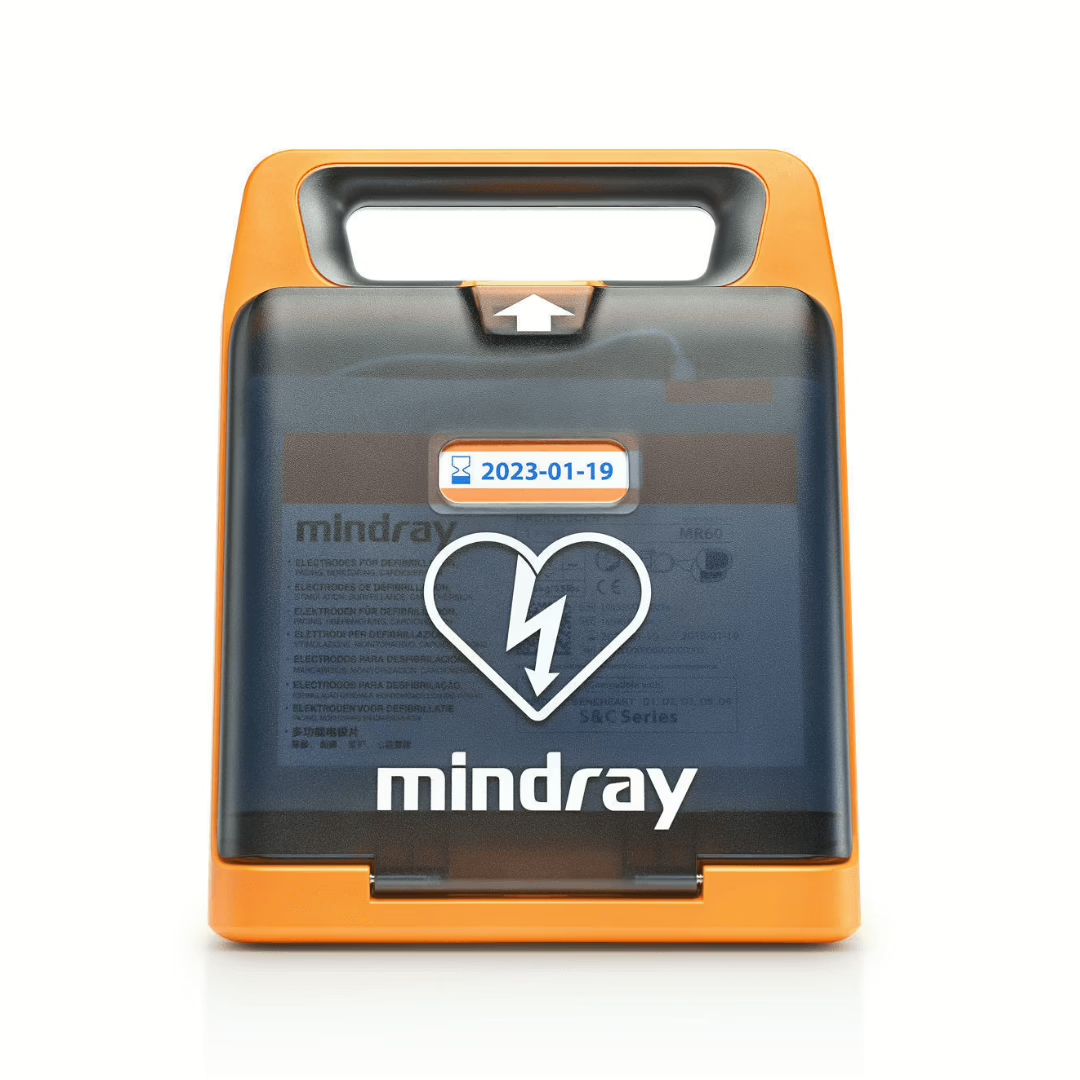
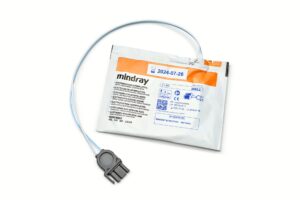
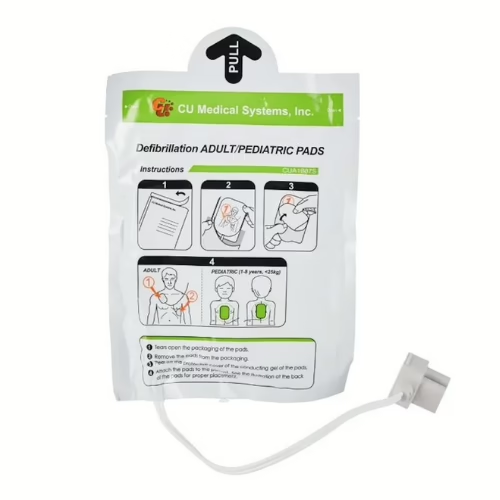
- Check the expiry date on the sticky pads and batteries. If they are out of date or low charge, replace them.
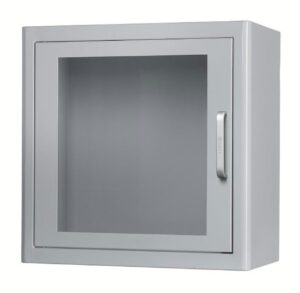
- Though not essential, you can also give the defibrillator or its storage container a wipe with a damp cloth to prevent the build-up of dirt and grime.
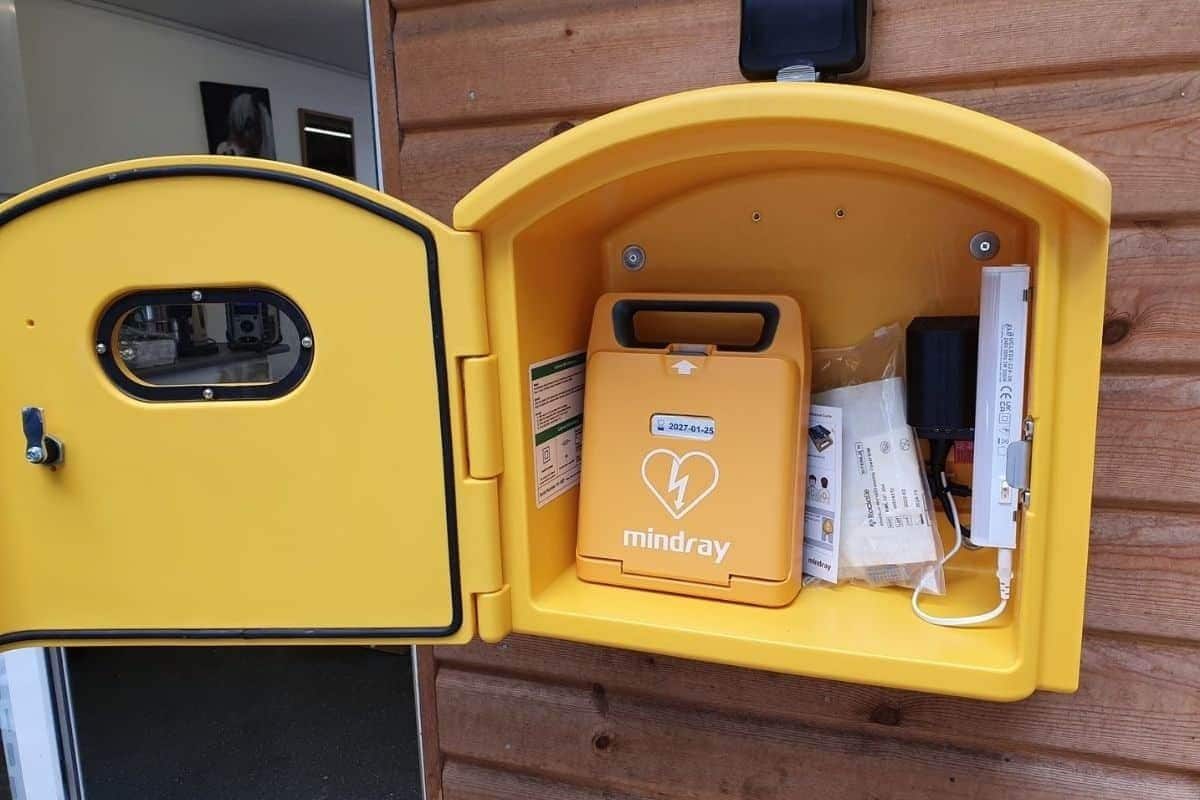
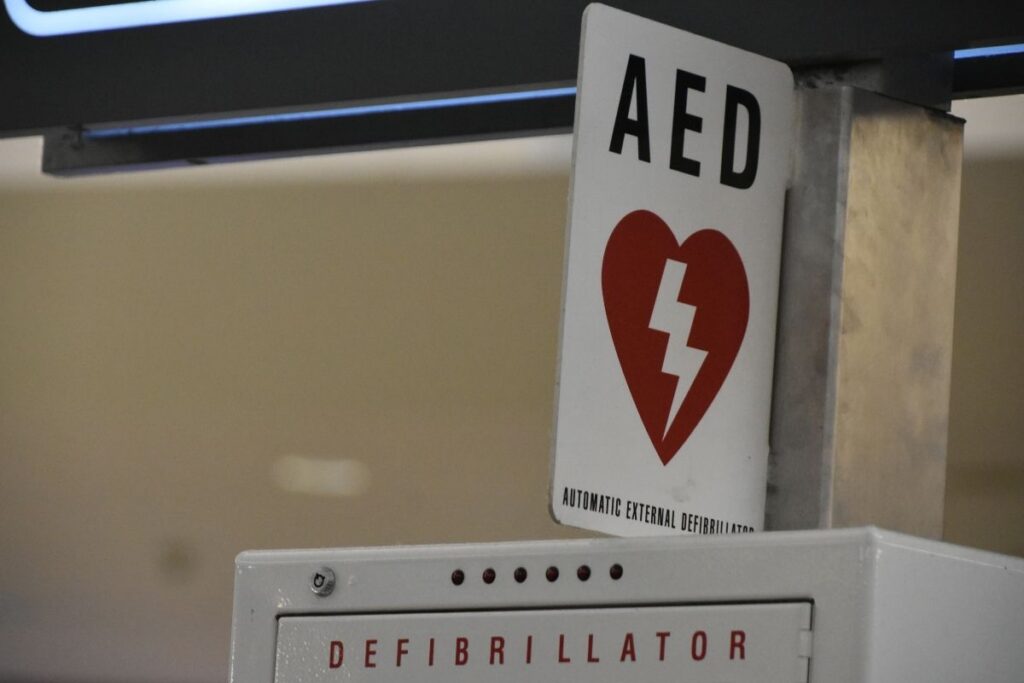
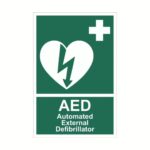
Once the check is complete, make sure the defibrillator is properly stored and that all signage is clear. And don’t forget to update your documents. You should maintain logs of all checks, replacements, services, and incidents.
At Defib World, we can help you check and maintain your defibrillator with our replacement parts and accessories. Contact us today to speak to one of our experts.
How to Maintain a Defibrillator
Most defibrillators self-test on a daily, weekly or monthly basis, which means that the device would signal with a flashing light or audible alert if there were a problem. Our iPAD SPR troubleshooting tips show what these alerts mean on that model.
However, you still need to conduct regular checks. On a weekly basis, you should:
- Check the standby light and visual status.
- Ensure the unit is clean and accessible.
- Replace expired pads or batteries.
- Confirm the presence and condition of accessories and required documents.
After each use, you should:
- Replace pads as they are mandatory single-use items, and possibly the battery, depending on the model.
- Clean down the defibrillator, download event data if required, reset, and perform a self-test.
How We Can Help
Keeping your defibrillator functional is just as important as having one in the first place. At Defib World, we don’t just supply reliable defibrillators; we help you maintain them with our replacement parts and accessories. We also provide flexible defibrillator rental options.
Still need help? Our knowledge hub is full of articles which answer your FAQs on defibrillators and first aid. Otherwise, our experts are here to help you choose the right defibrillator and storage accessories for your specific needs. Contact us now for personalised advice.