












Cardiac arrest can happen to anyone, but those with pre-existing heart conditions, previous heart attacks, coronary heart disease, obesity, or a family history of heart problems are at increased risk and are more prone to cardiac arrest.
In the UK, there are 40,000 out-of-hospital cardiac arrests each year, with a survival rate of less than 1 in 10. With this in mind, immediate CPR and access to a defibrillator are not a luxury; they are essential.
Cardiac arrest is different from a heart attack. A heart attack occurs when blood is blocked from flowing to the heart, while cardiac arrest happens when the heart suddenly stops pumping blood effectively, most commonly due to an abnormal heart rhythm.
Without immediate CPR and defibrillation, cardiac arrest can quickly lead to death or permanent brain damage, highlighting why emergency equipment and training should be part of every workplace and public area.
In this blog, we are going to cover the most common factors that influence cardiac arrest risk and what you should watch out for.
Heart Disease Sufferers Are Most at Risk of Cardiac Arrest
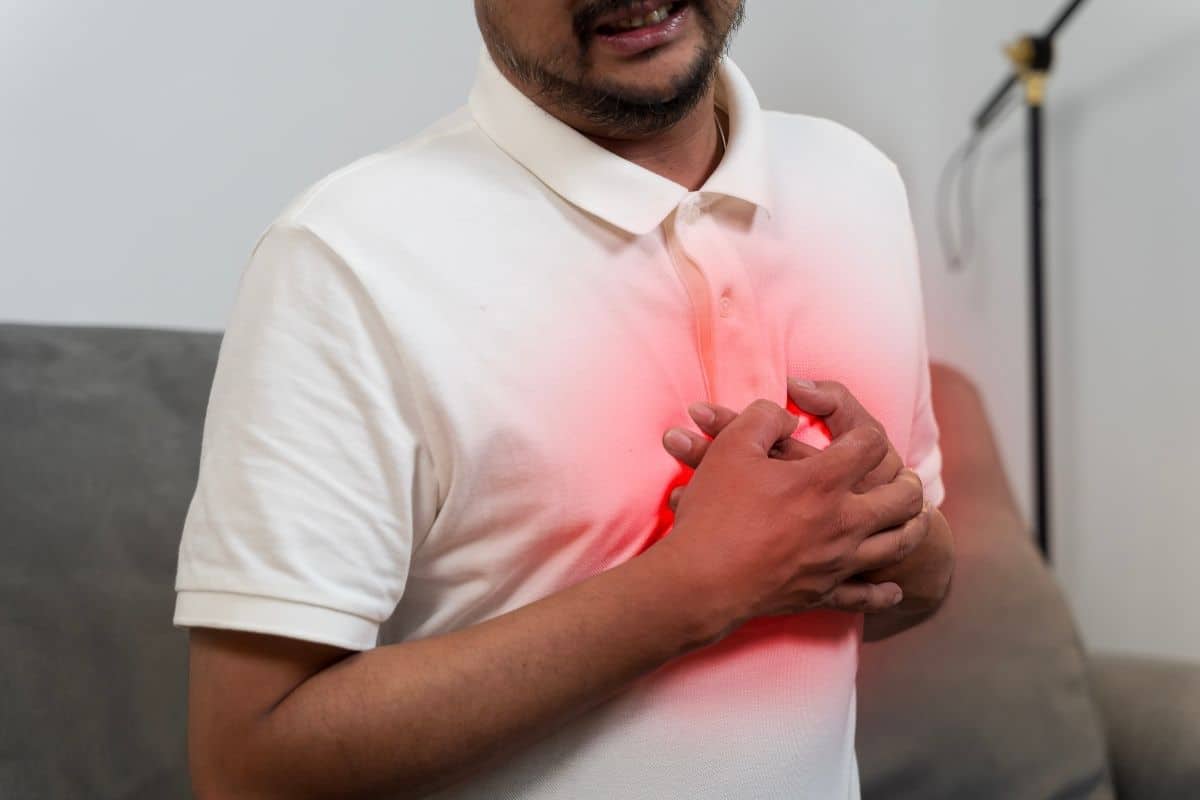
Those at the greatest risk of cardiac arrest often suffer from existing heart conditions, coronary heart disease in particular. In fact, most people who suffer an out-of-hospital cardiac arrest have heart disease, even if they are unaware beforehand.
Coronary heart disease develops when fatty deposits build up in the coronary arteries, reducing blood flow to the heart. This can increase the risk of heart rhythm problems or block blood flow, causing a heart attack.
A previous heart attack or previous cardiac arrest can also increase risk. A heart attack might trigger ventricular fibrillation, a condition where the heart chambers quiver rather than pump blood. A heart attack leaves behind scar tissue, which affects the heart’s electrical signals, making future cardiac arrests more likely.
Older Adults and Men are More Prone to Cardiac Arrest
Age is one of the biggest risk factors for cardiac arrest, and it is rare to see it in anyone under the age of 30. In older people, the main risk factor is still coronary heart disease and other heart conditions, simply because these conditions are more common as a person gets older and may go undiagnosed.
Men are more prone to cardiac arrest on average, while women’s risk increases after menopause. Men over the age of 45 are at a greater risk again, but lifestyle and family history play an important role.
Some research suggests that cardiac arrest risk changes for different ethnic groups. Black men have double the chance of dying from cardiac arrest when compared to white men. In addition, black women’s risk is higher than black men’s.
This does not mean defibrillator placement should be based on one demographic alone. Staff, visitors, and customers will all have different levels of risk. Instead, defibrillators should be placed in high footfall areas with high levels of visibility and accessibility.
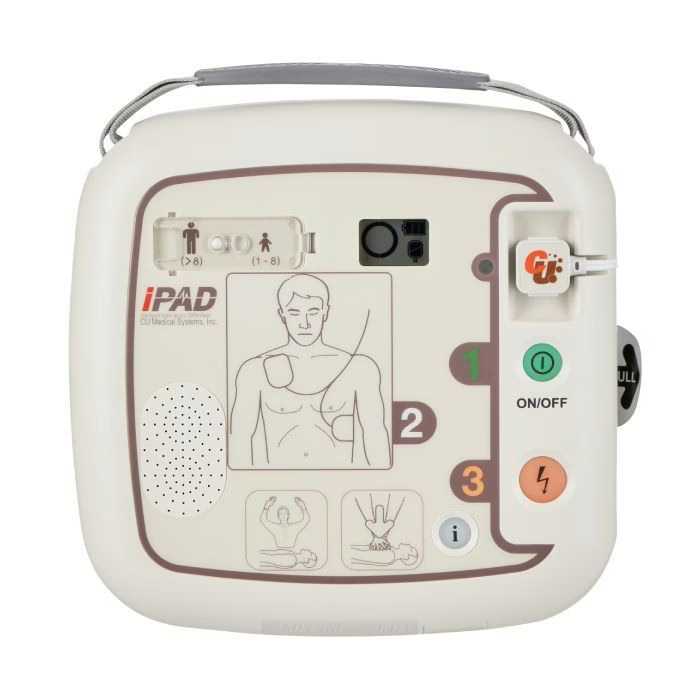
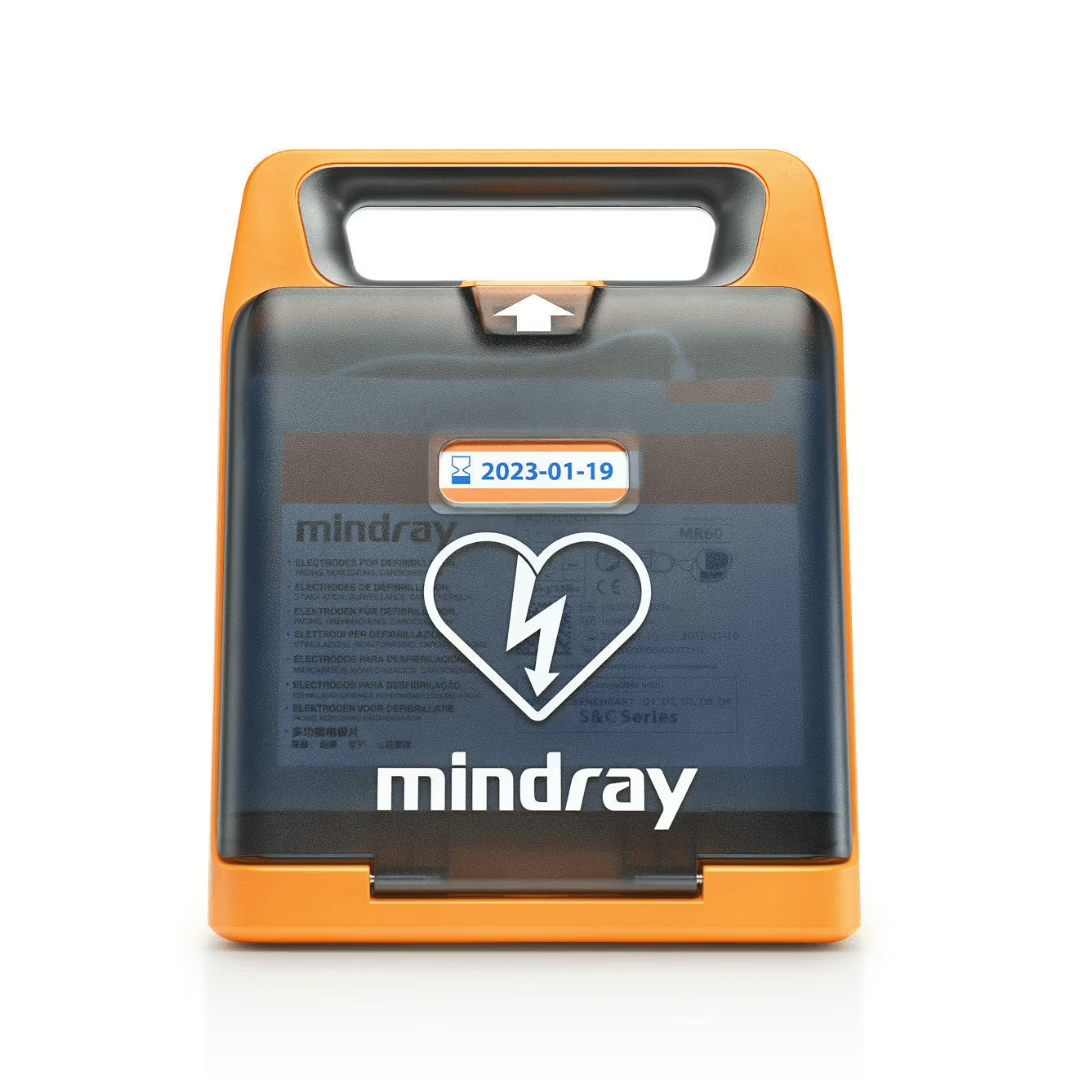
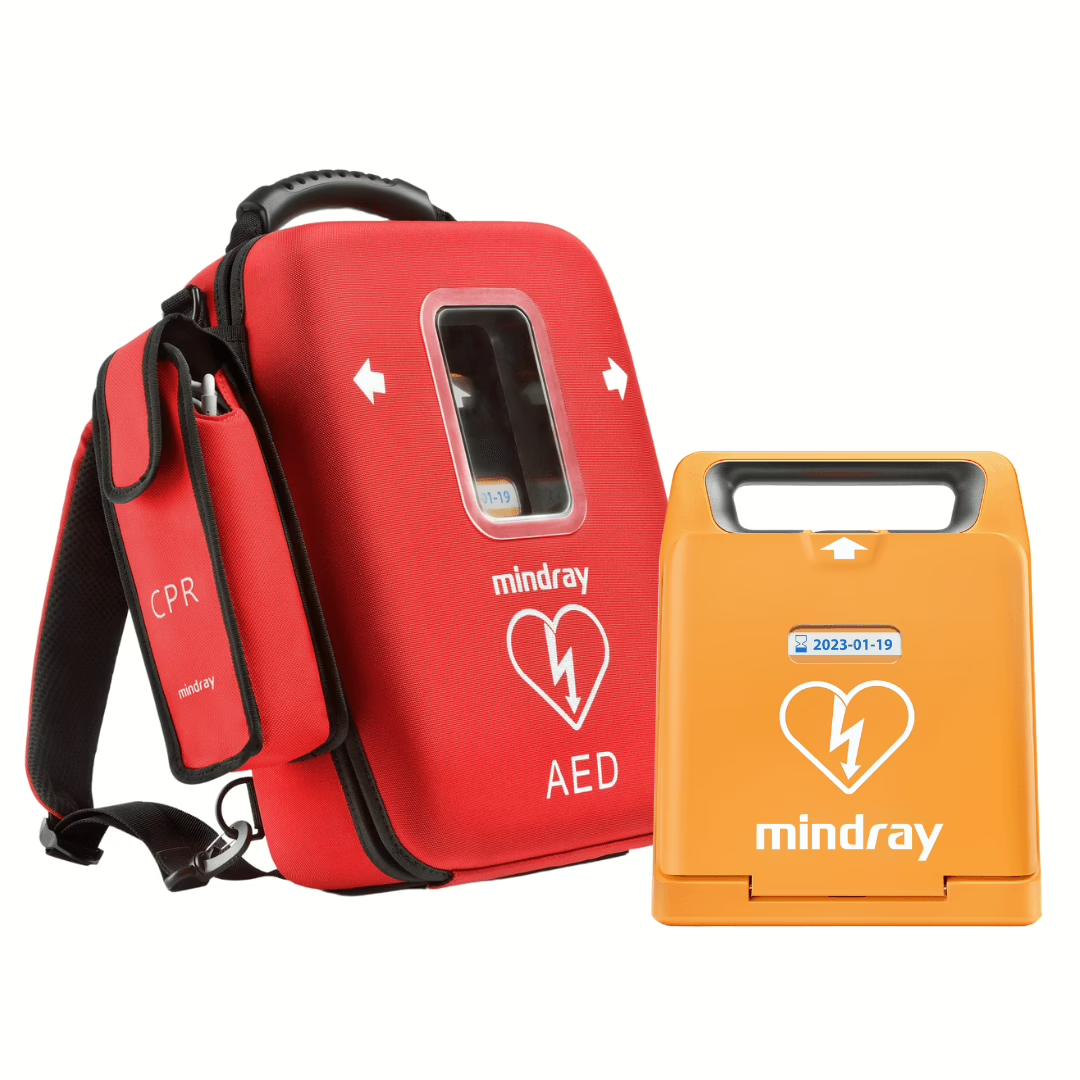
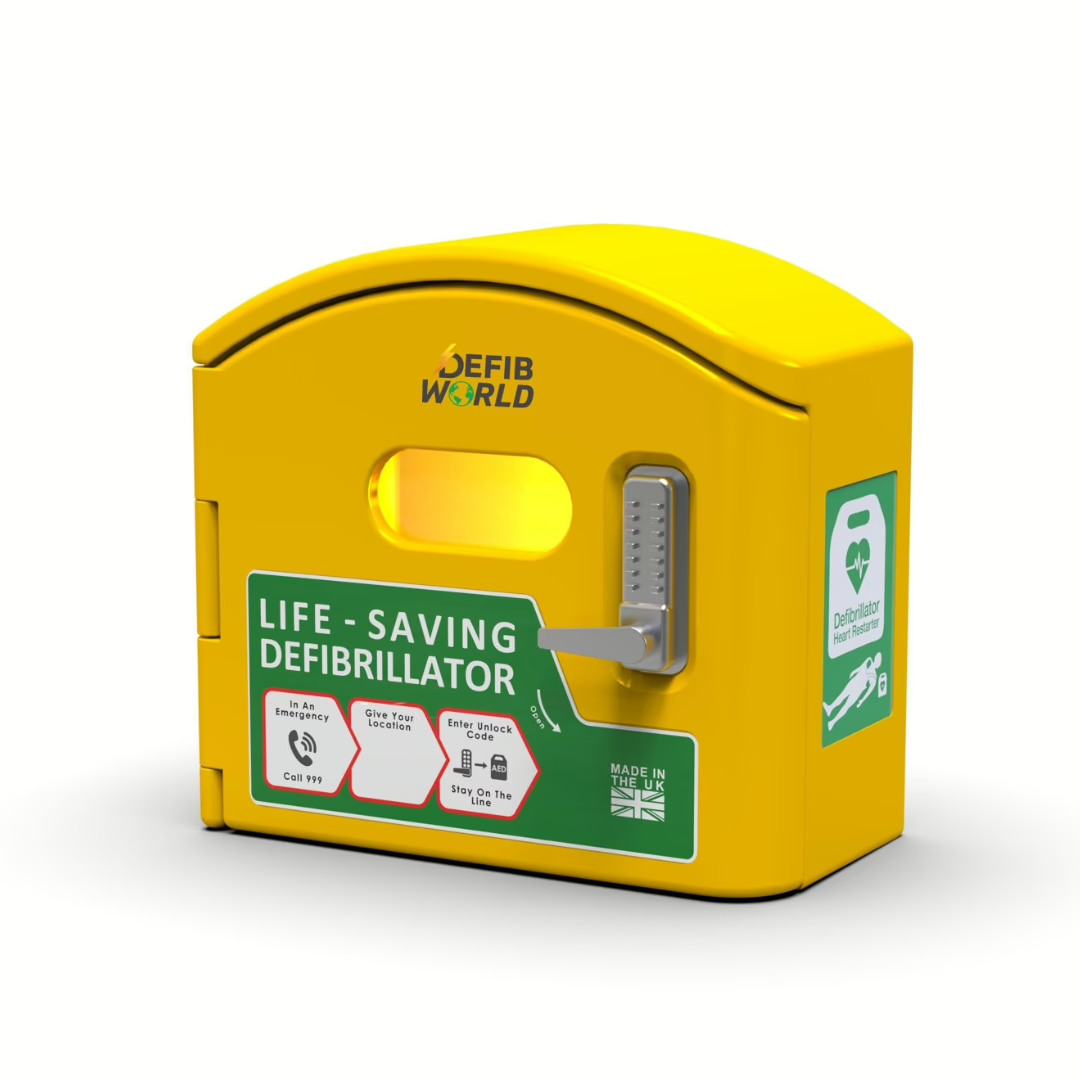
If you have a group that has high-risk factors for cardiac arrest, you might want to consider a defibrillator. You can see our full range of defibrillators and order online today.

High Blood Pressure, Diabetes, Cholesterol, and Obesity
Those with high blood pressure, high cholesterol, diabetes, or obesity may be more prone to cardiac arrest due to their conditions increasing the risk of heart disease.
High blood pressure is a particularly problematic condition because it often causes no symptoms. It can be a major contributor to heart disease, and the only way to identify it is to measure it directly.
High cholesterol will also contribute to a person’s risk of heart disease, but it is also difficult to identify due to a lack of symptoms. Similarly to high blood pressure, it can only be directly measured.
Diabetes can increase the risk of cardiac arrest along with changes in blood electrolytes. According to the British Heart Foundation, more than 5.8 million people in the UK suffer from diabetes, and estimates suggest that at least 1 million are undiagnosed.
Lifestyle and Family History
Certain lifestyle factors can increase risk, such as smoking, inactivity, and a poor diet, which are all linked to bad heart health.
A lack of physical activity can increase the risk of heart disease and can have a direct effect on things like obesity, high blood pressure, high cholesterol, and diabetes. Of course, this is not to say that exercise is the solution to every problem, but it can contribute to general heart health, lowering risk factors.
Smoking can damage the heart and blood vessels, increasing the risk of heart disease and heart attacks. The chemicals in cigarettes can make the arterial wall sticky, causing fat to stick and create clogs.
Your family’s heart history also plays a role. A family history of coronary artery disease or sudden cardiac arrest is a risk factor, and some related conditions can run in a family. Arrhythmias and genetic heart conditions may have an effect on younger people as well as adults.

Why UK Organisations Should Be Prepared
Cardiac arrest can happen to anyone at any time. It can cause sudden collapse, no pulse, and loss of consciousness. Due to this, the affected person will be unable to call for help themselves, so a bystander may become the first person to respond.
In the UK, more than 1 million people have some kind of heart failure. Those with pre-existing conditions are more likely to suffer cardiac arrest, but some of the most common conditions are the hardest to spot without tests.
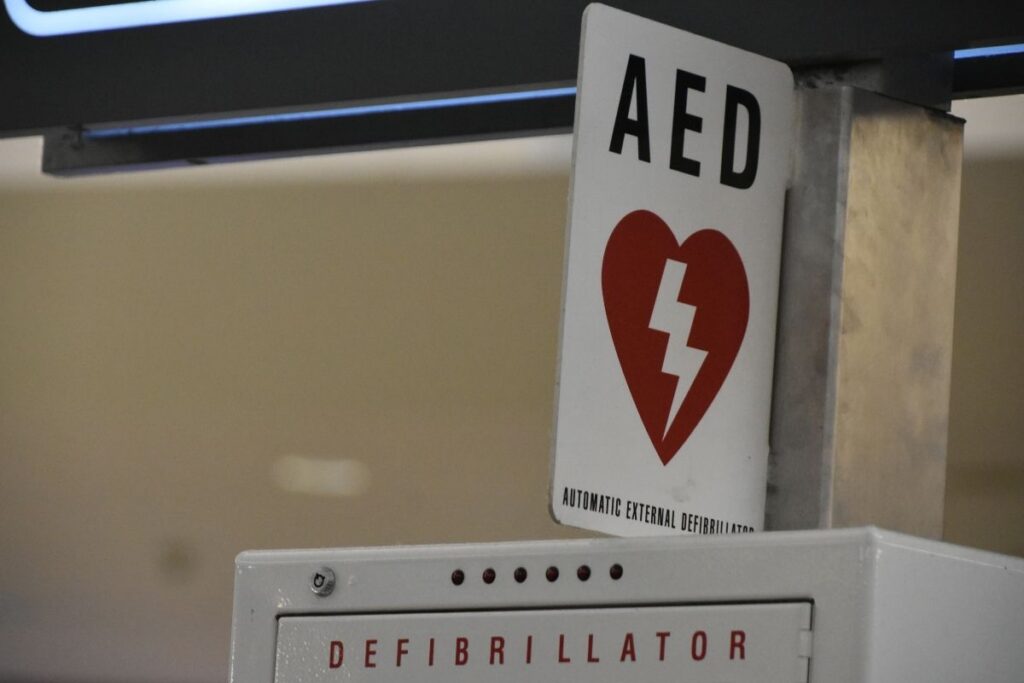
Fast CPR and access to an AED can make a critical difference. Offices, schools, gyms, warehouses, and community spaces should have a defibrillator on site for emergencies.
Defib World provides reliable defibrillator solutions to help organisations protect staff, visitors, customers, and the public.
Order online today to equip your organisation with a reliable defibrillator.