






































.jpg)


- Published:5 August 2026
Hiring a defibrillator rather than purchasing one outright has several advantages. Hire costs can begin at as little as one pound per day, but can vary depending on the model, rental period, and servicing requirements.
Unlike buying outright, hire packages usually bundle in maintenance, consumables and ongoing support, so there is rarely a surprise charge further down the line.
That one pound a day figure matters a lot when you consider that the average public access defibrillator in the UK sits around 726 metres from the centre of its postcode, and in the most deprived parts of England and Scotland, the nearest device available can be more than a mile away.
In this guide, we will be covering what you get in a rental package, buying compared to renting, maintenance, upkeep, and if hiring is right for your organisation.

What’s Included in the Hire Cost?
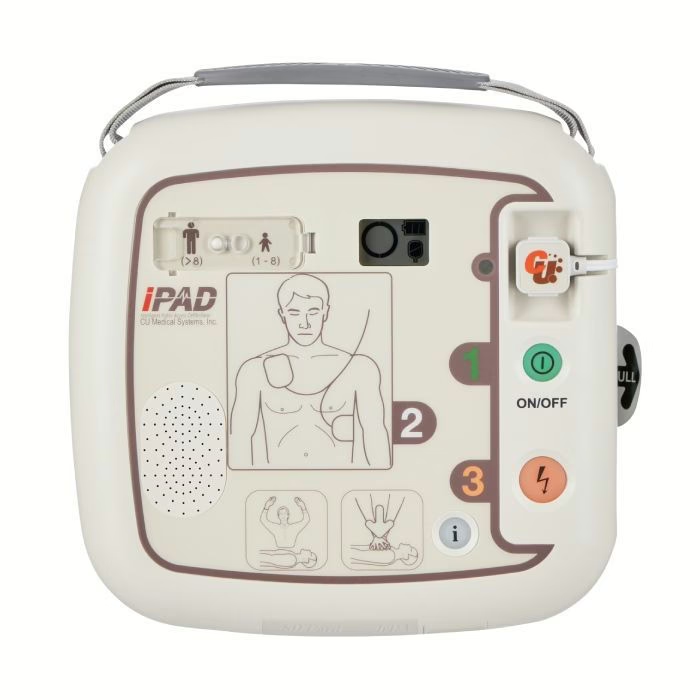
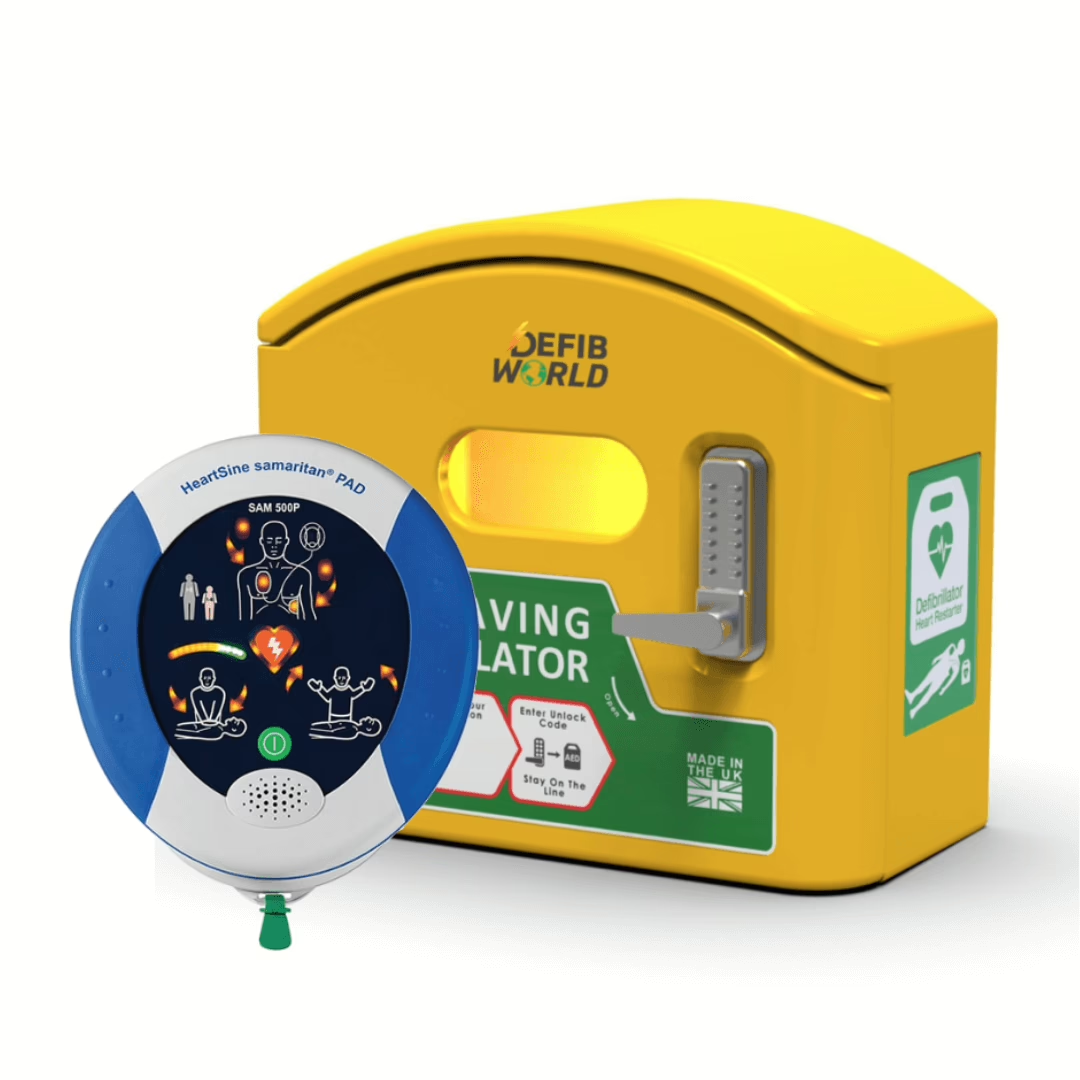
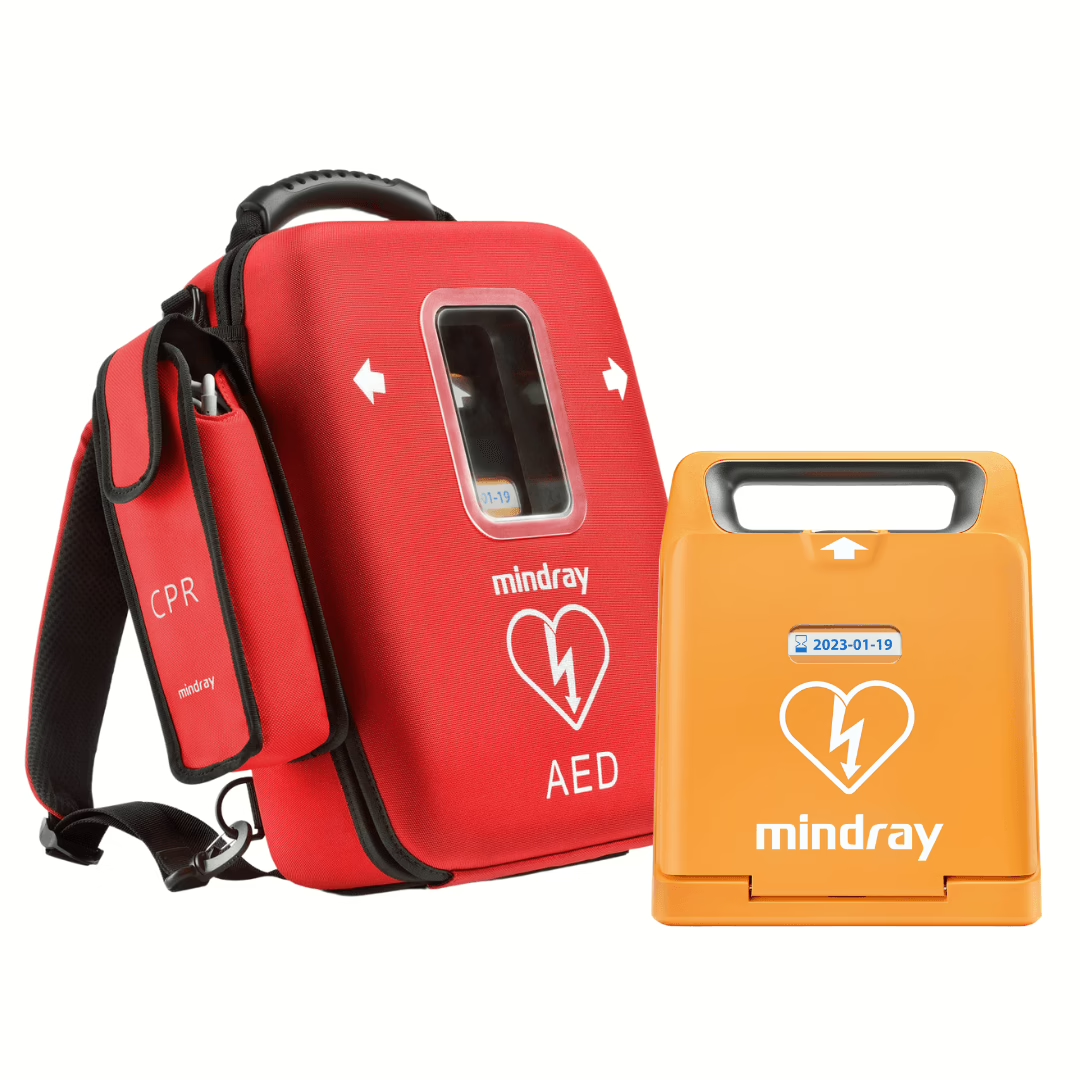
A defibrillator hire cost is rarely for the device alone; your daily rate typically covers a complete package built to keep your organisation rescue-ready, not just equipped.
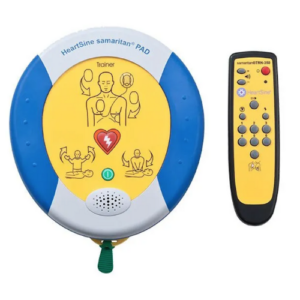
- Top-Tier AED – You get a defibrillator from a well-known manufacturer, with features and functionality tailored to your site’s needs.
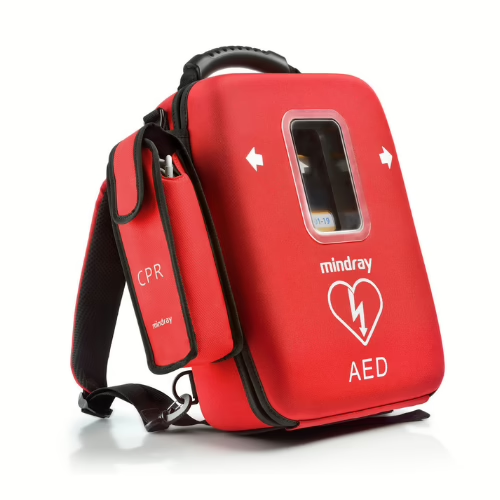
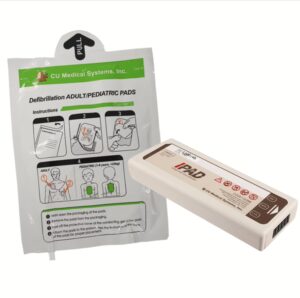
- A Complete Kit – You won’t be left without vital equipment when the time comes.
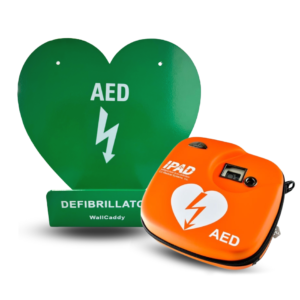
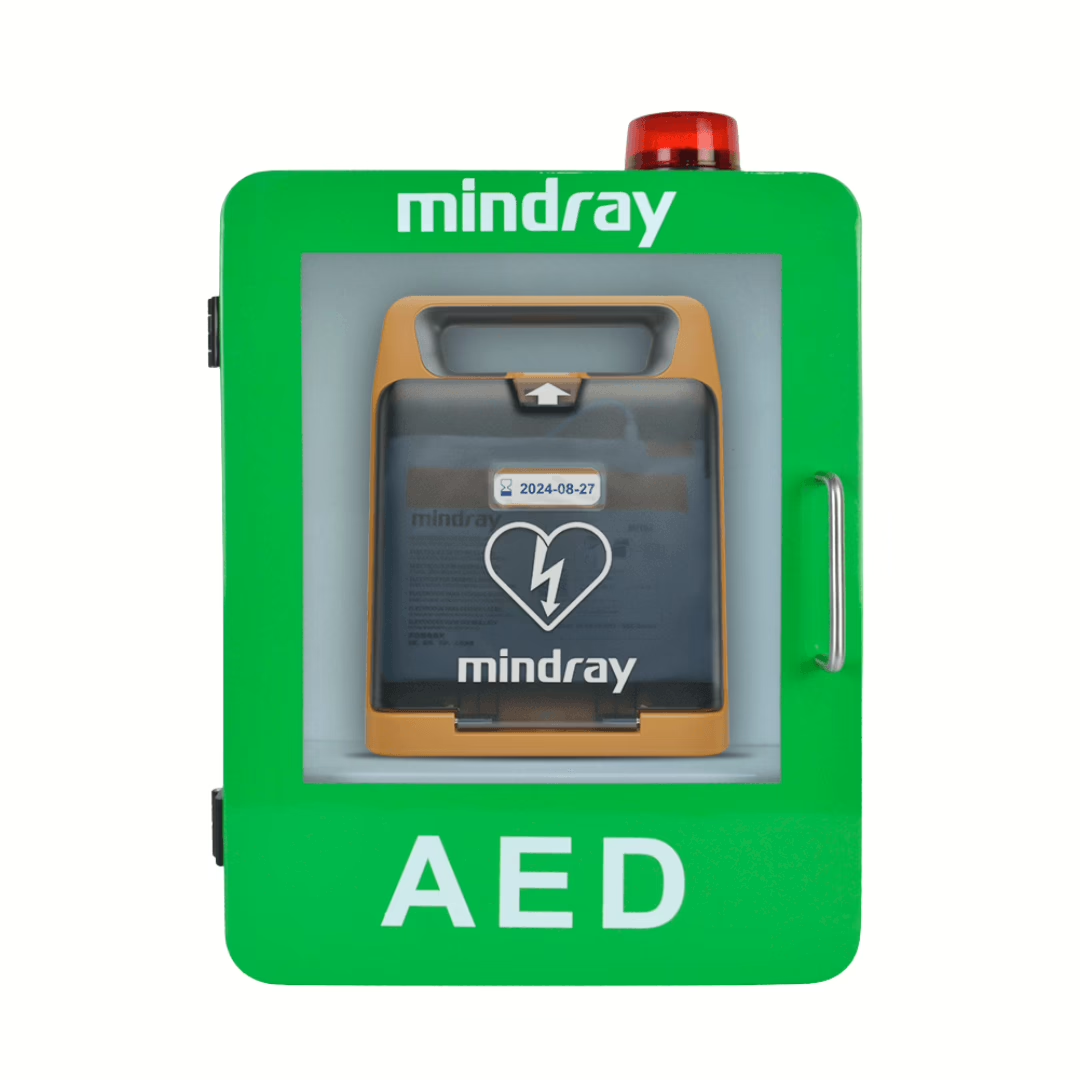
- Flexible Storage – Whether you need an indoor cabinet or outdoor wall mount, our package will be suited to your needs.
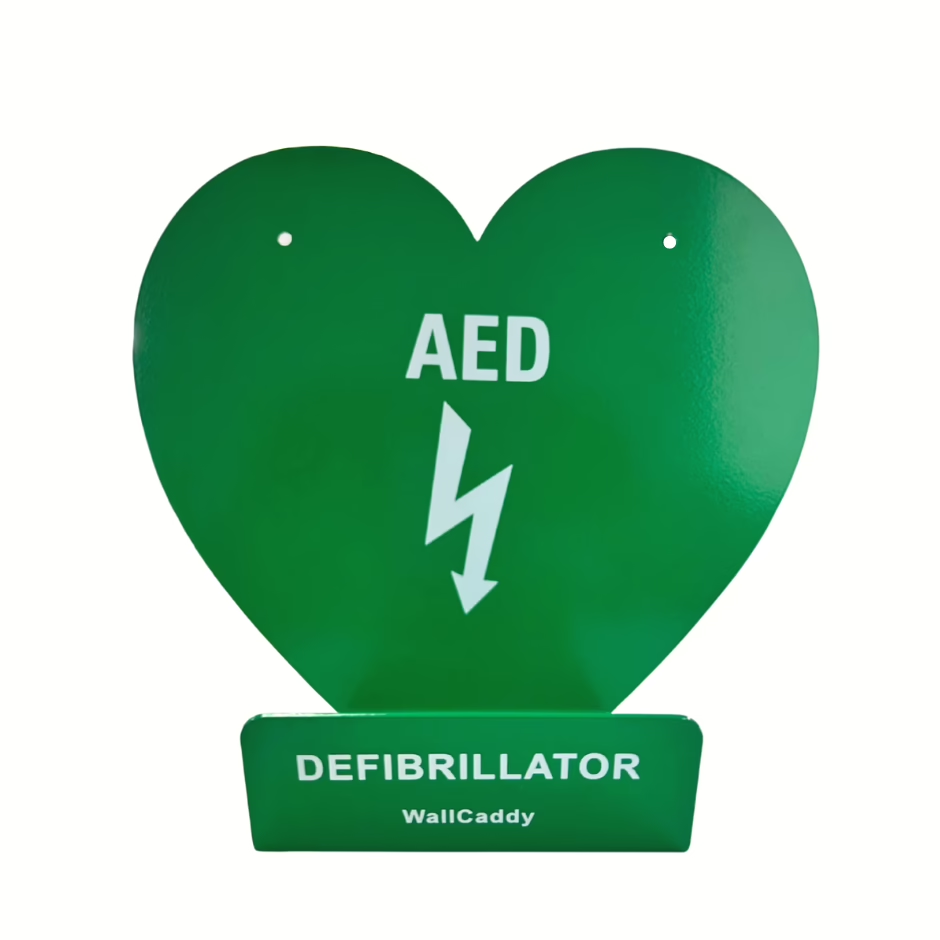
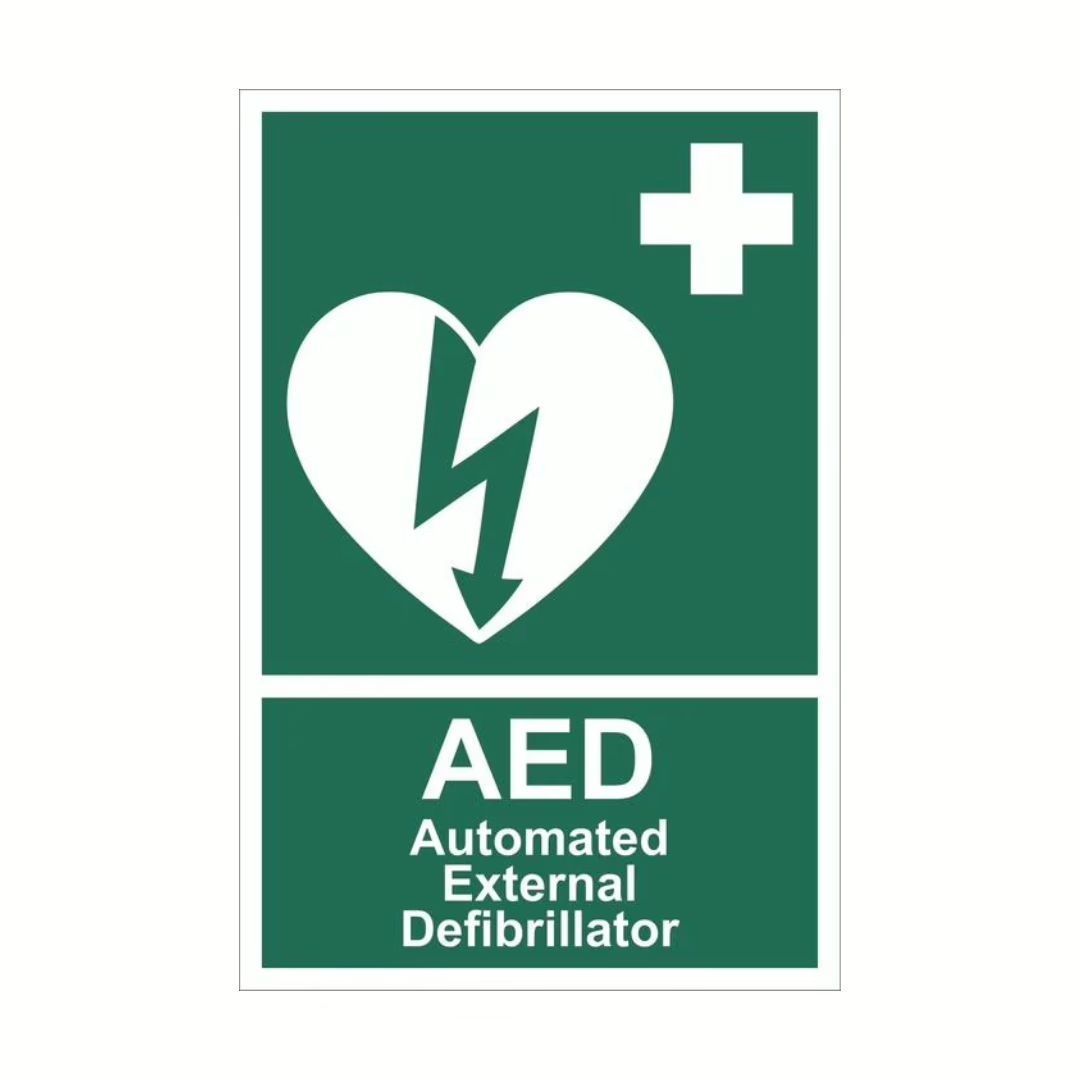
- High Visibility Signage – Clear signs will point people towards your AED in the case of an emergency.
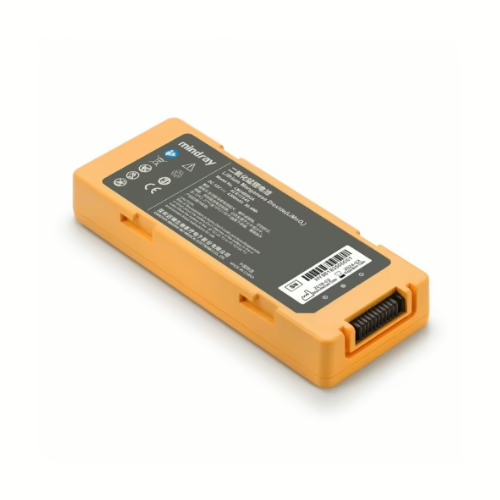
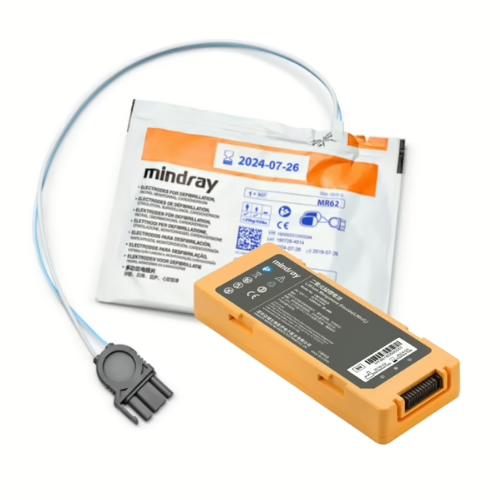
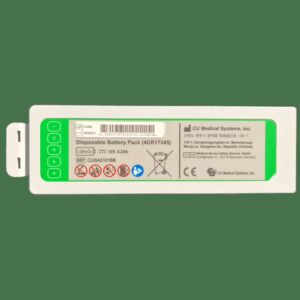
- Consumable Replacements – Replacement pads and batteries provided before they expire.
- Warranty Cover – So a fault doesn’t leave you without protection.
This is a different proposition to buying a defibrillator outright, where each of these elements would be an additional cost on its own.
Buying Compared with Renting
Understanding the value of renting over buying means looking at the additional costs across a defibrillator’s lifetime, not just the purchase price alone.
In our guide to defibrillator costs, we explain that an entry-level defibrillator, suited to home use, generally begins at about £300; a mid-range device aimed at schools, community spaces and small businesses tends to fall between £600 and £2,000, with advanced models going from £2,000 to £5,000 or more. On top of the standard purchase price, buyers need to budget for replacement batteries, pads, and regular servicing.
Instead of a high upfront cost and unpredictable running costs, renting gives you one predictable payment each month covering maintenance and consumables. For organisations who need defibrillators for short-term use or those working with lower budgets, that predictability can be the deciding factor.
Ready to get a defibrillator without the upfront cost? Order online and get your hire package in no time.

Maintenance and Upkeep: Covered as Part of Your Hire
One of the biggest hidden costs of purchasing a defibrillator is its upkeep, and this is where renting has the advantage.
Defibrillators need to have their battery life tracked, pad and battery expiration dates monitored, and regular servicing arranged. Typically, this would be carried out by a member of staff with a safety checklist. But with a rental defibrillator, that responsibility, and the accompanying cost, falls to your rental provider.
With one of our rental packages, your device is covered by inspections over your rental period. Pads and batteries are replaced as needed, at no extra cost. Faults are covered by the warranty and are addressed when they arise, rather than leaving you with a repair invoice.
For organisations without dedicated health and safety staff, or those who want one less thing to worry about, hiring removes the recurring time and financial cost that can often be overlooked.

Is Defibrillator Hire Right For Your Organisation
Hiring makes the most sense for an organisation that don’t currently have any AEDs and wants to increase its coverage, preferably reaching the 3-minute rule, without a high upfront cost; those with multiple sites who need to scale their coverage; and those who want professional maintenance.
Schools, sports clubs, offices, and community organisations are often exactly the kind of organisations that should have a defibrillator in place but haven’t taken the purchasing step. Hiring removes the barrier of maintenance and unpredictable ongoing costs.
The cost of hiring a defibrillator in the UK starts from £1 a day, and most packages include storage, signage, maintenance, and consumables as standard. If your organisation doesn’t have a defibrillator within reach, now is the time to make a change.
Enquire about our defibrillator rentals online and find the right package for your needs.