


A tourniquet is a medical device used to stop severe, life-threatening bleeding from a limb if applying pressure to the wound is not sufficient to prevent blood loss.
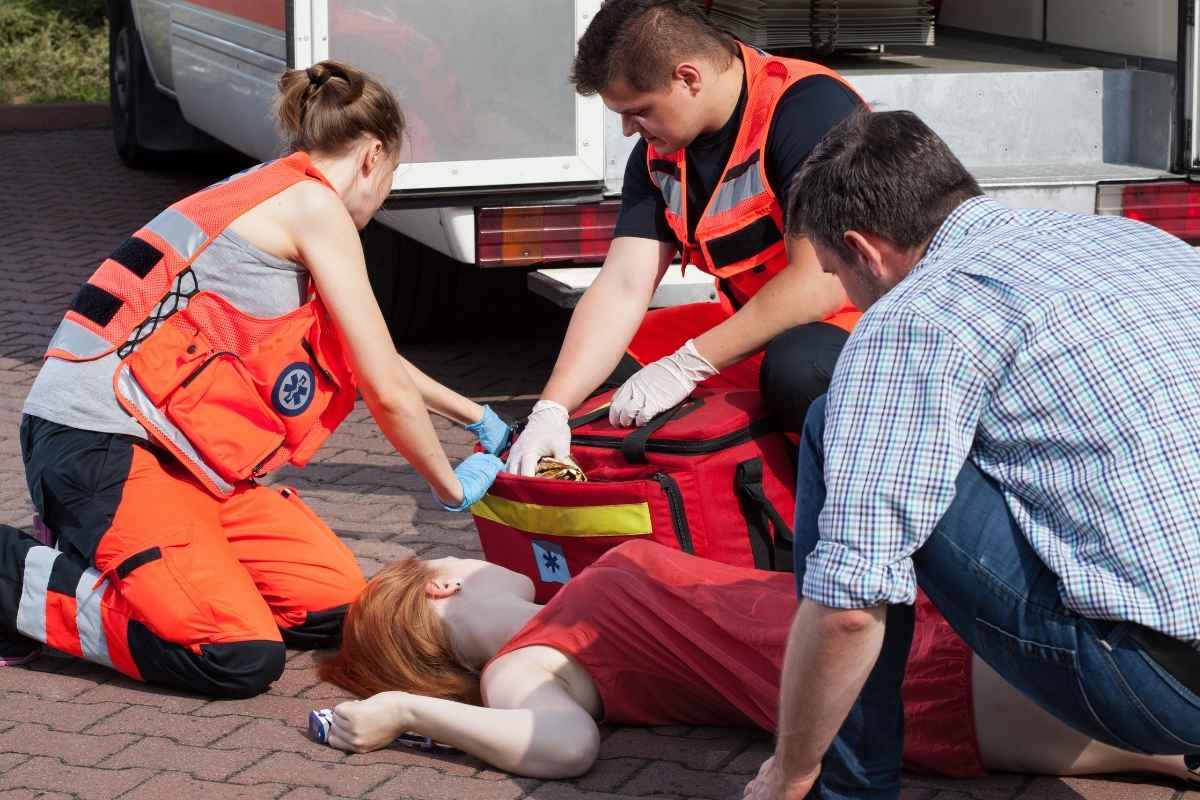
It is most commonly used in trauma scenarios such as workplace accidents, injuries, or public emergencies. Dr Matthew D. Sztajnkrycer from the Mayo Clinic explains that there are two common scenarios where a tourniquet can save lives: motor vehicle crashes and household accidents.
This demonstrates the importance of having proper training and access to bleed control equipment, including tourniquets.
In this blog, we are going to be exploring what a tourniquet is and how it works, when you should use one, and how to use one safely.
What Is a Tourniquet and How Does it Work?
A tourniquet is typically a band that wraps around the affected limb and has a strong rod-like object inserted underneath. The rod is then turned repeatedly, tightening the band, cutting off blood flow to the limb below.
The earliest form of a tourniquet dates back to India in 600 B.C. and was subsequently common on battlefields as a lifesaving measure before medical treatment could arrive. Modern tourniquets are engineered for safe and effective use.
When a severe, life-threatening bleed occurs on a limb, the tourniquet is designed to stop or significantly reduce the blood loss. It is placed above the wound and tightened until the bleeding slows or stops entirely.
When Should Tourniquets Be Used?
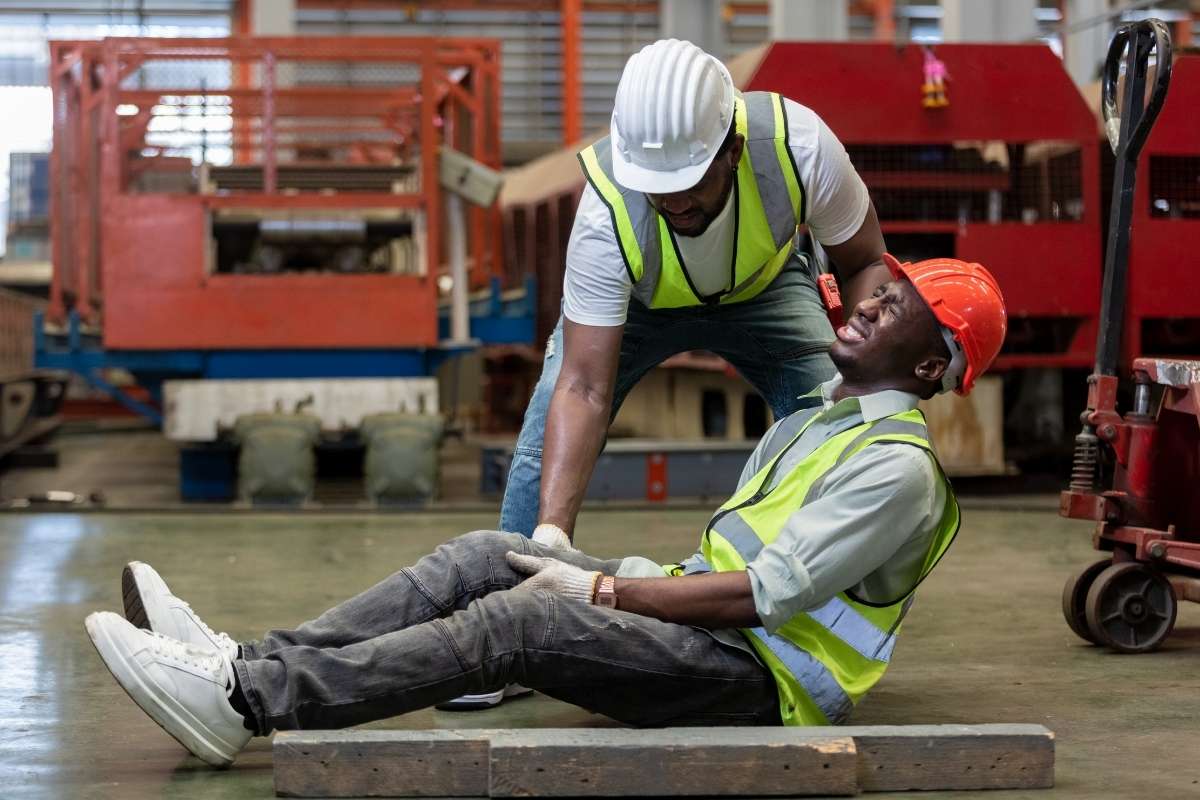
Understanding when to use a tourniquet is crucial to saving lives and providing effective first aid. But it is important to note that a tourniquet is not for ‘small’ injuries; they should only be used for severe, uncontrolled bleeding.
Losing too much blood can be life-threatening, and the casualty may go into hypovolemic shock. This is a condition where blood cannot deliver oxygen to the organs, and they can begin to fail.
In general, a tourniquet should be used in the following situations:
- Bleeding from a limb is heavy and will not stop with direct pressure.
- The bleed is arterial (indicated by a bright red colour and spurting rather than flowing).
- The injury involves amputation or severe crushing.
The STOP THE BLEED campaign highlights that uncontrolled bleeding is the leading cause of potentially preventable death among the victims of traumatic injury. One military study showed that in the 110 cases where a tourniquet was used, no subsequent deaths were reported, showing how these devices can be extremely effective if used correctly.
Studies are now recommending that tourniquets be used by trained individuals with minimal hesitation. Although conventional wisdom suggests they should be used only when all other options have been exhausted. This is especially important in workplaces and public areas where there is a greater risk of serious trauma, or emergency service response time is very slow.
You can find a tourniquet and a bleed control kit at Defib World. Browse our online collection to find the right one for you.
How to Use a Tourniquet Safely and Effectively
While training is strongly recommended for tourniquet use, the basic principles are simple. However, there are some steps that you should take before attempting to use one.
The Cleveland Clinic suggests trying the following before tourniquet use:
- Placing a dressing on the wound and elevating the affected limb while applying pressure.
- Pack the wound with bandages while continuing to apply pressure.
- Tie a bandage around the wound and place a sturdy object, like a rod, underneath, turning it so the bandage applies pressure to the wound.
Only if these measures do not stop the heavy bleeding should you use a tourniquet.
- Any clothing should be removed, and the tourniquet should make contact with the patient’s skin.
- Place the tourniquet 2 inches above the wound.
- Tighten until the bleeding stops, which may require significant pressure.
- Record the time of application and the condition of the limb for medical professionals.
A properly applied tourniquet will be uncomfortable or painful, but it should not be loosened or removed once applied; this may restart the bleed or make it worse.
While the benefits of using a tourniquet are obvious, there are reasons some remain hesitant to use one, even in the appropriate circumstances.
Using a tourniquet means you are stopping the blood flow to a limb, and this can lead to muscle or nerve damage and may even lead to limb amputation in the worst case.
However, studies have shown that tourniquets can be left in place for up to 2 hours with minimal chance of long-term harm. Despite these considerations, the life-saving benefits of tourniquets outweigh the risks when used correctly and by someone properly trained.
Where Should Tourniquets Be Available?
For public spaces, ensuring staff are trained and equipped with reliable bleed control kits is an important part of workplace safety training. Increasingly, tourniquets are being recognised as an essential piece of equipment in a wide range of environments.
They should be placed in:
- Workplaces, particularly construction sites and high-risk environments.
- Public venues such as schools, shops, and transportation facilities.
- First aid kits in homes.
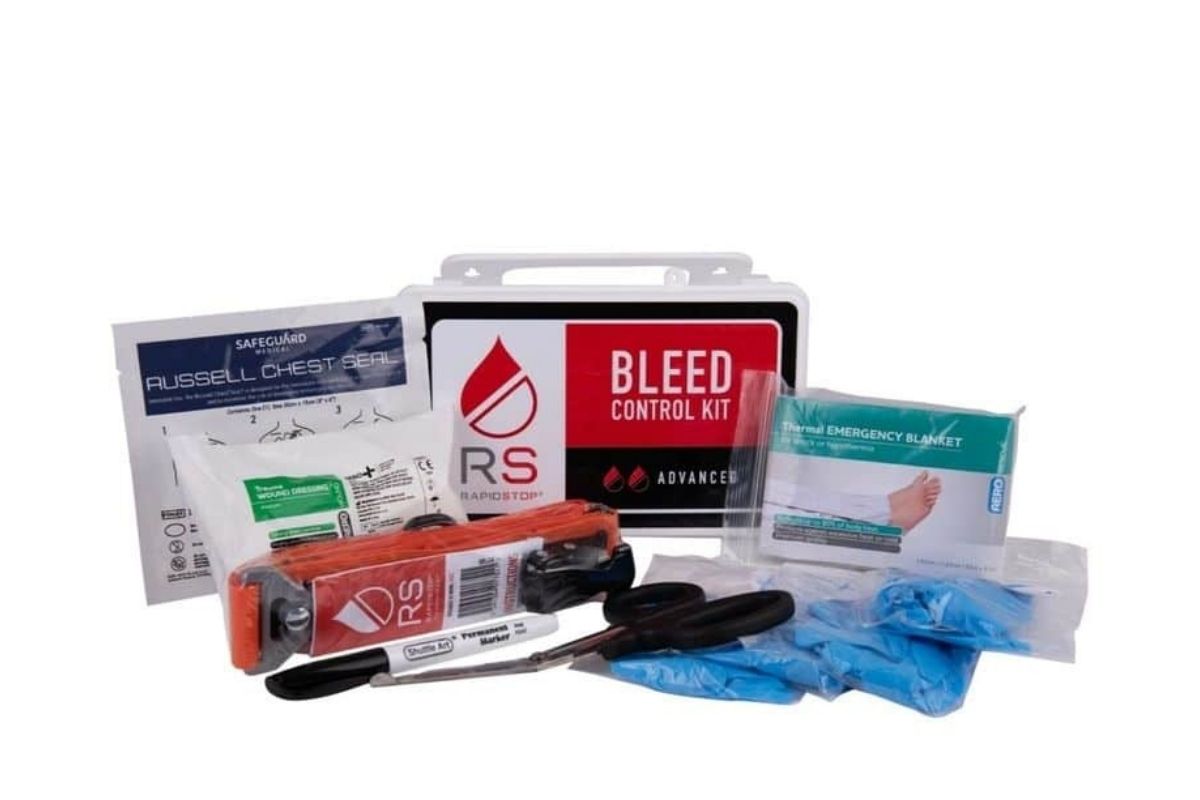
Trauma kits should include some kind of bleed control equipment, including a tourniquet, gloves, and dressings, with the aim being to enable action quickly, before first responders arrive.
Training to use a tourniquet is common and can be easily added to a first aid training programme from providers like St. John Ambulance.
Be Prepared to Act: Buying a Tourniquet
Knowing how and when to use a tourniquet can mean the difference between life and death in an emergency. They are a long-standing and effective tool for controlling bleeding, now commonly used outside of clinical settings.
For organisations, public spaces, and even homes, a reliable bleed control kit is a valuable addition to your first aid kit. Having the right tools and the ability to use them effectively ensures you are prepared when time matters.
Buy a tourniquet and bleed control kit from Defib World today, and be ready to respond when it matters.