









































.jpg)


Please remember, if you need assistance or have any questions, call us on 0330 223 6336 or drop us an email at sales@defibworld.org
- Published:15 November 2024
Written 15/11/2024 & Updated 10/11/2025
When it comes to life-saving heart devices, defibrillators and pacemakers are often mentioned above others.
Both are used to treat a heart condition, called arrhythmia. Pacemakers do this with steady, low-voltage shocks that help the heart maintain a steady rhythm. Defibrillators, on the other hand, deliver a sharp, sudden jolt of electricity.
Imagine you’re in a doctor’s office, listening to recommendations for a loved one’s heart condition. Although both devices can be crucial, they serve different purposes.
With the British Heart Foundation estimating that there are over 30,000 out-of-hospital cardiac arrests a year, understanding these differences isn’t just for medical professionals; it’s valuable knowledge for anyone facing heart health decisions for themselves or someone they care about.
Let’s explore the key differences between pacemakers and defibrillators, helping to clear up common misconceptions.
What is a Defibrillator?
A defibrillator is a life-saving medical device designed to deliver large, momentary jolts of electricity to restore a heartbeat.
They are also used to treat sudden cardiac arrest, which often strikes without warning and disrupts the heart’s normal rhythm. In these instances, an immediate shock from a defibrillator can reset the heart’s rhythm and significantly increase survival chances.
Types of Defibrillators:
Defibrillators come in different forms, each tailored for various settings and needs:
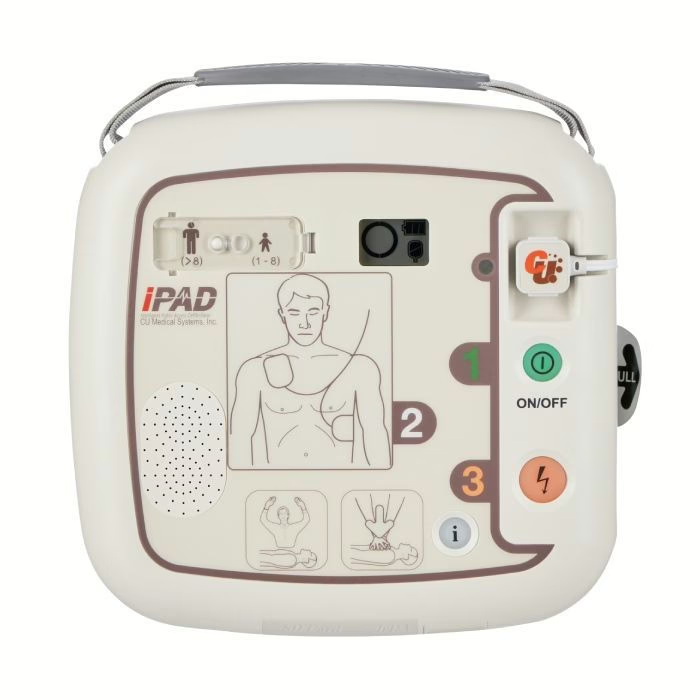
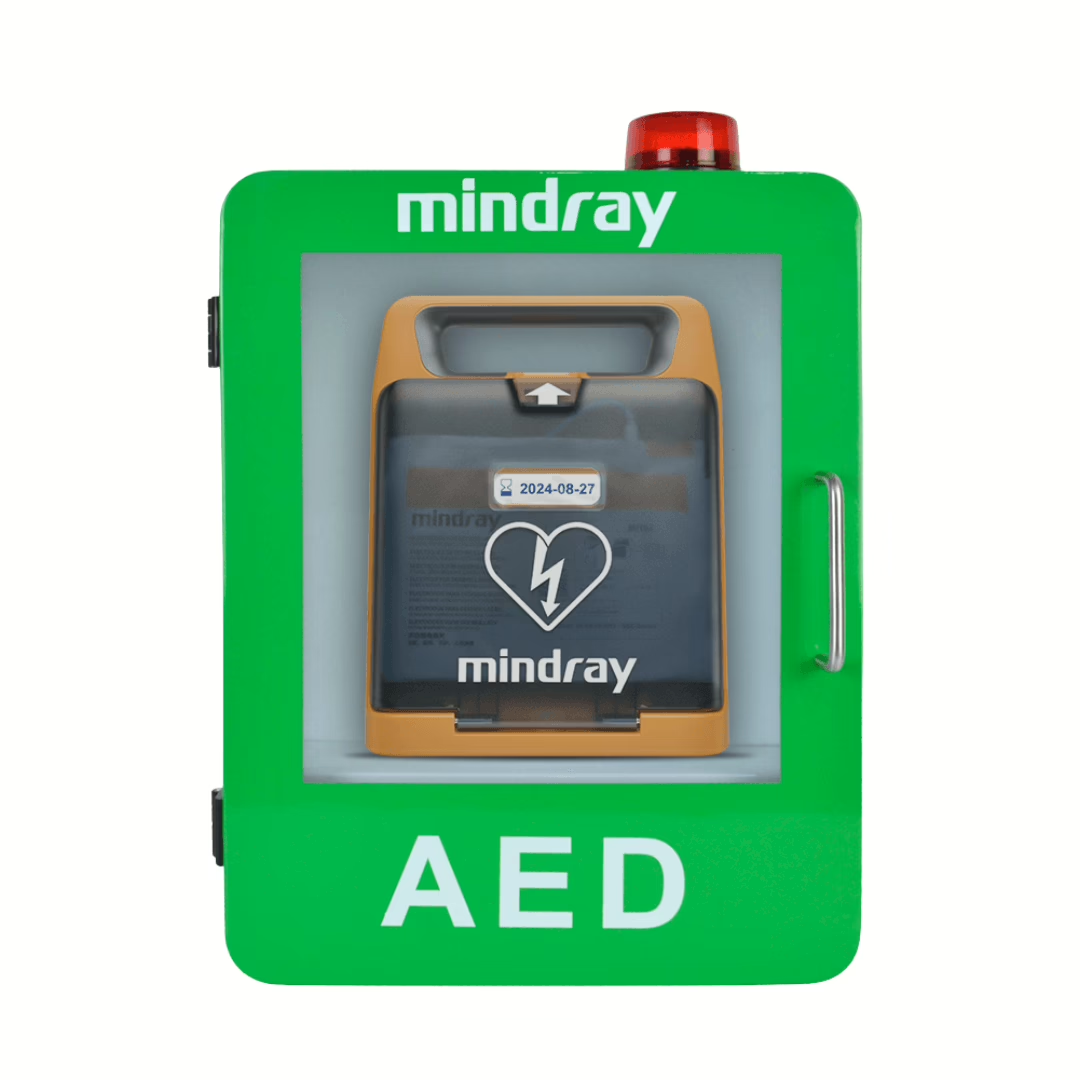
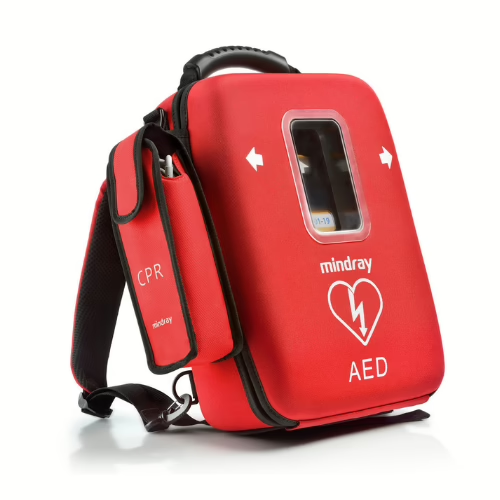
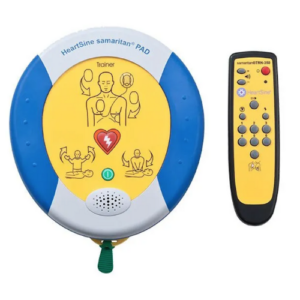
- Automated External Defibrillators (AEDs): Commonly found in public spaces and workplaces, AEDs are designed for ease of use by non-medical personnel. They can be semi-automatic defibrillators, requiring the user to push a button to deliver a shock, or fully automatic defibrillators, which deliver the shock automatically when necessary.
- Implantable Cardioverter-Defibrillators (ICDs): Implanted directly into the chest, ICDs continuously monitor heart rhythms and deliver a shock if needed. These are typically prescribed for individuals at high risk of sudden cardiac arrest.
- Wearable Defibrillators: For those not suited for an implant but needing temporary protection, wearable defibrillators offer continuous heart monitoring and shock delivery.
In community settings like schools, gyms, or shopping centres, and in indoor workplaces, defibrillators ensure that help is readily available for sudden cardiac emergencies.
When is a Defibrillator Needed?
A defibrillator is primarily used for those at risk of sudden cardiac arrest due to conditions like ventricular fibrillation or ventricular tachycardia. Sudden cardiac arrest is a critical condition that demands an immediate response.
Here’s when a defibrillator is typically needed:
- During Sudden Cardiac Arrest (SCA): A life-threatening emergency where the heart stops pumping blood effectively.
- High Risk of Arrhythmias: Patients with a history of serious arrhythmias may require an ICD to monitor and respond automatically.
- In Community Settings: AEDs are often placed in community and public settings such as gyms, schools, and airports to provide immediate assistance during cardiac
emergencies.
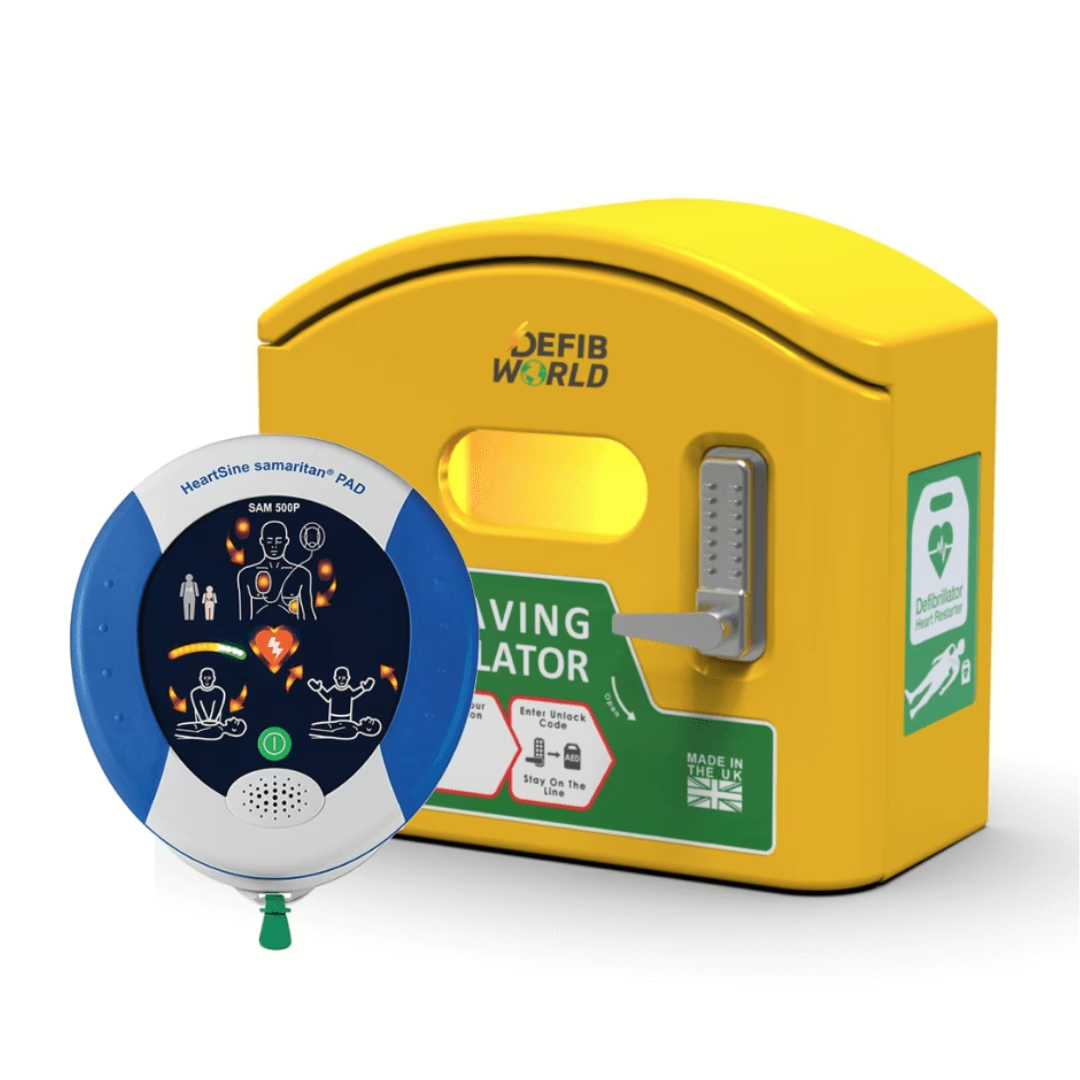
At Defib World, we have a variety of different defibrillators for community settings, including indoor packages that can be kept in easily accessible spaces.
What is a Pacemaker?
A pacemaker is a small, battery-operated device implanted under the skin, typically near the collarbone. Unlike defibrillators, pacemakers do not deliver a shock to restart the heart. Instead, they use wires to deliver low-energy electrical impulses to help maintain a regular heartbeat.
How Pacemakers Work
Pacemakers continuously monitor heart rhythms, providing electrical signals only when the heart’s natural rhythm is too slow or irregular. The device consists of:
- Pulse Generator: This component contains the battery and generates the necessary electrical impulses.
- Leads (Wires): These connect the pulse generator to the heart, delivering the electrical signals to maintain a steady rhythm.
While defibrillators respond to sudden cardiac events, pacemakers provide ongoing support, keeping the heart’s pace steady over time.

When is a Pacemaker Needed?
Pacemakers are recommended for those who suffer from chronic heart rhythm issues, such as bradycardia or heart block. To which, pacemakers provide long-term regulation of the heart’s rhythm.
Situations that may require a pacemaker include:
- Chronic Bradycardia: When the heart beats too slowly, causing fatigue, dizziness, or fainting.
- Heart Block: A condition where the heart’s electrical signals are delayed or blocked, leading to an irregular heartbeat.
- Aging Heart: As some people age, the heart’s natural pacemaker can weaken, requiring an implant to assist.
Pacemakers are commonly implanted and monitored over time, providing continuous support rather than acute intervention.
Pacemaker or Defibrillator: What’s the Difference?
Although both devices assist in cardiac care, they operate in fundamentally different ways.
Defibrillators deliver a high-energy shock during sudden cardiac arrest. Pacemakers, on the other hand, act as regulators, providing consistent support for those whose hearts beat irregularly or too slowly.
For individuals with chronic conditions, the pacemaker’s steady support can drastically improve their quality of life, whereas a defibrillator can be a lifesaver during sudden, unexpected events.
Purpose:
Defibrillators address life-threatening arrhythmias by delivering a shock to restart the heart.
Pacemakers manage non-lethal rhythm disorders by sending gentle pulses to stabilise heart rate.
Activation:
Defibrillators activate only in emergencies, such as sudden cardiac arrest.
Pacemakers operate more regularly, ensuring a consistent heartbeat.
Types and Placement:
Defibrillators can be external (AEDs), wearable, or implantable (ICDs).
Pacemakers are typically implantable devices.
User Interaction:
AEDs guide users with visual and auditory cues, making them accessible to anyone in public settings, such as community spaces and indoor environments.
Pacemakers require no user interaction, and are fully automated and calibrated by a medical professional.
Defibrillator vs Pacemaker: Comparison Table
Aspect | Defibrillator | Pacemaker |
|---|---|---|
Primary Function | Delivers a shock to restart the heart during sudden cardiac arrest | Maintains a steady heartbeat by sending electrical impulses |
Usage | Primarily for life-threatening arrhythmias | Treats bradycardia (slow heart rate) or irregular rhythms |
Types Available | AEDs (Semi and Fully Automatic), Implantable Cardioverter-Defibrillators (ICDs), Wearable Defibrillators | Single-Chamber, Dual-Chamber, Biventricular |
Placement | External (AEDs, wearable defibrillators) or internal (ICDs) | Internal, implanted near the collarbone with leads to the heart |
Mechanism | Detects irregular heart rhythms and delivers high-energy shock | Monitors heart rate continuously and provides small, consistent pulses when needed |
Final Thoughts: Being Prepared Saves Lives
Understanding the difference between a defibrillator and a pacemaker is essential not only for patients but also for caregivers and bystanders in community settings.
Knowing which device is appropriate in various scenarios helps in making informed decisions, from personal healthcare to equipping public spaces with life-saving tools.
Whether it’s an AED for your business or an ICD for personal use, Defib World offers a range of devices to support cardiac health.
For a full range of semi-automatic and fully automatic defibrillators, explore our defibrillator options, and ensure you’re ready to support those in need.