











































.jpg)


Published on 11/08/2024, Updated on 09/02/2026
Office safety is a priority that often focuses on fire drills and first aid kits, but what about sudden cardiac arrest (SCA)? Did you know that 15% of SCA cases occur in the workplace? Studies have shown that early defibrillation within 3–5 minutes of collapse can increase survival rates by as much as 50-70%, which means having access to a defibrillator really could save a life. This raises an important question: Is your office equipped to handle such emergencies effectively?
Defibrillators, or AEDs, are life-saving devices that can make a significant difference in these critical moments. Studies show that immediate defibrillation can boost survival rates to 60%, with the first minute being the most crucial. Real-world examples highlight how timely use of defibrillators has saved lives and improved workplace morale.
Understanding Sudden Cardiac Arrest (SCA) in the Workplace
Prevalence and Impact
Sudden cardiac arrest (SCA) is a critical health emergency that can strike without warning, and its occurrence in the workplace is more common than many realise. Approximately 15% of SCA incidents happen in work environments, highlighting the pressing need for preparedness. The impact of SCA extends beyond the immediate health crisis; it also carries significant emotional and financial repercussions for businesses and employees.
When an employee suffers from SCA, the emotional toll on colleagues can be significant, often leading to decreased morale and productivity. A team member’s sudden loss or incapacitation can create a ripple effect, affecting the workplace environment. Financially, the costs associated with SCA can be substantial, including medical expenses, potential legal liabilities, and hiring and training replacement staff. These factors underscore the importance of effective emergency response measures, including the availability of defibrillators.
Why Every Second Counts
The urgency of responding to SCA can’t be overstated. The critical window for defibrillation is within the first three to five minutes following a collapse. Deploying a defibrillator within this timeframe can mean the difference between life and death, with survival rates ranging from 50% to 70%. However, each minute without CPR and defibrillation reduces the chance of survival by 7% to 10%, making immediate action imperative.
The rapid decline in survival rates with each passing minute highlights the need for quick and efficient emergency response. Emergency medical services may not often arrive in time to provide the necessary intervention, so having a defibrillator on-site is crucial. By ensuring that defibrillators are readily accessible and that employees are trained to use them, workplaces can significantly improve the chances of survival for individuals experiencing SCA.
The Life-Saving Potential of Defibrillators
Survival Rates with Immediate Defibrillation
The effectiveness of defibrillators in saving lives is well-documented. Studies have shown that immediate defibrillation can boost survival rates up to 60%. The first minute following a cardiac arrest is particularly critical, with survival rates potentially reaching as high as 90% if a defibrillator is used promptly. Even within the first three to five minutes, survival rates remain between 50% and 70%, underscoring the importance of quick access to these life-saving devices.
The stark contrast in survival rates based on the timing of defibrillation illustrates the life-saving potential of having defibrillators readily available in the workplace. By ensuring that these devices are easily accessible and that employees are trained to use them, businesses can create a safer environment and significantly increase the likelihood of positive outcomes in SCA.
Real-World Success Stories
Numerous real-world examples demonstrate the life-saving impact of timely defibrillator use. In workplaces where defibrillators are available and employees are trained to use them, countless lives have been saved. These success stories highlight the importance of having defibrillators on-site and contribute to a culture of safety and preparedness within the workplace.
Defibrillators can also improve workplace morale, as employees feel more secure knowing that life-saving equipment is available in an emergency. This sense of security can enhance overall job satisfaction and contribute to a positive work environment.
Practical Implementation in an Office
Choosing the Right Defibrillator for an Office
Selecting the appropriate defibrillator for an office involves considering several vital features. Choosing a user-friendly device with clear instructions and automated prompts is essential to guide users through defibrillation. Additionally, the defibrillator should be reliable and durable, capable of withstanding the demands of a busy office environment.
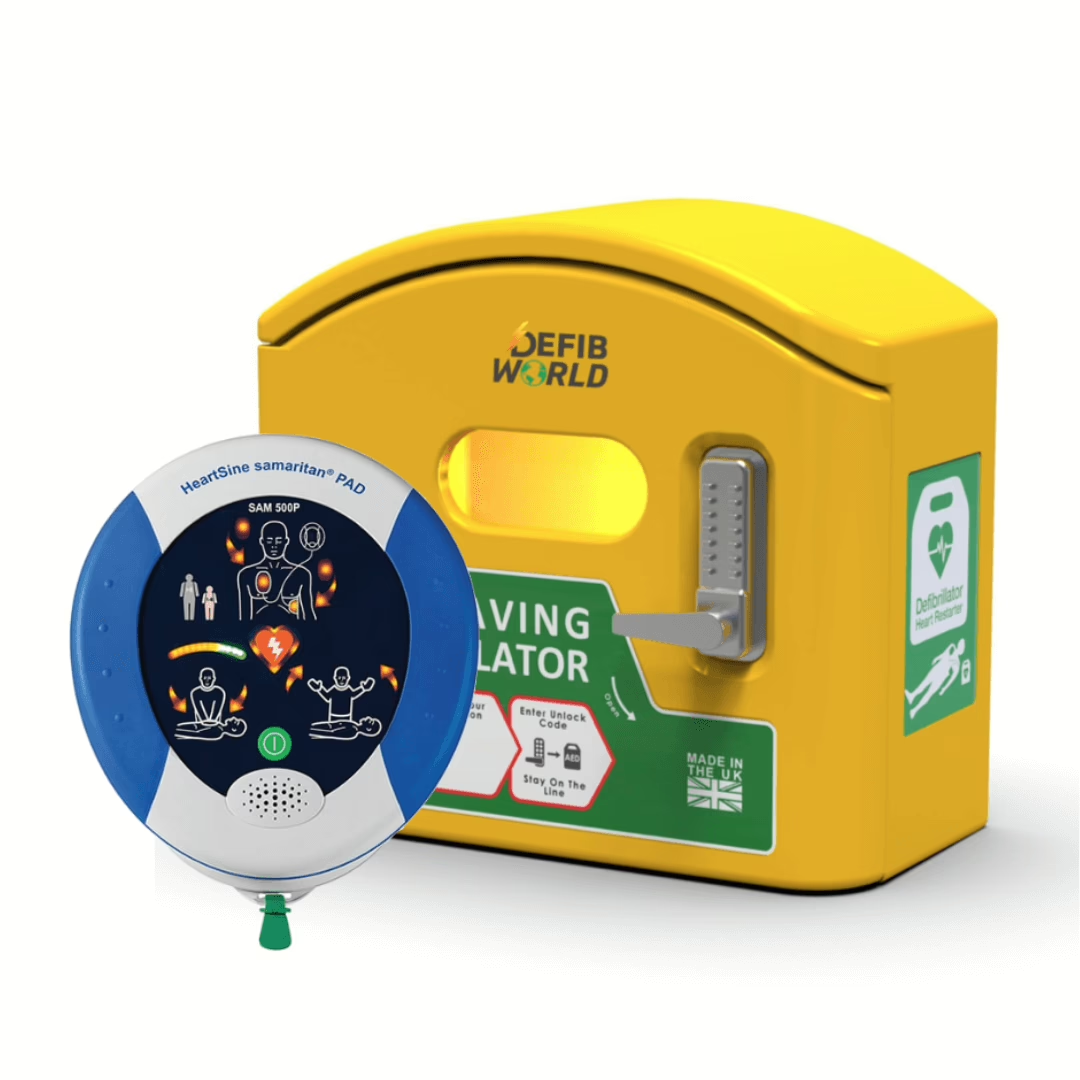
Trusted sources like Defib World recommend the best defibrillators for office settings, ensuring that businesses can make informed decisions. Key features to look for include:
- Ease of Use: Clear instructions and automated prompts
- Durability: Robust design to withstand workplace conditions
- Maintenance: Low maintenance requirements and self-check capabilities
- Portability: Lightweight and easily accessible in an emergency
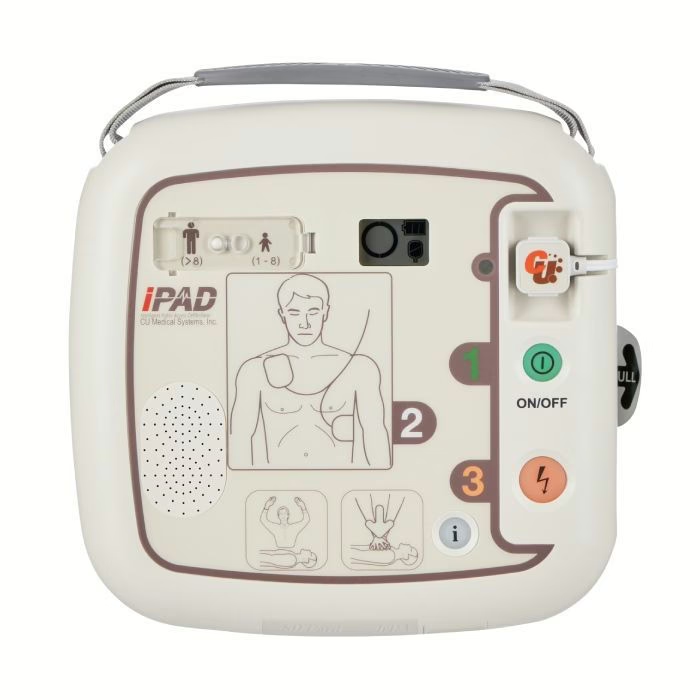
iPAD SP1 Fully Automatic Defibrillator
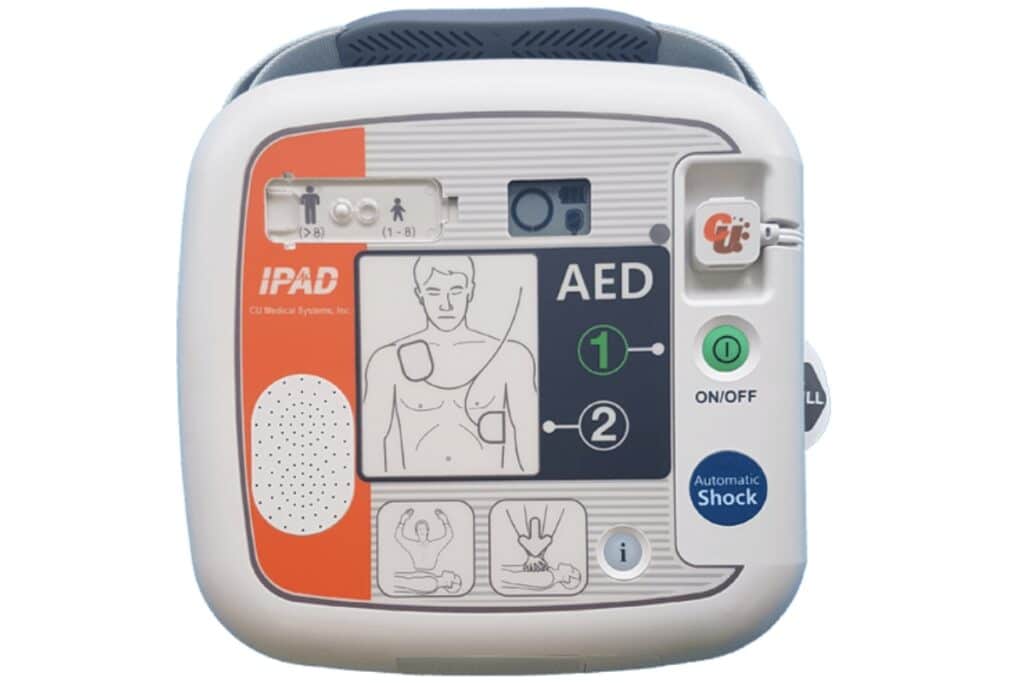
The iPAD SP1 Fully Automatic Defibrillator is an advanced AED, widely used by the NHS ambulance service and suitable for both adults and children. It features real-time CPR feedback to ensure that the rescuer can maintain the correct pace and rhythm during CPR, which is vital for effective compressions. This defibrillator guides the user with calm voice prompts and clear illustrations, which illuminate to highlight key commands. It is especially effective in the office environment thanks to its built-in ambient noise detection, meaning it can adjust its voice prompts based on the surrounding noise levels. It comes with integrated defibrillator pad storage and is fully equipped for immediate use. It can be safely used by first-time users with no prior life-saving experience.
Defibrillator Training and Preparedness
Having a defibrillator on-site is only part of the solution; ensuring employees are trained to use it is equally important. CPR and defibrillator training should be an integral part of workplace safety programs. Training sessions can equip employees with the knowledge and confidence to act swiftly and effectively in an emergency.
Creating an emergency response plan tailored to the specific needs of the office environment is also crucial. This plan should include clear procedures for responding to SCA, regular drills to keep skills sharp, and designated roles for employees to ensure a coordinated response. By fostering a culture of preparedness, businesses can enhance their overall safety and readiness to handle emergencies.
Overcoming Common Defibrillator Barriers
Addressing Misconceptions and Fears about AEDs
Despite their proven effectiveness, misconceptions and fears about their use can hinder their adoption in the workplace. Some employees may worry about the safety and complexity of using a defibrillator, fearing that they might cause harm or be unable to operate the device correctly. It’s essential to debunk these myths and reassure employees about modern defibrillators’ ease of use and reliability.
Defibrillators are designed to be user-friendly, with automated prompts and safeguards to prevent misuse. Training programs can further alleviate fears by providing hands-on experience and demonstrating the simplicity and safety of the devices. By addressing these concerns, businesses can encourage a more positive and proactive attitude towards defibrillator use.
Cost and Accessibility
Some businesses may be concerned about the cost of acquiring defibrillators, but it’s essential to consider the cost-benefit analysis of this investment. At Defib World, our defibrillator (AED) prices start from £850, which reflects the advanced technology needed to save a life. The potential to save lives and reduce SCA’s emotional and financial impact far outweighs the initial expenditure. Various programs and grants are available to support businesses acquiring AEDs, making them more accessible.
Investing in defibrillators is a proactive step towards enhancing workplace safety and demonstrating a commitment to employee well-being. By exploring available funding options and understanding the long-term benefits, businesses can overcome financial barriers and ensure they are equipped to handle cardiac emergencies effectively.