













































.jpg)


- Published:27 April 2026
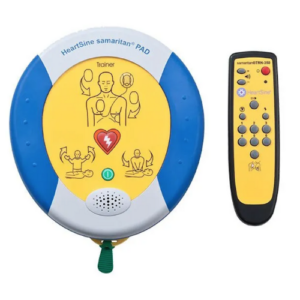
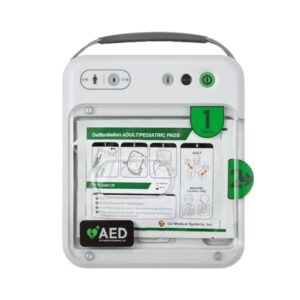
A defibrillator unit (AED) typically lasts between 5 and 10 years, depending on the make, model, and environment.
Regular checks and appropriate storage will help to maximise your AEDs lifespan and ensure it is ready for use in an emergency situation. However, it is important to note that some components, like the pads and battery, will require replacement more frequently than the AED unit itself.
In this blog, we will explore the lifespan of an AED and its components, including the battery, pads, and the environmental factors that influence how long a defibrillator lasts.
How Long Does a Defibrillator Last on Average?
In practice, an AEDs lifespan depends on its manufacturing guidelines, as well as its maintenance and storage.
The majority of modern defibrillators typically have lifespans of around 5-10 years from the date of manufacture. Modern AED units are manufactured to remain in working condition over long periods of time while on standby.
The lifespan can reflect the quality of the materials used in manufacturing, with many modern AEDs offering warranties of around 8 years. Often, manufacturers suggest a review after the 8-year warranty expires, even if there are no obvious problems.
Defibrillator units perform automatic self-tests regularly. They are designed to monitor things like battery status, connectivity of pads, and internal circuitry. If a fault is detected, the unit will alert you with a sound or light.
However, these self-tests are designed to check immediate functionality; AED units will still naturally age over time. In some cases, this will mean an increase in faults and alerts, but it might also mean technological advancements leave existing AEDs behind.
How Long Does a Battery Last in a Defibrillator?
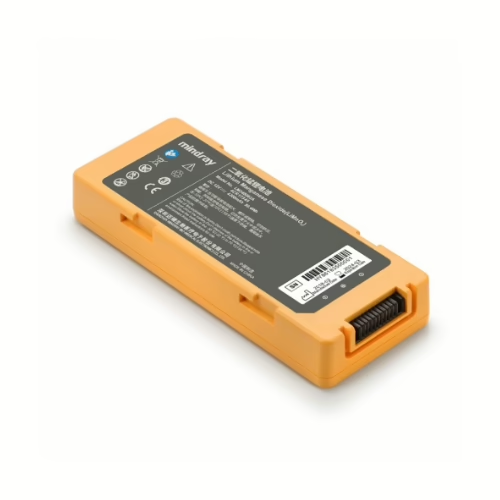
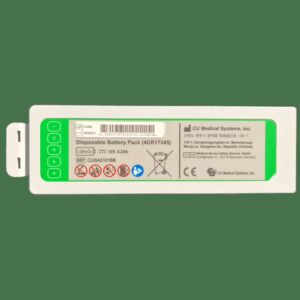
Battery lifespan is slightly shorter than that of the AED unit itself. It typically lasts around 2 to 5 years, depending on the model and usage. Particularly for outdoor units, AED batteries are designed to keep the unit in a low-power standby mode for years at a time, while also running regular self-checks.
A 5-year lifespan assumes that the device is on standby for the entire period. If the device is used, the battery life will be shortened, or it may need replacement entirely.
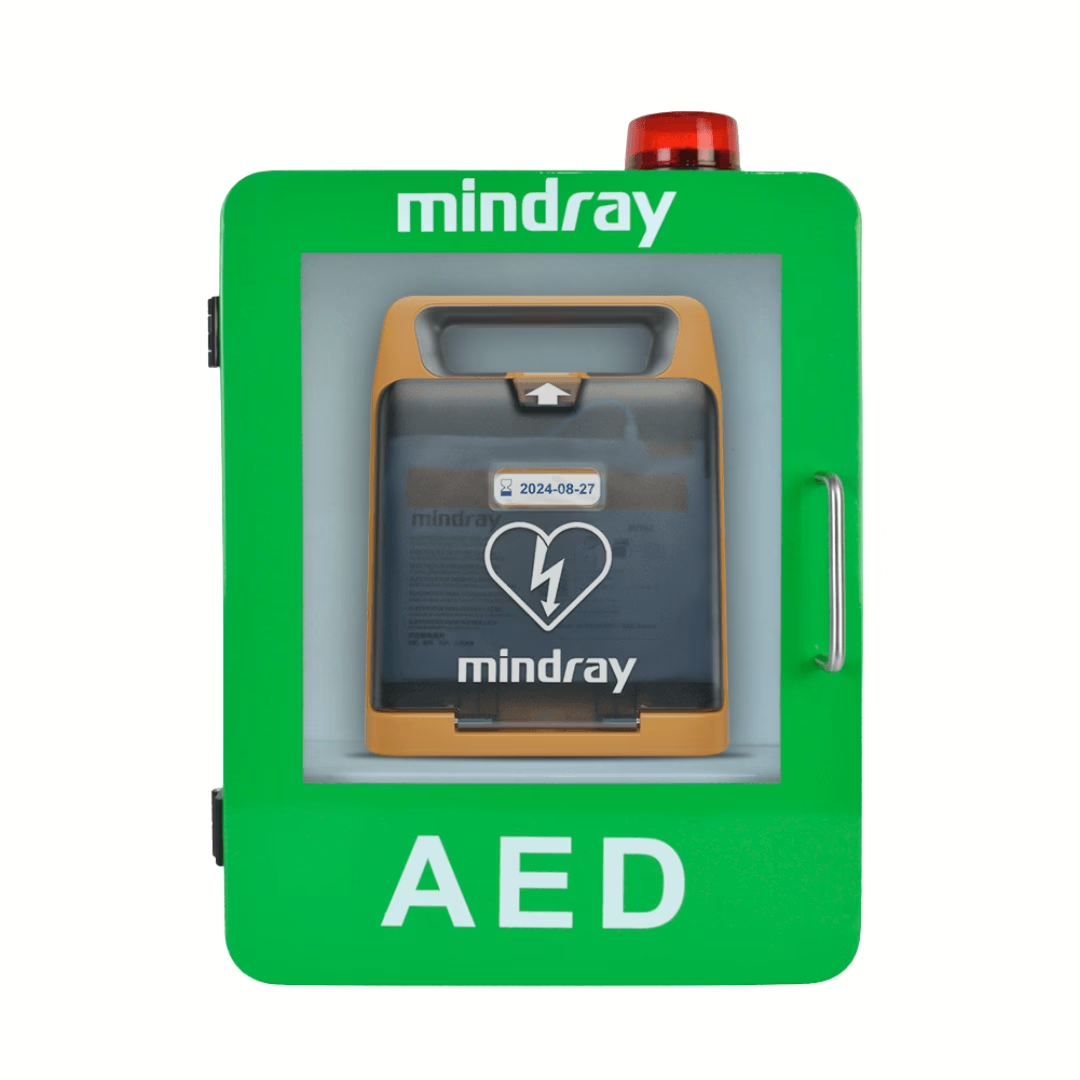
Environmental factors can also play a part in a battery’s expected life. Research suggests that extreme temperatures below 0 degrees Celsius or above 45 degrees Celsius will degrade battery life. Most outdoor storage cabinets will have a heating element inside to ensure that the AED unit does not drop below freezing at any time, to preserve functionality and battery life.
How Long Do Defibrillator Pads Last?
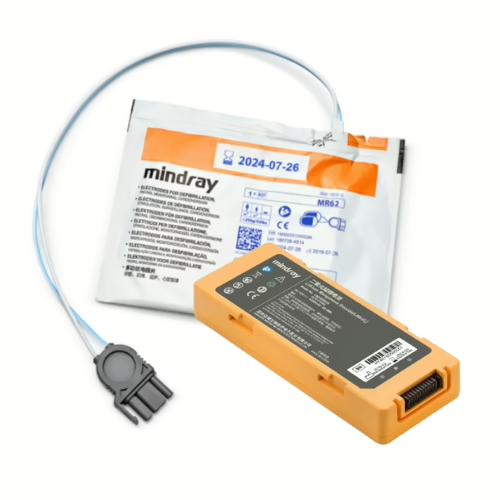
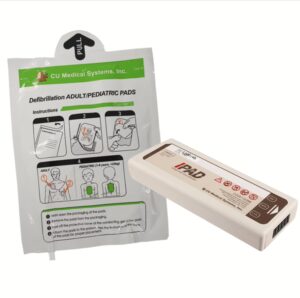
Defibrillator pads have a limited shelf life, typically lasting 2 to 5 years. Pads gradually lose their adhesiveness over time, and by the time of expiration, they are no longer in an effective condition.
Similarly, pads cannot be reused; you will need to buy new ones each time you use them. The pads will lose their adhesiveness after use, making them unreliable in a future emergency.
If you’re unsure whether your pads need to be replaced, our AED maintenance checklist can help ensure your defibrillator is always ready.
What Affects The Lifespan of a Defibrillator?
There are several factors that influence a defibrillator’s lifespan, including:
- Environment: Exposure to things like moisture, dust, and extreme temperatures can shorten the lifespan of the AED unit itself.
- Neglect: Regular maintenance can help to identify issues early and prolong the AEDs lifespan.
- Usage: Frequent usage may increase wear and cause internal components to degrade faster.
- Indoor vs Outdoor: Units stored outdoors may be more likely to sustain damage. It is recommended that outdoor cabinets have a heating element to ensure the unit is in working order at all times and to maintain the life of the device and battery.
Proper care and storage can maintain the full working life of an AED unit, whilst neglect can lead to an early replacement.
When Should You Replace a Defibrillator?
Rather than waiting for faults to occur towards the end of an AEDs lifespan, replacing a defibrillator should be planned based on a few key factors:
The End of Recommended Lifespan
As an AED approaches the end of its lifespan, components can begin to degrade, leading to continuous faults. AEDs are a medical, lifesaving tool; they must be ready for peak performance at all times.
After the recommended lifespan has passed, the AED might still be able to carry out its function, but it may fall short of top performance, which may have direct health consequences.
Maintenance and Replacement Parts Become Costly
Over time, specific models and makes may be discontinued, and components may be harder to find. Keeping a device operational requires servicing and repairs.
There might come a point where upgrading to a new model becomes more cost-effective over time than maintaining an older device.
Improvements in Technology or Medicine
Modern AED devices are designed to be user-friendly and fast. As technology improves, older devices may not be able to offer the same level of support and efficiency, particularly to those who have no previous training.
Replacing your defibrillator at the end of its recommended lifespan should allow you to take advantage of these improvements and maintain a rescue-ready device.
Ensuring Your Defibrillator is Ready When it Matters
Understanding the lifespan of your defibrillator and its components is essential to saving lives. The main AED unit can last for a decade or more in the right conditions, but the components will require more regular replacements.
In addition to this, regular maintenance and checks cannot be ignored.
If you are in need of a new AED or replacement batteries and pads, you can order online today to ensure your defibrillator remains fully equipped and emergency-ready.