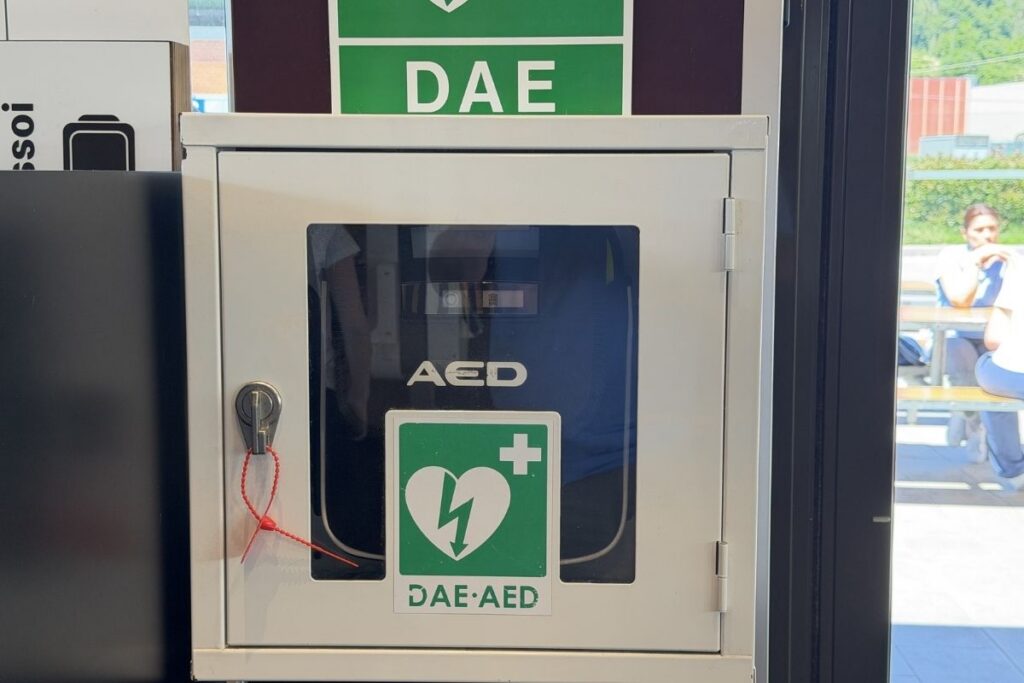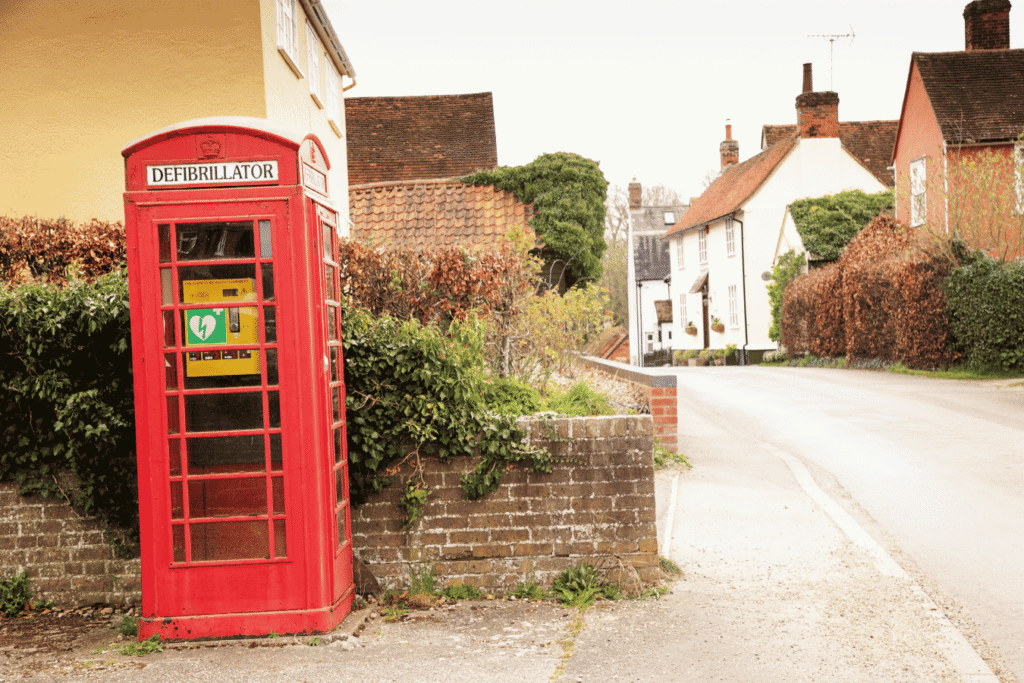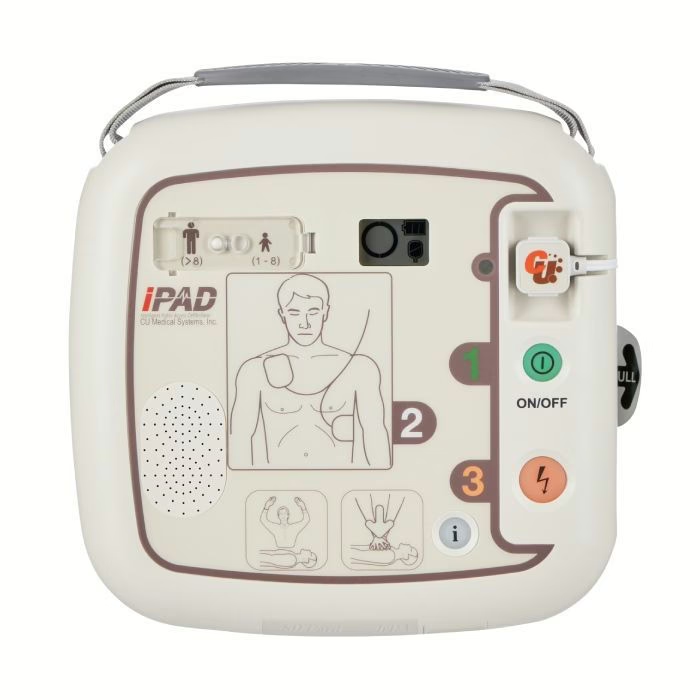
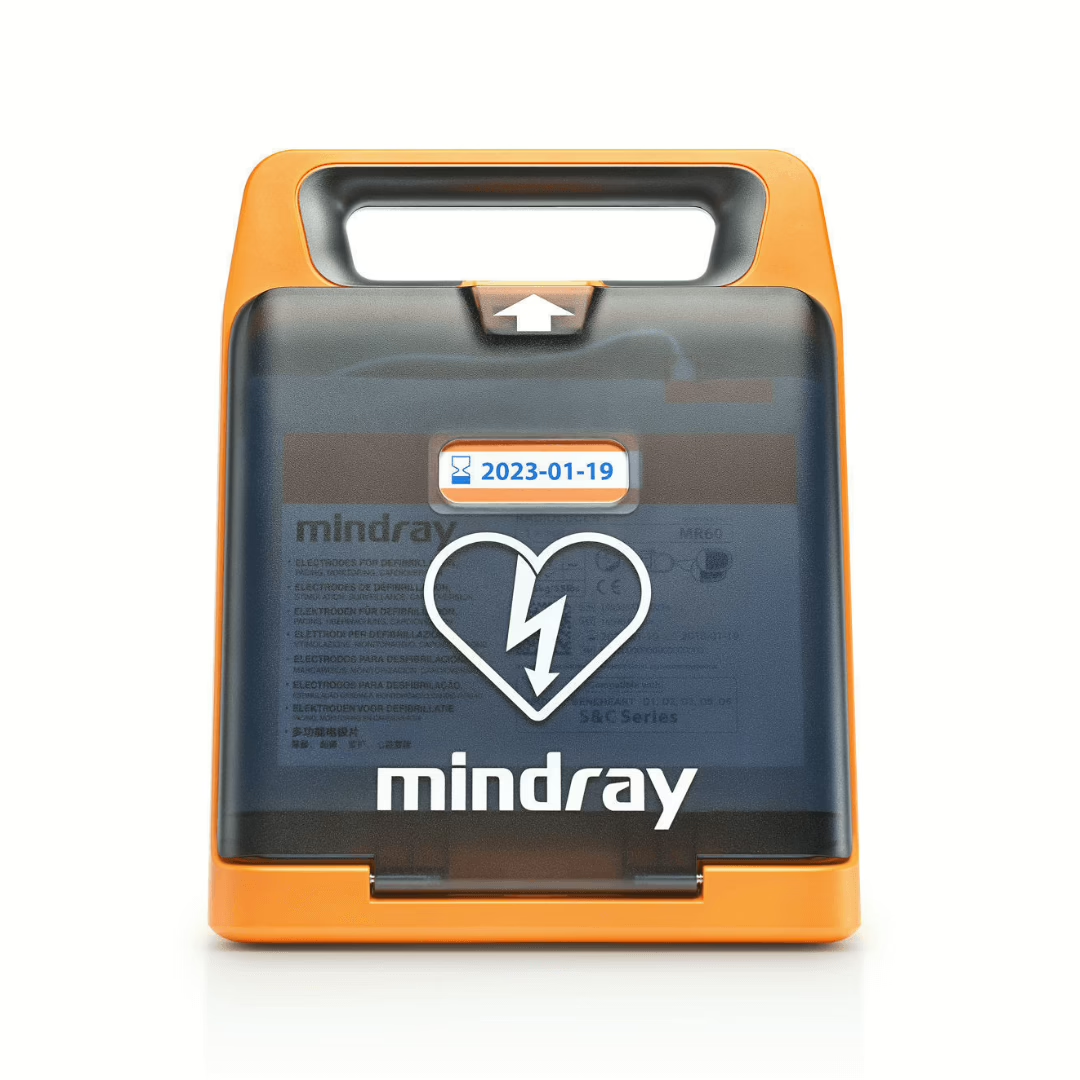
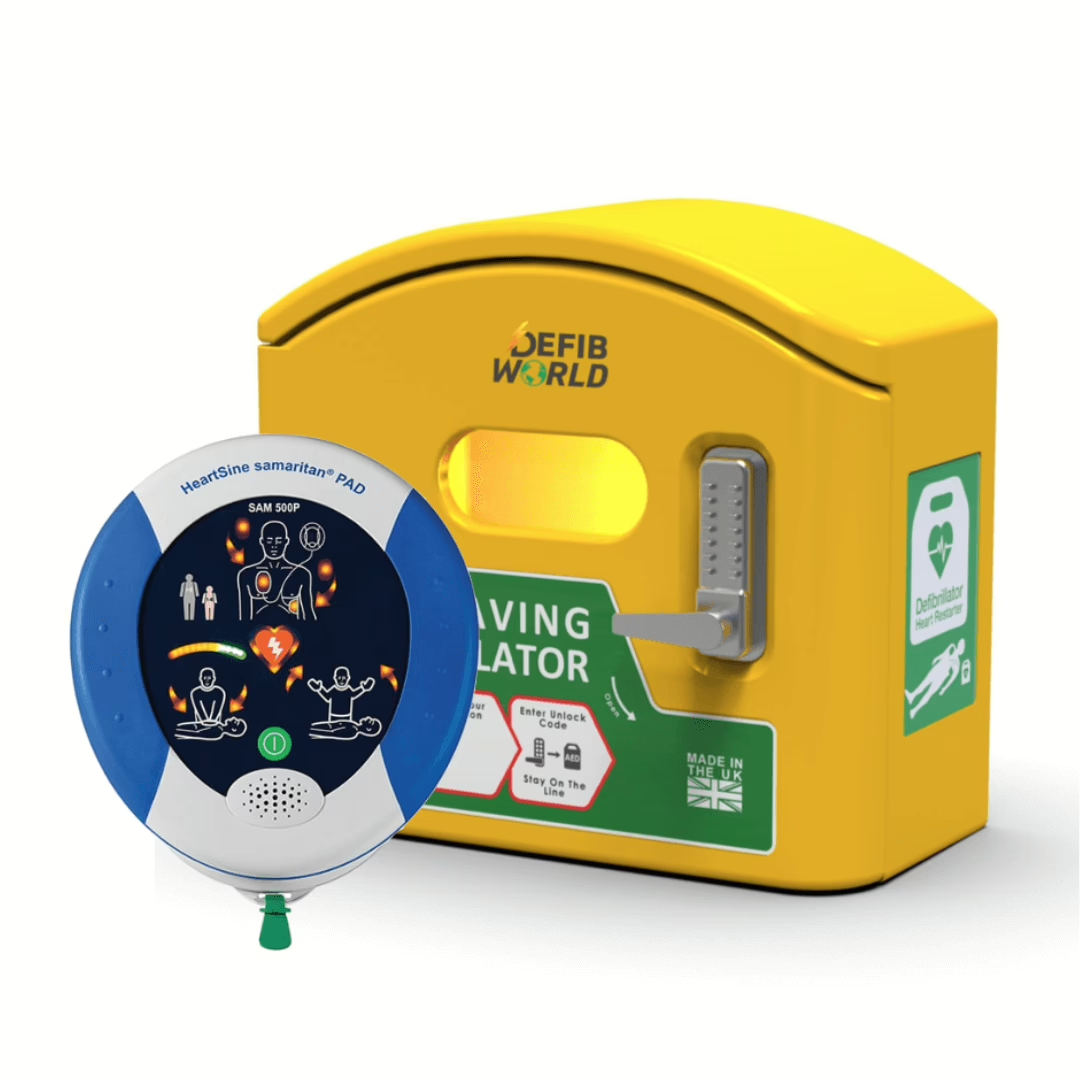
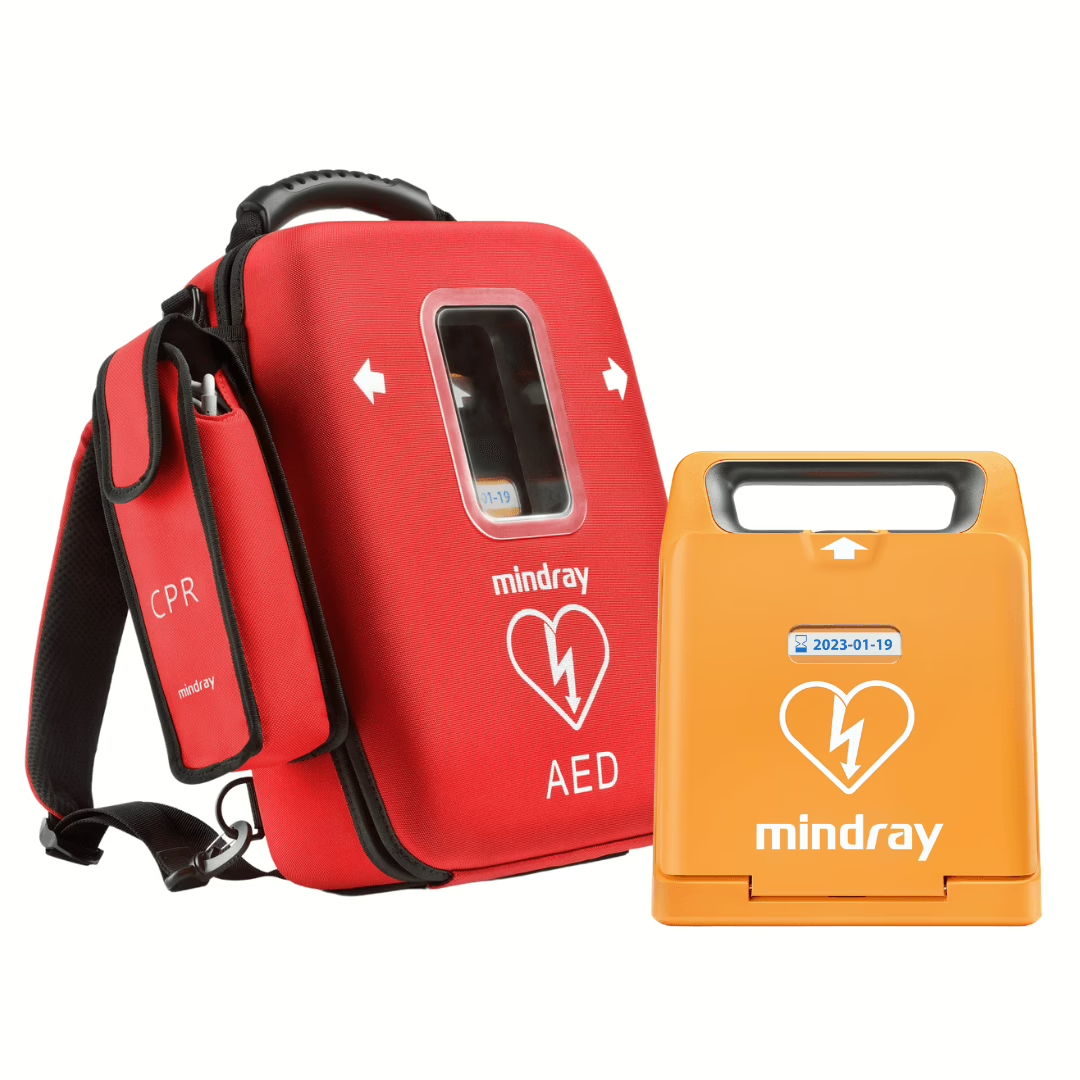
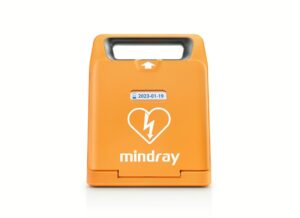
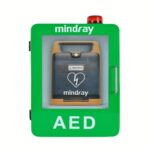
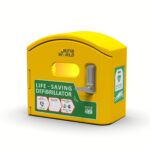
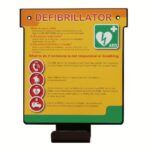
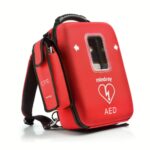
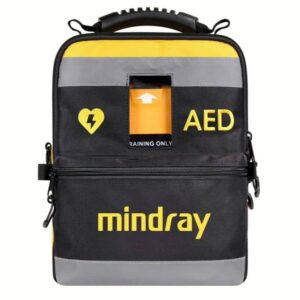

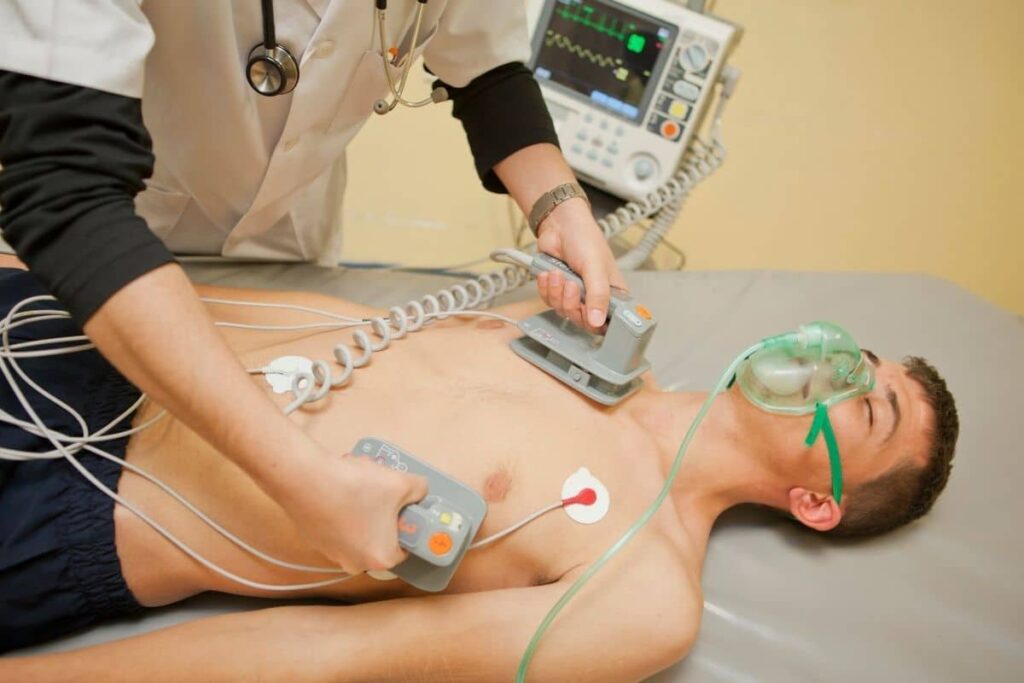
Defibrillators have changed a great deal since their first development. Early machines could only be used in operating theatres, directly on the exposed heart. Today, automated external defibrillators (AEDs) are small enough to hang on a wall and simple enough for anyone to use.
From the earliest experiments in 1899 to the first human defibrillation in 1947, defibrillators are a story of engineering and medicine coming together to save lives.
In this guide, we look at when the defibrillator was invented, how the technology developed, and where it is today.
When Was the Defibrillator Invented?
There isn’t a single date, because the defibrillator was developed in stages:
- 1899: Scientists first discovered that electric shocks could stop and restart an irregular heart rhythm in experiments on dogs.
- 1947: The first successful human defibrillation took place during open-heart surgery.
- 1956: The first defibrillation through the chest wall, without surgery.
- 1966: The first portable defibrillator was fitted in an ambulance in Belfast.
- 1979: The first automated external defibrillators (AEDs) were developed.
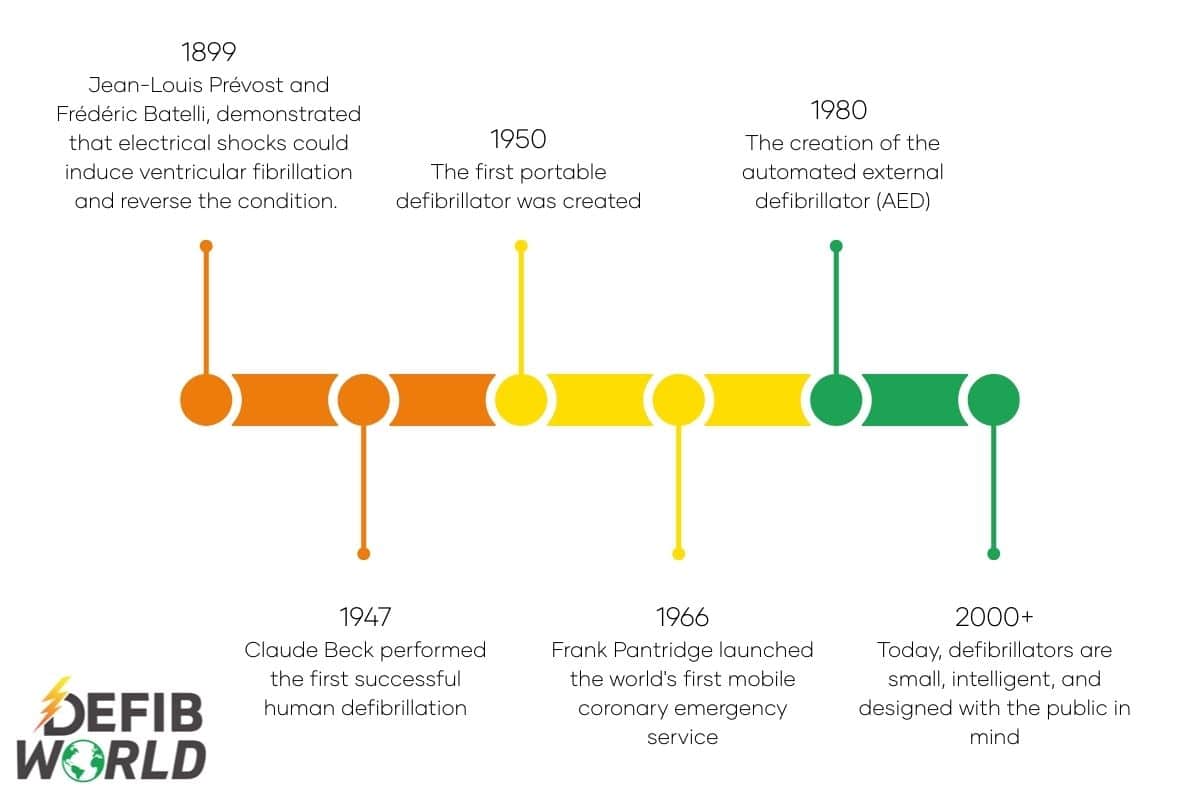
The sections below explain each stage in more detail.
1899-1930 The Earliest Discoveries
In 1899, Jean-Louis Prévost and Frédéric Batelli, a pair of Swiss scientists, demonstrated that electrical shocks could induce ventricular fibrillation in dogs and reverse the condition.
This pioneering research found that electrical currents could influence the heart’s rhythm, laying the groundwork for all future defibrillators.
In 1930, William Kouwenhoven developed a very early external defibrillator, continuing to study the relationship between electric shocks and their effects on the human heart. At this point, all research on what was to become defibrillators had been experimental.
The first successful human defibrillation wouldn’t take place until 1947.
1947 The First Human Defibrillation
Claude Beck at the University Hospital of Cleveland began giving shocks to animals with irregular heartbeats. But the leap was made to human patients when, during open-heart surgery, a 14 year old patients heart stopped beating.
Beck used his machine on the exposed heart, and after 2 shocks, restored a normal heart rhythm. This first successful human defibrillation was widely publicised and marked a new achievement in medicine.
But at this stage, defibrillation was only possible when applied directly to the exposed heart; only during surgery could the technique be used.
1950-1956 First External Defibrillator
In the 1950s, the first portable defibrillator was created. The device weighed 70 kilograms and required its own vehicle.
In 1956, Dr. Paul Zoll was the first physician to externally regulate heart rhythms using a defibrillator. He later created a device that allowed for monitoring the heart’s electrical activity, giving us the cardiac monitor we have today.
These early successes for defibrillation proved that it could be a viable and effective emergency treatment.
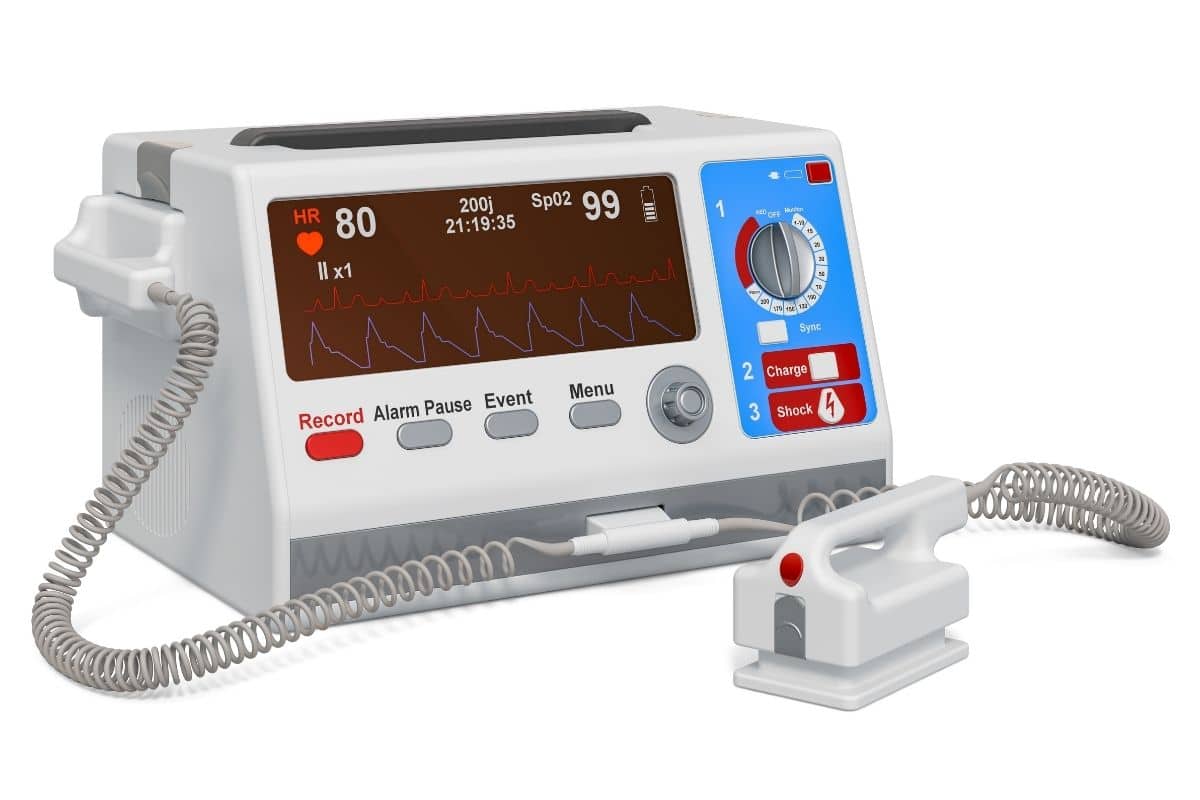
1966 Emergency Medicine Transformed
The milestone that brought defibrillators into everyday life was the refinement of the portable defibrillator.
In 1966, Northern Irish doctor Frank Pantridge launched the world’s first mobile coronary emergency service. At this stage, the weight had been reduced to 45 kilograms, and the defibrillator ran from ambulance batteries. It allowed medical teams to treat cardiac arrest outside of the hospital for the first time.
This was quickly followed by advancements in battery technology, reducing the size and weight of devices, making them easier for ambulances or emergency responders to use.
These advancements allowed for patients to be treated prior to hospital admission, and significantly improved survival and recovery rates.
1979-1980 Implantable and Automated Defibrillators
The next major milestone came in the form of an implantable defibrillator. Surgically implanted into patients who are at high risk of heart rhythm disturbances. This device automatically detects and corrects arrhythmias when needed.
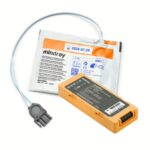
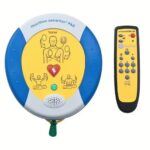
At this time, researchers were working on making defibrillators easier for non-medical people to use, which led to the creation of the automated external defibrillator (AED). These devices analyse the heart’s rhythms and guide a user through the process, often using voice commands.
AED devices became more accessible to untrained people, allowing for fast treatment before hospital admission, further saving lives.
1990s-Today
In the 1990s, biphasic shocks (where the current flows in one direction and then reverses) allowed defibrillators to work effectively at lower energy levels. This helped make devices smaller and lighter.
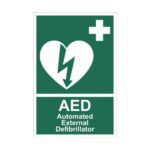
Modern AEDs are designed to be used by anyone:
- They give clear voice and visual instructions at each step.
- They analyse the heart’s rhythm and will only deliver a shock if one is needed.
- Fully automatic models deliver the shock themselves, without the user pressing a button.
- They run regular self-tests and alert you if the pads or battery need replacing. Some can also report their status remotely.
Defibrillators are now a common sight in workplaces, schools, gyms, train stations and communities. In the UK, the government began providing defibrillators to state schools in England in 2023, and community defibrillators can be registered on The Circuit so that 999 call handlers can direct bystanders to them.
Advancements like wearable technology are also gaining traction. These ongoing changes are improving survival outcomes and increasing defibrillator use in everyday life.
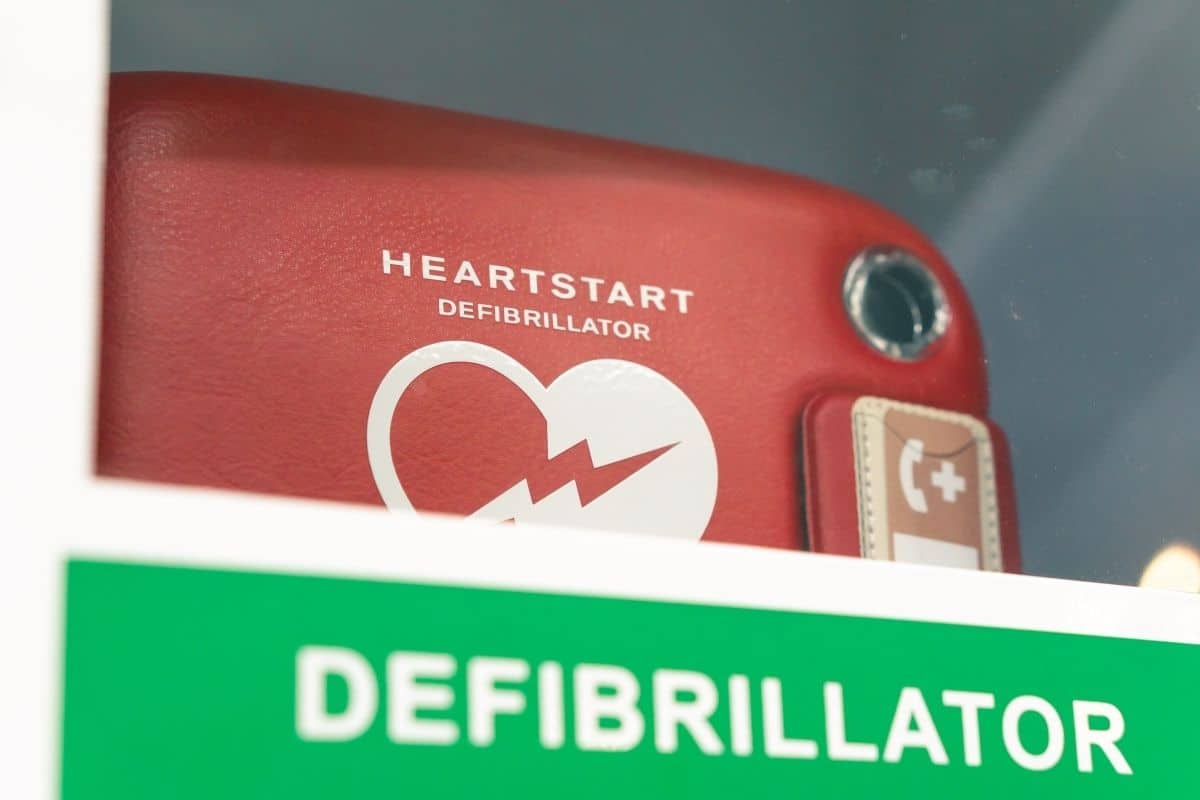
Why Awareness Still Matters
A paper published in the National Library of Medicine concluded that in the 75 years since the first successful human defibrillation, defibrillators have transformed cardiac life support and improved patient outcomes.
But there is still work to do. In the UK, there are around 43,000 out-of-hospital cardiac arrests each year where ambulance services attempt resuscitation, and fewer than 1 in 10 people survive. A public-access defibrillator is used in fewer than 1 in 10 of these cases. That is often because people don’t know where the nearest one is, or don’t feel confident using it.
Modern AEDs are designed to be used by anyone, with no training needed. If you see one in your workplace or community, take note of where it is. You could be the person who uses it.
How Defib World Can Help
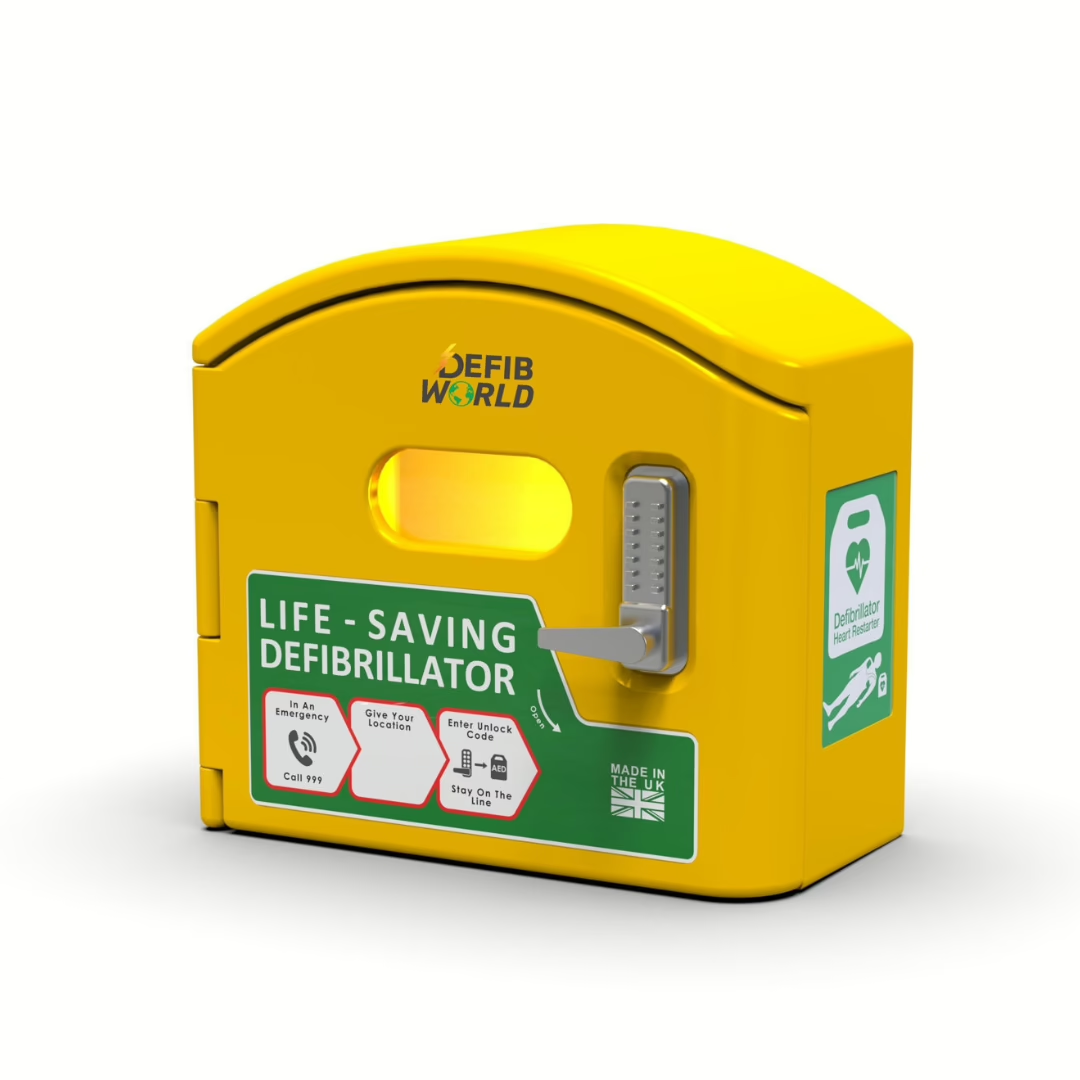
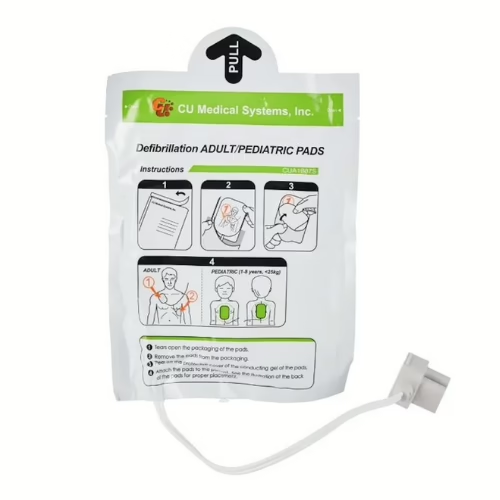
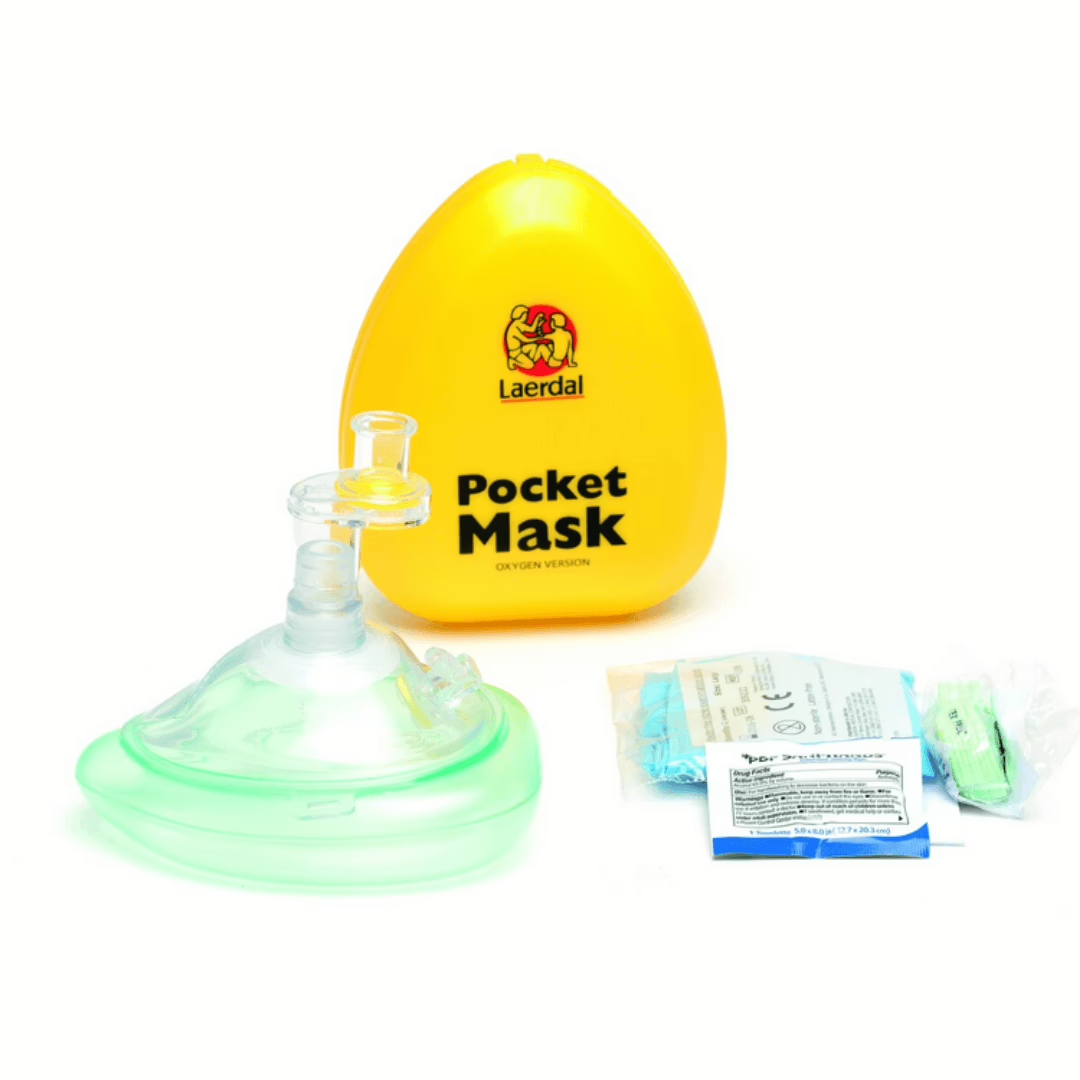
At Defib World, we supply a wide range of defibrillators, cabinets and accessories for workplaces, schools, sports clubs and communities across the UK. Browse our full range of defibrillators, or try our Defib Finder to find the right model for your site.
If you have any questions, call us on 0330 223 6336 or email sales@defibworld.org.
At Defib World, we want to ensure that help is always within reach.