







































.jpg)


Please remember, if you need assistance or have any questions, call us on 0330 223 6336 or drop us an email at sales@defibworld.org
- Published:14 October 2024
The room is buzzing with activity, a typical day at the office. Conversations are happening in the background, and keyboards are clicking away. Suddenly, without warning, one of your colleagues slumps over their desk. There’s a crash; their coffee cup hits the floor, shattering the normalcy of the moment.
Panic grips the room. The colleague is unresponsive, their chest is still, and there is no sound of breath.
They are having a cardiac arrest. But how can you spot a cardiac arrest before it’s too late? In this guide, we’ll outline the four key steps to take when responding to a cardiac arrest and how to keep your colleagues safe.
Step 1: How to Spot A Cardiac Arrest
It’s sudden. Your colleague collapsed, and their breathing stopped. No gasps, no pulse.
This is an intense situation, so your mind will be racing. But you must work through the chaos to determine if this was a heart attack or cardiac arrest. But does a cardiac arrest have warning signs? Yes, so it’s important to remember the critical signs of a cardiac arrest are:
- No pulse
- No movement
- No response
Cardiac arrest isn’t subtle. It’s immediate, like a switch flipping off. And now, every second counts.
The Clock is Ticking: Act Immediately
Once you’ve spotted the warning signs of a cardiac arrest, it’s time to act, but hestiation can creep in, even if you’ve been in this situation before!
However, there’s no time for that. You rush to their side, quickly scan the room, and yell, “Someone call 999!” The call is made. Now, it’s on you to keep their heart alive until help arrives.
Step 2: CPR—Keeping the Blood Flowing
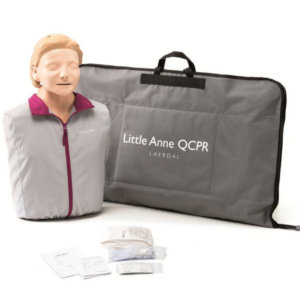
You drop to your knees beside them and start CPR. Hands-only CPR: your hands press down on their chest, hard and fast, right in the centre. You can feel the weight of responsibility with every compression. This isn’t just first aid—it’s their lifeline.
Key CPR Reminders:
- Press hard and fast in the centre of the chest.
- Aim for about 100-120 compressions per minute (think of the beat of the song “Stayin’ Alive”).
- Don’t stop until the AED arrives or paramedics take over.
Each compression pushes blood to the brain and vital organs, buying time. You know that without it, oxygen isn’t reaching their body. The first two minutes of CPR feel like an eternity, but are essential.
The Defibrillator Arrives: Your Game Changer
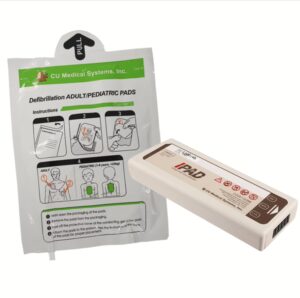
Suddenly, someone arrives with the Automated External Defibrillator (AED)—your real chance to reset this ticking clock. You rip open their shirt, exposing their chest and quickly grab the AED pads.
Step 3: How to Use the AED
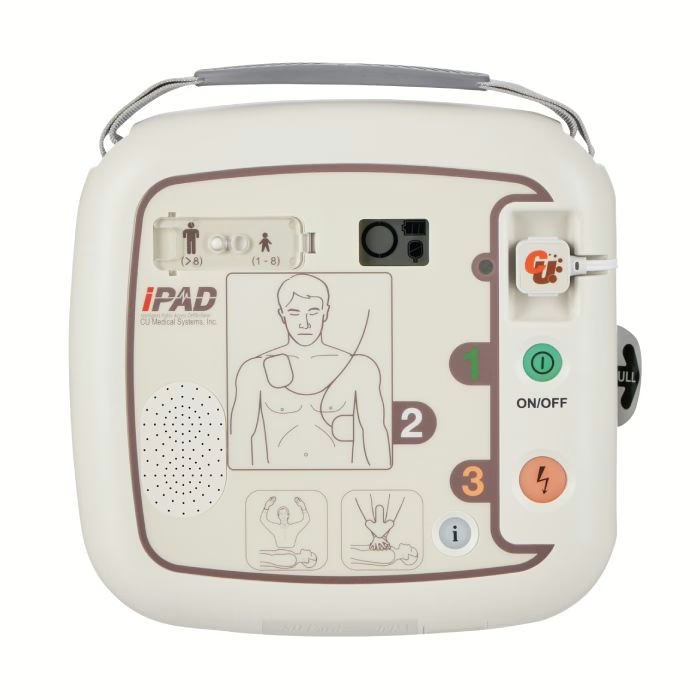
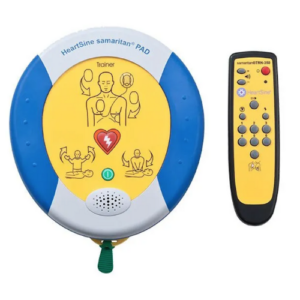
Here’s where you know the AED is designed to be foolproof. You turn it on, and the machine’s voice guides you through how to use it:
- Turn on the AED. Easy. One button, and you’re in.
- Place the pads. You attach the sticky pads to their bare chest, following the diagram—one on the upper right, one on the lower left. The AED begins to analyse their heart rhythm.
- Analyse. The voice from the AED says, “Analysing heart rhythm—stand clear.” You take a step back, holding your breath.
- Shock Advised. Your heart races as the machine tells you to deliver the shock. You press the button. Their body jolts, and you hope the chaos in their heart is silenced.
Continue CPR. The AED tells you to keep going with compressions, and you return to CPR without hesitation.
Life Hangs in the Balance: Every Second Counts
You keep pumping their chest, sweat trickling down your forehead. The clock is ticking. You know that for every minute that passes without a shock or CPR, their chances of survival drop by 10%. But you also know that defibrillation within the first 3–5 minutes can boost survival rates between 50-70%. This is why you can’t stop.
The Moment of Truth: They Breathe
Just as your arms start to burn from the effort, their body stirs. A cough. Then a breath. You watch in disbelief as colour slowly returns to their face. The AED did its job. You did your job.
They’re not out of the woods yet, but they’re alive. You just saved a life.
The Aftermath: Prepare Your Workplace for the Next Time
Paramedics whisk away your colleague, but your heart is still pounding. You know that emergencies like this can happen anywhere, anytime. And now, you’re more determined than ever to ensure your workplace is ready.
Step 4: Create a Cardiac Emergency Plan
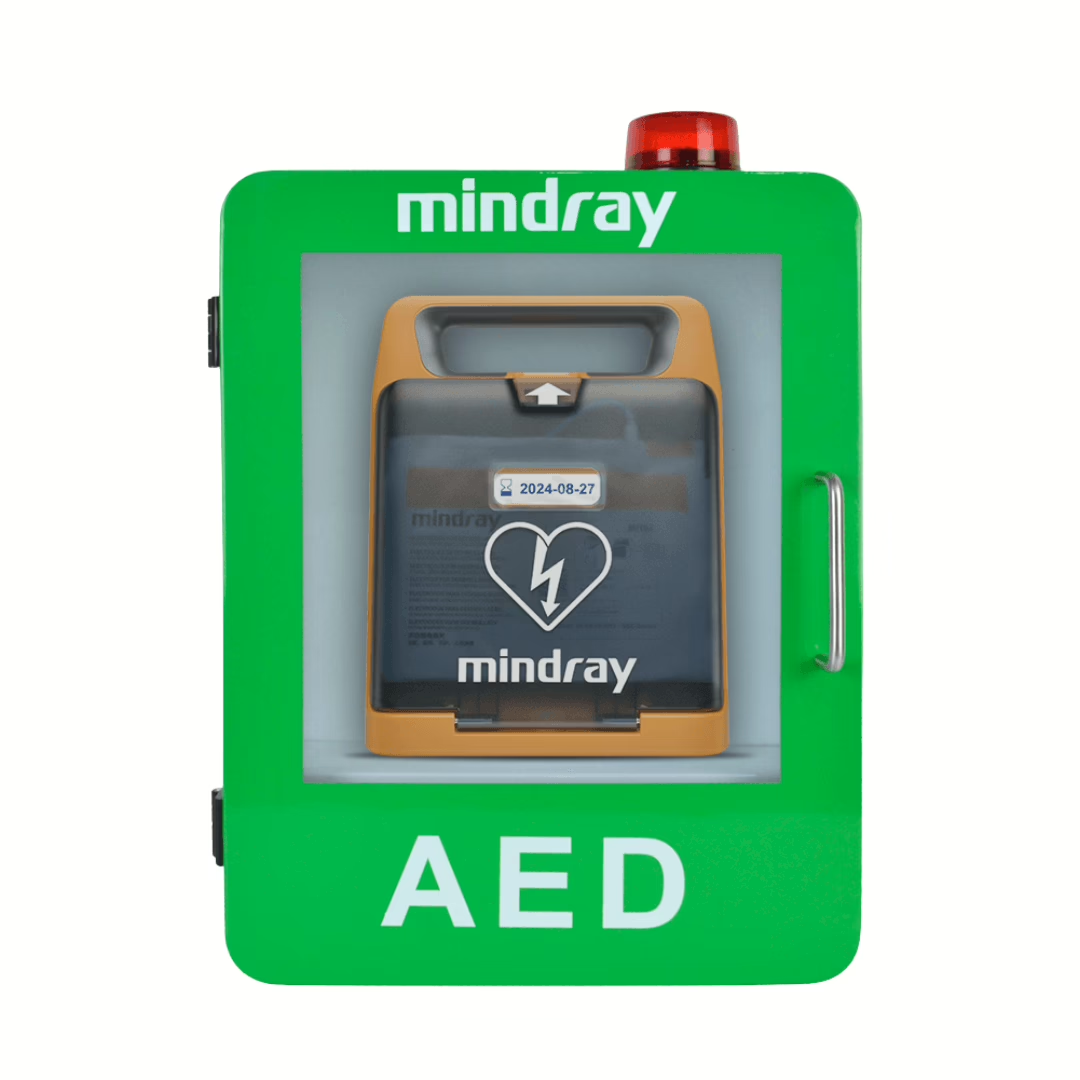
- Know where your AEDs are. Every second counts. Ensure that AEDs are in visible, accessible spots.
- Regular CPR and AED training. Build confidence and quick response times by ensuring everyone knows how to act.
- Practice emergency drills. Simulate a real scenario. Practice creates muscle memory, so you don’t hesitate when the time comes.
Recognising the Signs of a Heart Attack: What If It Was Different?
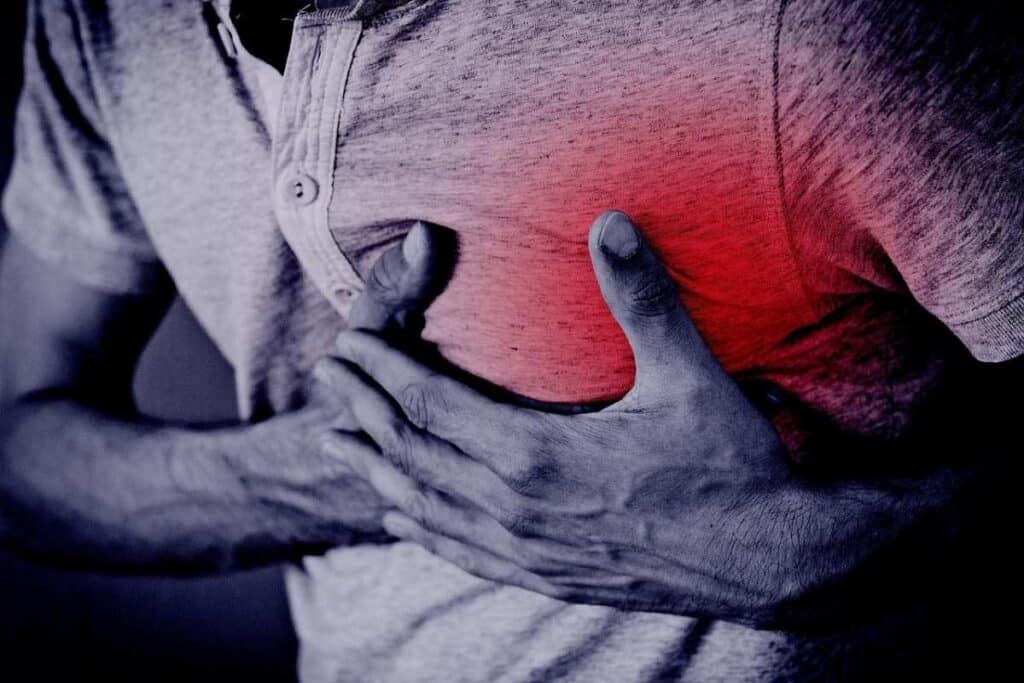
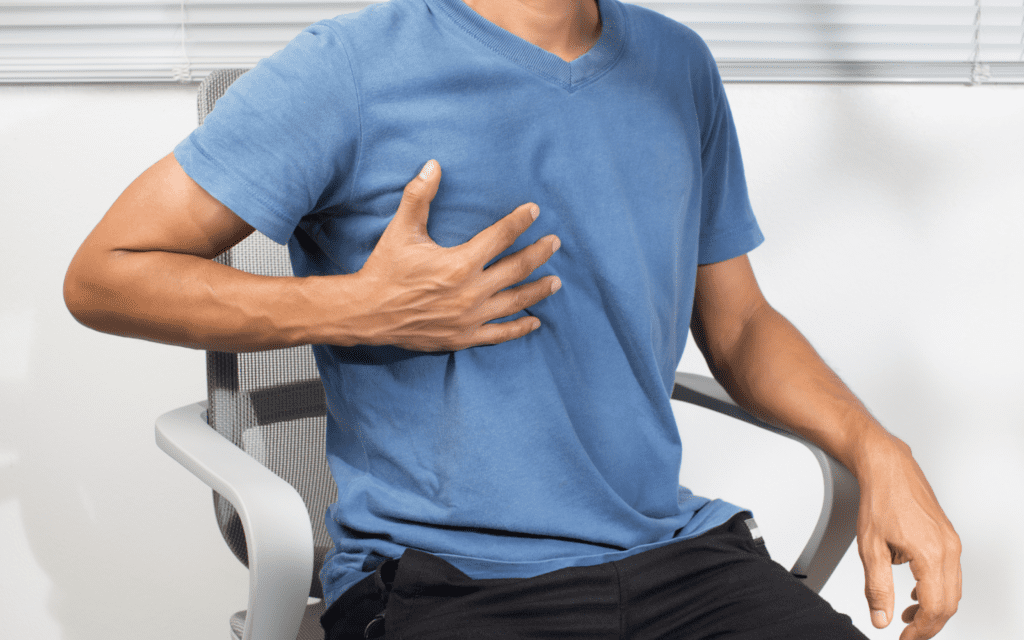
But now, your mind wanders for a moment. What if this had been a heart attack instead of cardiac arrest? You remember what you were taught—the signs aren’t always as evident as collapsing.
Subtle signs to watch for in a heart attack:
- Jaw Pain: It doesn’t scream “heart attack,” but pay attention to whether it radiates from the chest or is sudden.
- Nausea and Vomiting: Common in women, often misinterpreted.
- Fatigue: Persistent, unexplained tiredness that feels off.
Heart attacks might give you time, but cardiac arrest gives you none. It’s the difference between a warning shot and sudden silence. But right now, you’re handling silence. You’re in the heat of cardiac arrest.
You Were Ready, But Are Others?
Now that you’ve lived through it, you realise how crucial those first moments are. You recognise how every action—calling for help, starting CPR, using the AED—makes the difference between life and death. But here’s the real question: is everyone in your office ready to act when it matters most?
At Defib World, we’re committed to making sure every workplace has the tools and training needed to save lives. Because cardiac emergencies don’t wait for the right moment—they happen when you least expect them.
The next life you save could be someone you know.
Category: CPR and First Aid Training
Training tips, importance of CPR, and manikin usage