













































.jpg)


Indoor vs Outdoor Defibrillator Cabinets: What’s Best For You?
Selecting the cabinet for your defibrillator is just as important as choosing the device itself. Whether you install an indoor defibrillator cabinet or an outdoor defibrillator cabinet will depend on the environment, accessibility requirements, and who may need to use the device if a cardiac emergency takes place.
Indoor cabinets are designed for controlled environments, like a workplace, schools, gyms, and public buildings. On the other hand, outdoor cabinets are built to protect defibrillators from harsh outside conditions.
Outdoor cabinets also allow for 24/7 public access. Both cabinet types help to ensure an Automated External Defibrillator (AED) remains visible, safe, and ready for use when sudden cardiac arrests occur.
Rapid access to a defibrillator unit within the first few minutes of a cardiac arrest incident can dramatically increase survival rates. Therefore, ensuring AEDs are stored safely and accessibly is an important part of any health and safety plan.
In this blog, we are going to jump into what defines an indoor and outdoor defibrillator cabinet, and when each is appropriate for your needs and space.
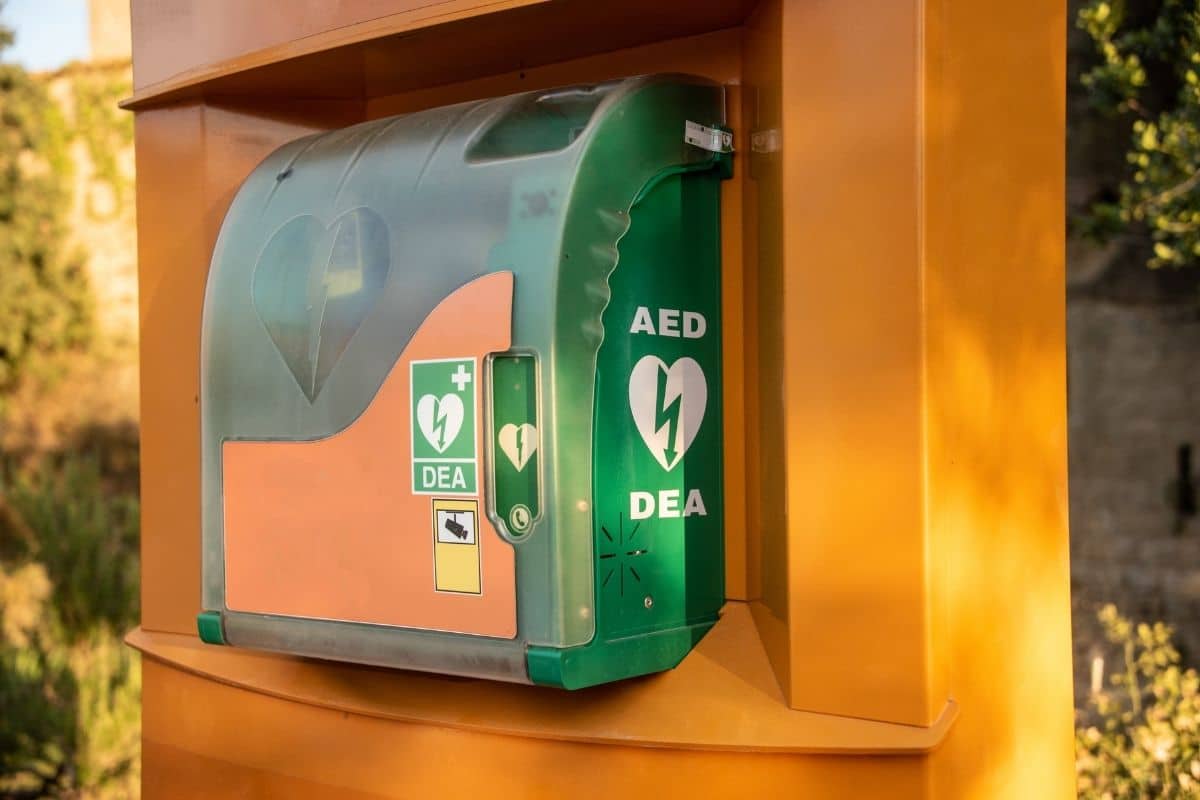
What Is an Indoor Defibrillator Cabinet?
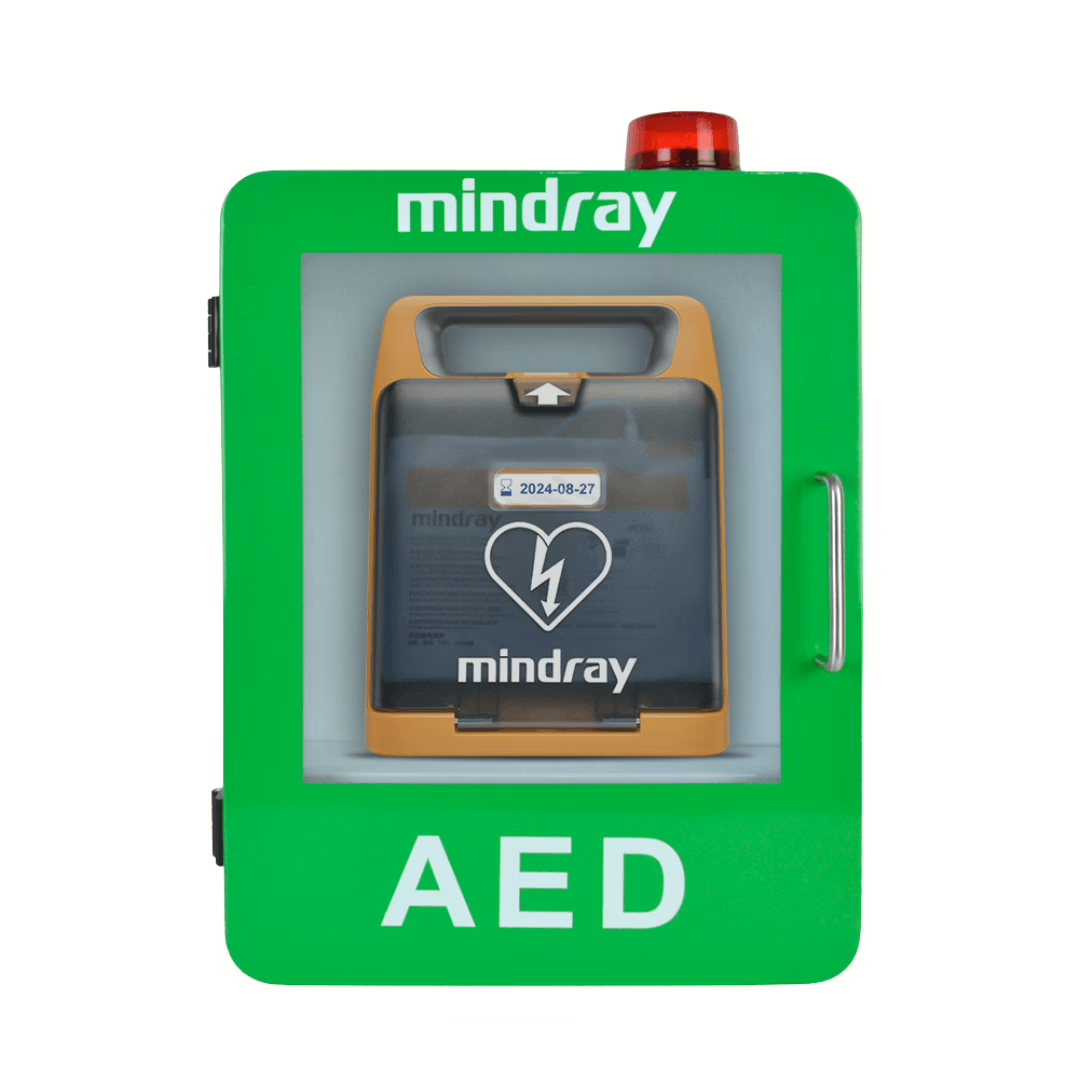
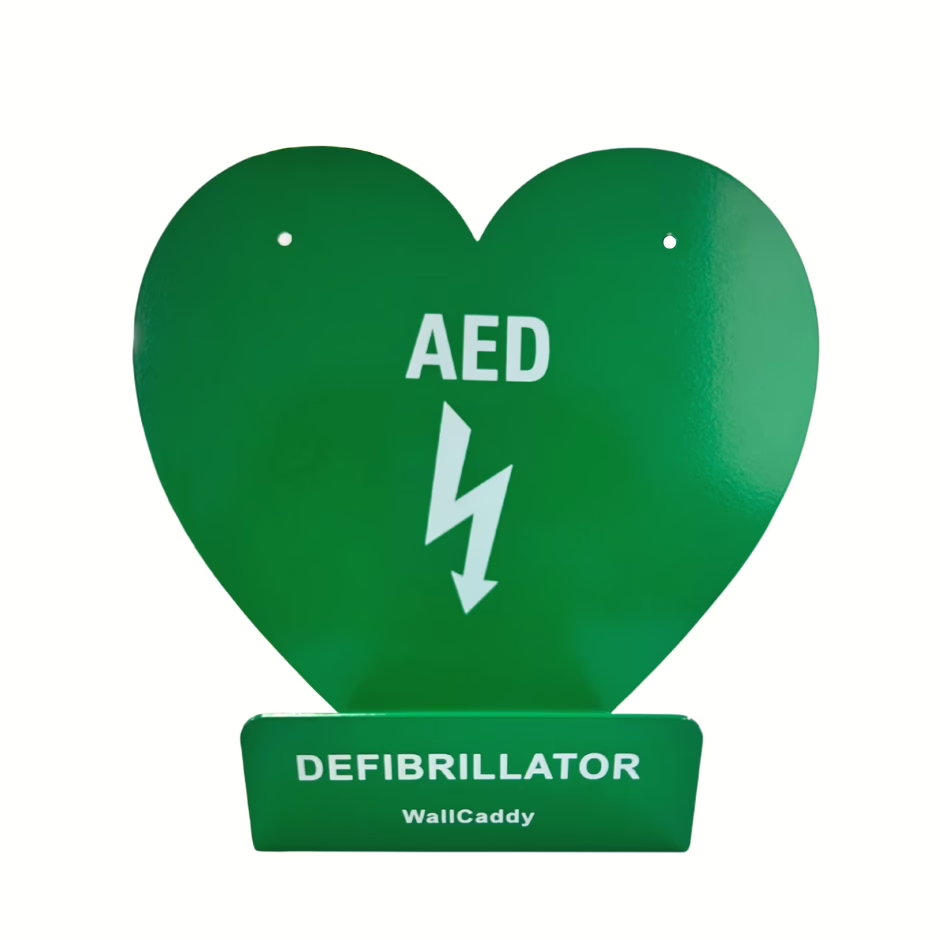
An indoor defibrillator cabinet is designed to store and protect your AED inside buildings, where environmental conditions are stable. Typically, these cabinets are wall-mounted and placed somewhere clearly visible to ensure quick access in an emergency situation.
The purpose of an indoor cabinet is to protect the device from dust, accidental damage, and tampering. While also keeping the device accessible. Most models include built-in alarms that activate when the cabinet is opened. This is to alert staff, bystanders, or medical personnel to an emergency.
An indoor cabinet doesn’t require complex climate control, since the building itself already protects it. This makes them more affordable for organisations installing devices in workplaces, schools, gyms, and so on.
What Is a Defibrillator Outdoor Cabinet?
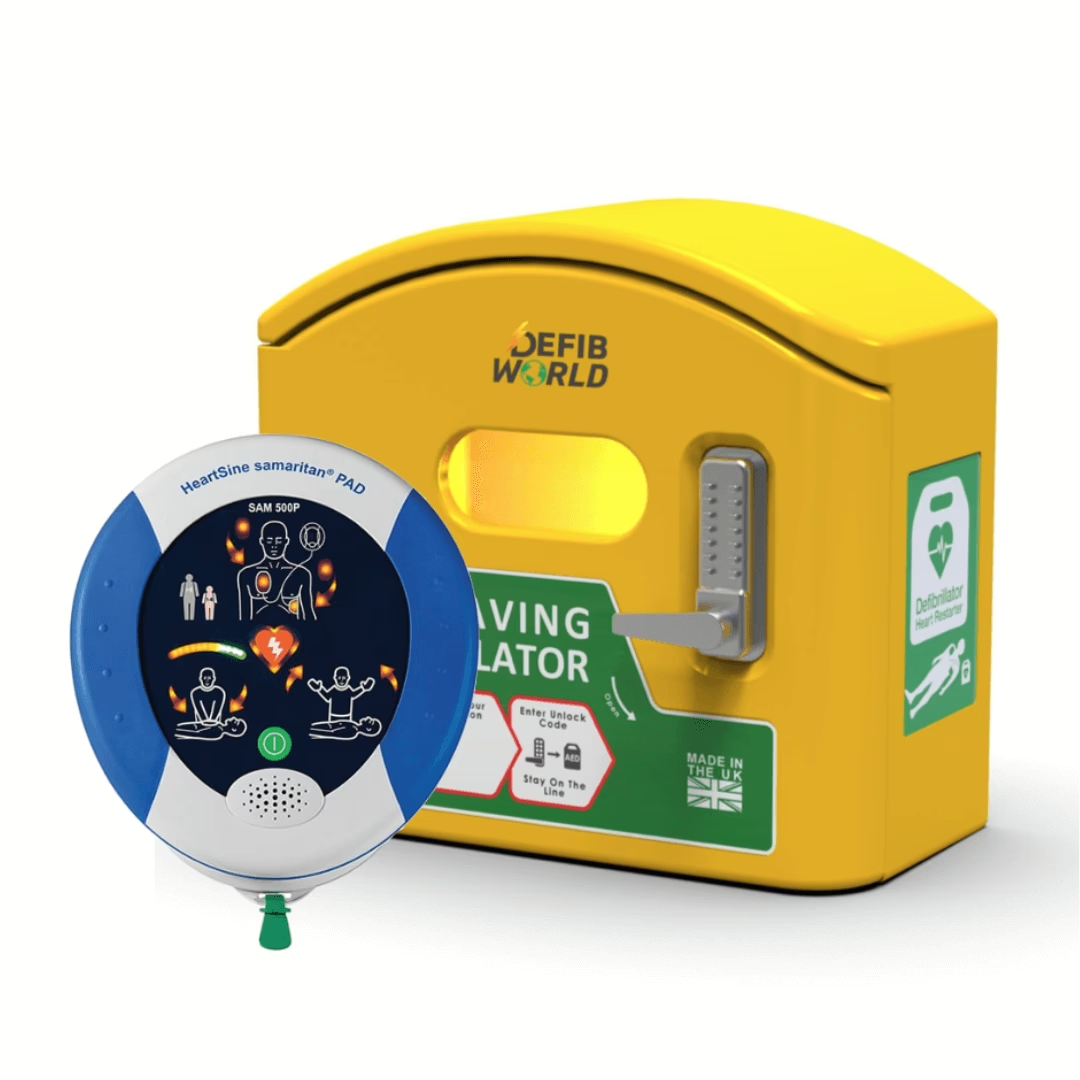
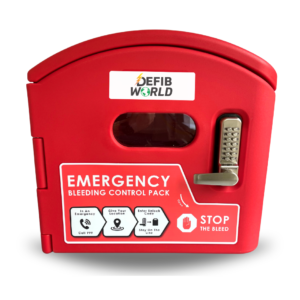
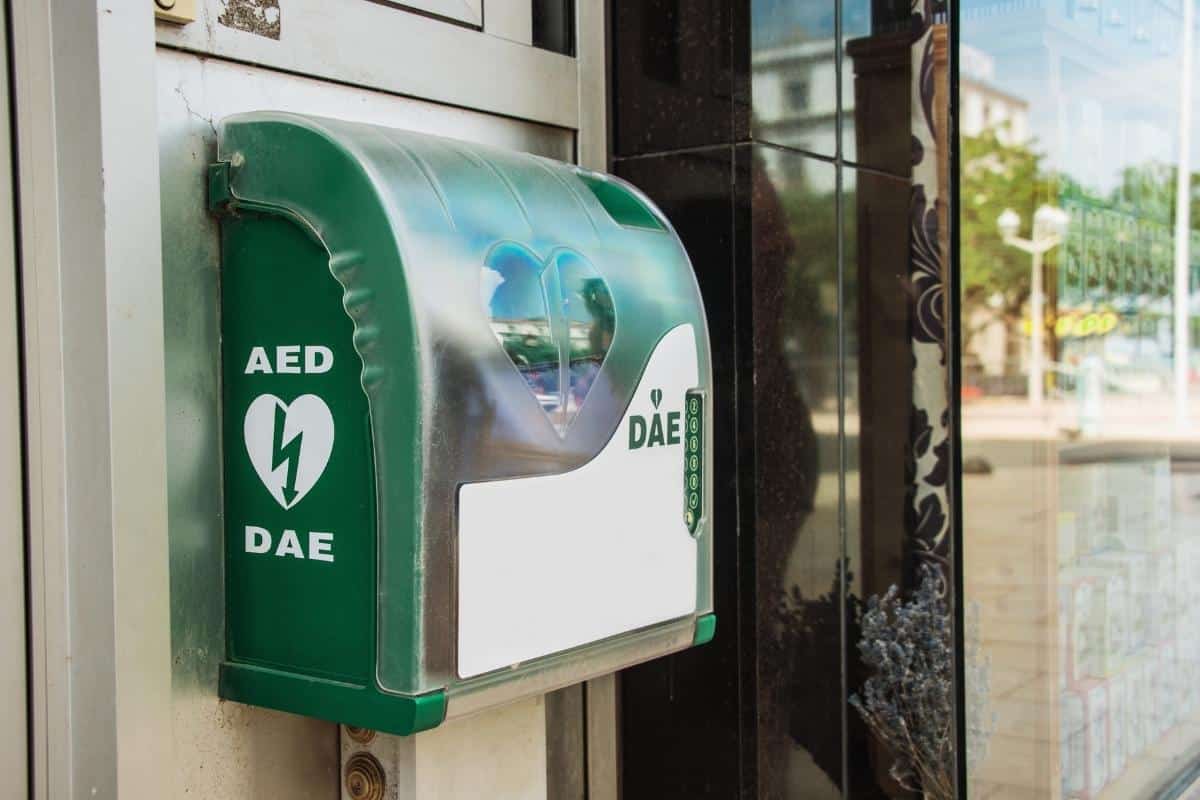
A defibrillator outdoor cabinet is more complex than an internal one. It is specifically designed to protect an AED from the environment where it could be exposed to rain, frost, wind, and vandalism.
Often, these are installed on the outside of buildings in public areas and require 24-hour a day access and must be visible at all times. Unlocked cabinets are often vandalised less frequently than locked ones, so you should consider which is right for your space.
Typically, cabinets are made from strong, weather-resistant materials like polycarbonate or stainless steel. Models often include built-in heaters that maintain the AED unit within a recommended operating temperature. The battery and pads’ performance could be affected at lower temperatures, reducing or even eliminating the AED’s effectiveness.
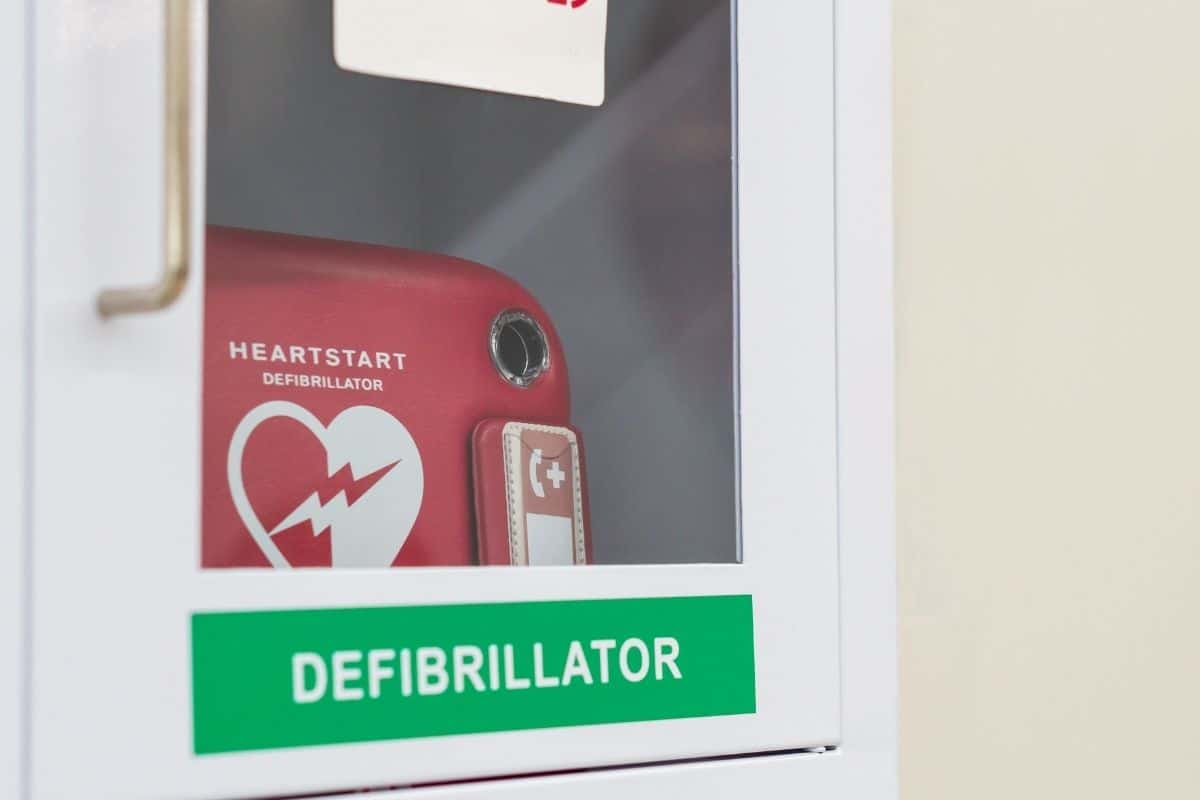
The public being able to access defibrillators stored in outdoor cabinets is essential. It leads to better survival outcomes and improved neurological outcomes for those suffering cardiac arrest.
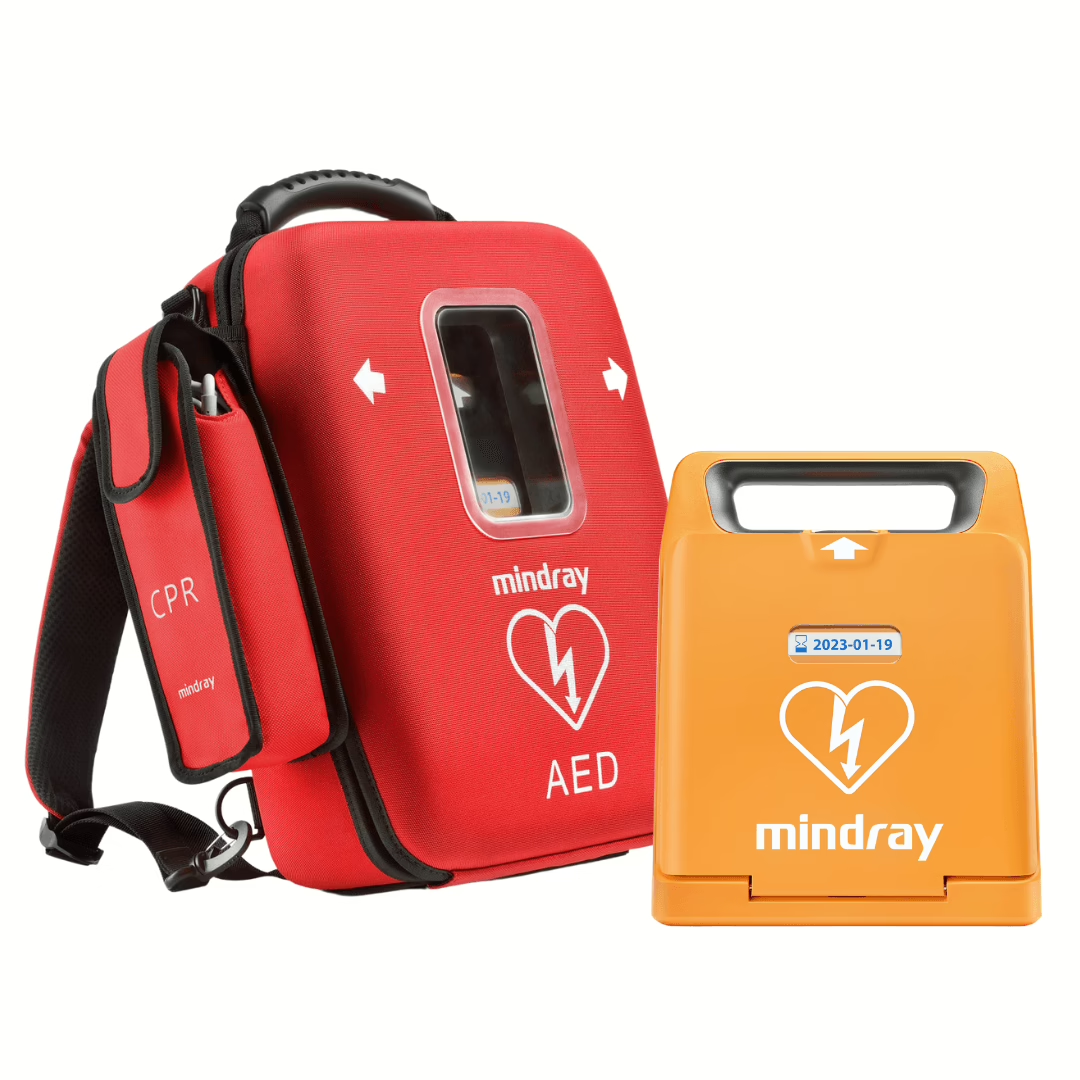
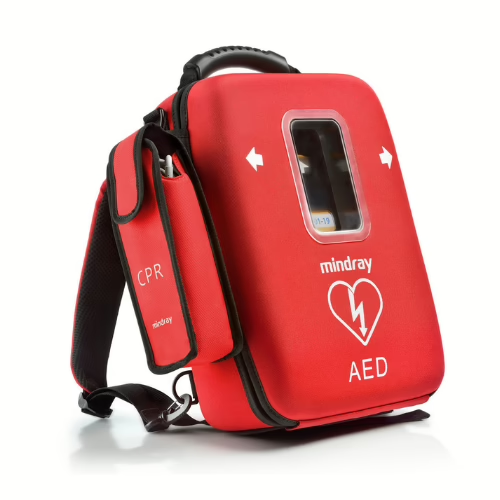
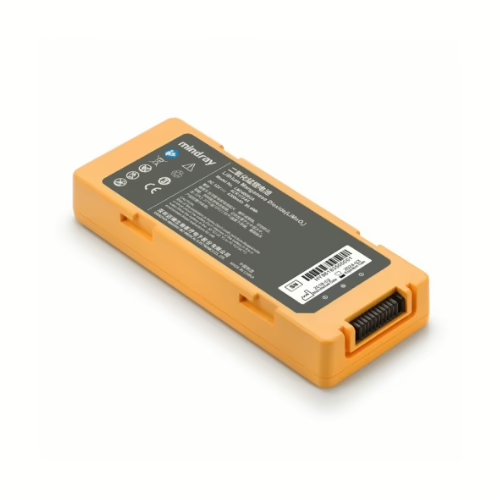
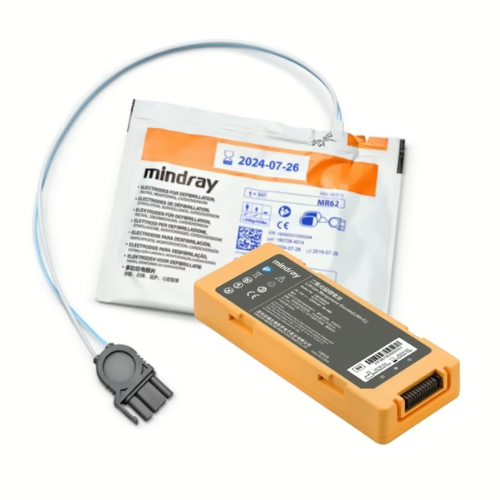
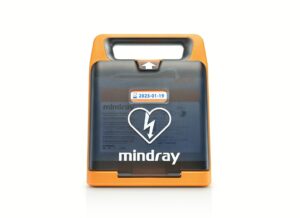
Devices like the Mindray C1A Semi-automatic and Cabinet package are commonly chosen for their ease of use, robust design, and their suitability for trained and untrained responders.
Key Differences Between Outdoor and Indoor Cabinets
Both cabinets serve the same core purpose, protecting the defibrillator and ensuring accessibility in an emergency. But they are made for very different environments, and the price and installation costs reflect this.
An indoor cabinet is a more affordable option, because they don’t need to be more than a protective case. Most indoor cabinets are simple wall-mounted units designed to keep the AED visible and protected from accidental damage.
By contrast, an outdoor cabinet is built with more advanced features, which increase the overall cost. Outdoor cabinets must protect the AED from rain, freezing temperatures, wind, and intense heat.
They are typically constructed from durable weather-resistant materials. Most have integrated heating systems that help maintain a safe operating temperature. These additional needs usually mean the cabinets are more expensive than indoor units.
There are also installation considerations that could affect pricing. Heating outdoor cabinets requires a power source, which will involve electrical installation or professional setup, depending on the location. Indoor cabinets usually just require simple wall mounting.
While outdoor cabinets typically involve higher costs, they provide added protection and 24/7 accessibility. Indoor cabinets offer a more cost-effective solution, but might have limited access in an emergency situation.
There is no right or wrong answer; it is entirely down to what you need from your space.
Which Should You Choose: Indoor vs Outdoor Cabinets?
At the centre of the question is ‘Where will the AED be installed?’ and ‘Who needs access?’.
Indoor cabinets work for spaces only accessible during some opening hours, such as offices, gyms, hotels, and retail spaces.
Outdoor cabinets are suitable for locations that need access at all times. This could be at community centres, parks, or any public space.
Accessibility is the primary reason you would choose one type of cabinet over the other.
Both types of cabinet and their location are useful and valid. By installing the correct and pairing it with a reliable AED, organisations can significantly improve emergency preparedness and help save lives.
Let’s Find the Right One for You
If you are looking for the right indoor cabinet or outdoor cabinet to go with an AED, we have packages ready for installation.
You can explore our catalogue and order online today.