
















































.jpg)


- Published:28 July 2025
Cardiac arrest can happen anywhere, including in a car. Survival often relies on the speed of intervention: for every minute without CPR and defibrillation, chances of survival drop by 10%. While the emergency services aim to reach people as fast as possible, for those travelling in rural areas where this could take longer, or for those transporting vulnerable passengers, storing a defibrillator (AED) in the car could increase the chances of survival in higher-risk situations. That said, everyone could benefit from having a defibrillator in their car, as urgent action is always needed in the case of cardiac arrest.
In this guide, our experts look at this in more detail. We examine the reasons you might want to keep a defibrillator in your vehicle, the associated risks, and the best defibrillators for storing in your car (and how best to store them to keep them safe and functional).
Have questions? You can contact us using our contact form or call us on 0330 223 6336 for quicker guidance and support on which defibrillator is best suited for your application.
Reasons You Might Want to Keep a Defibrillator in Your Car
In one study in America, which looked to describe the public locations of cardiac arrest and to estimate the annual incidence of cardiac arrest per site to determine optimal placement of automatic external defibrillators, 15% (168/1130) of arrests happened in cars. Although a low incidence – with 1 arrest per year per 10,000 vehicles – it still had the second highest absolute number. For those at high risk of cardiac arrest, or for those who are harder for the emergency services to reach, keeping an AED in your car could therefore save lives.
As well as being able to save lives, here are some of the main reasons that you might want to keep a defibrillator in your vehicle:
- Travelling with an At-Risk Person: If you or your passenger is elderly, has a history of heart conditions or previous cardiac events, keeping an AED in your vehicle means you can act faster in the event of an arrest.
- Rural Areas: Ambulance response times in the UK’s countryside often exceed the “golden window” of 3–5 minutes. For anyone living or working in rural areas, a defibrillator in your car ensures you’re equipped to act if you encounter an incident.
- Long Journeys: If you’re often on long journeys or work in unfamiliar, remote areas, an AED can help you be ready to act wherever you are.
- Community Responders: Volunteers trained by NHS-affiliated schemes frequently carry defibrillators in their personal vehicles.
That said, while it’s not essential, everyone could benefit from having a defibrillator in their vehicle for emergencies, as we’ll cover in more detail below.
Benefits of Having a Defibrillator in Your Car
1. Boosts Survival Odds
Early defibrillation within 3–5 minutes of collapse can increase survival rates by as high as 50-70%. By contrast, the survival rate drops by about 10% each minute longer.
2. Critical in “Ambulance Deserts”
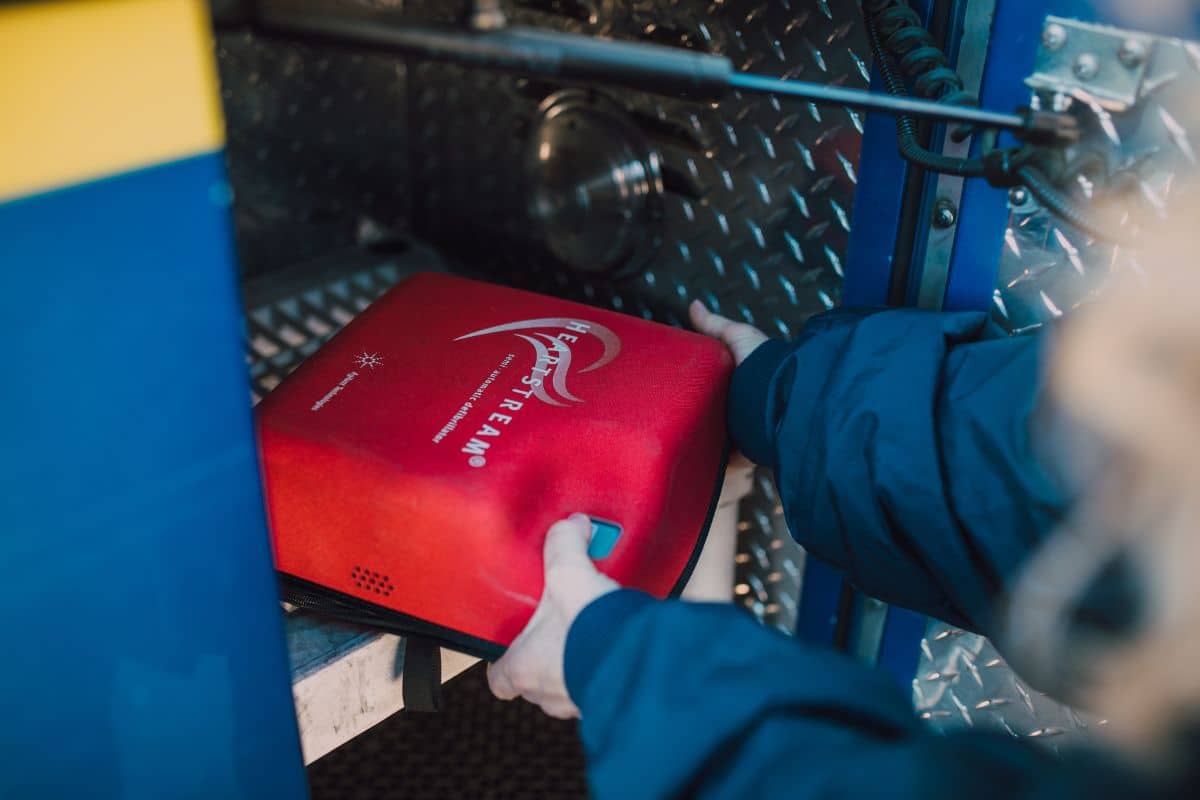
In rural areas or regions where ambulance stations are sparse, your vehicle can become a mobile rescue unit. Having an AED in your car means you’re prepared to take immediate action, even if you’re far from help.
3. Accessible for Bystanders
Modern AEDs often use clear voice commands and visual prompts. This means that even untrained bystanders can operate them confidently during high-stress scenarios, such as when an ambulance might take longer to arrive.
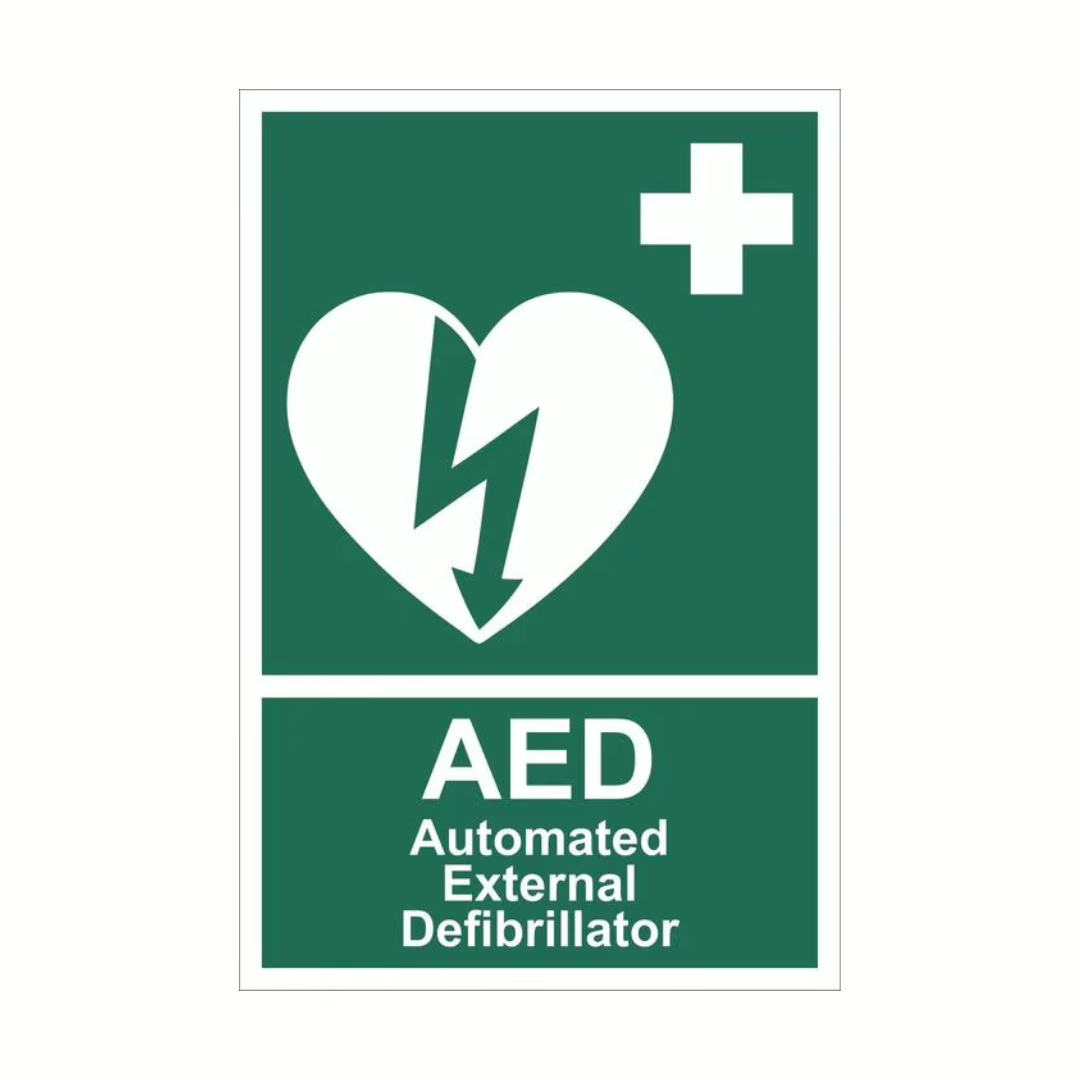
A general or vehicle-specific defibrillator sticker can be placed inside vehicles to highlight the presence and location of the defibrillator. This sticker tends to be found on vehicles that are likely to be at the scene of medical emergencies or in public service, such as ambulances, police cars, and fire engines, but can often be seen on personal vehicles used by first responders.
Risks of Having a Defibrillator in Your Car
While it goes without saying that the benefits of having a defibrillator in your car far outweigh the risks, there are a couple of factors to consider.
Temperature
AEDs operate within 0°C–50°C (32°F–122°F). Parked cars can reach 60°C+ in summer or sub-zero temperatures in winter, which poses a risk to batteries and electrode pads.
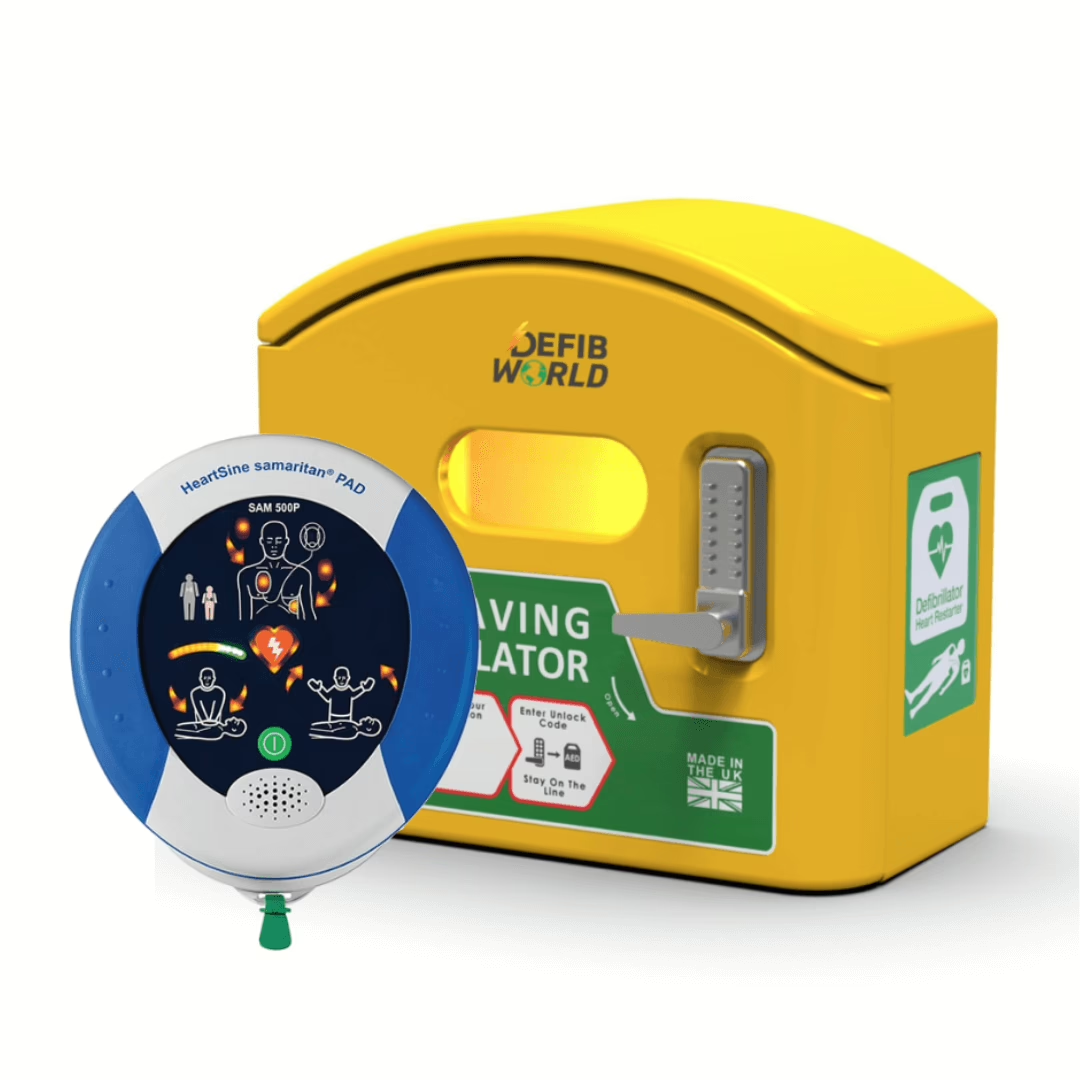
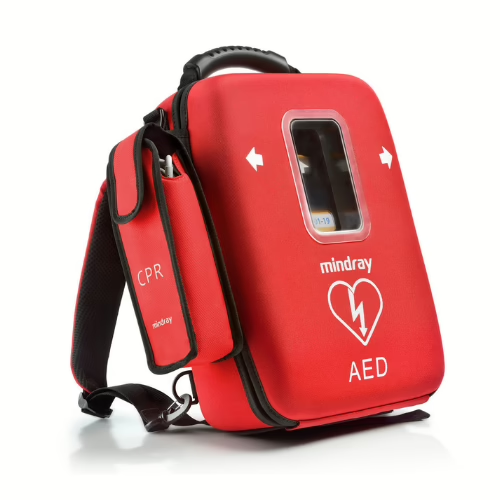
To prevent this, use insulated defibrillator cases, avoid prolonged parking in extremes (hot or cold), and relocate devices indoors overnight if required. Alternatively, invest in an outdoor defibrillator package designed to withstand the rigours of outdoor environments.
On a similar note, batteries and electrode pads degrade faster in fluctuating temperatures, so be sure to perform regular status checks and set reminders for when these parts expire. Most devices have a visual sign if something needs attention. Our article on How to Protect Your Defibrillator as the Temperature Drops covers this in more detail, or contact us if you aren’t sure about what noises or buttons are showing, as we are always happy to assist.
Theft
While AEDs are rarely stolen, these are high-value pieces of equipment, making them at risk of theft. Use a vehicle mounting bracket, conceal units in locked boots or under seats, and use non-descript storage cases if possible to ensure your unit remains safe.
Which Defibrillator Is Best for Carrying in a Car?
We recommend choosing a compact, lightweight and portable defibrillator to take with you in the car, i.e. one that takes up little space and can be removed with ease. We’d recommend the Schiller Fred Easyport Plus Fully Automatic Defibrillator – its pocket-sized design weighs just 780g, but it provides fully automatic shock delivery and real-time feedback for effortless operation.
How to Store a Defibrillator in Your Car
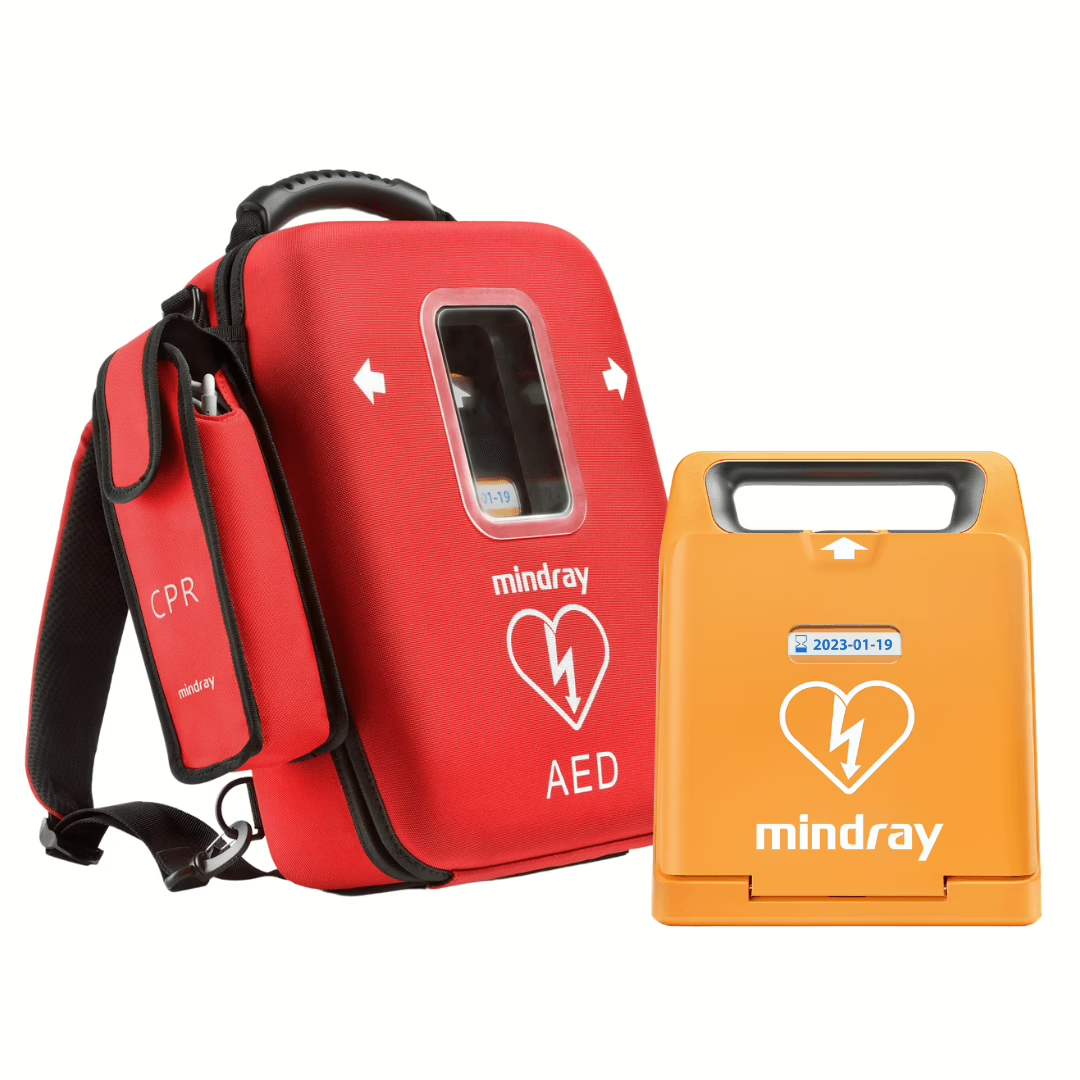
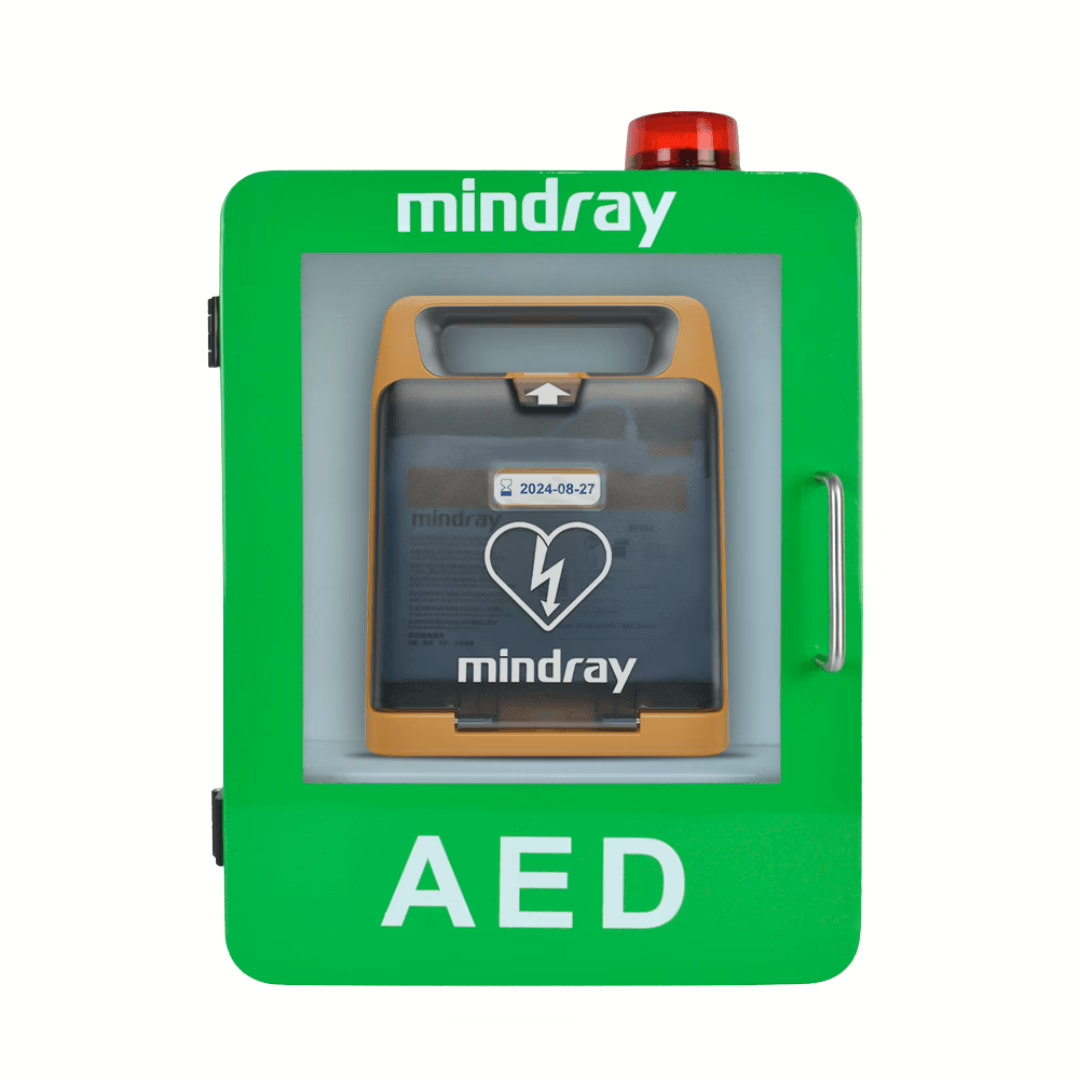
In an ideal world, your defibrillator should be stored in an insulated carry case or a defibrillator cabinet to protect it from the elements. In the winter, you can wrap it in a thick garment, fleece or a foil blanket to help shield the AED and prevent temperature-related issues, and in the summer, you could bring it indoors between journeys, but proper storage is always advised.
How We Can Help
Ready to equip your vehicle for emergencies? Defib World offers a range of compact, reliable AEDs suited for car storage, like the Schiller Fred Easyport Plus. We also provide flexible defibrillator rental options that are ideal for temporary, short-term trips or trialling a device.
Still unsure which solution is best for your car? Our knowledge hub is full of articles which answer your FAQs on defibrillators and first aid. Otherwise, our experts are here to help you choose the right defibrillator and storage accessories for your specific needs. Contact us now for personalised advice.