







































.jpg)


- Published:17 November 2025
Defibrillators are an essential piece of medical equipment. They’re helpful in most industries and settings, from local communities to businesses of all sizes.
Of course, we’d hope that you never need to use your defibrillator. However, over the years, they can see some substantial use, leading to them gradually degrading as time passes, eventually needing to be swapped out.
Knowing when that time comes is crucial and can help avoid some seriously tricky medical situations. At Defib World, we’re here to help you make that all-important decision and figure out when to upgrade or replace your defibrillator.
How Often Does a Defibrillator Need to be Replaced?
Defibrillators don’t last forever. Similar to most other life-saving technology, faults can develop over time which are impossible to prevent.
On average, a main defibrillator unit can last anywhere between 5 and 10 years before it starts to show its age and needs to be replaced. Knowing when that time has arrived is crucial, and there are a few ways of detecting when your unit has reached its limit.
5 Signs a Defibrillator Needs Replacement
So, how do you know when it’s time to seek a new defibrillator? We’ve broken down some of the key indicators to help you make an informed decision.
Old Model Numbers
Occasionally, manufacturers will cycle certain parts and product SKUs in and out of development. There are several reasons for this, including shifting market demand, changes to manufacturing processes, and the need to keep pace with the competition.
As this happens, it’s likely that the replacement parts and tooling will also be changed out. After all, if your defibrillator is no longer being made, it can become more and more difficult to maintain. At which point, the most optimal solution would be to replace it.
Continuous Faults
At times, technology can be frustrating. From working one day to being faulty the next, there’s no way to predict the actual life cycle of a device.
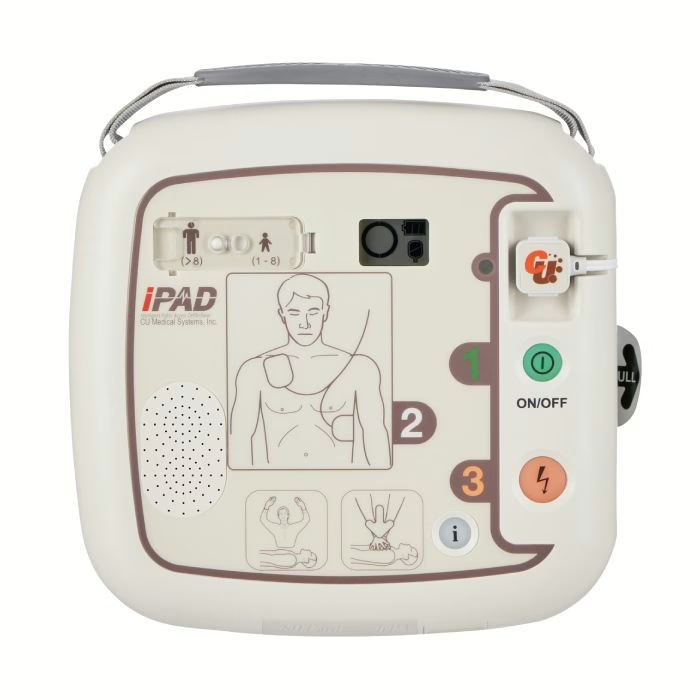
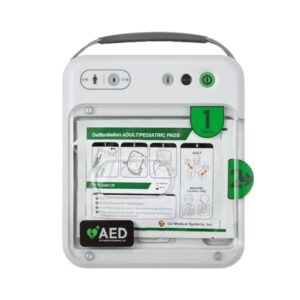
The same can be said for defibrillators. To make problem diagnosis easier, many defibrillators will offer self-testing capabilities (like the iPAD NFK200 Semi-Automatic Defibrillator, for example, which is currently on discount for Black Friday!).
However, if your defibrillator has consistent issues preventing it from working, it can become too unreliable, ultimately requiring its replacement.
Physical Damage
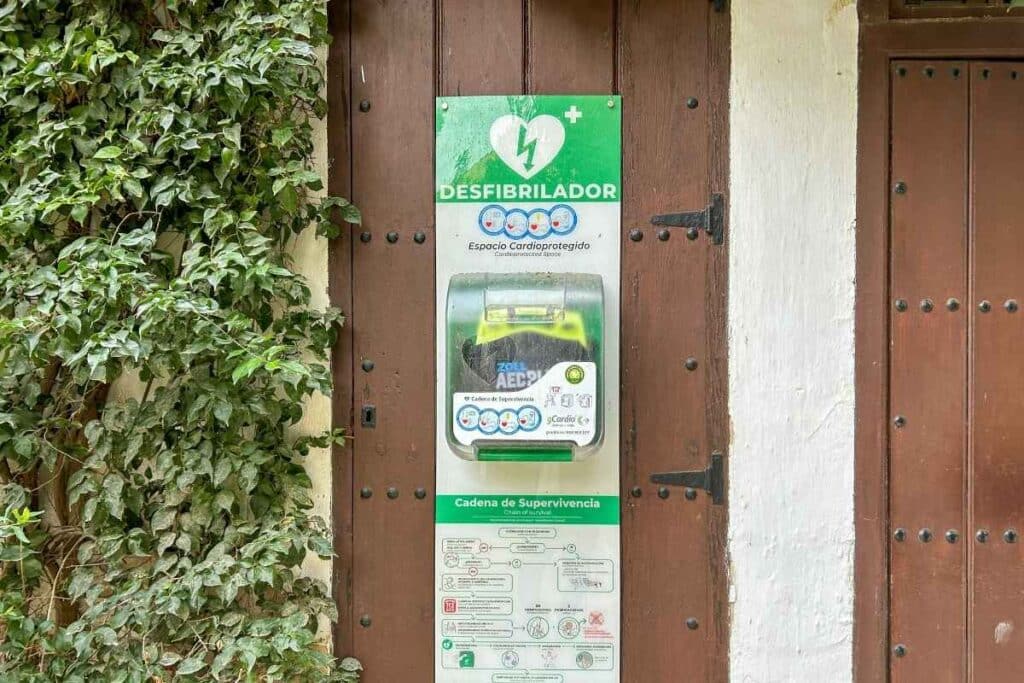
Following years of use in stressful situations, it’s only natural for your defibrillator or its casing to show some signs of wear. Cracks in the outer shell, while not integral to the defibrillator’s main function, can grow and get worse as time goes on.
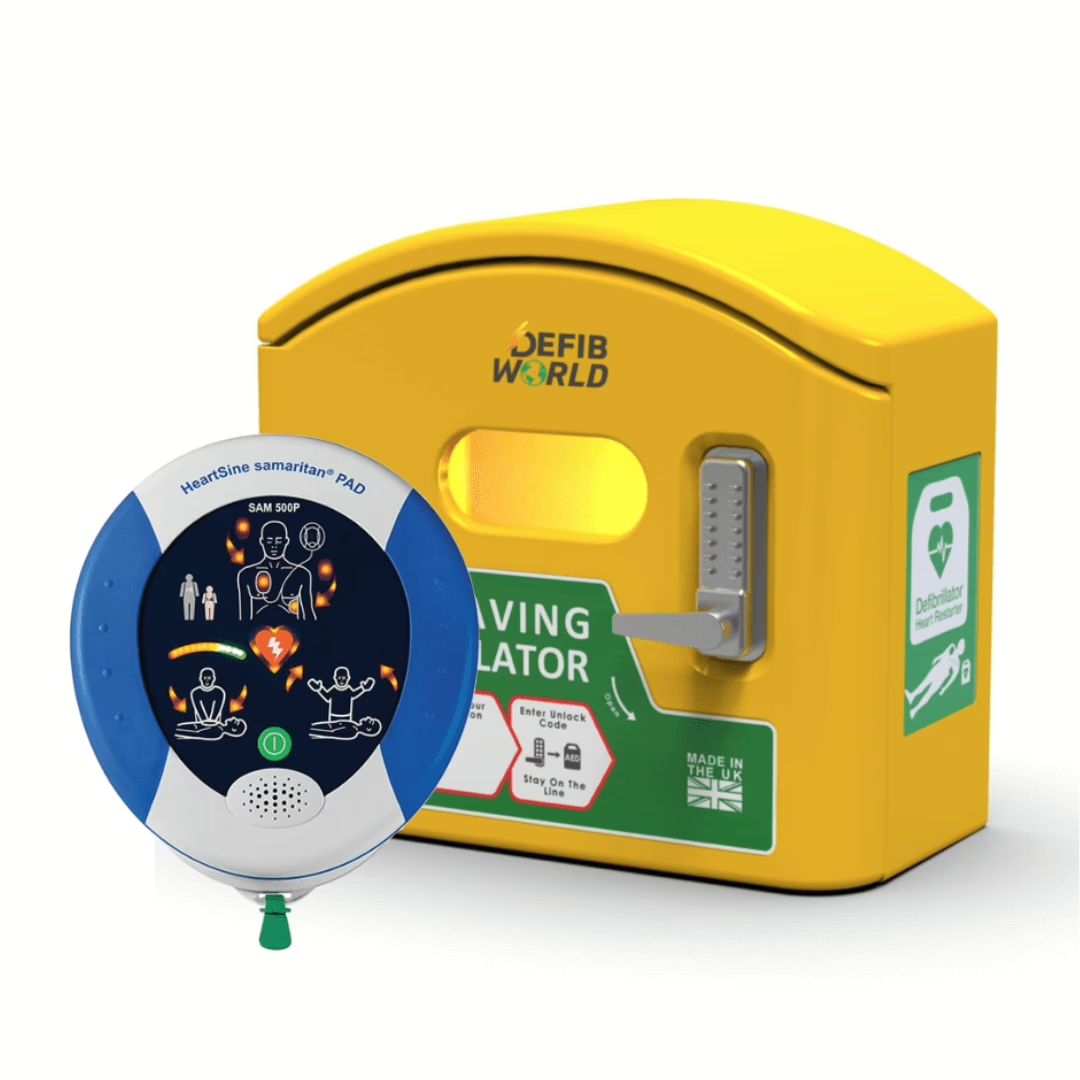
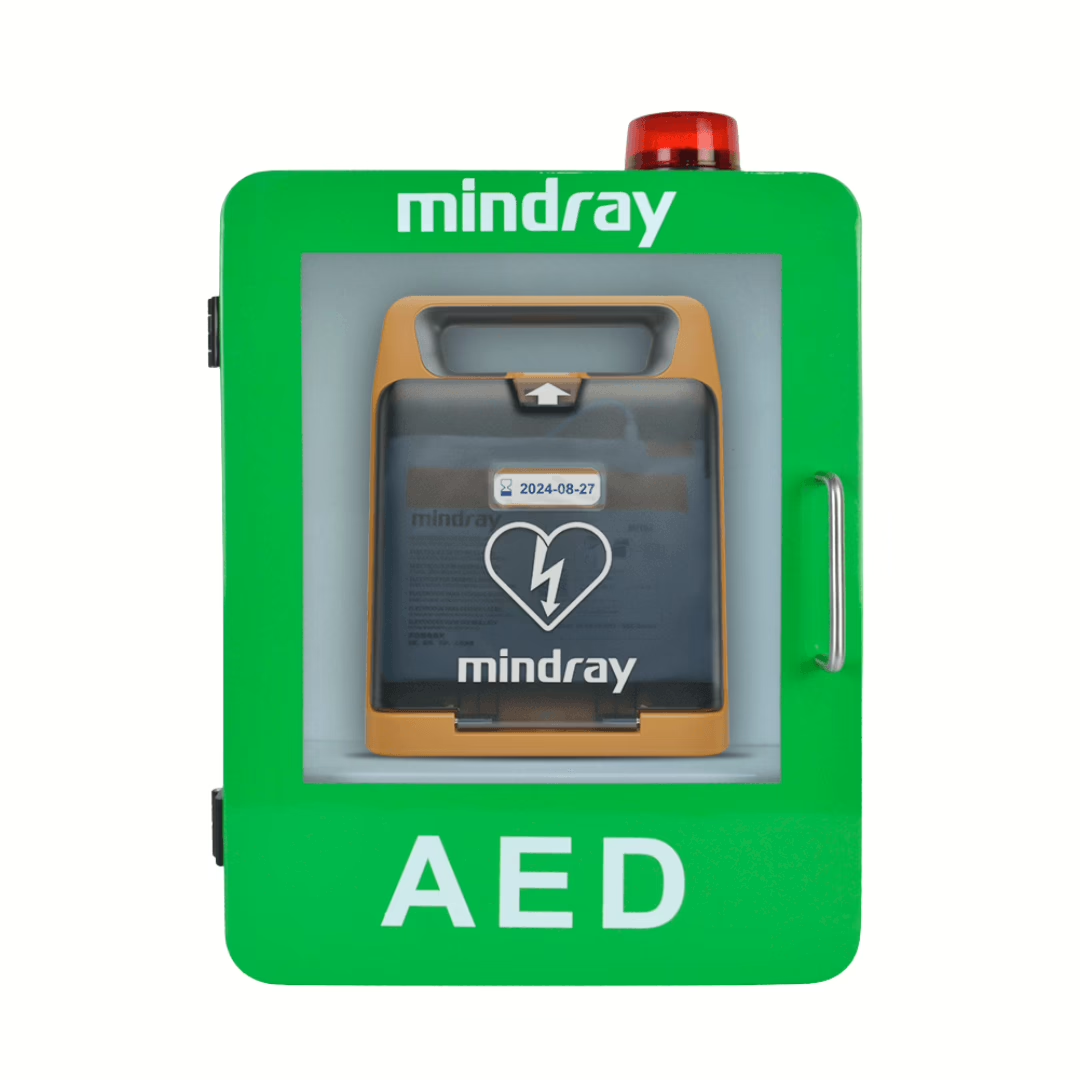
Fortunately, this doesn’t always require a complete replacement of the defibrillator unit. If it’s just the cabinet that’s damaged, for example, you can always pick up a universal replacement, like the AED Polycarbonate Unlocked Indoor Cabinet with Strobe Light Alarm. It fits most major AED models, arrives fully assembled, and is also currently on sale for Black Friday.
Out of Warranty
Warranties are a sign of faith and trust from manufacturers. They signify a level of belief in their products that all but guarantees their effectiveness for a given time period. When that period passes, there are few options to explore should any faults develop from then on. At which point, your best bet would be to seek out a replacement.
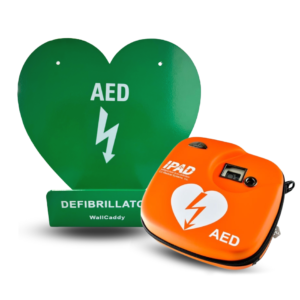
These days, defibrillators come with extensive warranties that are designed to last as long as the unit itself. Take the iPAD SP1 Fully Auto Mobile Defibrillator, for example. It has a seven-year warranty as standard, but this can be extended by a further three years after registration. Even better, it too is on sale this Black Friday!
Manufacturer Guidance
Sometimes, defibrillator brands will provide recommended guidelines for when their units should be swapped out for replacements. Once installed, you may notice an ‘installation date’ sticker being applied close by or on the defibrillator itself, which can help you gauge the age of the unit.
Once this date is reached, it’s advised to change your defibrillator for a suitable replacement. Checking on this in regular intervals can help you avoid last-minute panic, helping you stay prepared for when an emergency strikes.
Do Defibrillators Expire?
Yes, defibrillators do have an expiry date. The individual components themselves also have a shelf life, such as the pads and batteries. Main units tend to last longer than the separate pieces, but, regardless, everything will need to be replaced at some point in the future.
As with any piece of technology, the lifespan of a defibrillator has its limits. Maintaining and testing your defibrillator can keep it alive, but eventually, the best course of action will be to change the unit entirely.
Replace or Repair?
Remember, replacement isn’t the only action to take with your defibrillator.
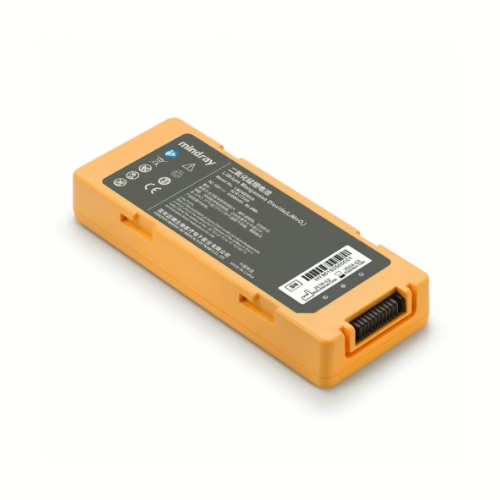
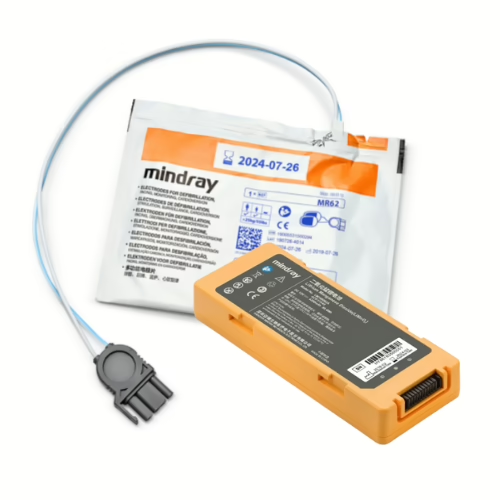
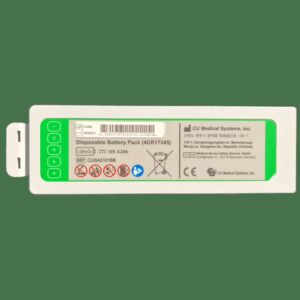
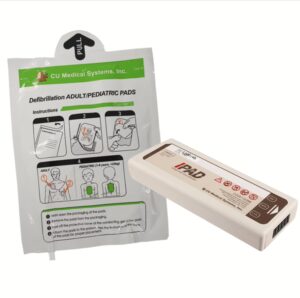
Sometimes, a replacement set of pads or a new battery can suffice to keep your unit functioning for longer. Ultimately, this becomes a question of cost. To which, the answer is simple: if the cost of repairing is more than the cost of replacement, a new unit is likely the better option.
If you do decide that a replacement is the best route, it’s advisable to ensure that your workforce/local community is fully aware of how the new unit operates, as there may be some slight differences between your old and new device.
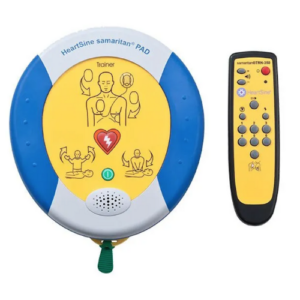
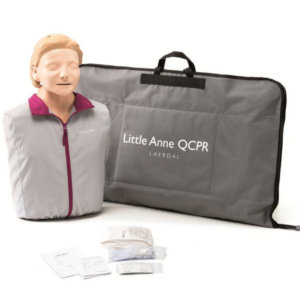
Thankfully, while buying a new unit, you could also invest in a training device to assist with the transition process, such as the Universal AED Trainer ATM-112. It emulates the operation of many modern AEDs and can be used with most first aid manikins.
Need a New Defibrillator? Shop Our Black Friday Sale!
If your defibrillator is showing its age, our Black Friday sale is just what you need. We’ve got discounts available across several defibrillators, storage cabinets, and even manikins to make your upgrade process smoother and more cost-effective. See everything available at discounted prices on our sales page.
For All Your Defibrillator Needs
Defib World is your go-to supplier for all things defibrillation. From AED storage to replacement batteries and even training equipment for instructors, we have everything needed to keep your business or local community prepared.
If you need help choosing a unit or figuring out if a repair is more cost-effective, contact us today to speak to our friendly team of defibrillator experts.