










































.jpg)


Where Should Defibrillators Be Placed to Maximise Response Times and Survival Rates?
Where defibrillators (also known as AEDs) are placed plays a critical role in determining the response time and survival rate of someone experiencing sudden cardiac arrest.
Sudden cardiac arrest (SCA) is a life-threatening emergency that can happen to anyone, at any time, including children and healthy people.
There are more than 40,000 out-of-hospital cardiac arrests in the UK each year, and survival often depends on how quickly treatment begins.
When a defibrillator is used within the first few minutes of a cardiac arrest, survival rates can increase significantly, meaning that if you have access to a defibrillator, you could save a life.
In this expert guide, we will explain exactly where defibrillators should be placed to have the greatest life-saving impact and the practical steps you can take to improve your cardiac arrest readiness.
Where Should Defibrillators Be Placed?
Defibrillators should be placed in places where large numbers of people spend time.
By placing defibrillators in public, workplace, recreational, and community locations, you can significantly improve survival chances for anyone experiencing sudden cardiac arrest.
Placing Defibrillators in High Footfall Public Places
Public places which attract large numbers of people are among the most important locations for defibrillator placement. While there is a greater chance of sudden cardiac arrest occurring in places of high footfall, there is also a greater chance of prompt treatment if you have access to a defibrillator.
High footfall public locations include:
- Shopping centres and high streets.
- Train stations, airports, and bus terminals.
- Leisure centres, cinemas, and theatres.
- Event venues and stadiums.
- Restaurants, bars and cafes.
Placing Defibrillators in the Workplace
Workplaces are another key location for defibrillators, as both employees and visitors need to be protected. AEDs in the workplace should be located in central areas, for example, in your office reception area, or if on a construction site, at the site office or designated first aid station. All staff should know how to access the defibrillator, and we would highly recommend including a cardiac emergency response plan as part of your business’s health and safety procedures.
Workplace locations include:
- Offices and corporate buildings.
- Construction sites, factories and industrial sites.
- Retail stores and shopping centres.
- Hospitals, dental practices and surgeries.
Placing Defibrillators in Sports, Fitness, and Recreational Facilities
Sports and recreational facilities should be equipped to respond quickly to a sudden cardiac arrest, as intense physical activity can sometimes trigger cardiac events, especially in those with underlying undiagnosed heart conditions. AEDs should be installed near to high risk areas, such as in the gym or near playing fields. While modern defibrillators are designed to be used safely by untrained bystanders, we highly advise that staff at sports facilities receive basic CPR and AED training. Staff in these environments might be more likely to witness a cardiac emergency, and prompt, confident intervention can significantly improve survival outcomes.
Sports locations include:
- Gyms and fitness centres.
- Swimming pools and leisure centres.
- Children’s sports academies.
- Sports clubs and stadiums.
Placing Defibrillators in Residential and Community Locations
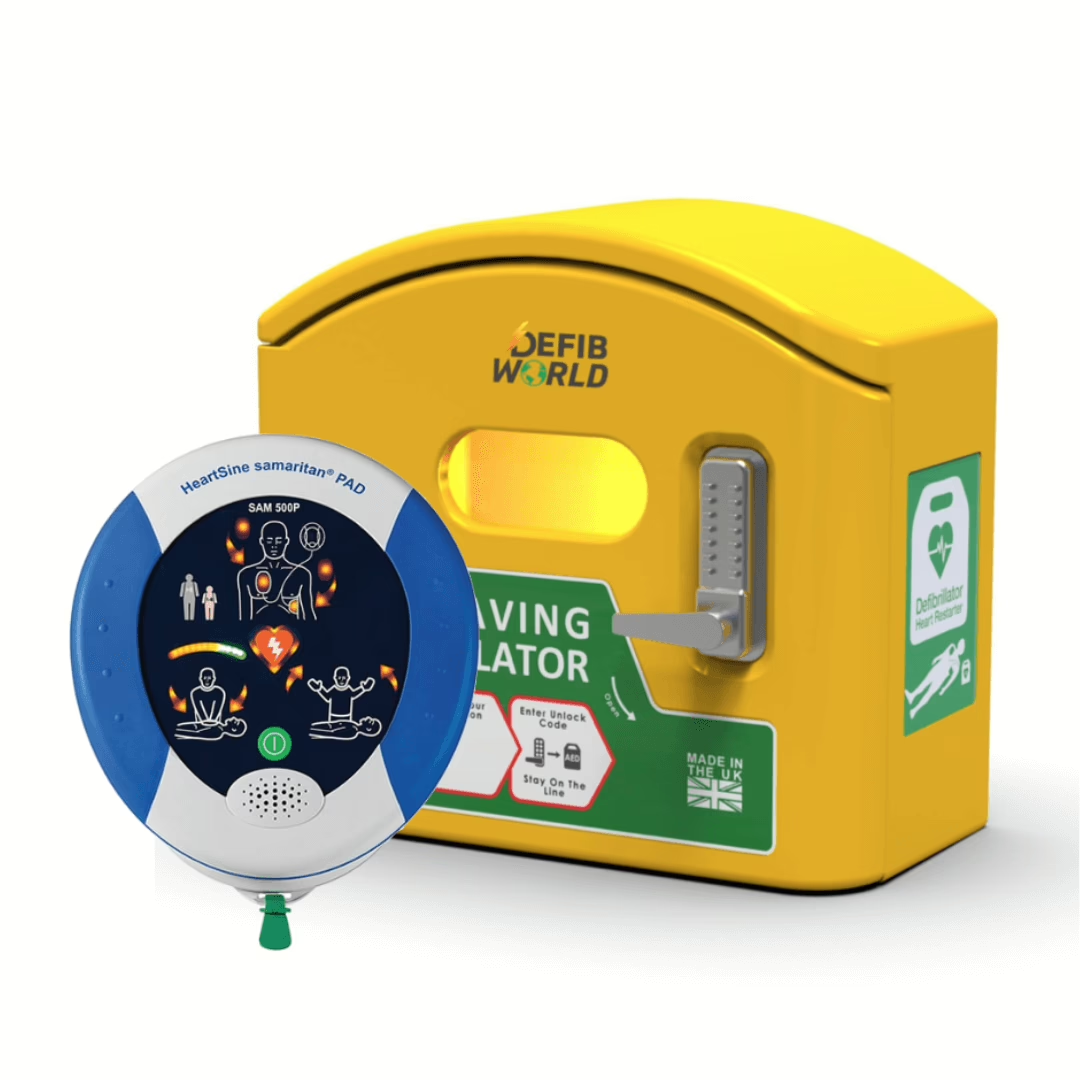
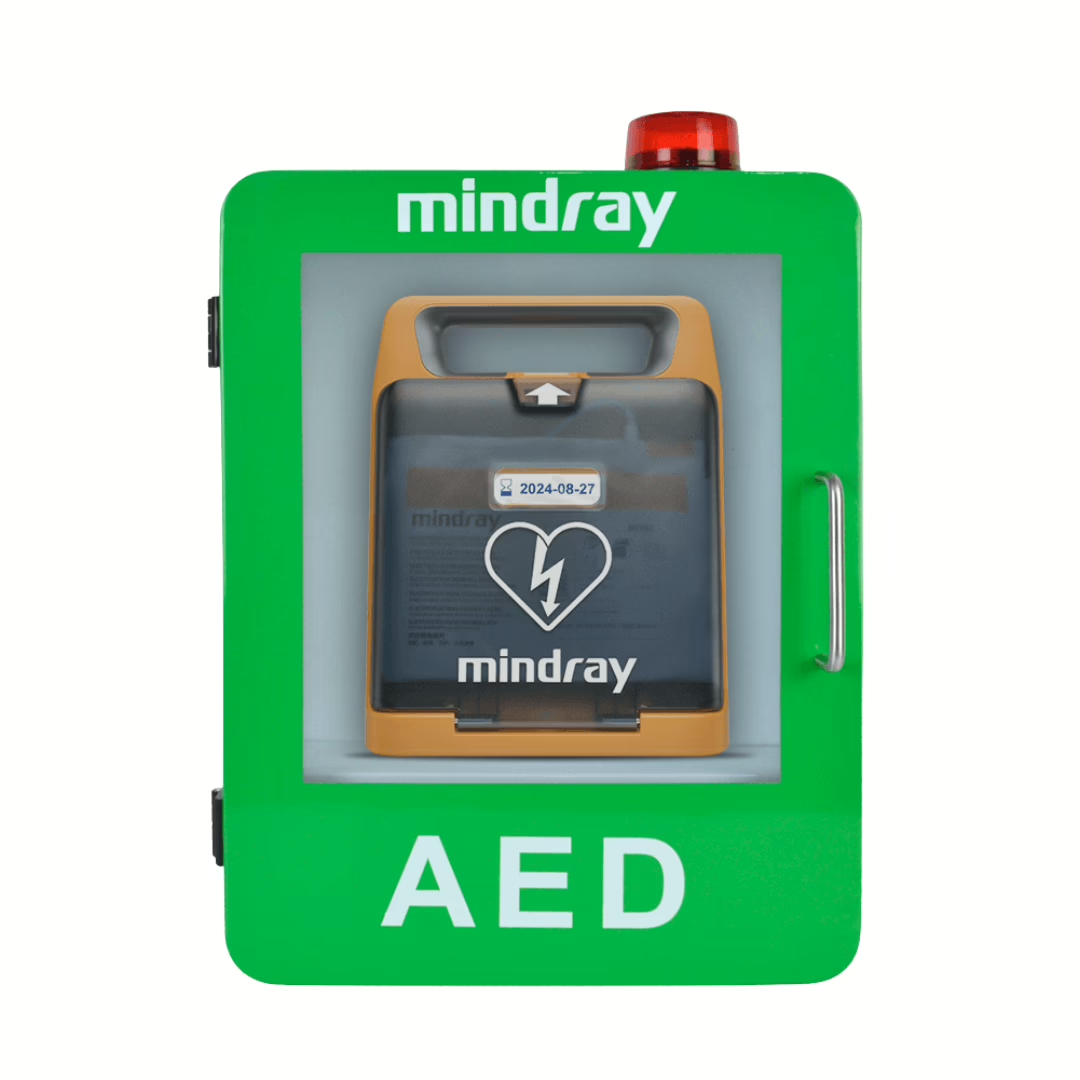
Defibrillators should also be placed in local communities. When installing AEDs in the local community, they should be placed in highly visible central locations, for example, outside the local school or post office, or perhaps at the village hall or library. As many community defibrillators are located outdoors, they should be protected in a lockable defibrillator cabinet which allows 24/7 access. It is vital to register community defibrillators with Emergency Services.
Community locations include:
- Housing estates and apartment complexes.
- Schools, nurseries and children’s play centres.
- Community centres, village halls and libraries.
- Churches and places of worship.
- Care homes and assisted living facilities.
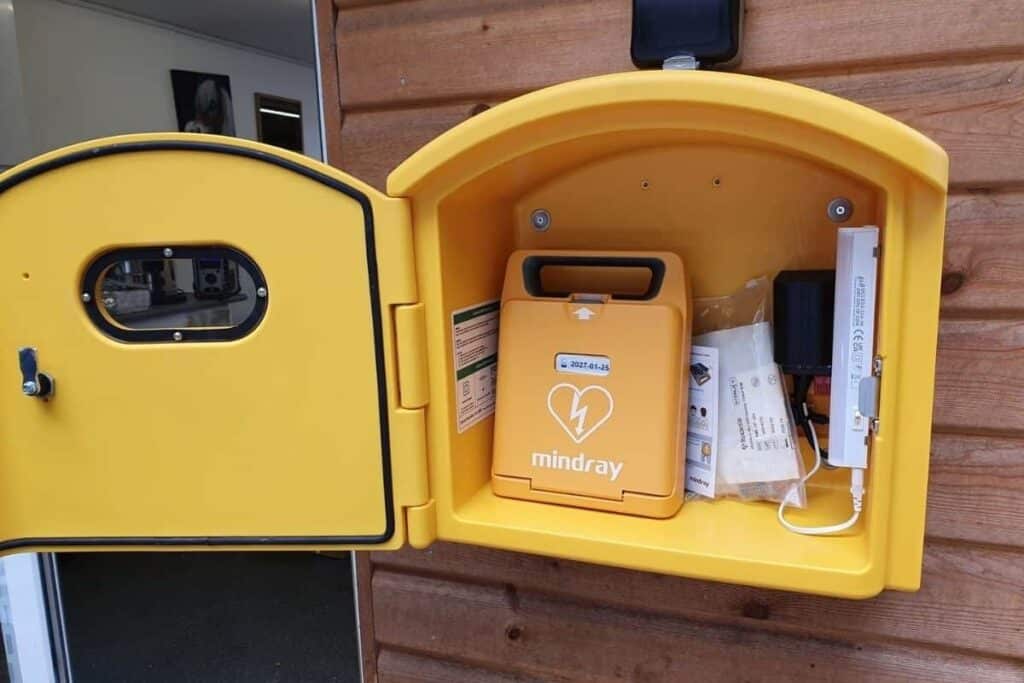
Community AEDs should be protected in an outdoor defibrillator cabinet.
Best Practices for Maximising Response Times & Survival Rates
When someone experiences sudden cardiac arrest, every minute counts.
Following best practices can significantly reduce response times and improve patient outcomes.
Make Your Defibrillator Easy to Find
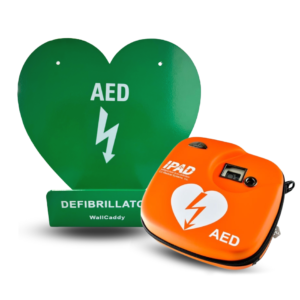
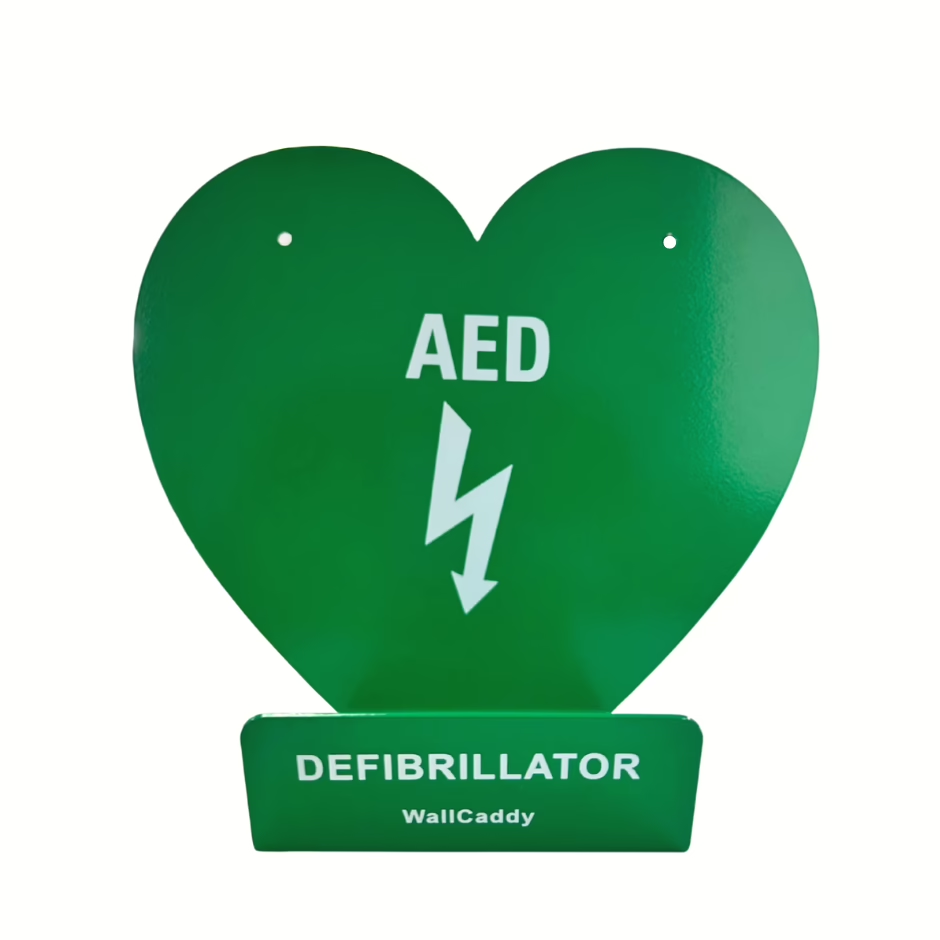
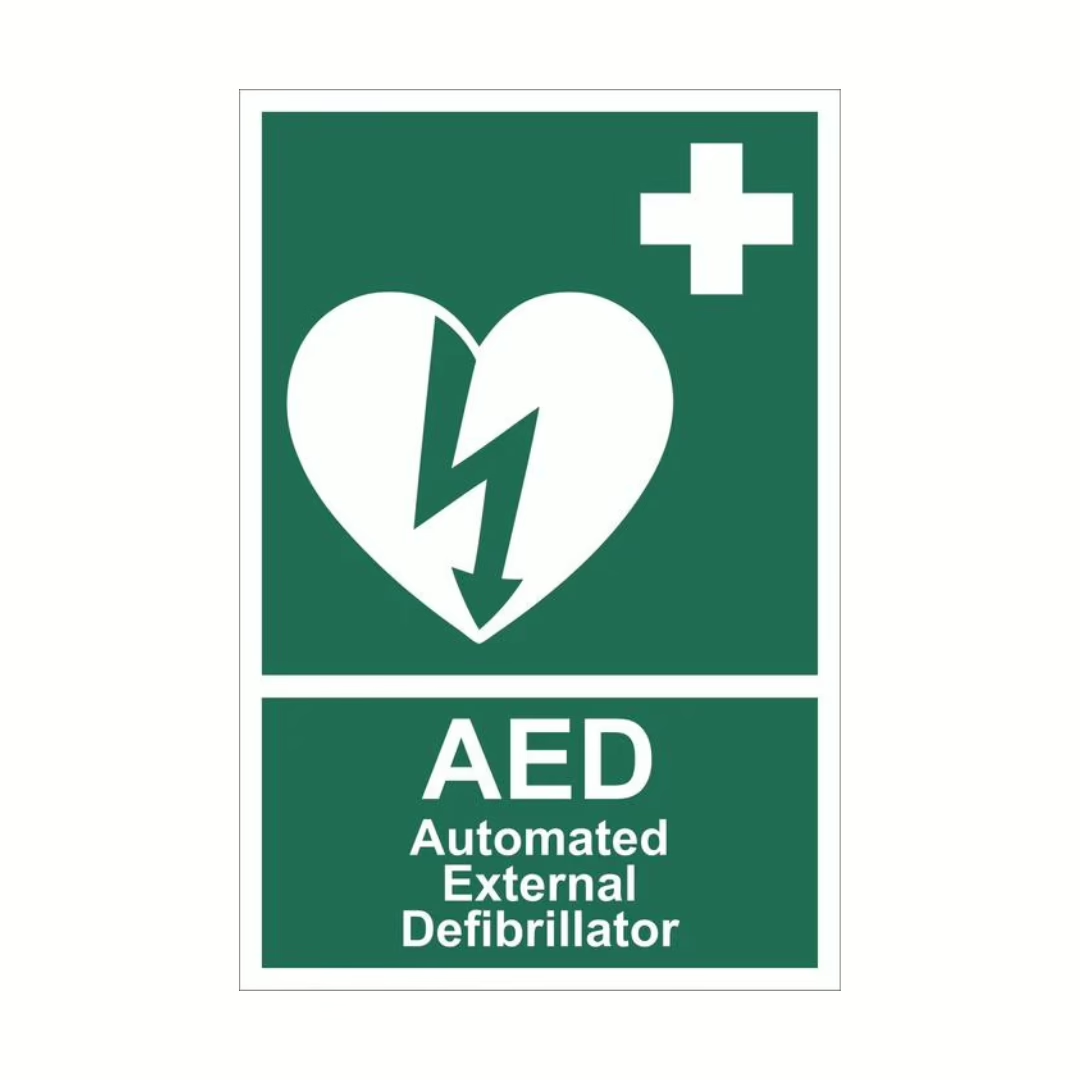
- Make your defibrillator easy to find by using AED signage and directional arrows.
- Consider an illuminated defibrillator cabinet for low-light or outdoor locations that may be accessed at night.
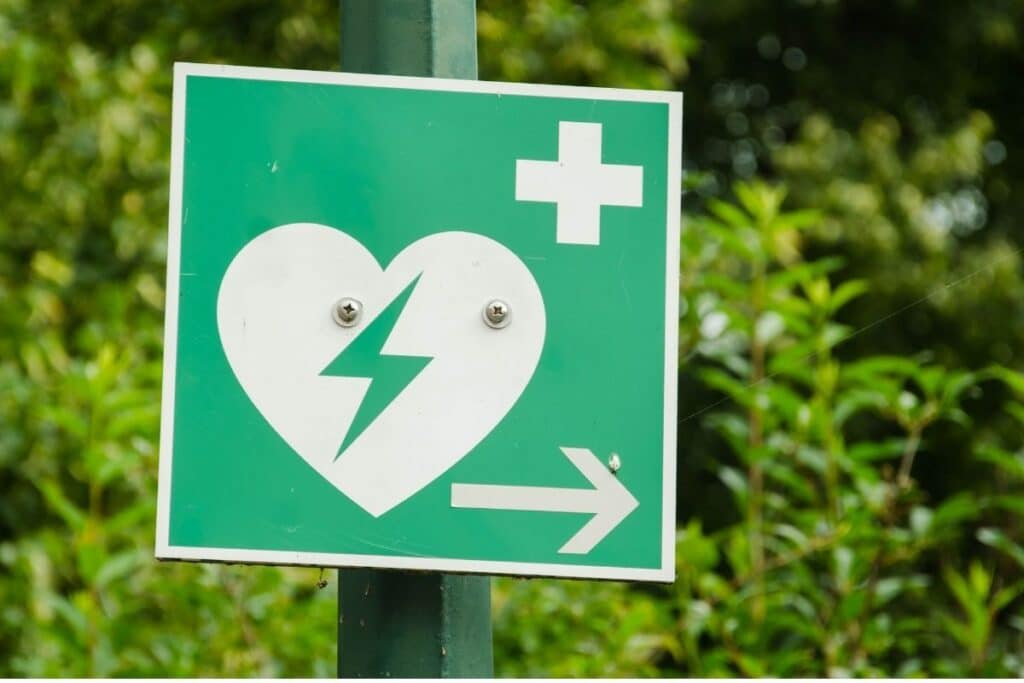
Every minute counts in the event of a cardiac arrest. Using directional arrow signage is a great way to help people quickly locate an AED defibrillator.
Ensure Your Defibrillator is Accessible 24/7
- Never lock your defibrillator away, for example, in an office or cupboard. Access to the AED should never be restricted.
- If you need to secure your defibrillator, use an external defibrillator cabinet which is lockable but allows 24/7 access.
- If you are installing a defibrillator at a school, place it at the school gates so that it is accessible to both the school and the wider community.
Register Your Defibrillator with Emergency Services
- Register your defibrillator with Emergency Services as soon as it is installed.
- Local ambulance services can locate your AED and direct people to it if they witness a cardiac arrest.
- You can register your AED with Emergency Services via The Circuit, the national defibrillator network.
Minimise Retrieval Distance
- Walk through your location and assess how long it takes to retrieve the defibrillator, assessing retrieval time from all areas.
- In the event of a cardiac arrest, the aim is to deliver a life-saving shock within 3 to 5 minutes.
- Every minute without defibrillation decreases the chances of survival by 7 to 10%.
- If it takes you more than 3 to 5 minutes to retrieve your defibrillator from any one area, you should invest in additional defibrillators.
- Larger sites will most certainly need multiple defibrillators.
Carry Out Regular Checks on Your Defibrillator
- Assign someone to carry out regular checks on your AED.
- Checks should include inspecting batteries and pads.
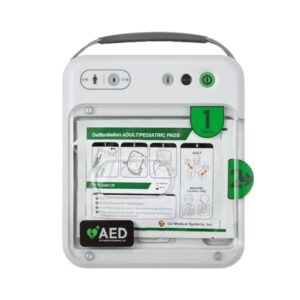
- Defibrillators have a status display on the front of the device and will flash or beep if there is a fault with the device.
Provide Defibrillator Training and Awareness to Staff
- Carry out defibrillator training with staff and frequently raise awareness of the AED.
- Basic CPR and defibrillator training gives staff the confidence to act quickly in the event of an emergency, which is vital for survival rates.
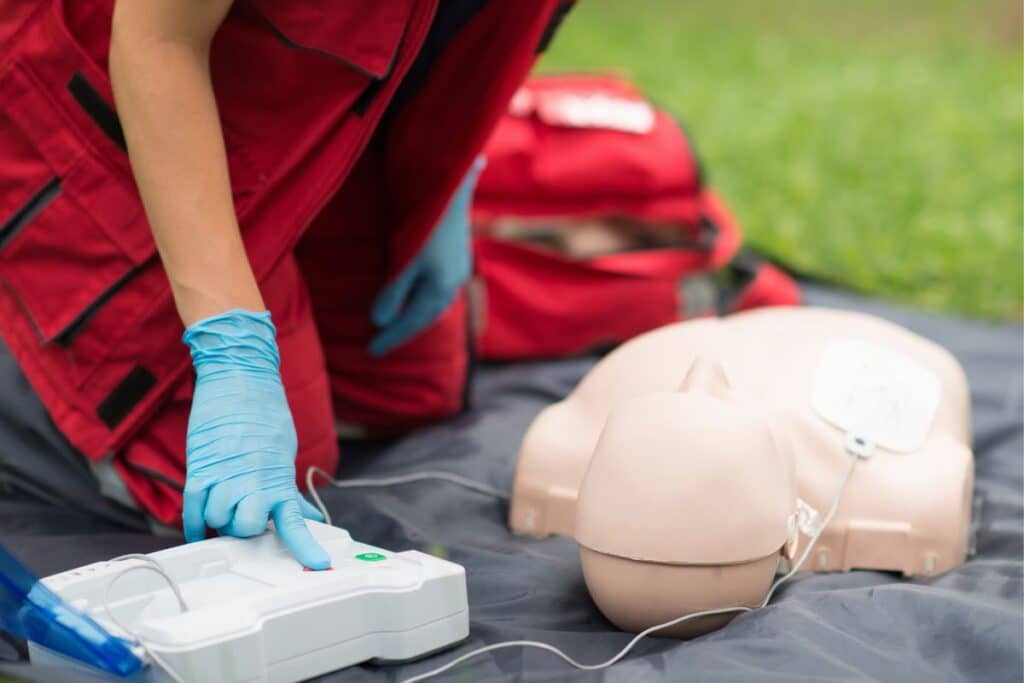
Defibrillator training gives staff the confidence to act quickly in the event of a cardiac arrest.
How Defib World Can Help You
If you are thinking about buying a defibrillator but are not sure which defibrillator is right for you, call us on 0330 223 6336 or email sales@defibworld.org, and we will help you find the best defibrillator to suit both your needs and your budget.
We offer competitive pricing on all of our models and offer discounted defibrillators on our Sale page.
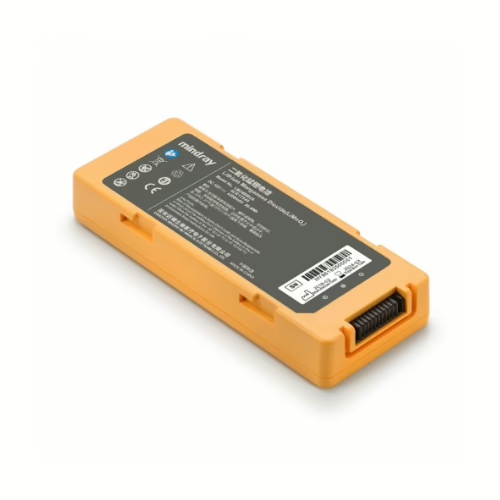
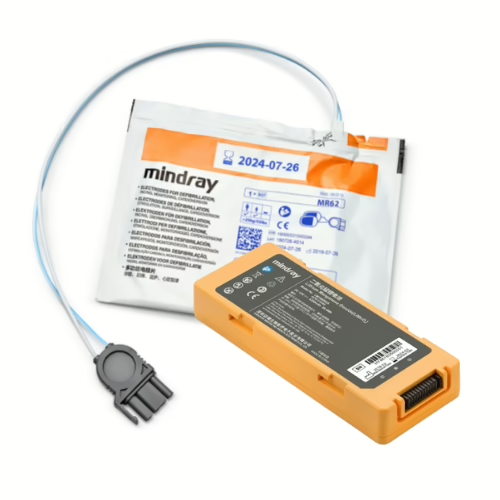
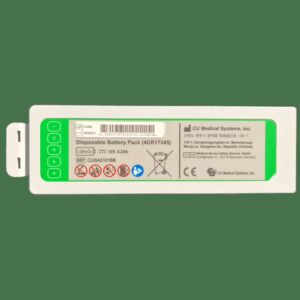
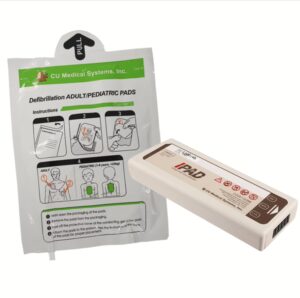
As well as defibrillators, we also stock an extensive range of defibrillator consumables, including defibrillator pads and batteries.
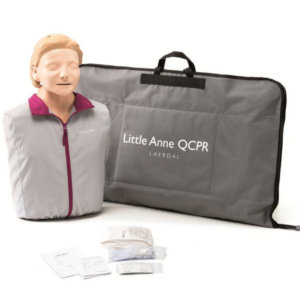
In addition to defibrillators, we also sell a wide range of first aid supplies, including training equipment. If you would like to buy items in multiples, we can offer special prices. Please email sales@defibworld.org and ask for our best possible bulk prices.