


















0330 223 6336
My profile
shopping cart

CPR Manikin Buying Guide: How to Choose a CPR Manikin

Cardiopulmonary resuscitation (CPR) plays an important role in patients presenting with cardiac arrest and has a significant impact on prognosis, with studies indicating that high-quality CPR can double, or even triple a victim’s chance of survival after cardiac arrest. 

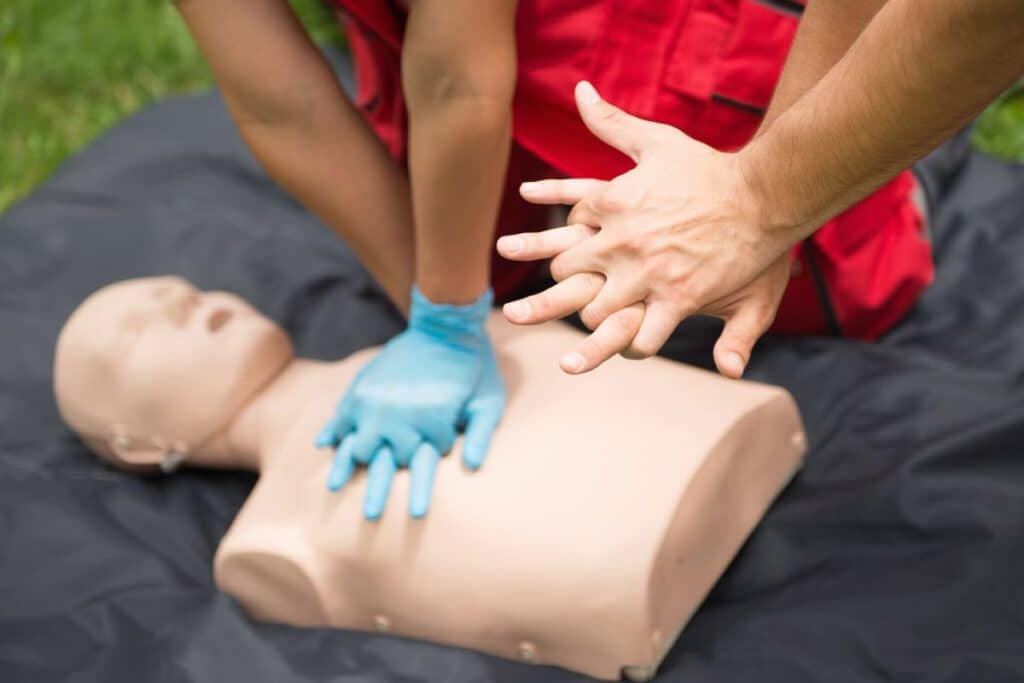
CPR Manikins are lifelike replicas of humans that allow healthcare professionals and members of the public to practice the proper techniques and skills of CPR, helping to save lives in the event of a cardiac arrest.

It’s important to choose the right CPR manikin for training, as this can improve your training outcomes. Our experts are here to help you do just that in this CPR manikin buying guide, below.

We share the different types of manikins (and accessories) that are available to you, as well as the factors you need to consider to ensure you choose the right one for your training needs. 

Have more questions? You can contact us using our contact form or call us on 0330 23 6336 for quicker guidance and support on manikins, defibrillators, as well as other first aid equipment.

Why are CPR Manikins Used in Training?

CPR manikins help to improve muscle memory and proficiency in resuscitation techniques, with research indicating that practising CPR on realistic manikins improves retention of life-saving skills by up to 30%.

While theoretical learning alone is helpful, practical hands-on practice with manikins allows trainees to experience the physical demands of proper chest compressions, understand correct hand placement, and practice effective ventilation techniques. 

Modern manikins go beyond just practice, too, with feedback technology that provides real-time assessment of compression rate, depth, and recoil, enabling learners to self-correct and refine their technique during practice sessions.

Research indicates that practising CPR on realistic manikins improves retention of life-saving skills by up to 30%.

How to Choose a CPR Manikin: Tips to Find the Best Fit

Now that you know why they are so important, let’s dive into our CPR manikin guide. There are a number of factors to consider when choosing the best CPR manikin for your training needs. 

1. Feedback

Research shows that manikins with real-time feedback resulted in improved chest compression depth and rate during CPR training. 

For this reason, we recommend manikins that provide lifelike feedback, as it allows trainees to develop the skills needed for real-life emergencies and improves the survival rate of cardiac arrest victims. This might include: 

  • LED light feedback: This gives students immediate visual feedback on their CPR compressions. The Brayden manikin, for example, has blood circulation, chest compression and quality indicating lights. 
  • Bluetooth connection: Gives feedback to students via an app on a phone, tablet or other device. Results can often be recorded and saved.
  • Audible clicker: Reinforces correct compression depth and allows for immediate correction and assurance of technique.
 

2. Type of Class 

Which classes are you teaching?

All manikins can be used for most basic first aid/CPR training sessions. However, there are different CPR skills taught in some of the higher-level classes, which might require certain types of manikins.

For example, healthcare professionals and emergency responders will require more advanced manikins with comprehensive feedback capabilities. Or for lifeguards, a jaw thrust manoeuvre is taught, so you will need a manikin which is jaw thrust-enabled to practice on. 

3. Age

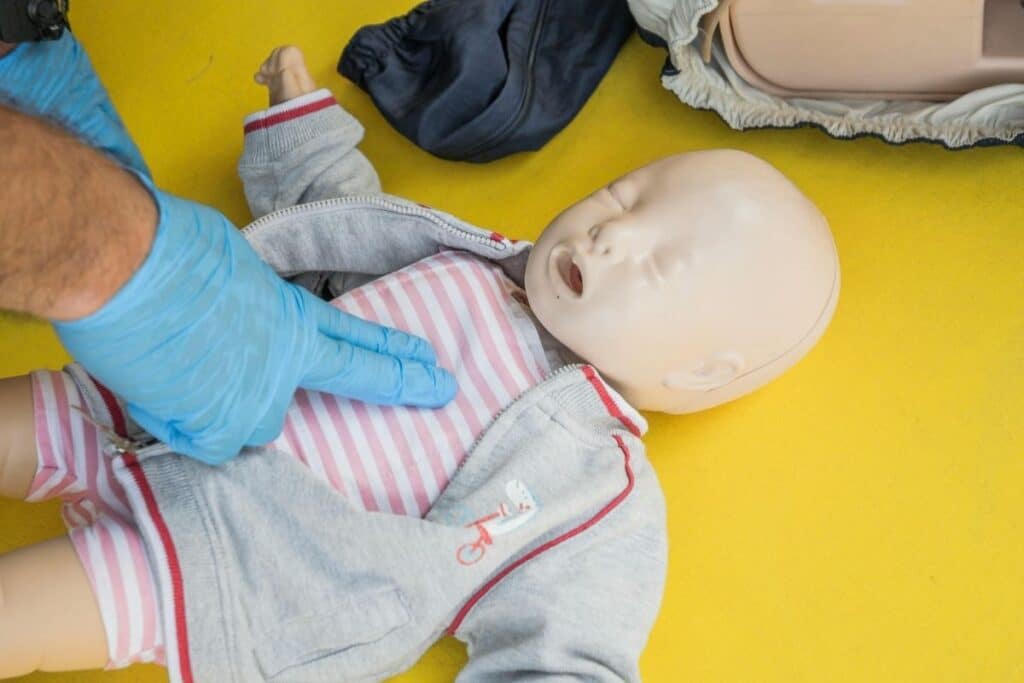
Consider whether you need to train students on infant, child, and adult resuscitation techniques, as this will determine whether you need multiple manikins or combination kits (sometimes known as “family packs”) of different ages.

Choose manikins based on age (infant, child, or adult) as you may need multiple models or combo ‘family pack’ kits.

4. Portability

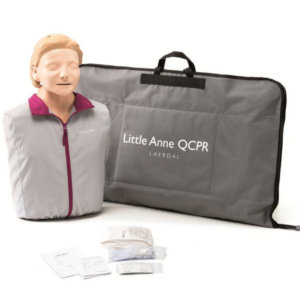
Instructors who travel frequently to different training sites should prioritise lightweight, portable models like the Laerdal Mini Anne Plus or the Practi-Baby with carry bag, which allow for easier transport and storage.

Conversely, if your training occurs in fixed locations with high usage volumes (such as training centres or educational institutions), portability might be less important. Instead, you might want to focus on manikins that last.

For harsh environments, like outdoor worksites or rough concrete floors, more robust models are recommended.

5. Hygiene and Maintenance

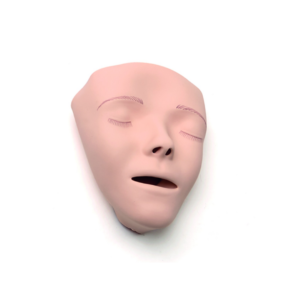
Look for manikins with smooth, non-porous surfaces that can be easily wiped down with appropriate disinfectants between uses. Features like replaceable face shields, removable airways, and disposable lung bags significantly enhance hygiene and reduce cross-contamination risks.

Consider the ongoing maintenance requirements and costs associated with replacement parts like lungs and face shields, as these represent long-term ownership expenses beyond the initial purchase price

6. Demographic Representation and Inclusivity

Inclusive training materials that reflect diverse populations have become increasingly important in CPR education. 

Research has identified troubling disparities in CPR administration, with women less likely to receive bystander CPR than men (39% versus 45%) and men likelier to survive (23% more), potentially due to reluctance to touch women’s chests. Incorporating female skin manikins helps to normalise CPR performance on all bodies.

Similarly, manikins representing various skin tones ensure that trainees see themselves and their communities reflected in training scenarios, building responder confidence across diverse real-world emergency situations, such as the Practi-Man – Dark Skin manikin and Laerdal Little Anne – Dark Skin manikin.
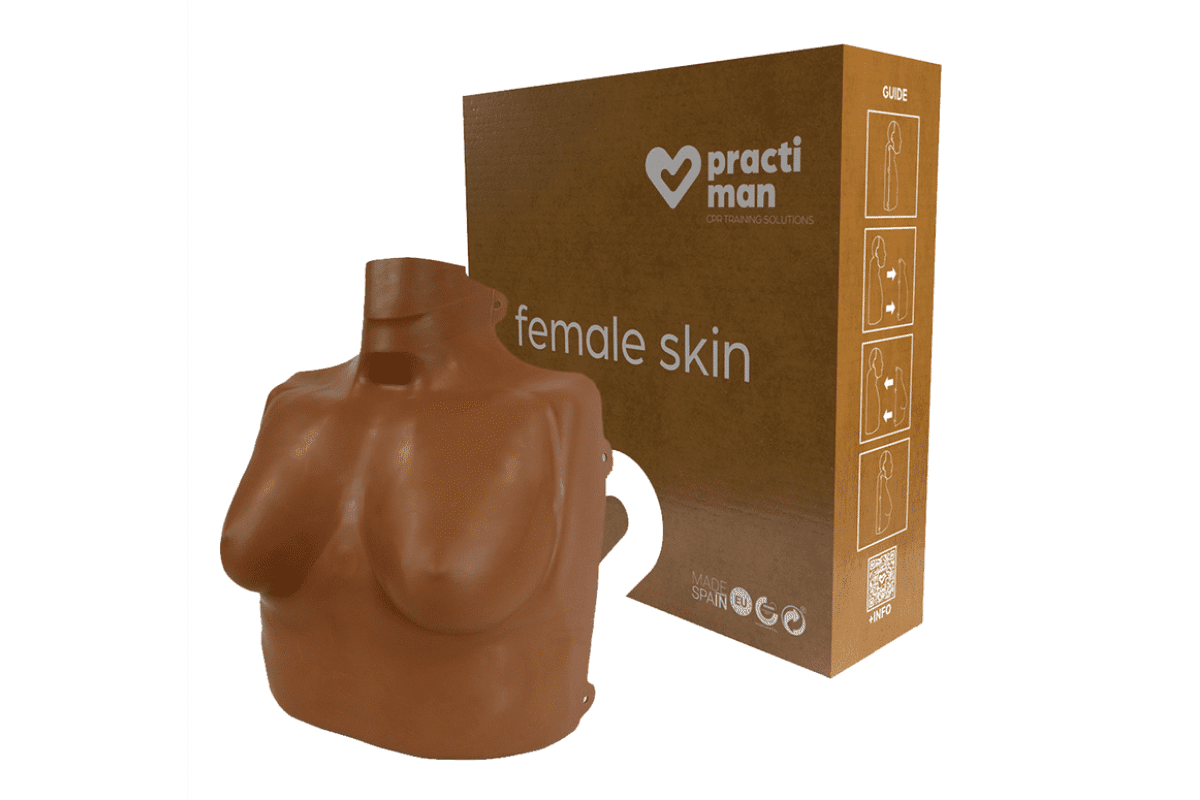
The Practi-Man Female Skin is an Adult sized CPR manikin in a dark skin tone, used to simulate a female torso in a deeper skin colour for realistic CPR training.

Diverse skin-tone manikins, like Practi-Man models, help trainees see themselves reflected and build confidence in real-world emergencies.

7. Budget

This all ties into your budget. You need to strike a balance between long-term value and training outcomes.

Basic, non-feedback manikins tend to be the most affordable upfront option, but these might not comply with feedback requirements for adult CPR training. Feedback manikins are more expensive, but provide much better learning outcomes and regulatory compliance.

When budgeting, remember to factor in ongoing costs, including replacement parts (airway bags, face shields), cleaning supplies, and battery replacements for electronic features.

And consider buying in bulk! If you need multiple manikins, purchasing in volume can help you save significantly.
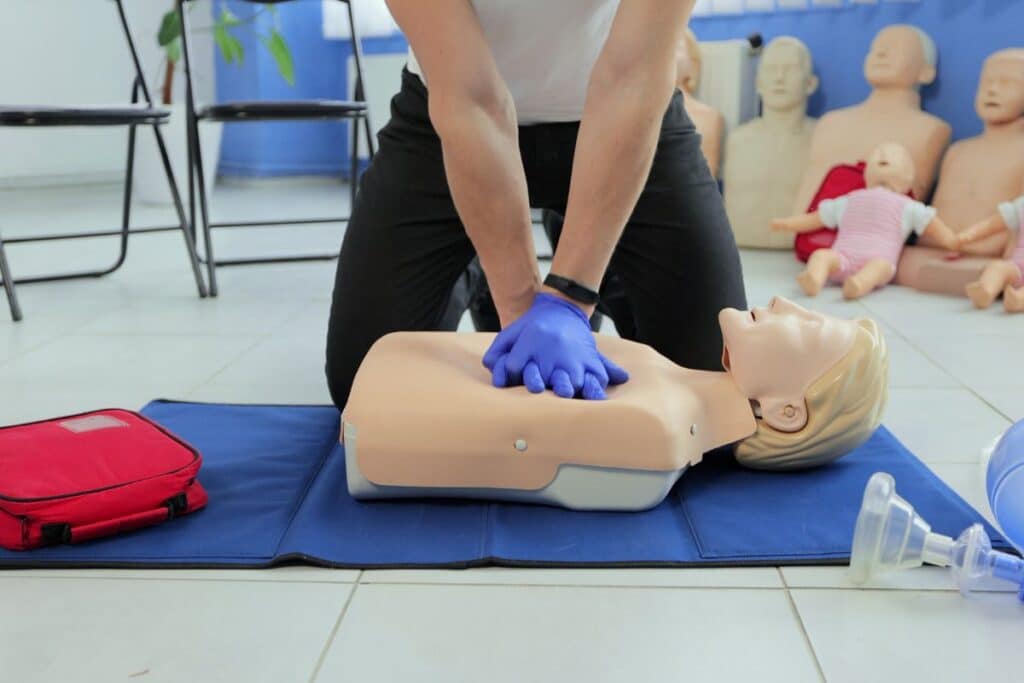
Feedback manikins are more expensive, but provide much better learning outcomes and regulatory compliance.

What Accessories Do I Need for My CPR Manikin? 

Enhancing your CPR manikins with appropriate accessories can improve their function, hygiene, and the overall training experience. You should consider the following accessories for your manikin:

  • Face Shields/Barriers: Single-use, disposable shields that act as a sanitary barrier during rescue breathing practice.
  • Replacement Lung Bags/Airways: Internal components that require regular replacement for hygiene purposes.
  • Carrying Cases and Storage Solutions: Durable bags or cases designed for your manikin model protect your investment during transport and storage. 
  • AED Trainer Units and Pads: To practice integrated defibrillator use, you will need an AED trainer and compatible training pads. These allow learners to practice the full chain of survival, from compressions and breaths to pad placement and following AED prompts.
  • Cleaning and Decontamination Kits: Specialised cleaning solutions, wipes, and sprays formulated for your specific manikin models.
  • Conversion Kits/Accessories: Accessories that let you convert an existing manikin into a different demographic, such as breastplates or skins. 
  • Replacement Skin and Parts: Over time, high-use components like the manikin’s frame, skin, or valves may wear out. Having replacement parts available extends the lifespan of your manikin and ensures training can continue without significant downtime.
 

How We Can Help

We hope that our CPR manikin buying guide helps you choose the right training tool to practice life-saving skills with confidence.

Ready to invest? If you’re wondering where to buy CPR manikins, Defib World offers a range of high-quality options that ensure you can deliver quality CPR and defibrillator training sessions. Plus, we offer a range of replacement parts and accessories to help you maintain your manikin.

We also provide reliable defibrillators for a range of spaces, and flexible defibrillator rental options.

Still need help? Our knowledge hub is full of articles which answer your FAQs on defibrillators and first aid. Otherwise, our experts are here to help you choose the right defibrillator and storage accessories for your specific needs. Contact us now for personalised advice.

  • 0
      0
      Your Basket
      Your basket is emptyReturn to Shop