















































.jpg)


When your Automatic External Defibrillator (AED) begins beeping or flashing, it usually indicates an issue identified during its self-test. The most common causes of a failed self-test are a low battery, disconnected or faulty pads, or a system failure.
To stop the defibrillator beeping, you should check the pads’ connections and expiration date, the battery status, and perform a visual inspection for damage. To diagnose the problem, you should always refer to the unit’s manual for specific advice.
Defibrillators are designed to be reliable and self-monitoring, ready to deliver lifesaving intervention, so the beeping should not be ignored or dismissed. The beeping is a sign that your AED needs attention, or it may not be effective when an emergency strikes. Regular checks and scheduled maintenance should greatly help to prevent these issues.
In this blog, we are going to be exploring why a defibrillator would start beeping, what it could mean, how to stop a defibrillator from beeping, and how to prevent it in the future.
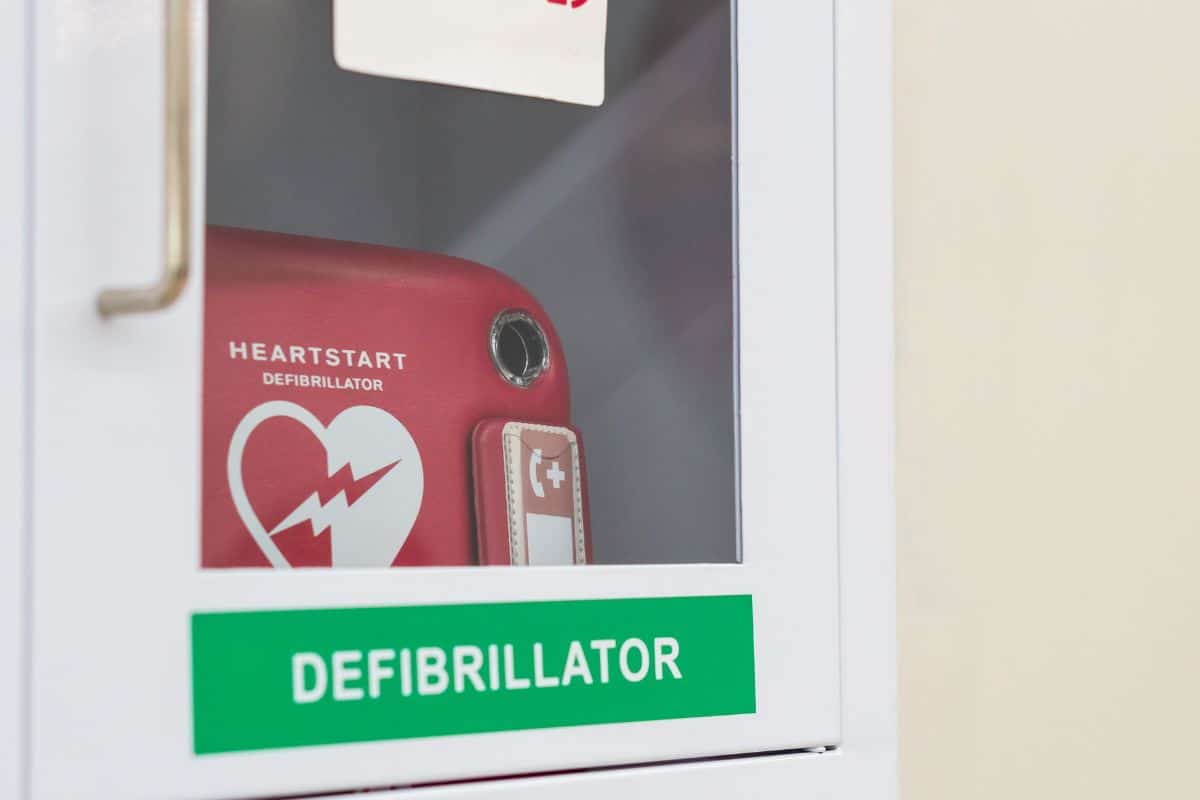
Why Does a Defibrillator Beep?
Modern AEDs perform self-tests either daily, weekly, or monthly, depending on the unit, to ensure the AED is functioning properly.
The beeping alerts you when something is not meeting operational requirements. The most common issues include:
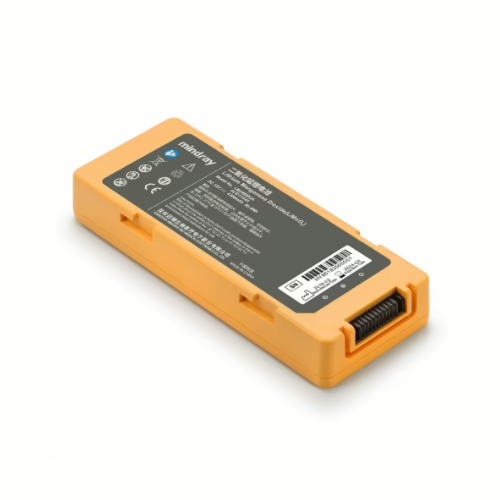
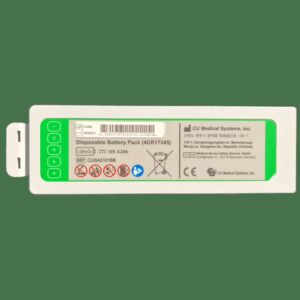
- Low or expired battery.
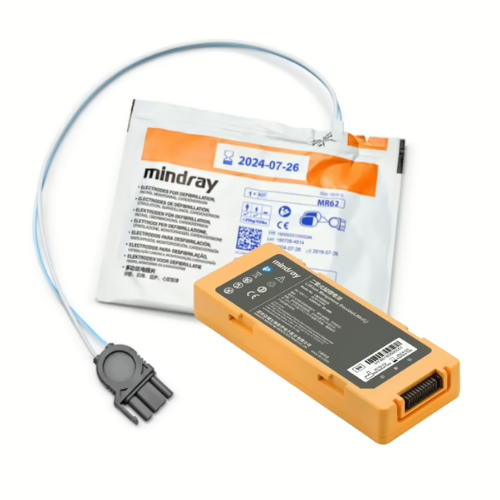
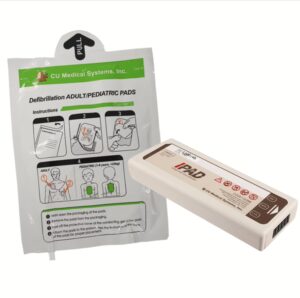
- Expired electrode pads.
- Pads not properly connected.
- Internal system errors, failures, or updates.
- Mechanical errors.
The alert is critical. When you hear beeping, it likely means that your unit may not function correctly during an emergency. The reason for the beeping is to catch those issues as early as possible, rather than finding out during a critical moment.
Carrying out a regularly scheduled check on your AED is extremely important to keep your lifesaving piece of equipment in working order. We have an entire blog on what to include on your defibrillator safety checklist.
What Does Defibrillator Beeping Mean?
As previously mentioned, in most cases, the alerts are related to consumables, like batteries or pads, being out of date. The beeping warning is technical, but it may signal a wider issue. If left unresolved, the device might fall under the faulty equipment, health and safety category.
While there is no legal obligation for organisations to provide an AED unit, having one but not maintaining it may have consequences. If a piece of workplace equipment is provided, its owner is responsible for maintaining it under health and safety. Addressing alerts quickly ensures the device remains reliable and legally compliant.
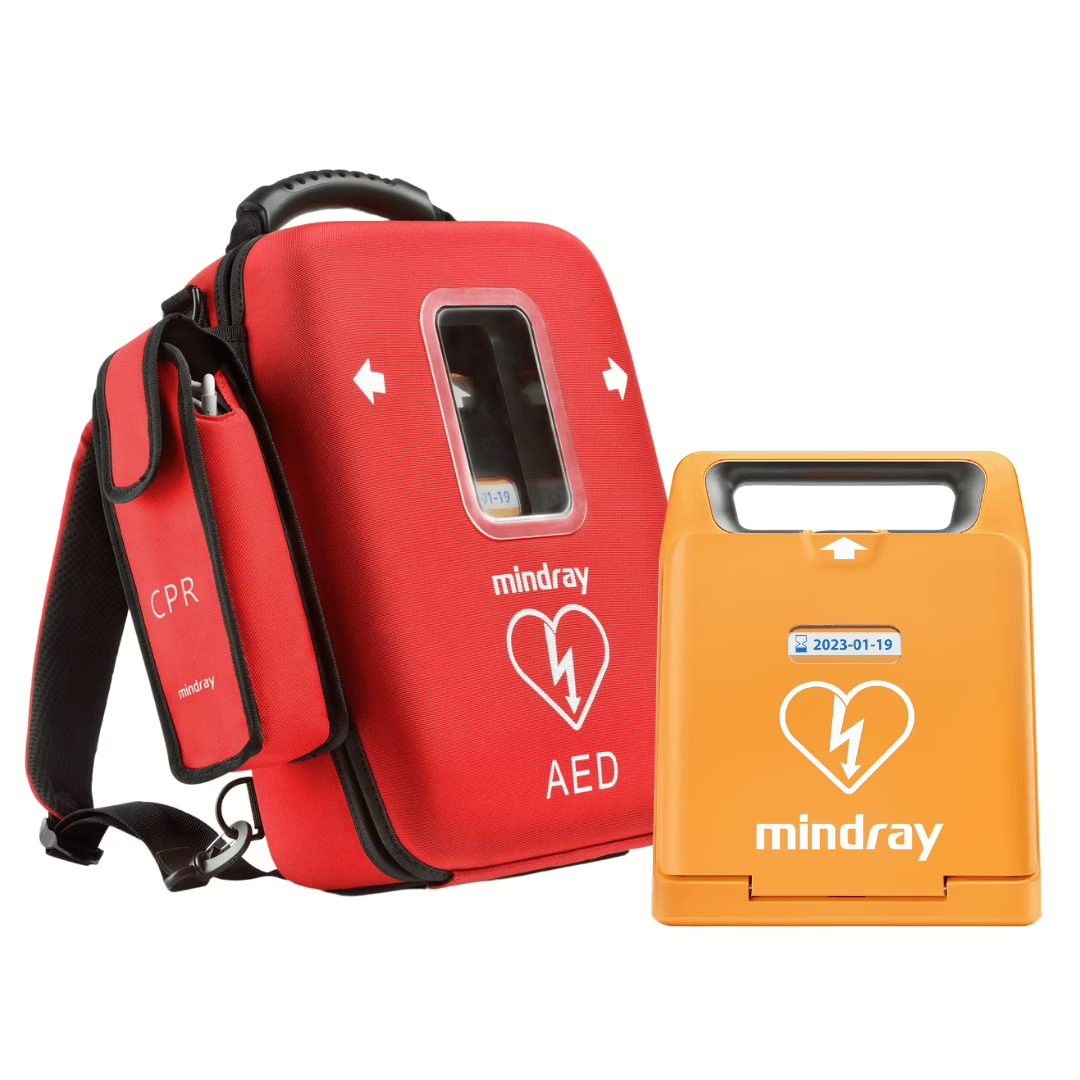
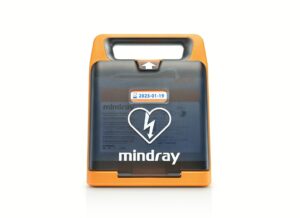
Some modern AEDs, such as the Mindray BeneHeart C2 offers a battery and pad life of up to 5 years, with an 8-year warranty. Reducing the frequency of maintenance.
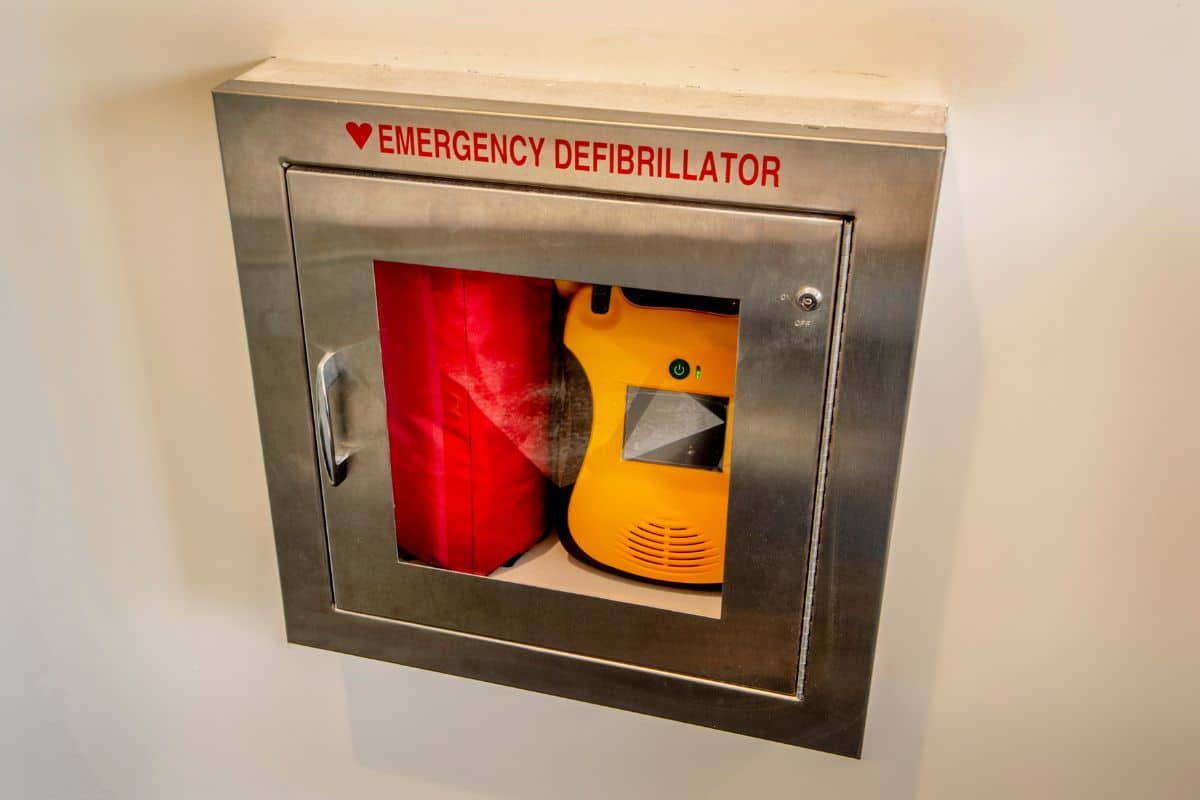
How to Stop a Defibrillator Beeping
Stopping the beeping shouldn’t be like silencing a phone; to be checked later on. It is about resolving the issue and addressing the cause.
By addressing the issues, you will stop the beeping and ensure that your AED is back to full working order, ready to provide lifesaving support.
Complete the following checks to identify the issue:
- Pads: Confirm that they are connected, and they have not passed their expiration date.
- Battery: Check the low battery indicator and the expiration date.
- Connections: Check all connections and ensure there is no visible damage.
- Condition: Conduct a visual inspection. Be aware that corrosion may build up on metal elements if exposed to the environment.
If the issue is not clear from these steps, you may need to consult the device’s manual. The AED likely has a software or firmware update, or there may be a mechanical fault. There will be differences and nuances for each AED, so it is important to check the manual for your unit.
When Should You Seek Further Support
If the beeping alert persists after the basic checks above, it may indicate a deeper issue. If continuous faults are preventing your AED from operating effectively, it might signal the time for a replacement.
Persistent alerts may indicate:
- Internal circuit faults
- Software or firmware issues
- Failed self-tests that require expertise
The decision to repair or replace your AED can simply be put down to cost; is it more cost-effective to repair a unit or replace one?
It is important to remember that you should not attempt to address problems beyond your level of training. Your safest option is to contact your supplier or manufacturer, many of whom offer a 5 to 8-year warranty on their modern units.
Keeping a record of your maintenance checks and previous issues may be helpful to the supplier and manufacturer when attempting to diagnose issues.
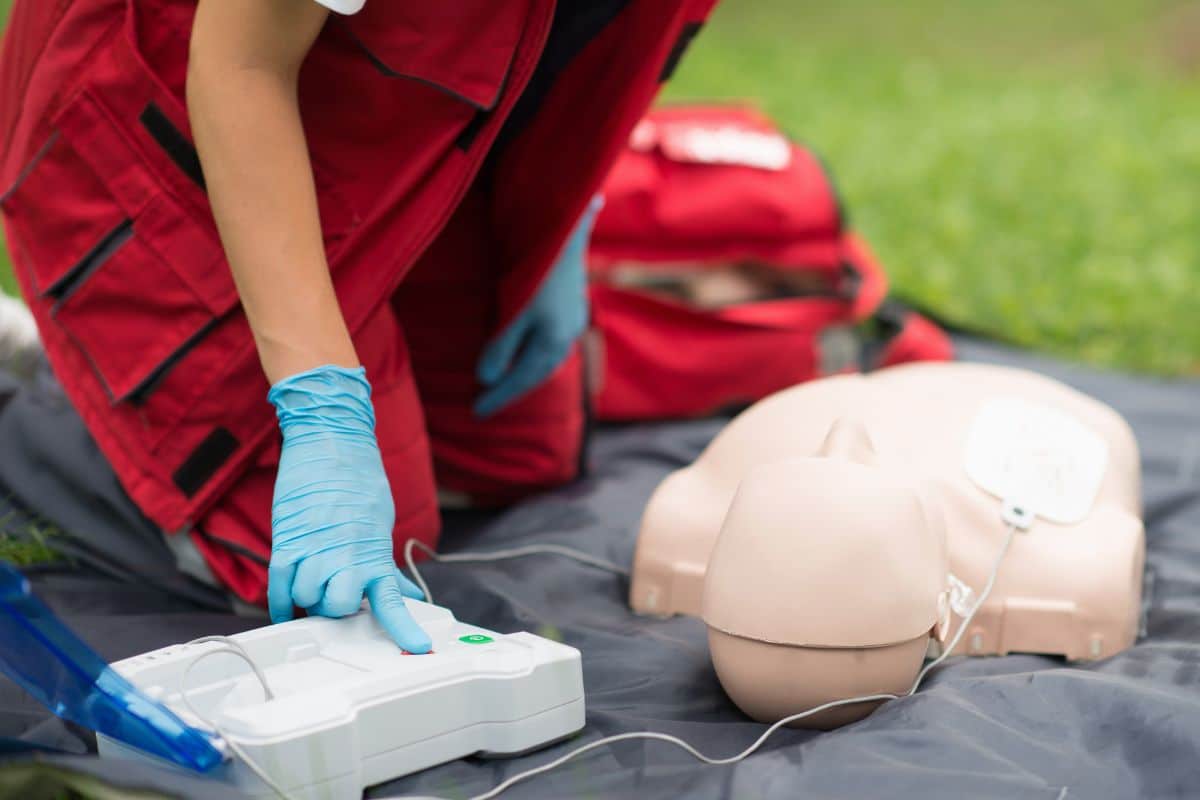
Keeping Your Defibrillator Ready to Rescue
A defibrillator beeping should never be ignored; it needs to be addressed quickly, as it could be the difference between life and death.
Often, the cause is simple and easy to address, such as disconnected pads or an expired battery. But occasionally, the problems might warrant repair or replacement.
If your device requires replacement pads, a new battery, or even a full replacement, we can help.
Order online today to make sure your defibrillator is fully stocked and ready to save lives when time matters.