






































.jpg)


Published on 12/01/2023 & Updated on 03/06/2026.
Buying a defibrillator is crucial for any business or organisation. With an AED machine, you’re ensuring everyone’s safety in case of emergencies. As the cost of an AED defibrillator varies for different reasons, that’s why we’ve prepared a buyer’s guide to help you make informed decisions when purchasing an AED.
Firstly, when you look to buy an AED you need to consider your environment and who may be using the unit. Some AEDs are made lightweight and with a simple design for the average bystander. Other AED’s may be bulkier and built for more skilled and professional rescuers throughout the emergency response process.
Some AED’s may be dual functioning which is a necessary feature at a community centre or school – as this means the pads can be used on both adults and children. Rather than wasting time swapping the accessories over.
Evaluating your budget is important as well. Some AED’s are feature rich but if the cost is more than your organisation has to spend there are simply designed AED’s that are just as effective.
For instance, while most AED models have voice prompts, others include an LED prompt. There are also AEDs that contain various graphics. While they do not have any effect on the efficiency or quality of the AED and ability to save patients, these large screens and colour displays can come in handy, especially if you are rescuing in noisy surroundings.
Additionally, the IP rating for each AED machine differs. While some models have higher International Protection Ratings, others have lower rates or do not have any. Warranty may be a factor as well.
Some offer five years, while others have an eight-year warranty period. The shocking energy per AED differs, with 200 to 360 joules as the usual range. All of these factors contribute to the differences in the cost of defibrillator per type.
Defibrillator Guide:
When buying a defibrillator, look out for the following features to ensure you’re getting value for money while saving lives:
- Ease of Use: The AED should have clear instructions with visual and verbal prompts, so that anyone in your business or organisation, including those who don’t have sufficient training, can use the device during emergencies.
- Pads: If your organisation usually comes into contact with children, ensure the device has a adult/paediatric switch for both adult and child causalities. Also, check how long you have to replace the pads.
- Battery Life: As battery life differs per manufacturer, find out how many years (usually two to five) it will take before you should replace the batteries.
- Warranty: Know what is covered in the warranty for AED. Note that accessories like pads have separate warranties.
- CPR Assistance: Several manufacturers have added CPR help features to AEDs. With audible voice instruction, you can maintain the correct compression rates.
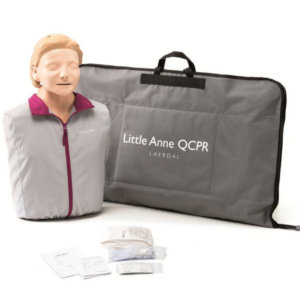
- Training: The AED shouldn’t require much training for it to be used. However, if you require to put on training sessions for your organisation, you may want to find out if there are training units compatible with your model of defibrillator.
- Damage Resistance: An AED includes a two-digit International Protection Rating or Ingress Protection Rating. The first digit shows protection from solids, like dust and grime, while the second digit indicates the level of protection from water (0 to 8, with 8 as the most protected). If marked X, the AED machine was not tested, or no rating was given.
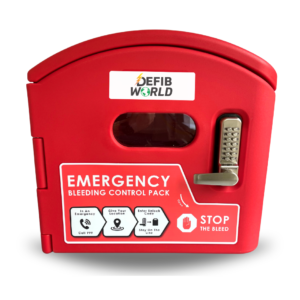
- Rescue Kit: Check if your defibrillator includes an AED rescue kit to assist you in a cardiac emergency, to be stored alongside your device.
Buyers Guide
Now you know what to consider, please see our breakdown of defibrillators we sell ranging from highest to lowest in cost.
Automated defibrillator cost varies per manufacturer and majority of the time semi-automatic and fully automatic defibrillators usually have minimal price differences.
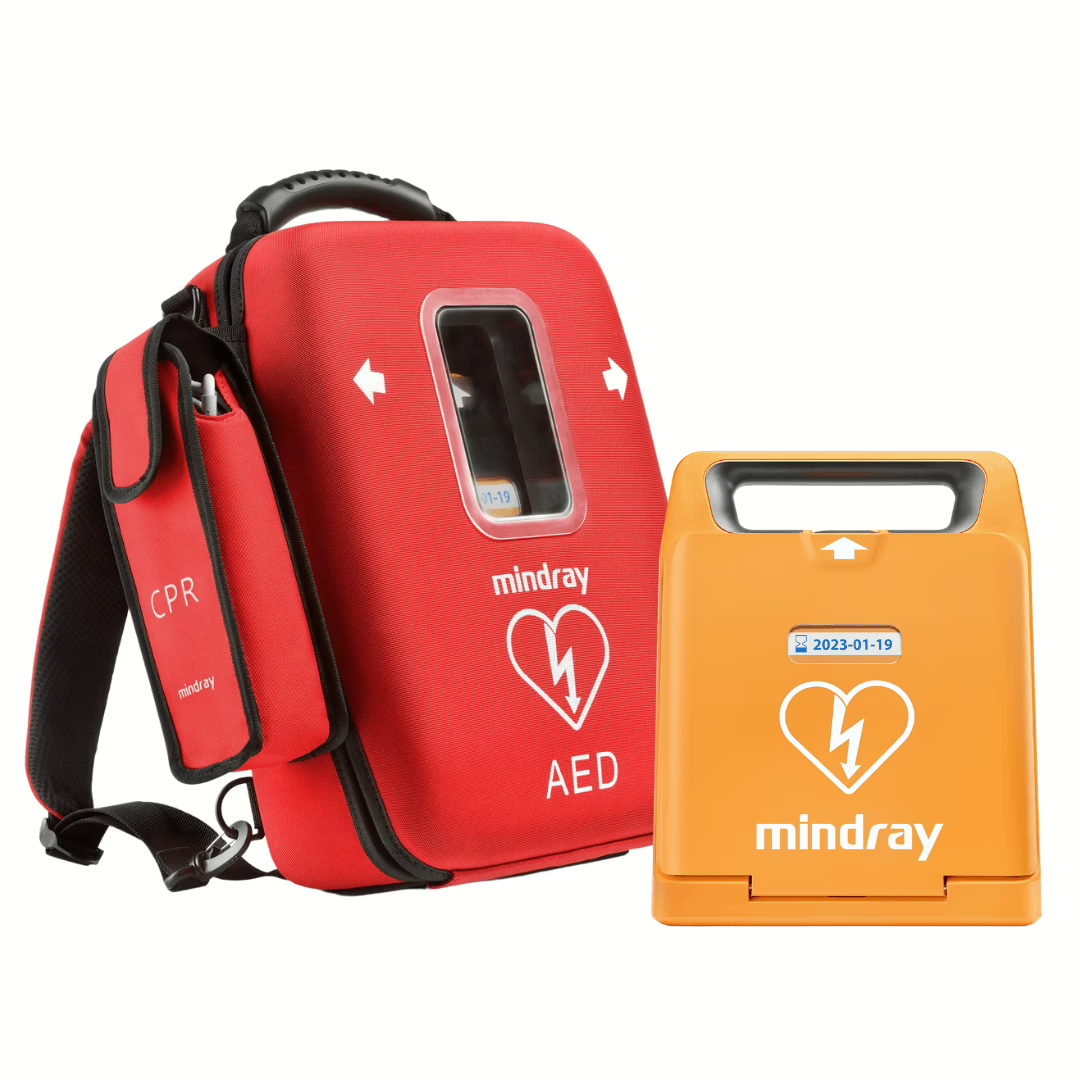
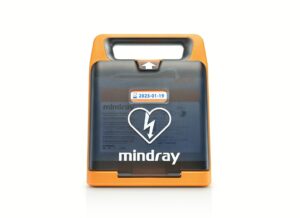
Beneheart Mindray C1A V2: £850
The BeneHeart Mindray C1A V2 is an easy to use defibrillator suitable for most environments including the home, office and community.
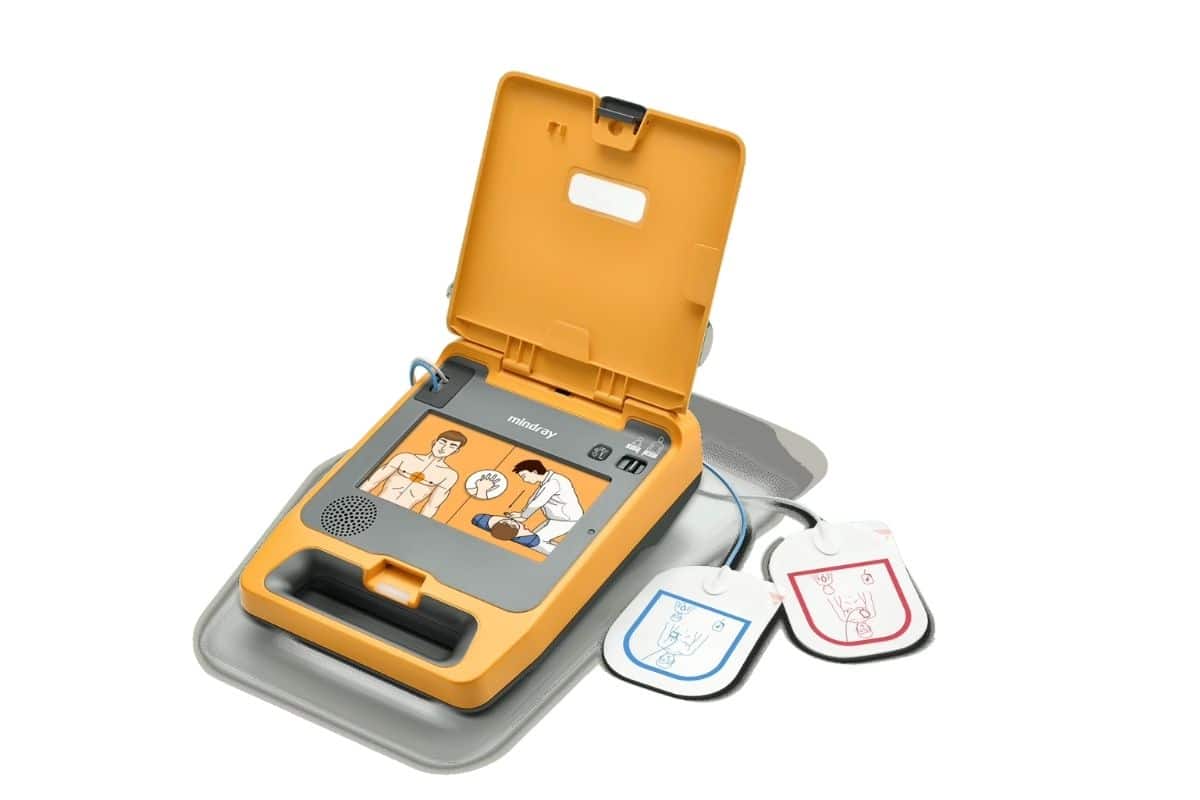
Key Features:
- Simple Adult/Paediatric mode switch for easy transitions between patients of different age groups, ensuring versatility in various settings.
- Pre-connected adult/child pads- no need for additional sets of pads, making it ready for immediate use during emergencies.
- 360J biphasic high energy for better outcome, offering optimal shock levels for increased chances of survival.
- Robust design – 1.5m drop test, ensuring durability even in tough conditions.
- IP55 rating, protected against dust and water, making it suitable for a wide range of environments.
- Low maintenance costs – Battery and pads have a shelf life of up to 5 years, providing long-term value.
- Fast deployment. performs daily self-tests, ensuring the AED is always ready for use.
Shop here: BeneHeart Mindray C1A V2 Fully Automatic
SCHILLER FRED easyport plus Fully Automatic Defibrillator: £2,150
The SCHILLER FRED easyport plus Defibrillator provides fully automatic shock delivery, ensuring minimal user intervention during critical moments. This device combines lightweight portability with robust performance, automatically analysing heart rhythms and delivering a shock without requiring the user to press a button, ideal for first responders and lay rescuers looking to streamline the rescue process.
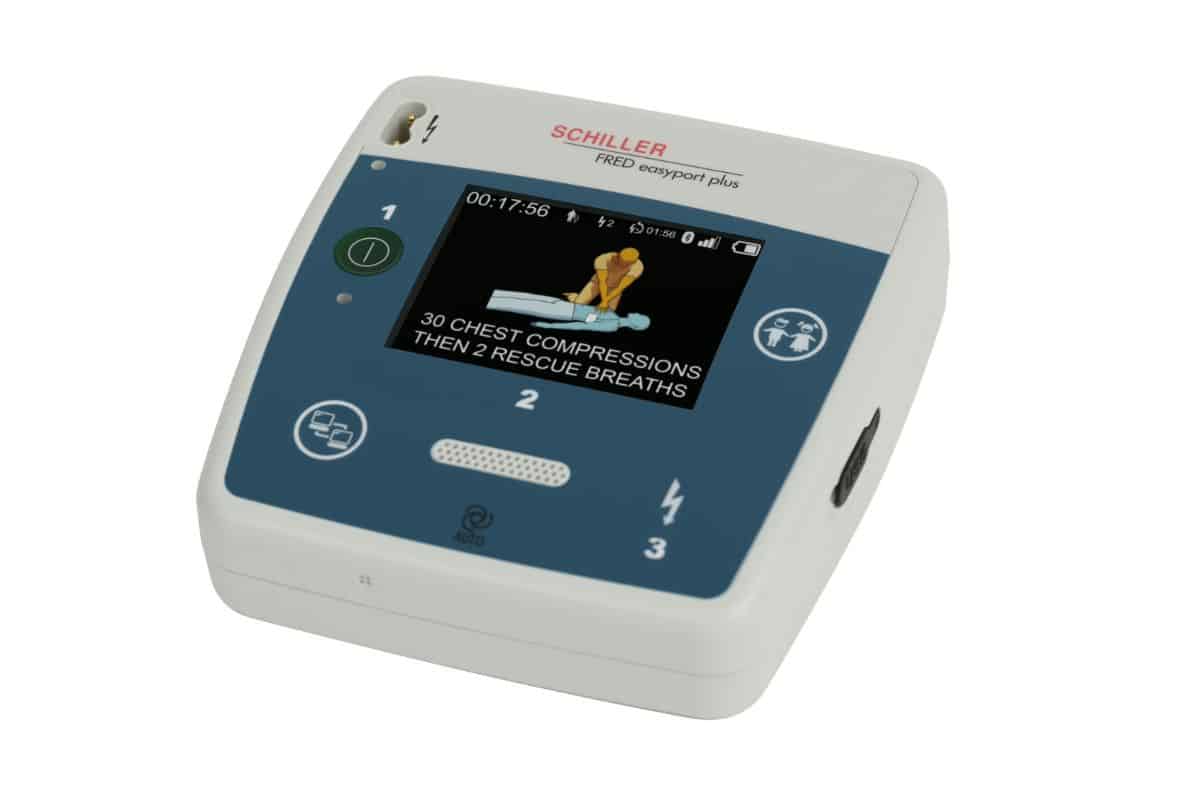
Key Features:
- Lightweight at Just 780 g – A truly handheld AED, perfect for on-the-go responders.
- Metronome & Real-Time CPR Feedback – Guides users on correct compression depth and timing.
- Intuitive Paediatric Mode – Switch to child mode using the same electrodes, simplifying pediatric rescues.
- Data Transmission via Bluetooth or USB – Easily share rescue data or maintenance logs.
- Regular Self-Tests – The on/off button flashes to signal status, ensuring consistent device readiness.
- Primary or Rechargeable Battery – Offers maximum flexibility for various rescue scenarios and environments.
Shop here: SCHILLER FRED easyport plus Fully Automatic Defibrillator
SCHILLER FRED PA-1: £875
The FRED PA-1 Fully Automatic Defibrillator from SCHILLER is an easy to use device that starts up immediately when opened. The FRED PA-1 guides the rescuer step by step during the entire resuscitation process, and delivers the shock without any action required from the rescuer.
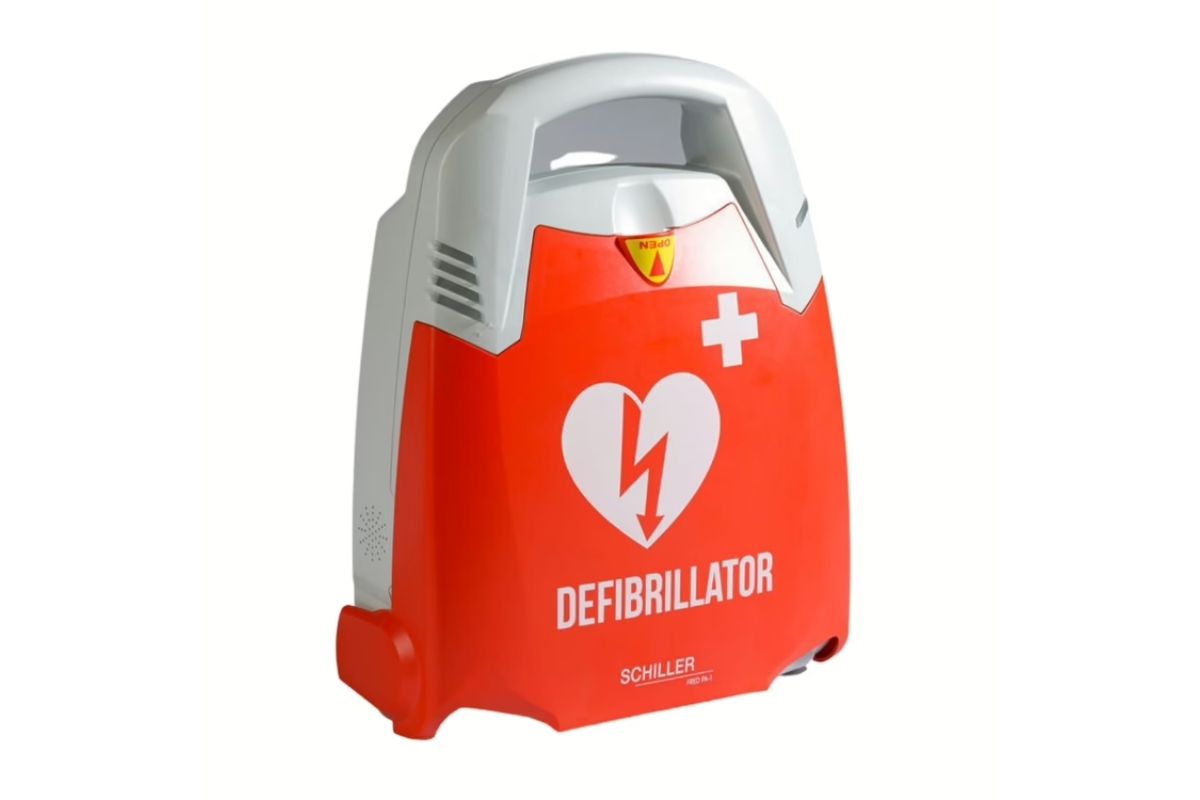
Key Features:
- Pre-connected electrode pads for faster application, saving valuable time.
- Step-by-step audio and visual guidance for easy operation.
- Automatic shock delivery – no button press required
- 10-year industry-leading warranty.
- 6-year battery life for long-term reliability.
- Automatic self-tests detect electrode expiration and battery capacity.
- Online connectivity (optional FRED PA-1 Online model) sends alerts via email.
- LED indicator shows device status.
- Repeat instruction button for enhanced usability.
- Bracket at the back for storing a spare set of electrode pads.
- Trilingual support, ideal for international environments.
- CPR Assistant with metronome and Free CPR feedback via impedance variation.
Shop here: SCHILLER FRED PA-1 Fully Automatic Defibrillator
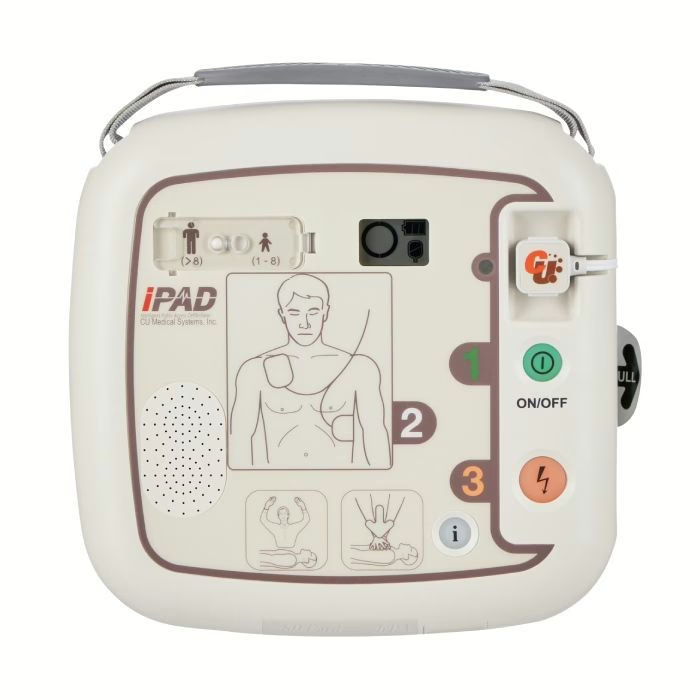
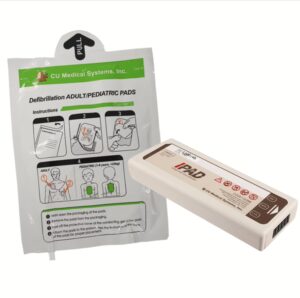
CU Medical Systems iPAD SP1: £925
The iPAD SP1 is suitable for placement in a variety of environments. Adopting a simplistic design, this device enables both trained and untrained responders to act during a cardiac emergency with confidence.
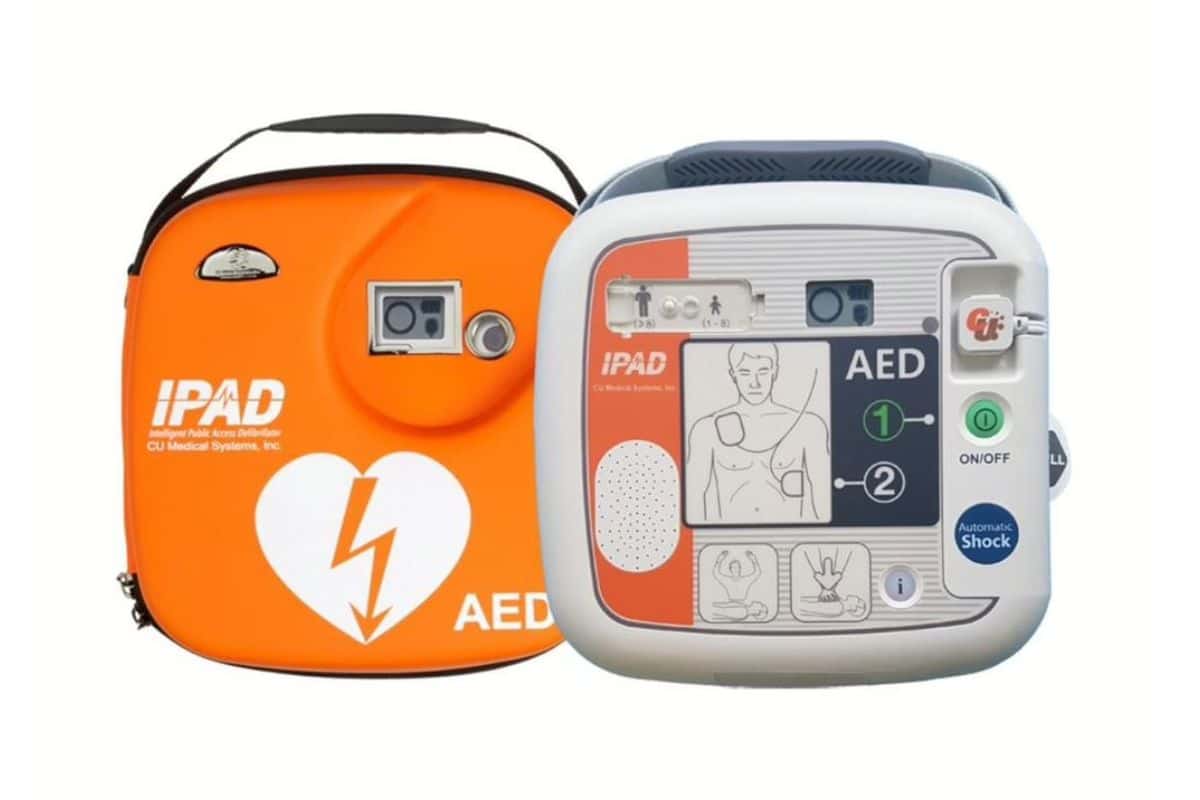
Key Features:
- Paediatric Switch.
- Integrated electrode-pad storage so pads can be preconnected.
- CPR detection technology recognises when CPR is being performed.
- Visual indicators show battery life, unit status and pad status.
- Internal memory stores up to 3 hours of data/last 5 cardiac events
- Ambient-noise detector adjusts volume of audio instructions.
- 7-Year warranty.
- Includes a rescue kit.
Shop here: iPAD SP1 Fully Automatic Defibrillator
C2 Mindray BeneHeart Fully Automatic: £960
Suitable for trained and untrained responders, the Mindray BeneHeart C2 Semi Automatic Defibrillator is ideal for placement in any environment, ensuring your school, office or place of work is heart safe.
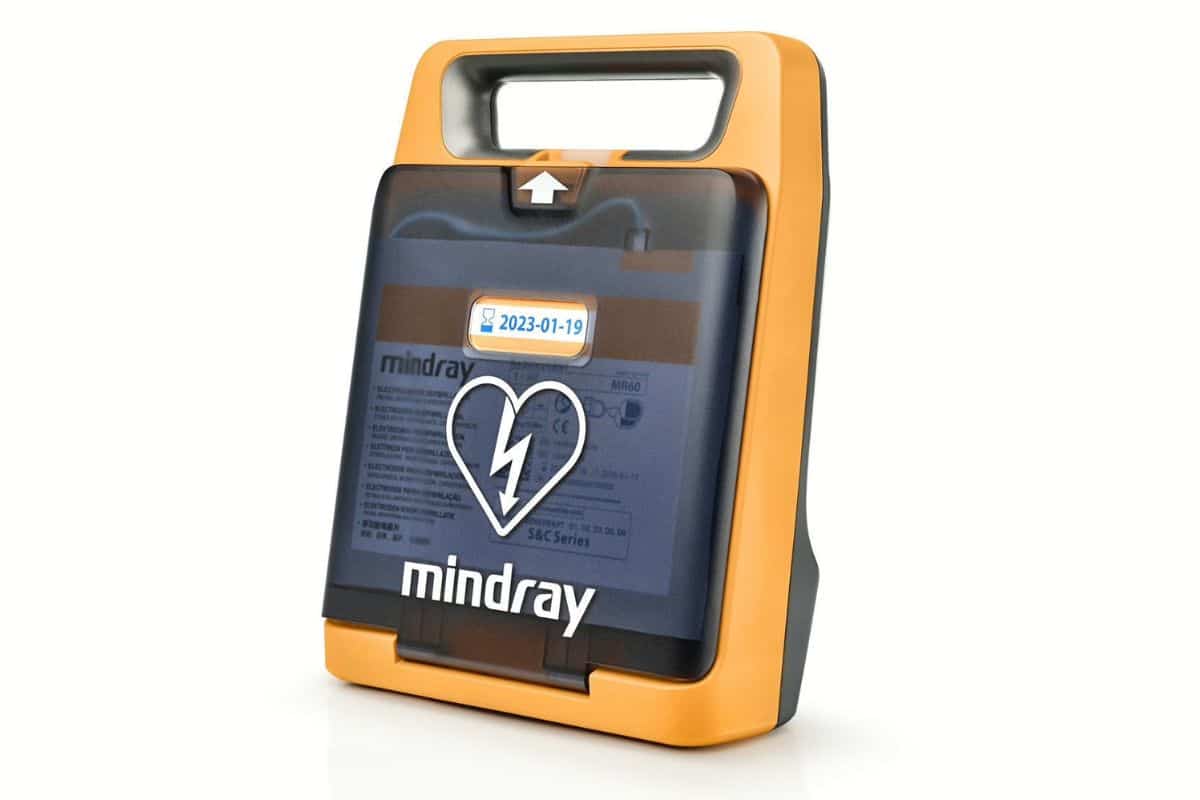
Key Features:
- Smarter and Faster Mindray C2 semi automatic defibrillator.
- 7″ TFT colour screen.
- ResQNavi technology – evaluates proficiency level of rescuer and provides intelligent rescue navigation tailored to user.
- Simple Adult/Paediatric mode switch.
- Pre-connected adult/child pad.
- QShock – Fast time to 1st Shock ( less than 8s) increasing chance of successful defibrillation.
- 360J biphasic high energy for better outcome.
- Robust design – 1.5m drop test.
- IP55 water/dust proof.
- Battery and pads have life cycle up to 5 years.
- 8 year manufacturer’s warranty.
- Visual indicators show battery life, unit status and pad status.
Shop here: Mindray BeneHeart C2 Fully Automatic Defibrillator
ZOLL AED Plus: £1,225
The ZOLL AED Plus Fully Automatic Defibrillator is designed to stand out in any setting with its bright green outer shell, making it easy to locate in both busy and quiet environments. It provides real-time feedback on CPR compressions and offers clear visual and audible prompts, ensuring any responder, trained or untrained, can confidently use it in an emergency.
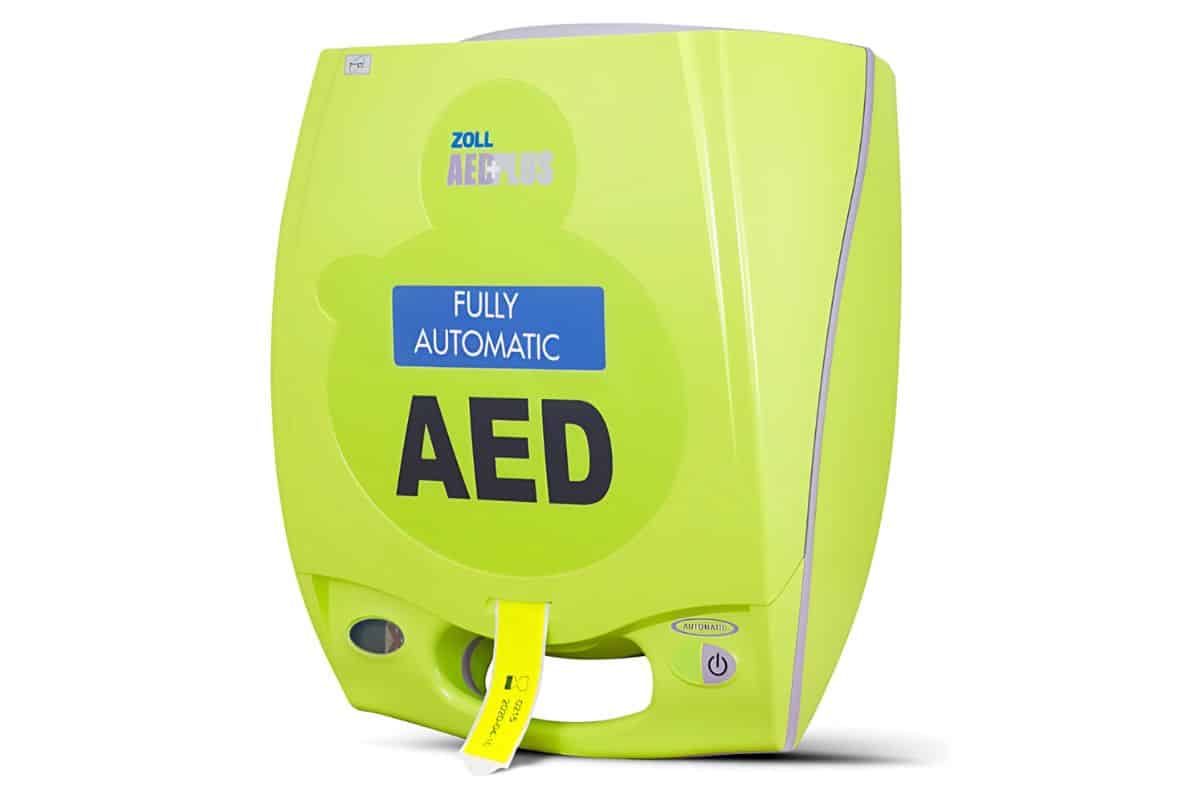
Key Features:
- Real CPR Help® technology provides instant feedback on compression depth and rate during CPR.
- IP55 rated for dust and water resistance, making it suitable for indoor and outdoor use.
- One-piece ‘Z’-shaped electrode pad simplifies pad placement.
- Uses off-the-shelf Duracell 123a lithium batteries for easy replacement.
- Clear audio and visual prompts guide users through the rescue process.
- Automatic self-testing (configurable to Daily/Weekly/Monthly) to ensure readiness.
Shop here: ZOLL AED Plus Fully Automatic Defibrillator
Additional Training
While no special training is needed to operate an AED, it is highly recommended. CPR classes will cover how to use and AED on adults, children, and infants.
Becoming familiar with the process of using an AED and identifying when it should be used is very helpful. Additionally, learning to do CPR is beneficial as CPR should be performed in the minutes between shocks being delivered.
Choosing The Right Defibrillator
Many people are still fearful of using a defibrillator; you don’t need to be trained, and they are easier to use than you might think, so you shouldn’t feel reluctant to use one if necessary.
You have nothing to lose, but somebody having a cardiac arrest does! Our friendly team is on hand to discuss your requirements to help you find a suitable device and provide support to ensure you can shop with us confidently!
If you are ready to find the right defibrillator for you budget, browse our full range of AEDs or contact the Defib World team for friendly expert advice.